


Bratislava
Bratislava is a city that many travellers pass through without ever truly discovering. Sitting just an hour from Vienna by train and often overshadowed by its more famous neighbour, Slovakia’s capital rarely tops lists of Europe’s must-see destinations.
Yet those who do take the time to visit are often rewarded with one of the continent’s most pleasantly surprising city breaks.
Perched on the banks of the Danube River and nestled at the foot of the Little Carpathian Mountains, Bratislava occupies a unique position in Europe. It is the only national capital in the world to border two other countries – Austria and Hungary – and its history has been shaped by centuries of cultural influences from across Central Europe.
Despite being Slovakia’s largest city, Bratislava feels remarkably compact. Its charming Old Town, hilltop castle, riverside promenades and café-lined squares create a welcoming atmosphere that is easy to explore and enjoy over a long weekend.
My visit took place in October, which proved to be an excellent time to experience the city. The summer crowds had largely disappeared, the autumn colours were beginning to appear across the parks and surrounding countryside, and the cooler temperatures made wandering the city’s historic streets particularly enjoyable.
Before arriving, there were a few practical things worth knowing.
One of Bratislava’s biggest strengths is its size. Unlike many European capitals where attractions can be spread across vast distances, most of Bratislava’s highlights are concentrated within a relatively small area. This means less time spent travelling and more time spent actually enjoying the city.
Weather-wise, Bratislava enjoys a typical Central European climate.
Summer temperatures generally range between 24°C and 30°C (75°F to 86°F), with July and August often bringing long, sunny days perfect for exploring the city’s outdoor attractions and riverside cafés. The warmer months are also when the Danube waterfront comes most alive.
October, when I visited, offered a much cooler but still very pleasant experience. Daytime temperatures typically sit around 15°C (59°F), while evenings can fall to around 6°C to 8°C (43°F to 46°F). A light jacket is usually enough during the day, although an extra layer becomes useful once the sun begins to set.
The local currency is the Euro (€), making things refreshingly straightforward for visitors already familiar with travelling elsewhere in the Eurozone. Card payments are widely accepted throughout the city and, during my visit, there were very few occasions where carrying cash felt necessary.
For British travellers, Bratislava is particularly convenient. Slovakia is only one hour ahead of the UK, so there is no meaningful time difference to contend with. Direct flights from London take a little over two hours, while many visitors also combine Bratislava with Vienna, taking advantage of the excellent transport links between the two capitals.
When it comes to electricity, you’ll need to pack a travel adapter. Slovakia uses Type E power sockets operating at 230 volts and 50 Hz, meaning travellers from the UK will need a plug adapter.
Fortunately, because the voltage is the same as in the UK, there is no need for a voltage converter for phones, laptops or other modern electronics.
Language is another area where visitors should feel comfortable. Slovak is the official language, but English is widely spoken in hotels, restaurants, bars and tourist attractions throughout the city centre.
That said, learning a couple of local phrases is always appreciated. “Hello” is Ahoj, while “thank you” is Ďakujem. Even a small effort often receives a warm response from locals.
One thing that immediately stood out during my visit was how relaxed Bratislava felt compared with many larger European capitals.
The city lacks the crowds of Prague, the intensity of Budapest and the sheer scale of Vienna. Instead, it offers something altogether more manageable. It’s a destination where you can wander without an itinerary, stumble across hidden courtyards and cafés, and never feel rushed.
Free Wi-Fi is widely available throughout the city, particularly in hotels, cafés and restaurants, making it easy to stay connected while exploring.
With the practicalities out of the way, it was time to discover what Bratislava had to offer.
Getting there
Getting to Bratislava from the UK is straightforward, even if Slovakia’s capital often flies a little under the radar compared with some of Europe’s better-known city break destinations.
A number of airlines operate direct flights from the UK, making it possible to leave Britain in the morning and be wandering around Bratislava’s charming Old Town by lunchtime.
For most travellers, Ryanair offers the greatest number of direct connections. The airline operates services from London Stansted, while routes from Manchester, Edinburgh and other regional airports are also available at various points throughout the year.
Depending on the season and airline schedules, travellers may also find flights operated by Wizz Air and other carriers from airports across the UK.
Flight times are relatively short, typically taking around two hours and fifteen minutes from London, making Bratislava an excellent choice for a long weekend or short city break.
For this particular trip, we flew direct from London Stansted with Ryanair. The total return cost for two people came to just £110.12, which represented excellent value.
As with all low-cost airlines, fares fluctuate considerably depending on when you book, the season and whether you’re travelling during school holidays. Prices today are likely to be somewhat higher than when we travelled.
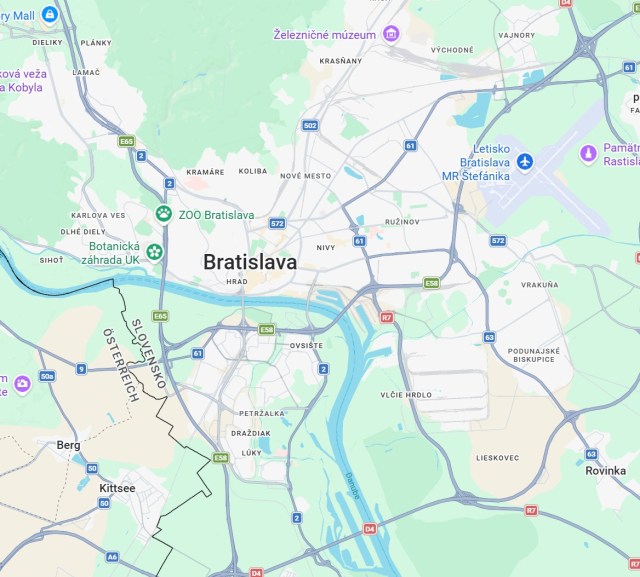
Officially known as M. R. Štefánik Airport, Bratislava Airport is Slovakia’s largest international airport and serves as the country’s main aviation gateway. Located approximately nine kilometres north east of the city centre, it is close enough that reaching central Bratislava is quick and straightforward once you’ve landed.
Despite serving a growing number of destinations across Europe, Bratislava Airport remains refreshingly easy to navigate.
Unlike some of Europe’s sprawling mega airports, arrivals, baggage reclaim and departures are all located within a single passenger terminal complex, meaning you can usually get from aircraft door to airport exit in a relatively short space of time. The airport’s passenger facilities are spread across interconnected terminal buildings that function as one unified passenger terminal.
The airport itself has two runways, allowing it to handle everything from short haul budget airlines to larger aircraft operating longer routes. The main runway stretches for more than three kilometres and is capable of accommodating aircraft of all sizes.
Passenger numbers have grown significantly in recent years. In 2025, Bratislava Airport handled a record 2.44 million passengers, making it the busiest year in the airport’s history and highlighting its growing importance as a gateway to both Slovakia and neighbouring Austria.
One of the more interesting things about Bratislava Airport is its location. While it primarily serves Slovakia’s capital, it also acts as an alternative airport for Vienna (where we will focus on later in this blog), which lies only around 60km away across the Austrian border. This gives visitors the unusual opportunity to arrive in one country while remaining within easy reach of another.
Facilities at the airport include cafés, restaurants, duty free shopping, car hire desks, currency exchange services and public transport connections into the city. Everything felt efficient during our visit, allowing us to begin exploring Bratislava without any unnecessary delays.
For a capital city airport, it is pleasantly uncomplicated. Within a short time of landing, we were on our way towards the city centre and ready to discover what the Slovakian capital had to offer.
Where to stay
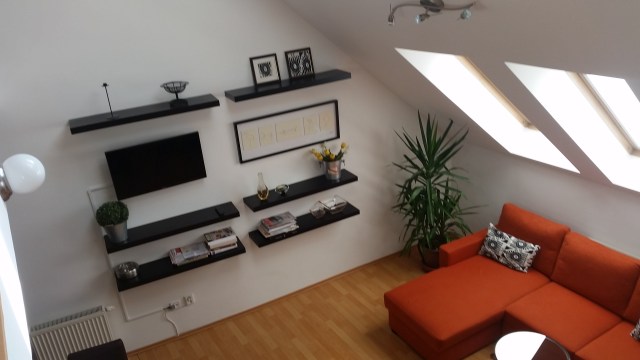
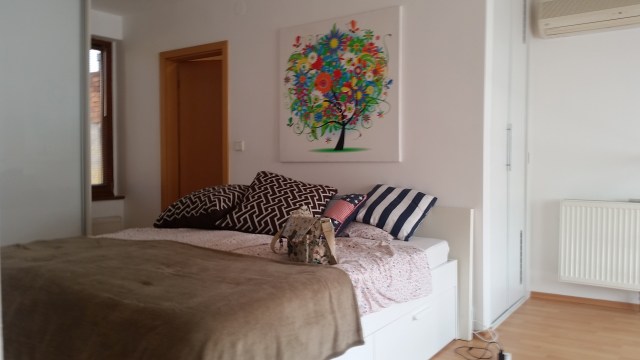
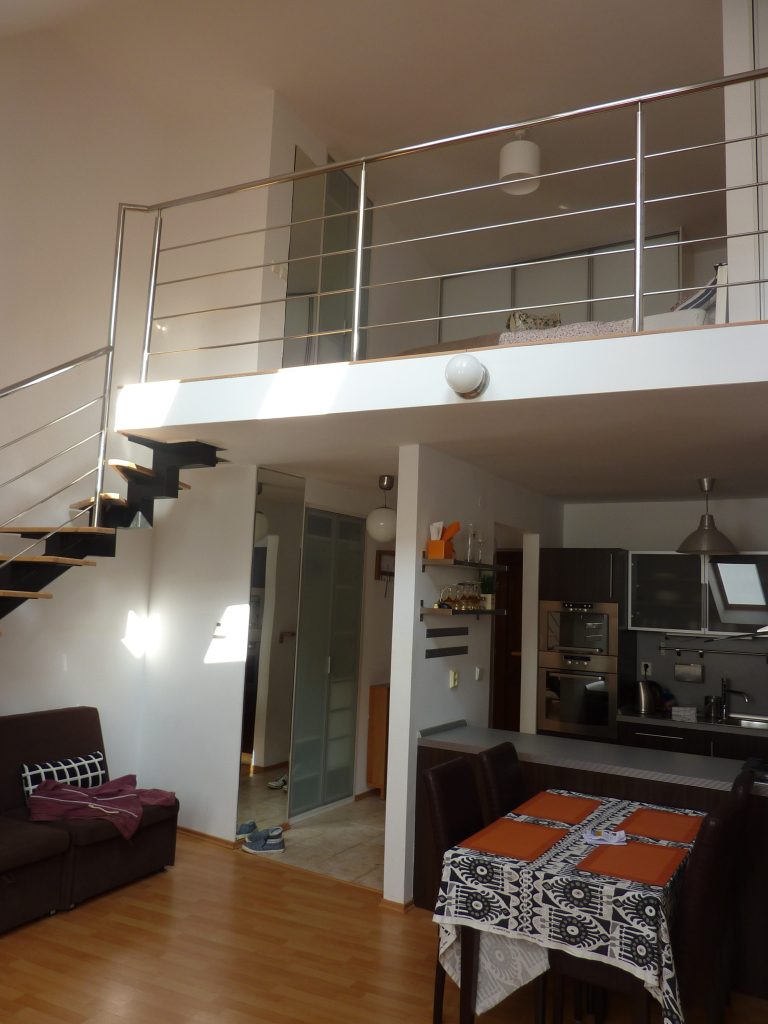
For our three nights in Bratislava, we decided to go for an Airbnb rather than a traditional hotel, staying at the Comfortable Loft in the Bratislava City Center on Klariská Street. The apartment was at Klariská 325/8, 811 03 Bratislava, right in the heart of the city’s historic Old Town.
Klariská is one of those streets where you barely need to think about transport because so much of Bratislava is right outside your door. The street takes its name from the Gothic Church of the Poor Clares and the former monastery of the same name, and the surrounding area is packed with historic buildings, cafés and restaurants.
The Old Town forms the historic centre of Bratislava, with many of its most important sights concentrated within a relatively small area.
The location was particularly useful for sightseeing. Michael’s Gate is only a few minutes away on foot, while the main squares and pedestrianised streets of the Old Town are also close by. Bratislava Castle is less than a kilometre away, while the Danube and the UFO Observation Deck are within walking distance too.
The apartment itself offered more space and independence than you would normally get from a hotel room, with the added advantage of having your own kitchen and living space. That made it a good option for a short city break where we could come and go as we pleased rather than being tied to hotel facilities or breakfast times.
We paid £198.14 for the three night stay, which worked out at around £66 per night. As this was a booking we made for our own trip, that is the actual price we paid rather than a current guide price, and Airbnb rates will naturally vary depending on the dates and availability.
For me, the biggest selling point was the location. Staying in this AirBnB meant we were already in the middle of the historic city whenever we stepped outside, with the majority of Bratislava’s sights easily reachable on foot.
Getting around
One of the things I quickly discovered about Bratislava is that it is an incredibly easy city to navigate.
Whether you’re arriving from the airport, exploring the historic centre on foot or even heading across the border to Austria for the day, getting around is generally straightforward and affordable.
For our airport transfers, we used Hoppa, which allowed us to pre-book a private return transfer between Bratislava Airport and our accommodation in the city centre.
The service cost £31.93 in total for two passengers and included a direct door-to-door journey with no additional stops along the way and only taking around 30 minutes, although this will naturally vary depending on traffic conditions.
After a short flight, there is something reassuring about knowing a driver will be waiting for you rather than having to work out local public transport or negotiate taxi fares. For us, the transfer was smooth, convenient and removed any stress from arriving in a new city.
Once you’re in the city centre, the good news is that Bratislava is one of the most walkable capital cities in Europe.
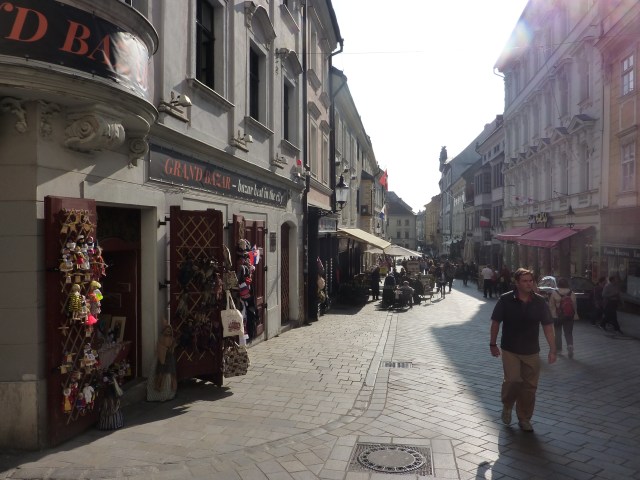
Unlike some capitals where attractions are spread across vast distances, many of Bratislava’s main sights are concentrated within and around the compact Old Town. During our stay, we were able to reach most places simply by walking. Michael’s Gate, the Main Square, Bratislava Castle, the Blue Church, St Martin’s Cathedral and the Danube waterfront are all within relatively easy walking distance of one another.
In many ways, exploring on foot is the best way to experience Bratislava. The city’s narrow medieval streets, hidden courtyards and historic buildings are often missed if you rush from place to place on public transport. Walking also allows you to stumble across the quirky statues and unexpected viewpoints that have become part of Bratislava’s charm.
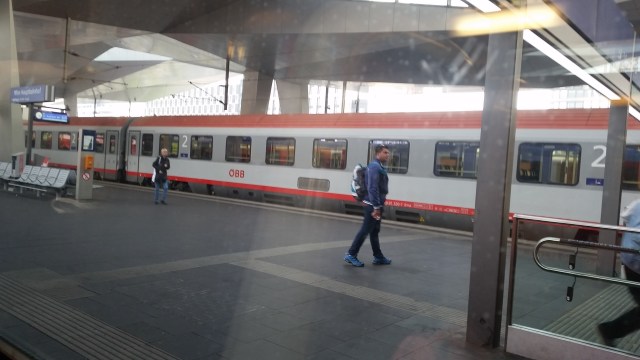
One of the easiest ways to add another capital city to your trip is to take the train from Bratislava Hlavná Stanica to Wien Hauptbahnhof, with the journey taking around an hour each way. It is one of the simplest international day trips you’ll find anywhere in Europe and allows you to experience two very different capital cities during the same holiday.
A standard round-trip ticket costs around €19 (about £16) using the special cross-border excursion fares, making it a relatively inexpensive way to spend a day in Vienna.
Tickets can be purchased in advance through sites such as Omio or simply bought at Bratislava’s main railway station before departure. With regular services operating throughout the day, booking ahead isn’t usually necessary unless you prefer to have everything organised before travelling.
The journey itself is straightforward. Board at Bratislava Hlavná Stanica, settle into your seat and enjoy the ride through the Slovak and Austrian countryside.
Roughly an hour later you’ll arrive at Wien Hauptbahnhof, Vienna’s main railway station, from where the Austrian capital’s famous palaces, museums and historic streets are easily accessible.
Top sites
One of the best ways I find to get your bearings quickly in a new city is to take a free walking tour – or, in Bratislava’s case, two.
Be Free Tours offers tours that provide a useful introduction to the city’s history and major sights, while also giving you some of the stories and context that you might miss if you simply explored on your own. I took both the Original Free Walking Tour and Communist Free Walking Tour.
The Original Free Walking Tour is a two-and-a-half-hour tour in English, beginning at Hviezdoslavovo Square, beside the statue of Hviezdoslav, next to the Carlton Hotel and US Embassy.
To find the guide, look out for the orange Be Free Tours ‘Free Tour’ sign. The route takes in many of Bratislava’s best-known sights, including the Slovak National Theatre, Reduta, Čumil – the famous ‘Man at Work’ statue – Schöne Náci, Main Square, the Old Town Hall, St Michael’s Gate, Grassalkovich Palace and SNP Square.
It also goes beyond the obvious tourist sights to include the Blue Church, Comenius University and the site of the 1968 Soviet occupation. Along the way, the guides cover Slovakia’s history, culture, traditions and current affairs, putting the sights into a wider context.
The Communist Free Walking Tour is another two-and-a-half hour English-language tour, also starting at Hviezdoslavovo Square by the Hviezdoslav statue.
This one takes you away from the more traditional tourist sights and looks at what life was like in socialist Czechoslovakia, including the political and social impact of the Communist regime on everyday Slovaks.
This route includes the UFO Bridge, Slovak National Uprising Square, Petržalka, Freedom Square, Socialist Realism statues, the former Pioneers’ Headquarters, the Pyramid Radio Station and examples of socialist artwork and propaganda. It is particularly interesting if, like me, you enjoy finding out what a city was like beyond its postcard image.
Despite the name, ‘free’ doesn’t mean that the guides don’t get paid.
Be Free Tours operates on a tips-only, pay-what-you-wish basis, so there is no compulsory ticket price. You take the tour and then decide how much you think it was worth based on your experience. The company says this model is intended to motivate its guides to provide entertaining, high-quality tours. The tours are designed for solo travellers and small groups, with groups of more than eight required to arrange a private tour in advance
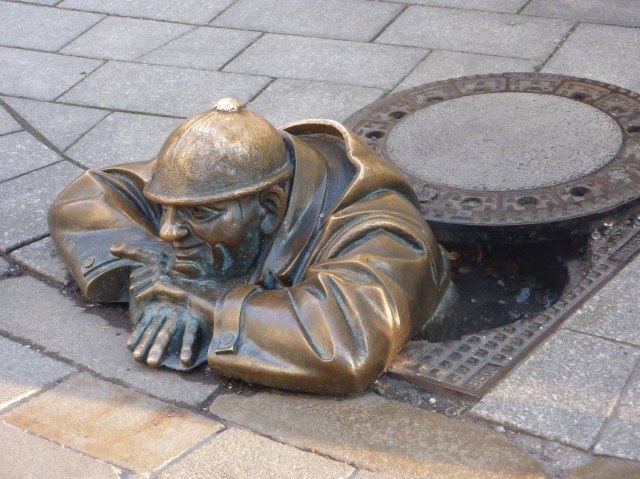
The next stop during a visit to Bratislava should be to see the Čumil Statue.
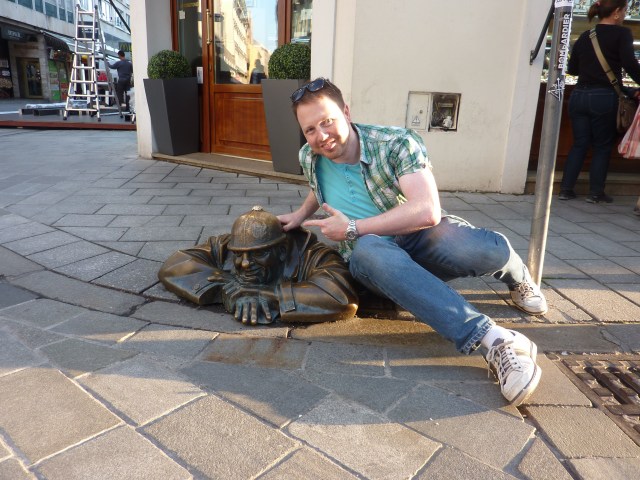
Čumil is one of the most recognisable sights in Bratislava and one of those attractions that is almost impossible to walk past without stopping for a photograph. The bronze statue, created by Slovak sculptor Viktor Hulík in 1997, depicts a sewer worker leaning out of a manhole cover and looking up at the people passing above him.
His name roughly translates as ‘Watcher’ or ‘Rubberneck’, although the statue is also commonly known as ‘Man at Work’. It quickly became one of the symbols of Bratislava and is now said to be the city’s most photographed statue.
You’ll find Čumil in the heart of Bratislava’s Old Town, at the corner of Panská Street and Rybárska brána, just a short walk from the Main Square and other central sights.
The statue is actually set into the pavement, so it’s easy to miss if you’re not looking down – although the crowds of people taking photographs usually give away its location. There is also a local tradition that touching Čumil’s cap brings good luck, which explains why the top of his hat has become noticeably worn over the years.
There is no entrance fee to see Čumil, as the statue stands outdoors in a public pedestrian area and can be visited at any time. It’s therefore an easy sight to add to a walk around the Old Town, and you only need a few minutes to see it and take a photograph.
Vienna
Vienna’s historic centre is easily accessible after arriving and emerging from the train station, meaning you can quickly swap the compact streets of Bratislava for grand palaces, imposing boulevards and some of Europe’s most recognisable historic buildings.
And there is plenty of history waiting for you. Vienna’s story stretches back to Roman times, when Vindobona was established as a military camp, before the House of Habsburg began its rule in the city in 1282.
The Habsburgs would go on to make Vienna the centre of a vast European empire, with the Hofburg serving as their principal residence and seat of power for centuries. Even today, the imperial legacy is difficult to escape, with palaces, churches and grand public buildings dominating much of the city centre.
Vienna’s historic centre also reflects several different periods of its past. Medieval landmarks such as St Stephen’s Cathedral sit alongside the Baroque grandeur of the Hofburg, while the Ringstrasse was created in the nineteenth century as the city expanded beyond its old fortifications. The result is a city where centuries of history are packed into a relatively compact area – and much of it can be explored on foot.
For me, that is what makes the Bratislava–Vienna train journey such an appealing addition to a trip to Slovakia. In little more than an hour, you can cross an international border and go from one former Habsburg city to another, but the experience of the two is noticeably different.
Vienna is bigger, grander and unmistakably imperial, making it an easy choice for a full day of sightseeing before catching the train back to Bratislava.
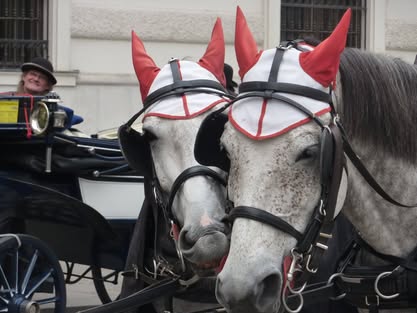
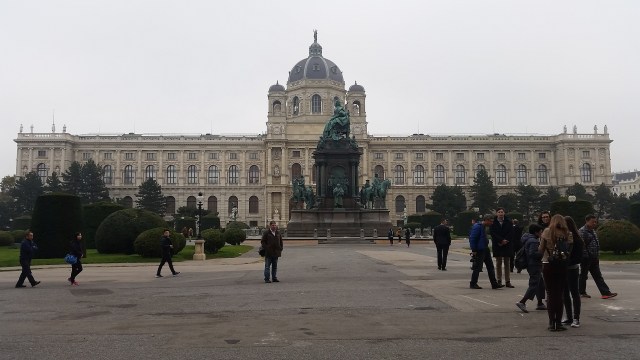
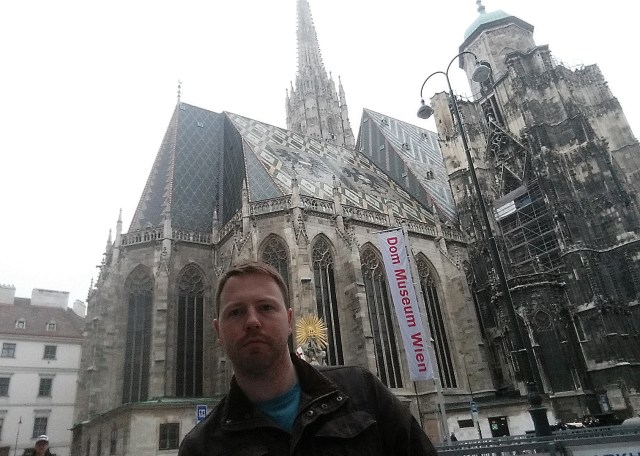
In similar fashion to Bratislava, a great way to make the most of a day in Vienna is to join a free walking tour, and during my visit I took the English-language tour run by Good Vienna Tours.
It was a useful way to see some of the city’s most important sights while also learning more about the history behind them, particularly given that there is so much to take in during a relatively short day trip from Bratislava.
The tour lasted around two-and-a-half hours and began at Albertinaplatz, beside the Albrechtsbrunnen fountain and directly in front of the Albertina. The guide was easy to spot, with the company’s distinctive green umbrella marking the meeting point.
From Albertinaplatz, the tour took us through Vienna’s historic centre, passing many of the landmarks mentioned above. The route included the Vienna State Opera, Hofburg Palace, the Jewish Quarter and St Stephen’s Cathedral, with the guide providing stories and anecdotes about Vienna’s rulers, famous residents, traditions and more unusual moments from the city’s history.
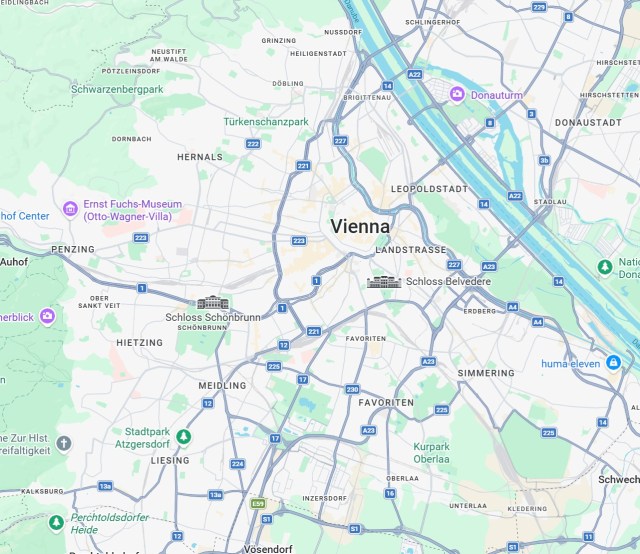
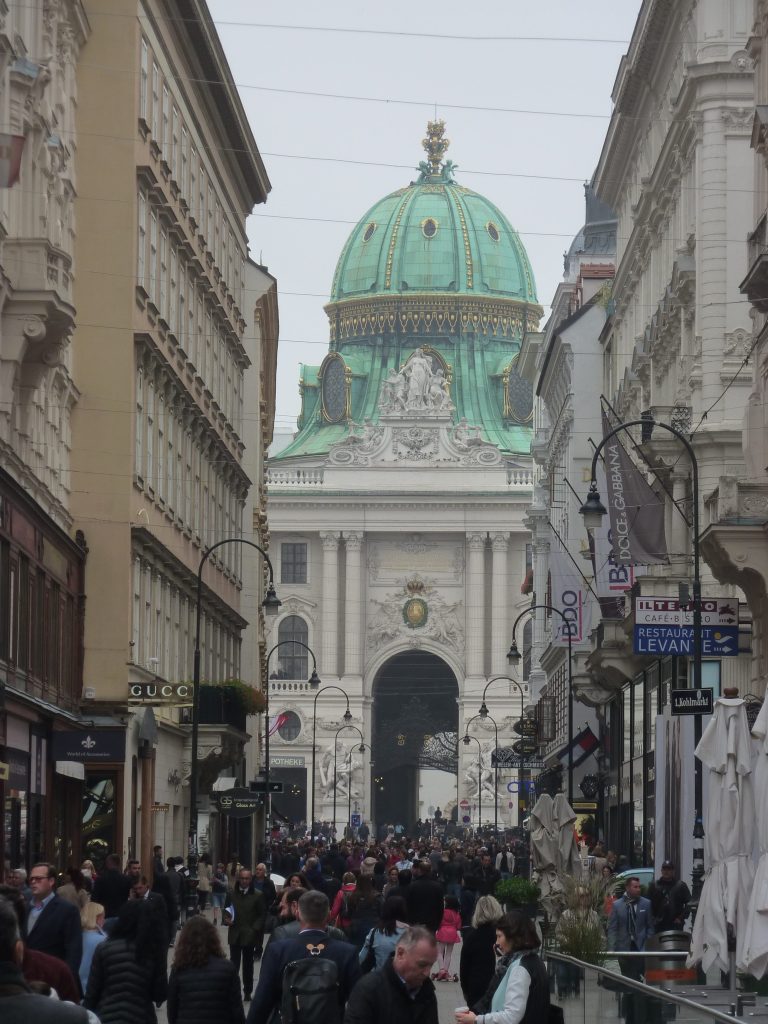
The tour was focused on seeing the sights from the outside rather than going inside the attractions, which worked well for a day trip as it meant we could cover a lot of ground without spending hours inside individual museums or palaces. The tour eventually finished close to Schwedenplatz, leaving plenty of time to continue exploring Vienna independently.
As mentioned earlier, despite being called a free walking tour, because there is no fixed admission price, Good Vienna Tours guides operate on a tips-only basis.
I always think this is a good way to explore a city, particularly when you’re visiting somewhere for the first time, as you get the benefit of a knowledgeable local guide without having to commit to an expensive organised excursion. For a day trip from Bratislava, this two-and-a-half hour tour leaves plenty of time to explore some of Vienna’s other sights afterwards before heading back to the train station.
Where to avoid
Bratislava is generally a straightforward city to explore, and we found it easy to get around on foot. The city’s official tourism organisation says that crime levels are relatively low compared with other large cities, and there are no areas of the city that it considers to be particularly dangerous.
The central tourist areas are also generally well lit and covered by CCTV. That doesn’t mean you should switch off completely, though. Pickpocketing is an issue, particularly in busy parts of the Old Town and on public transport, while the UK government’s current travel advice specifically warns about pickpockets and bag snatching in Bratislava’s main tourist areas. Keeping your belongings secure and being a little more alert in crowded places is therefore sensible.
The Old Town nightlife also warrants a little common sense. The FCDO warns about drink spiking and theft around some clubs in the Old Town pedestrian area, as well as reports of tourists being charged excessive prices for drinks.
It recommends checking prices before ordering and keeping your drink in sight. Public drinking is also prohibited in Bratislava’s Old Town, with fines possible for those who ignore the rules. In other words, Bratislava isn’t somewhere I’d describe as a city to avoid, but the usual precautions you’d take in any European capital are still worthwhile, particularly after dark.
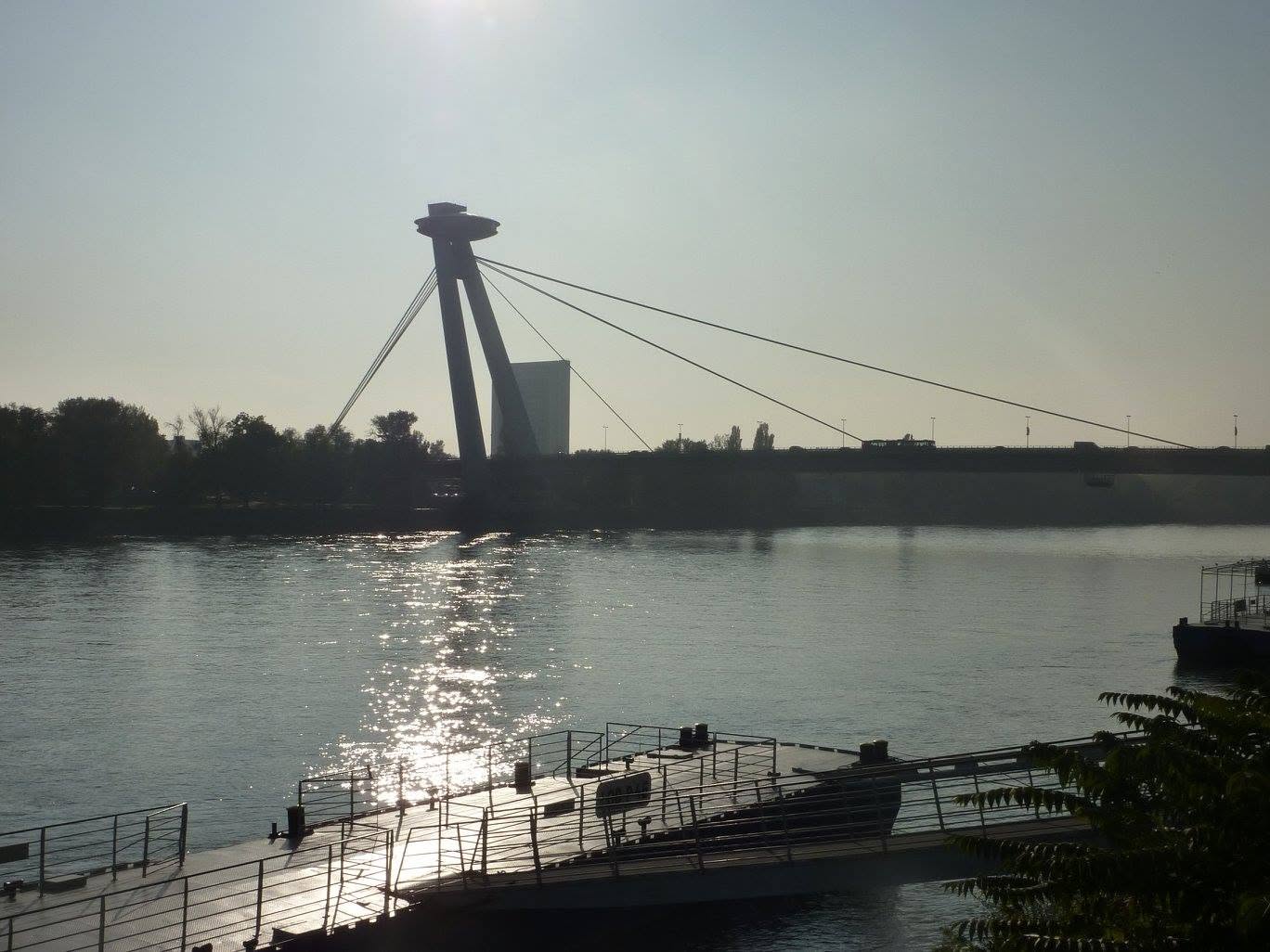
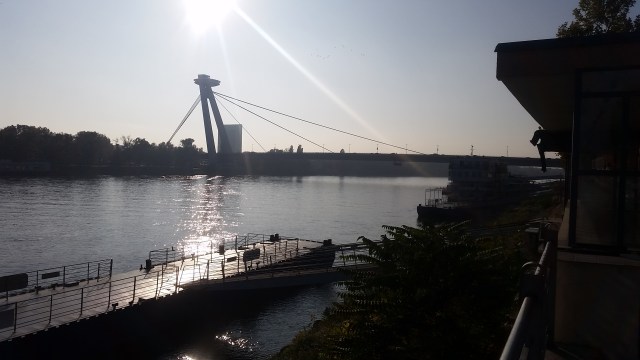
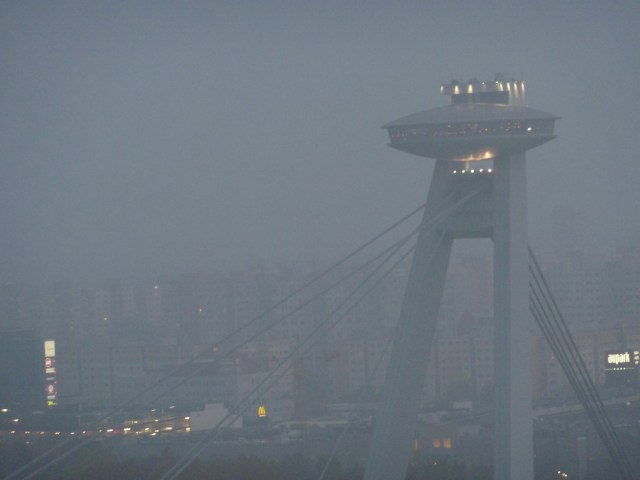
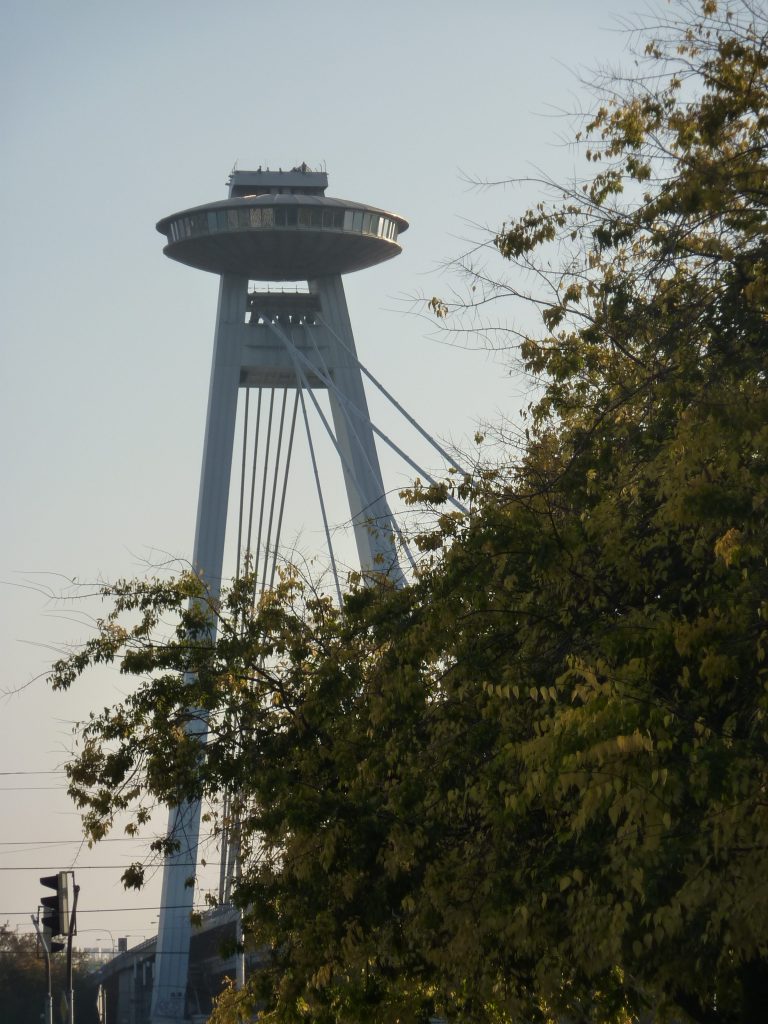
One place I would exercise a little more caution is the Most SNP, better known to visitors as the UFO Bridge. This striking single-pylon suspension bridge crosses the Danube and has become one of Bratislava’s most recognisable landmarks.
It was built between 1967 and 1972 and is particularly distinctive because of the UFO-shaped restaurant and observation deck perched high on its pylon. The observation deck sits around 95m above the ground and offers 360-degree views across Bratislava and the surrounding area.
The reason I wouldn’t go seeking this out isn’t because it is an inherently dangerous attraction. Rather, it is a busy piece of transport infrastructure, and I wouldn’t recommend treating the road itself as somewhere to wander around casually.
If you want to experience the bridge, stick to the designated pedestrian route and use the UFO observation deck if you want the views. The bridge is also a particularly striking sight from the Danube and Bratislava’s Old Town, so you don’t necessarily need to be on it to appreciate it.
If you’re looking for something a little more adventurous, the UFO also offers a Skywalk around the outside of the observation deck. This involves walking around the 85-metre-high structure while secured by two steel ropes and is a very different experience from simply enjoying the view from inside. It is a paid activity, currently listed at €45 per person, and naturally isn’t something I’d recommend to anyone uncomfortable with heights.
Great places to eat
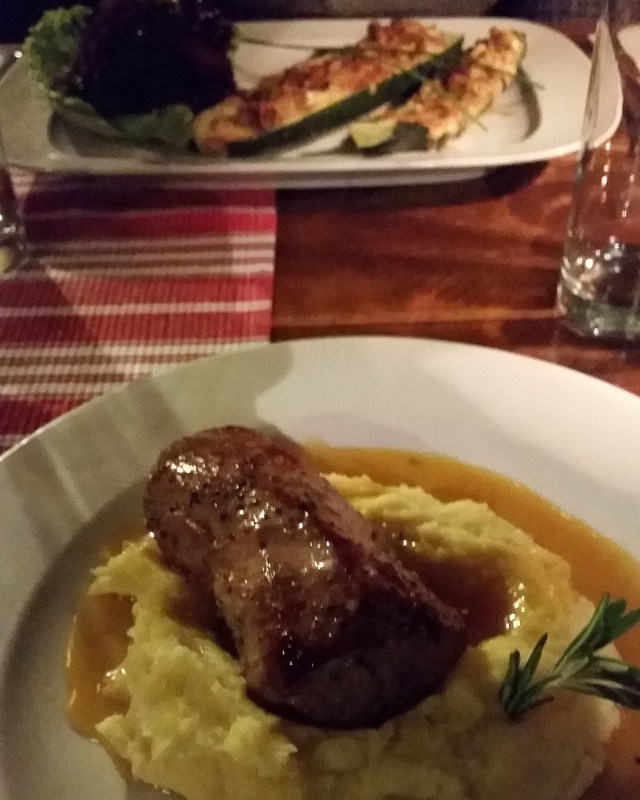
One of the restaurants I particularly enjoyed in Bratislava was Modrá Hviezda also know as Blue Star.
This Slovak restaurant tucked away on Beblavého 14, in the pedestrianised historic part of the Old Town, directly beneath Bratislava Castle. The location makes it a particularly good choice if you’re exploring the castle and surrounding streets, with the restaurant occupying a historic building that adds to the atmosphere.
The food is traditional Slovak cuisine, with the menu putting plenty of emphasis on hearty dishes and local ingredients. There are several Slovak classics, including bryndzové halušky – potato dumplings with sheep’s cheese – as well as roast duck with red cabbage and potato lokše, venison goulash with rosemary and cranberries, rabbit in red wine with wild mushrooms and pork dishes.
There are also fish, chicken and vegetarian options, so there is more choice than just traditional meat-heavy Slovak fare.
Prices are towards the upper end of what you might pay for a casual meal in Bratislava, but I think they are reasonable for the setting and style of restaurant. Main courses currently range from around €18.90 for bryndzové halušky to €31.90 for the chef’s venison steak, with dishes such as roast duck at €24.90 and venison goulash at €22.50.
Starters are generally around €7.50–€19.90, while desserts are €7.50. There is also a 10% service charge added to the bill for the whole staff.
The restaurant has been family-run since 2009, with the family involved in both the front and back of house, and its stated approach is based around traditional cooking, quality ingredients and a personal service. If you’re looking for somewhere to experience Slovak food in a memorable setting, Modrá Hviezda is well worth the trip.
Useful links
Remember you can follow World Complete on Twitter, Instagram, Pintrest, Tumblr and Facebook send your comments and pictures from your travels using #WorldComplete and #Travel.


Bratislava, and in fact most of Slovakia, is the dictionary definition of charming or quaint isn’t it? 😊 Maggie
LikeLiked by 1 person
Absolutely. It’s a very underappreciated country. Highly recommend. Thanks for taking a read of my blog and commenting. 💪
LikeLike