
Budapest
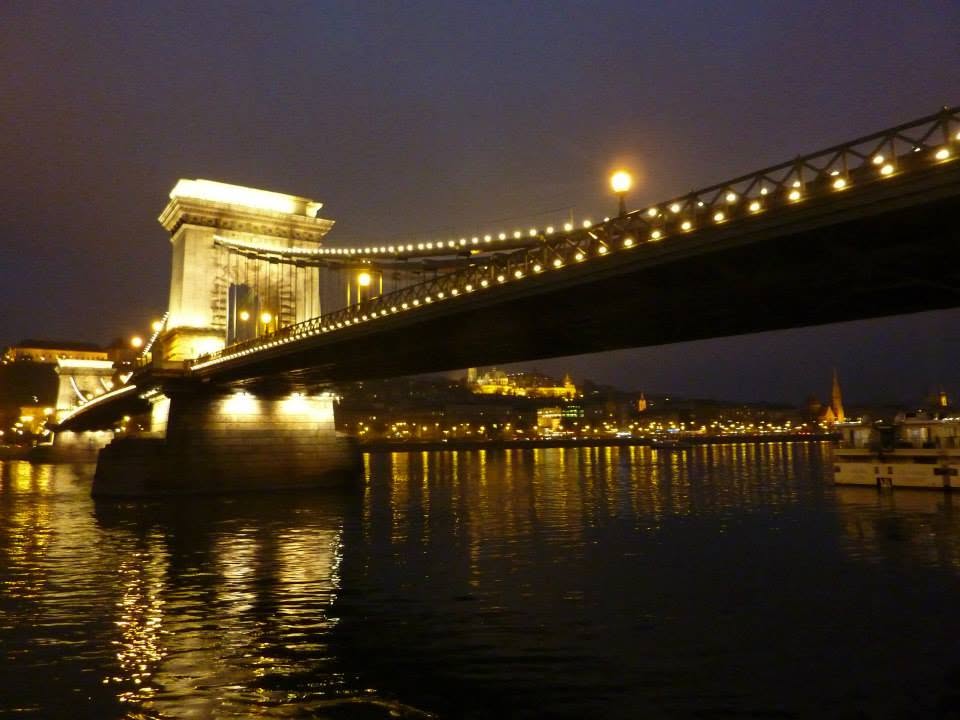
Budapest feels like a city that was designed to impress. From the moment you see the Danube cutting through its centre, flanked by grand palaces, church spires and some of Europe’s most striking architecture, it’s easy to understand why Hungary’s capital is often regarded as one of the continent’s most beautiful cities.
It’s that split that makes Budapest particularly unique given that it once was two separate cities!
On one side of the Danube sits hilly, elegant Buda, home to castles, palaces and some of the city’s finest viewpoints. On the other lies Pest, flatter, busier and filled with grand boulevards, bustling squares and much of the city’s commercial and cultural life. The two were officially united in 1873, creating the city we know today.
two were officially united in 1873, creating the city we know today.
The result is a destination that feels as though it has two distinct personalities. One moment you’re wandering through medieval streets beneath Buda Castle, the next you’re standing in front of the magnificent Hungarian Parliament Building or exploring one of the city’s famous ruin bars. Few European capitals offer such a varied blend of history, culture and scenery.
My visit took place in December, a time when Budapest feels particularly magical. Christmas markets fill the city’s squares, festive lights illuminate the grand avenues and the thermal baths become even more inviting as temperatures fall.
It proved to be the perfect backdrop for exploring a city that has endured empires, revolutions and world wars, yet remains one of Europe’s most beautiful capitals.
So what should first-time visitors to Budapest know before setting off for Hungary’s fascinating capital?
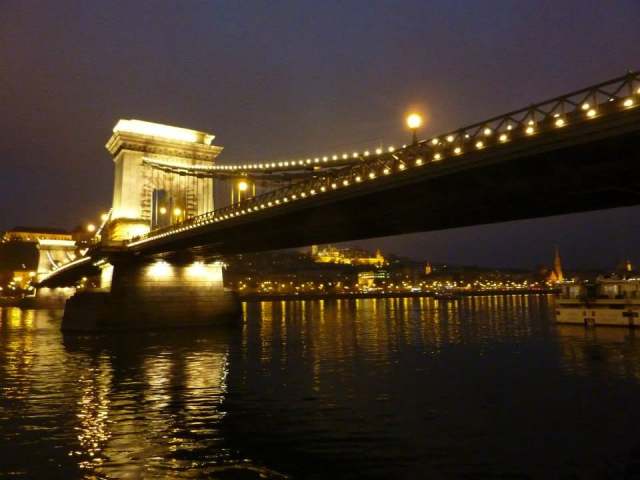
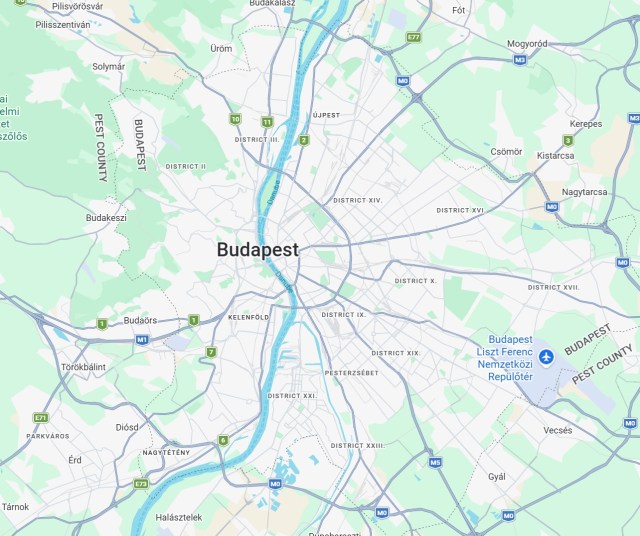
The first thing to understand is that Budapest is far larger than many people expect. While the main attractions are relatively well connected, the city stretches across both sides of the Danube and rewards visitors who allow themselves plenty of time to explore beyond the obvious landmarks.
The next thing to consider is the weather.
Summer is undoubtedly one of the most popular times to visit Budapest. Between June and August, daytime temperatures typically range from 25°C to 30°C (77°F to 86°F), with long sunny days perfect for sightseeing, river cruises and enjoying the city’s famous outdoor cafés. July and August can occasionally be even hotter, with temperatures pushing beyond 35°C during heatwaves.
December, however, offers a very different experience. During the month I visited, average daytime temperatures generally hovered between 3°C and 5°C (37°F to 41°F), while overnight temperatures regularly dropped below freezing.
Snow is possible, although not guaranteed, and the cold air rolling off the Danube can make it feel even chillier. Fortunately, Budapest’s Christmas markets, cosy cafés and thermal baths provide plenty of opportunities to warm up between sightseeing stops.
As a result, visitors travelling during winter should pack accordingly. A warm coat, gloves and comfortable footwear are highly recommended, particularly if you plan on spending long periods exploring the city on foot.
The next thing to consider is the currency. Hungary remains outside the Eurozone and uses the Hungarian Forint (HUF).
At the time of writing, £1 is worth approximately 450 Hungarian Forint, although exchange rates naturally fluctuate. While Hungary is generally more affordable than many Western European destinations, prices in central Budapest have risen in recent years due to its popularity with international tourists.
The good news is that Budapest is extremely card-friendly. Credit and debit cards are accepted almost everywhere, including restaurants, cafés, attractions, public transport ticket machines and even many market stalls. During my visit, there were very few occasions where carrying cash felt necessary.
For UK travellers, Budapest is an exceptionally easy city to visit. Hungary is one hour ahead of the UK, meaning there is virtually no time difference to worry about. Direct flights from London typically take around two and a half hours, making Budapest an ideal destination for a long weekend or short city break.
However, if you’re bringing electronic devices, you’ll need to think about power sockets. Hungary uses Type C and Type F power sockets, operating at a standard voltage of 230V and a frequency of 50Hz.
As with most continental European countries, UK travellers will need a suitable travel adapter. No voltage converter is required, however, as Hungary uses the same voltage as the UK.
Language is another area where visitors generally have little difficulty. Hungarian is the official language and is famously one of Europe’s most unique languages, belonging to the Finno-Ugric family rather than the Germanic, Romance or Slavic language groups that dominate much of the continent.
Fortunately, English is widely spoken throughout Budapest, particularly within hotels, restaurants, bars and tourist attractions. Most visitors will encounter very few communication difficulties during their stay.
That said, locals always appreciate visitors making an effort. “Hello” in Hungarian is Szia, while “thank you” is Köszönöm. Even learning these simple phrases can often result in a friendly smile.
One final thing worth considering is staying connected. Free Wi-Fi is widely available throughout Budapest in hotels, cafés, restaurants and public spaces. Depending on your mobile provider, roaming charges may apply, so it is worth checking before travelling.
Many visitors now choose to use an eSIM, allowing them to stay connected throughout their trip without needing to change physical SIM cards.
With those essentials covered, all that remained was to discover what makes Budapest so special.
Getting there
Getting to Budapest from the UK is wonderfully straightforward. Hungary’s capital has become one of Europe’s most popular city break destinations and, as a result, enjoys excellent air links with Britain throughout the year.
Travellers from the UK have several options when it comes to reaching Budapest. Ryanair operates flights from London Stansted, while Wizz Air serves Budapest from both London Luton and London Gatwick. British Airways also offers services from London Heathrow for those looking for a more traditional full service carrier.
Depending on where you live, there are often additional departures available from regional airports such as Manchester, Birmingham, Edinburgh, Glasgow and Bristol, making Budapest accessible from almost every corner of the UK.
Flight times are relatively short, typically taking around two hours and thirty minutes from London.
For this trip, we chose to fly direct from London Stansted with Ryanair. The total return fare for two people came to just £103.96, which represented excellent value for an international city break.
As with any airline, fares can vary significantly depending on the season, how far in advance you book and whether you’re travelling during peak holiday periods, so prices today are likely to be somewhat higher than when we visited.
Our arrival point was Budapest Ferenc Liszt International Airport, named after the renowned Hungarian composer Franz Liszt. Located approximately 16km south east of Budapest’s city centre, it serves as Hungary’s largest and busiest airport and acts as the country’s principal international gateway.
The airport handled more than 19.6 million passengers during 2025, making it the busiest year in its history and highlighting Budapest’s growing popularity as both a tourist destination and business hub.
Despite those impressive passenger numbers, Budapest Airport remains relatively easy to navigate. Passenger operations are centred around two terminals, Terminal 2A and Terminal 2B, which are connected and function as a single integrated terminal complex. This makes moving through arrivals, departures and security far more straightforward than at many of Europe’s larger airports.
The airport is served by two runways, allowing it to handle a substantial volume of both passenger and cargo traffic throughout the year. Combined with ongoing expansion plans, Budapest Airport continues to strengthen its position as one of Central Europe’s most important aviation hubs.
Facilities include cafés, restaurants, duty free shopping, car hire desks, currency exchange services and public transport connections into the city. During our visit, immigration was efficient, allowing us to begin exploring Budapest without any unnecessary delays.
For a capital city airport handling almost 20 million passengers a year, it felt remarkably well organised. Within a short time of landing, we were making our way towards the banks of the Danube and beginning our Hungarian adventure.
Where to stay
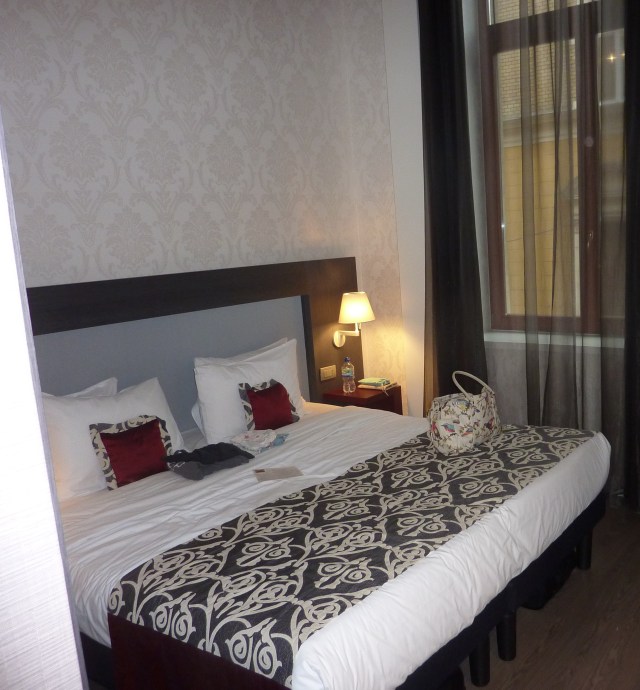
For our stay in Budapest, we chose Hotel Palazzo Zichy, a four star hotel at Lőrinc Pap tér 2, 1088 Budapest.
It sits in the Palace District, just east of the city centre, an area known for its grand historic buildings and close to several of Budapest’s main attractions.
The hotel itself occupies a former neo Baroque palace built for Count Nándor Zichy and retains some of the character of the original building, including its impressive glass roof over the entrance.
The location worked well for exploring Budapest, with the Hungarian National Museum, Great Market Hall, Great Synagogue and Holocaust Memorial Centre all within easy reach. The hotel is also less than 3km from Budapest Nyugati railway station, while the city centre is close enough to explore on foot or by public transport.
The hotel has 80 rooms, with Deluxe, Deluxe rooms overlooking the square and Junior Suites among the options. Our booking was for a superior double or twin room with breakfast, with free Wi Fi and access to the hotel’s sauna and fitness facilities included. The rooms are modern in style and have air conditioning, a minibar, safe, hairdryer, television and Wi-Fi.
Our three night stay, cost £182.60 for the room, including breakfast for two. There was also a £16.60 room discount, bringing the accommodation cost down to £166.00.
Looking at the hotel today, prices will naturally be considerably different, particularly depending on the season and room type, so our price is best viewed as a record of what we paid rather than a guide to current rates.
The hotel remains a four star property, with breakfast served from 7am to 10:30am on weekdays and until 11am at weekends, as well as a wellness area with a sauna and gym.
For a Budapest city break, Palazzo Zichy gives you a nice balance between being close to the main sights and staying somewhere with a bit more character than a standard modern chain hotel.
Getting around
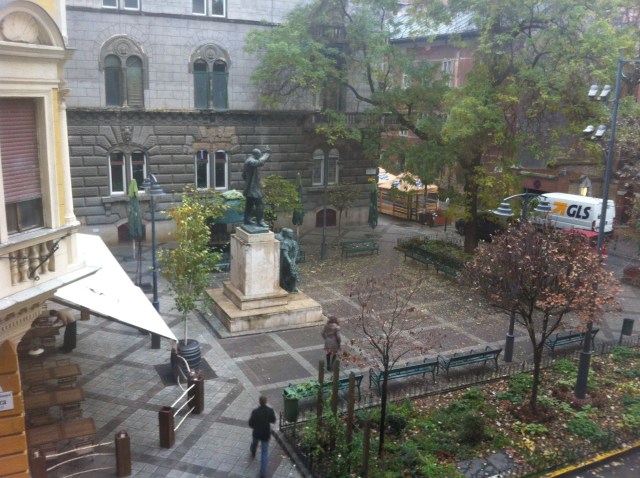
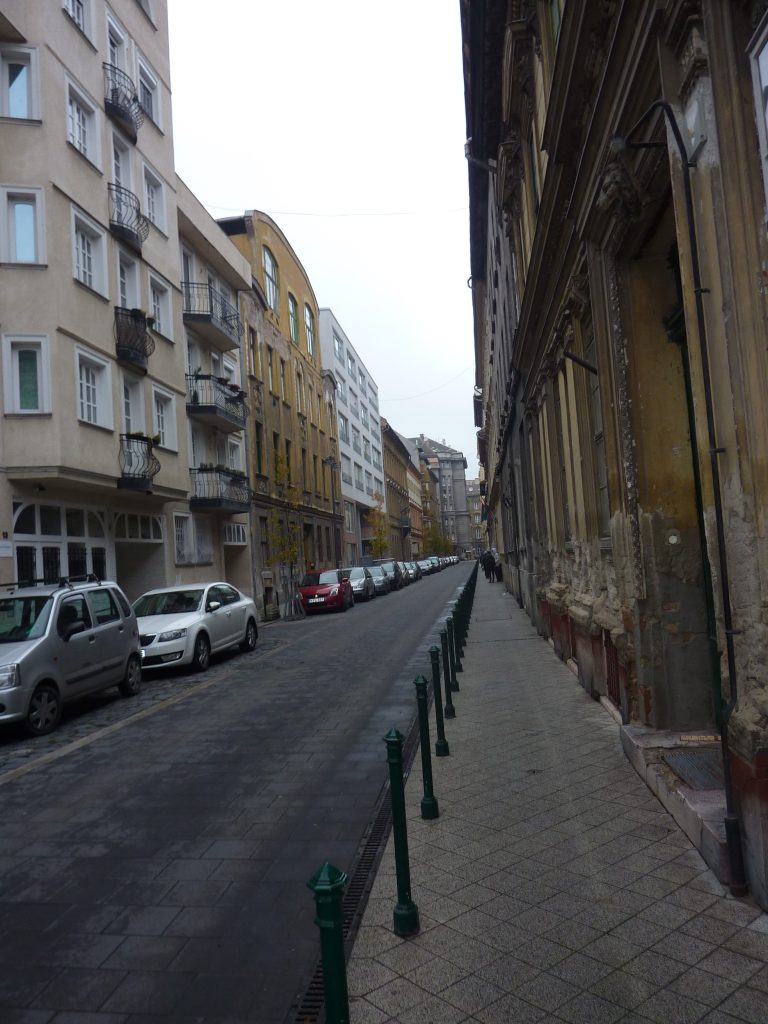
Budapest is a city that lends itself well to exploration. While it is one of the larger capitals in Central Europe, many of its most famous landmarks are concentrated along the banks of the Danube, making it easy to combine sightseeing with simply wandering through the streets and soaking up the atmosphere.
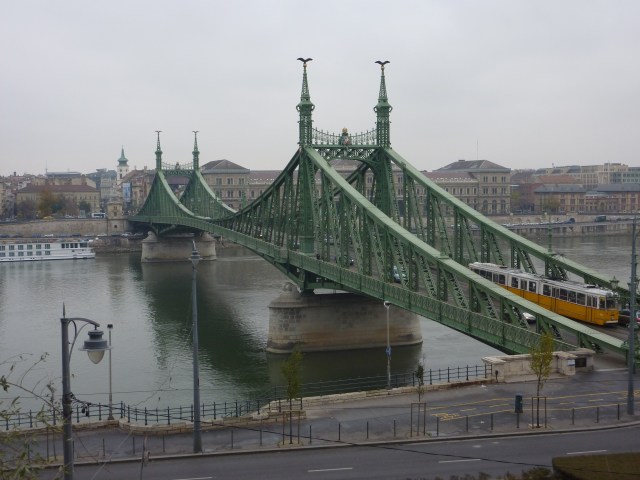
Walking is often the best way to experience the city. Whether you’re strolling along the Danube promenade, crossing the iconic Chain Bridge or exploring the elegant streets around St Stephen’s Basilica and the Hungarian Parliament Building, Budapest rewards those who take their time. The city is packed with impressive architecture, grand boulevards and hidden courtyards, many of which are best discovered on foot rather than through the window of a bus or taxi.
Of course, Budapest is far too large to walk everywhere, and that’s where the city’s excellent public transport network comes into its own.
Many of the main attractions are served by tram routes, making them particularly useful for visitors. One of the most famous routes is Tram 2, which runs alongside the Danube and provides fantastic views of landmarks including the Parliament Building, Buda Castle and several of the city’s historic bridges.
Tickets are inexpensive by UK standards. A single tram ticket costs 500 HUF (about £1.05) if purchased in advance, or 700 HUF (about £1.45) if bought on board. Tickets can be purchased from machines at tram stops, Metro stations and other transport hubs throughout the city. Trams in Budapest run from 4:30am to 11pm with the most important lines running every five to 10 minutes.
We found the tram network clean, reliable and straightforward to use, even as first-time visitors. Combined with walking, it provided everything we needed to explore Budapest comfortably and see the very best of this beautiful city.
Top sites
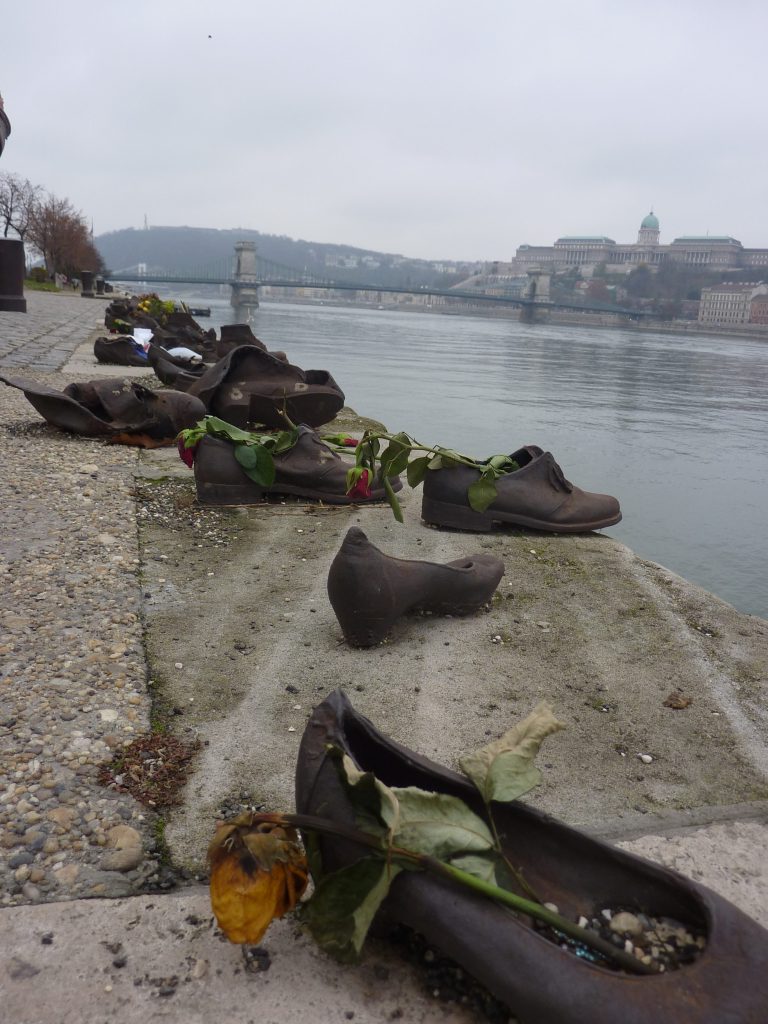
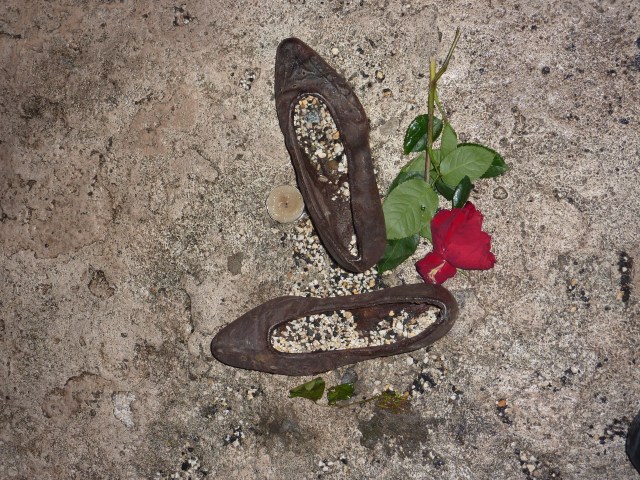
One of the most moving sights in Budapest is the Shoes on the Danube Bank Bank, a Holocaust memorial on the Pest side of the Danube, around 300m south of the Hungarian Parliament Building.
At first glance, it is remarkably simple, consisting of 60 pairs of cast iron shoes fixed to the stone embankment. There are men’s boots, women’s shoes and children’s footwear, all based on styles from the 1940s. The memorial was created by filmmaker Can Togay and sculptor Gyula Pauer and was unveiled on 16 April 2005.
The shoes commemorate Jewish people and other victims who were murdered along the Danube by members of the Arrow Cross Party during the final months of the Second World War. Victims were ordered to remove their shoes before being shot at the river’s edge, with their bodies falling into the Danube and being carried away by the current. Shoes were valuable at the time and could be taken and sold, which is why the memorial uses empty footwear to represent the people who were killed. The memorial’s plaques identify the victims as people shot into the Danube by Arrow Cross militiamen during 1944 and 1945.
There is no entrance fee to visit the Shoes on the Danube Bank, as the memorial sits outside on the public riverside promenade and can be visited at any time. It only takes a few minutes to see, although I would allow longer if you want to take in the memorial properly. Its location also makes it easy to combine with other Budapest sights, particularly the Hungarian Parliament, the Danube Promenade and Chain Bridge. Visitors often leave flowers, candles or small stones in the shoes as a mark of remembrance.
What makes the memorial particularly powerful is its simplicity. There are no large statues or imposing buildings, just a line of ordinary shoes beside the river, representing the people who were forced to leave them behind. Standing there also gives you one of the city’s great views across the Danube towards Buda, but this is a place where the historical significance should take precedence over the scenery.
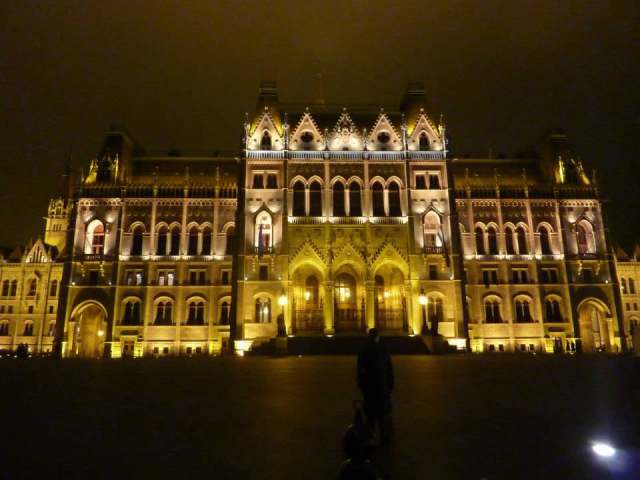
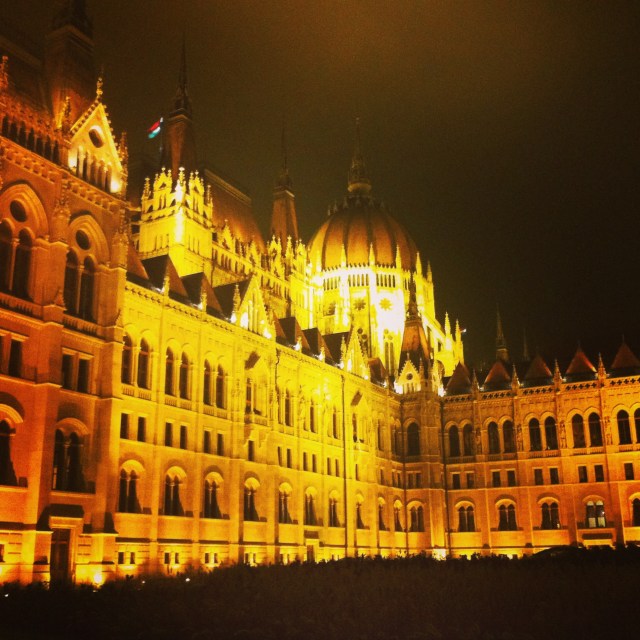
The Hungarian Parliament Building, or Országház, is arguably the most recognisable building in Budapest and one of the city’s unmissable sights. Standing on Kossuth Square on the Pest side of the Danube, its Gothic Revival architecture dominates the riverfront, with its numerous spires and huge central dome creating one of the most impressive cityscapes in Europe. Construction began in 1885, following a competition won by Hungarian architect Imre Steindl, and the building was completed in 1904. It remains the seat of Hungary’s National Assembly and forms part of the UNESCO World Heritage listed landscape along the banks of the Danube.
The scale of the building is difficult to appreciate until you’re standing in front of it. Parliament contains 691 rooms, 28 entrances and 10 courtyards, while its central dome reaches 96m high. The exterior is decorated with 88 statues representing Hungarian rulers, military leaders and historical figures, while the interior features elaborate frescoes, stained glass, sculptures and extensive gold decoration.
It is also possible to go inside Parliament as part of an organised guided tour, which lasts around 45 minutes – although this is not something we did. The route I’m led to believe takes visitors up the impressive Grand Stairway and into the Dome Hall, where the Holy Crown of Hungary and other coronation insignia are displayed. You also get to see some of the building’s richly decorated interiors and the former Upper House chamber. Tours are available in several languages, including English, although Parliament remains a working political building and visits can occasionally be altered or cancelled because of parliamentary or state events.
Even if you don’t go inside, Parliament is impossible to miss when exploring Budapest. The riverside promenade provides an excellent view of the building, while the opposite bank around Buda Castle and Fisherman’s Bastion offers some of the best panoramic views of its entire façade.
I would also recommend visiting Kossuth Square itself, where the scale of the building becomes even more apparent. Whether you admire it from across the Danube or take a tour inside, the Hungarian Parliament Building is one of those Budapest sights that should definitely be near the top of your itinerary.
Rudas Thermal Baths is one of Budapest’s most historic thermal baths and a great place to experience one of the traditions the city is famous for. Located on the Buda side of the Danube at Döbrentei tér, close to Elisabeth Bridge, the baths date back around 450 years to the period of Ottoman rule in Hungary.
The centrepiece is the historic Turkish bath, built during the 16th century, with an octagonal thermal pool sitting beneath a 10 metre diameter dome supported by eight pillars. A swimming pool was added much later in 1896, creating the combination of historic and modern bathing facilities that you can experience today.
The Turkish bath is the main reason to visit, with six thermal pools ranging from 16°C to 42°C, allowing you to move between different temperatures while taking in the atmosphere of the historic building. There is also a 20.5m swimming pool, wellness pools, saunas and a rooftop panorama pool heated to 36°C. The latter is particularly appealing because it overlooks the Danube and gives you views across Budapest while you are relaxing in the thermal water.
One thing worth checking before visiting is the bathing schedule, as access to the historic Turkish bath is not always mixed during the week. On Tuesdays it is reserved for women, while Wednesdays are reserved for men, with mixed bathing in swimsuits available at certain other times.
The entire complex is open every day, although opening hours vary, and visitors must be at least 14 years old. Rudas also offers night bathing on Friday and Saturday evenings from 10pm until 3am, when the Turkish bath, swimming pool, wellness area and rooftop cocktail bar are available for a rather different Budapest experience.
Prices depend on the day and the type of ticket. In 2026, an all zone daily ticket costs 12,000 HUF (about £26) from Monday to Thursday and 15,000 HUF (about £32) from Friday to Sunday, while a fast track ticket costs 15,000 HUF (about £32) or 18,000 HUF (about £39) respectively. Night bathing costs 15,000 HUF (about £32). These prices can change, so it is worth checking the official website before visiting and booking online if you want fast track entry.
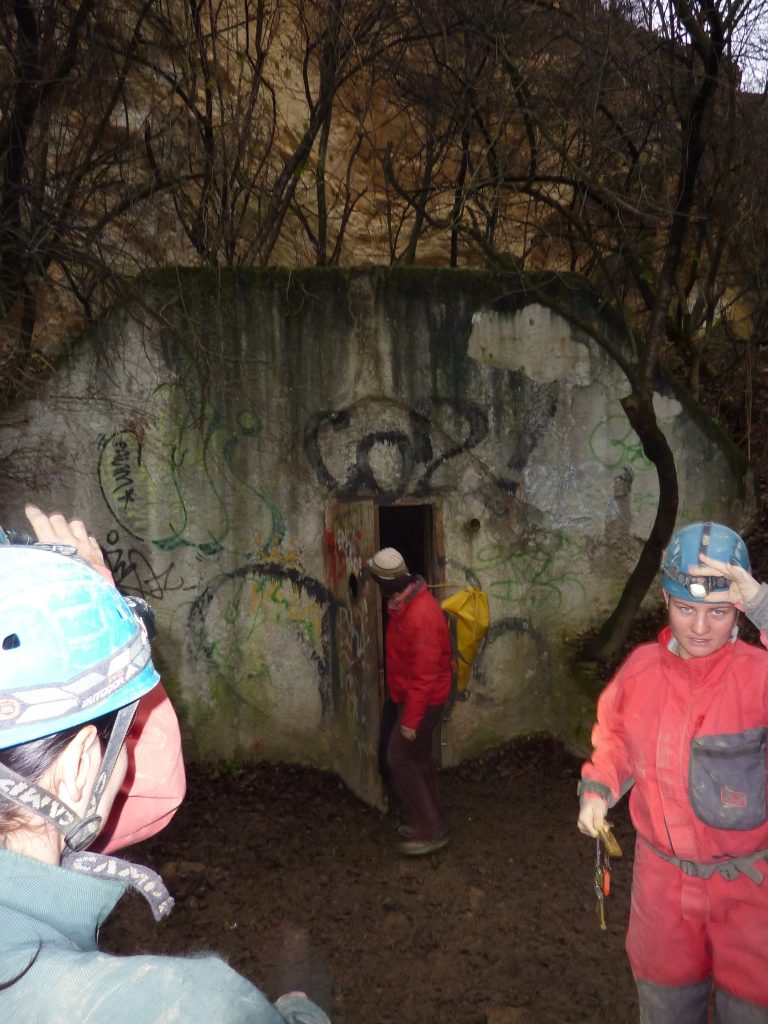
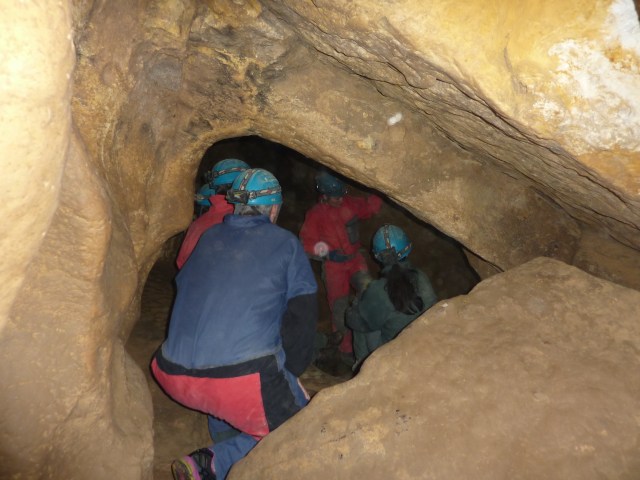
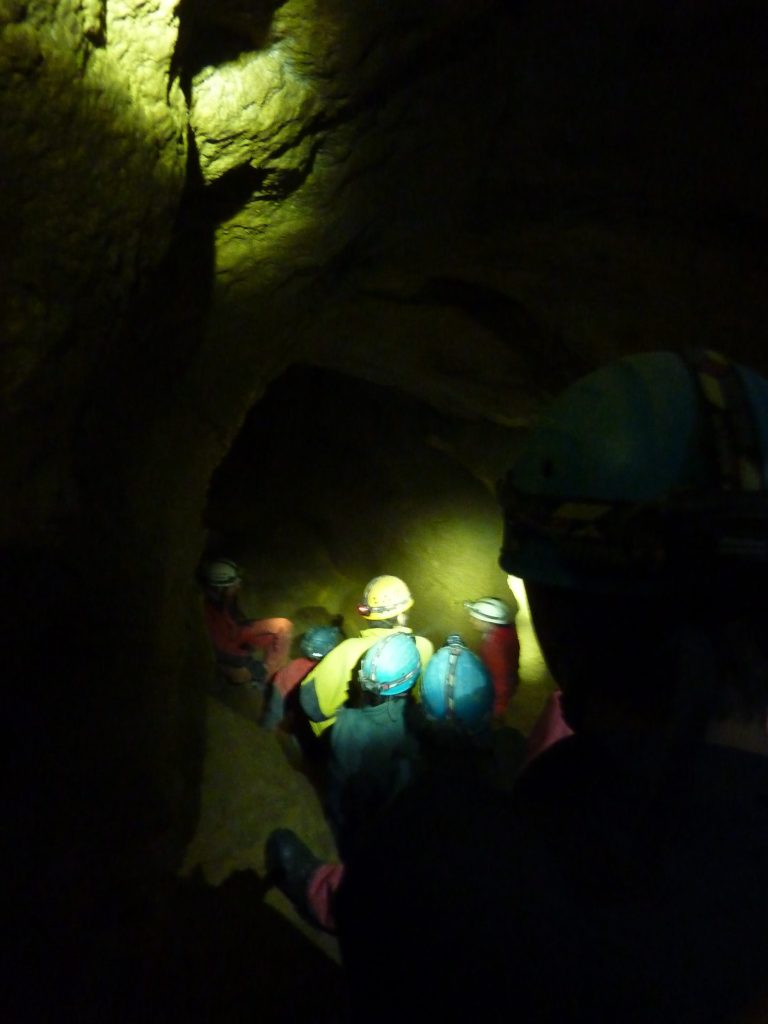
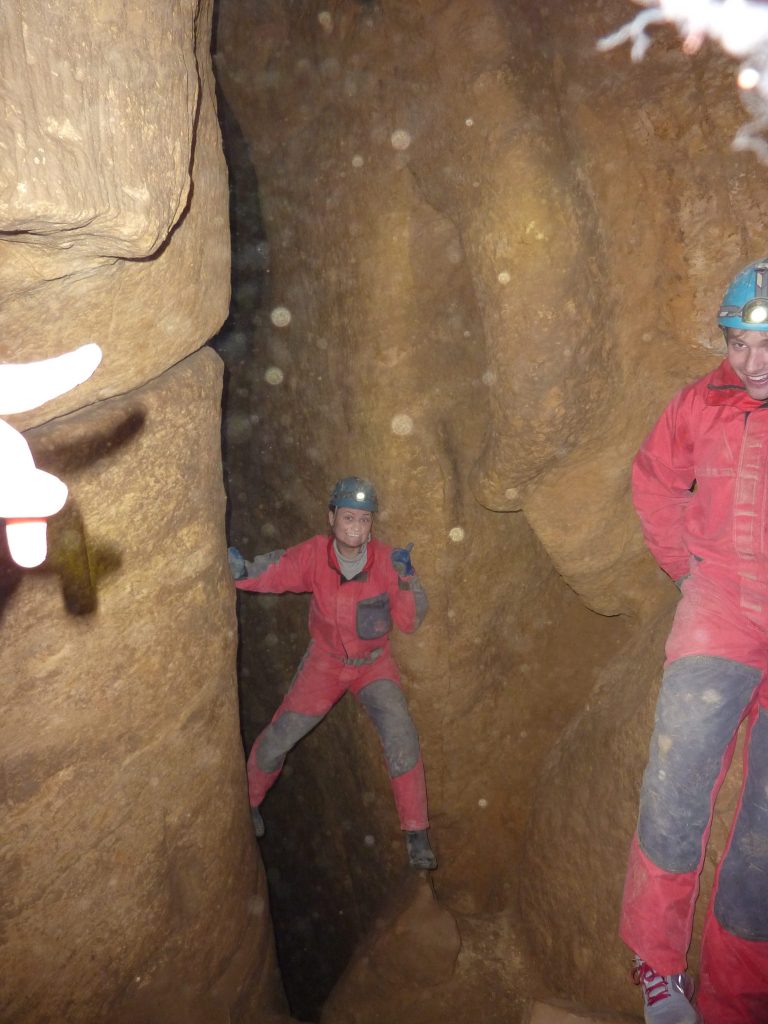
Budapest has a rather unusual attraction beneath its streets, with an extensive network of caves running underneath the Buda Hills. For something completely different from the city’s grand buildings, thermal baths and museums, I headed underground for an adventure caving under Budapest at Mátyás-hegyi Cave.
The cave is part of the Pál-völgyi and Mátyás-hegyi cave system and is reached from Szépvölgyi út in Budapest’s II District, close to the Pál-völgyi Cave. Bus 65 runs from Kolosy tér to the Pál-völgyi cave stop, making it relatively straightforward to reach without a car.
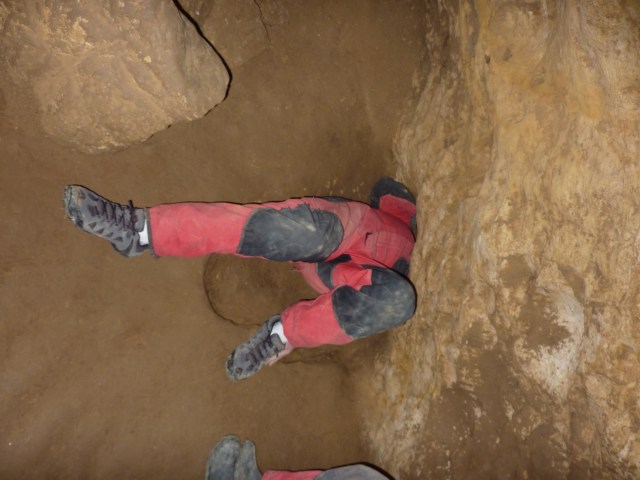
This isn’t a conventional cave tour where you simply follow a constructed path and admire the formations. The Mátyás-hegyi Cave adventure takes place in the undeveloped sections of the cave system, meaning there are no walkways or illuminated passages. Instead, you have to climb, crawl and squeeze your way through the cave, with some sections requiring you to move on all fours or even slide along on your stomach. Despite sounding quite extreme, no previous caving experience is required, although you do need to be reasonably fit and have an adventurous attitude. An overall, helmet and headlamp are provided as part of the experience.
The standard cave adventure costs 14,700 HUF (about £31) per person, while the discounted ticket costs 9,000 HUF (about £19) for eligible visitors aged six to 14. There is also an extreme tour costing 19,900 HUF (about £42) per person, although this has a minimum age of 14. The standard adventure is available from school age upwards, with the tour taking place throughout the year by prior arrangement. The cave team also offers a 3.5 hour team building programme for 19,900 HUF (about £42) per person.
It is muddy, physical and occasionally challenging, but that’s exactly what makes it such a great adventure. If you fancy doing something genuinely unusual during a Budapest trip, Mátyás-hegyi Cave is an experience I’d definitely recommend, particularly if you enjoy activities that are a little more adventurous than traditional sightseeing.
Where to avoid
Budapest is generally a safe and welcoming city to visit, and I found it easy to explore both on foot and using public transport. Violent crime affecting tourists is relatively uncommon, and the city’s main attractions are well used by visitors throughout the year.
However, as with any major European capital, it pays to remain aware of your surroundings, particularly in crowded tourist areas, on public transport and around major transport hubs. Pickpocketing can occur in busy locations such as Váci Street, around popular attractions, on trams and metro services, and at railway stations, so keeping valuables secure and avoiding displaying expensive items unnecessarily is sensible.
The main area where visitors should exercise a little more caution is Budapest’s nightlife scene. While the vast majority of bars and restaurants are perfectly legitimate, there have been reports over the years of tourists being directed into venues where drinks are significantly overpriced or where unexpected charges are added to bills.
If you’re heading out in the evening, it’s worth checking reviews beforehand, confirming prices before ordering and keeping an eye on your drink. As with any city break destination, it’s also wise not to leave drinks unattended or accept drinks from strangers.
Another thing to bear in mind is that Budapest is a surprisingly large city. While many of the headline attractions are concentrated around the Danube, some outer residential districts have little of interest for tourists and can feel isolated, particularly late at night. They’re not necessarily dangerous, but unless you have a specific reason to visit, most travellers will get far more from spending their time around the historic areas of Buda and Pest, the Castle District, the Parliament area, City Park and the main shopping and restaurant districts.
Overall, Budapest isn’t a city with large areas that visitors need to actively avoid. The usual common-sense precautions that you’d take in London, Paris or Prague are generally sufficient here as well. Keep your belongings secure, be aware of your surroundings in crowded places and do a little research before choosing bars or clubs.
Great places to eat
If you’re looking for something a little different from traditional Hungarian food, Padron is a Spanish tapas restaurant in Budapest’s Palace Quarter, at Horánszky utca 10.
The restaurant describes itself as bringing the atmosphere of a relaxed Spanish neighbourhood bar to Budapest, with a focus on simple food, good wine and sharing dishes rather than formal dining. It is a relatively small and informal place, which gives it a lively atmosphere and makes it feel more like somewhere you’d find in Spain than a conventional restaurant in Budapest.
The menu is packed with Spanish favourites, making it a good place to order several smaller dishes and share them around the table. There are classics such as Padrón peppers, tortilla, croquetas de jamón, patatas bravas and gambas pil pil, alongside Spanish meatballs, beef cheek, Basque sausage and lamb shoulder. There is also a good selection of Spanish cured meats and cheeses, including Iberian ham, Serrano ham and Manchego. For dessert, you can finish with crema catalana or chocolate cake with salted caramel.
Prices are relatively reasonable for a restaurant of this type, particularly because the smaller dishes make it easy to order a selection rather than committing to one large main course. Padrón peppers cost 2,200 HUF (about £4.80), tortilla is 1,400 HUF (about £3.10), croquetas de jamón are 2,000 HUF (about £4.40), while patatas bravas cost 2,200 HUF (about £4.80). If you fancy something more substantial, gambas pil pil are 3,900 HUF (about £8.50), beef cheek is 4,200 HUF (about £9.20) and lamb shoulder is 4,800 HUF (about £10.50). Desserts are also reasonably priced, with crema catalana costing 1,800 HUF (about £3.90) and the chocolate cake 2,200 HUF (about £4.80).
What I particularly liked about Padron was the informal approach to eating. Rather than ordering one large meal, you can gradually build up a selection of tapas, trying different flavours as you go. The restaurant’s own description talks about the table quickly filling with dishes, glasses and different flavours, which is exactly the sort of atmosphere that makes Spanish tapas so enjoyable.
If you fancy taking a break from Hungarian cuisine during your Budapest trip, Padron is a great little restaurant to consider, particularly if you’re travelling with someone and can share several dishes.

Useful links
Remember you can follow World Complete on Twitter, Instagram, Pintrest, Tumblr and Facebook send your comments and pictures from your travels using #WorldComplete and #Travel.

