
Copenhagen
Copenhagen is one of those cities that quietly captures your imagination long before you ever set foot there.
Denmark’s capital has built a reputation as one of Europe’s most liveable cities, a place where colourful waterfronts, royal palaces, cutting-edge design and a famously relaxed way of life come together to create something genuinely distinctive.
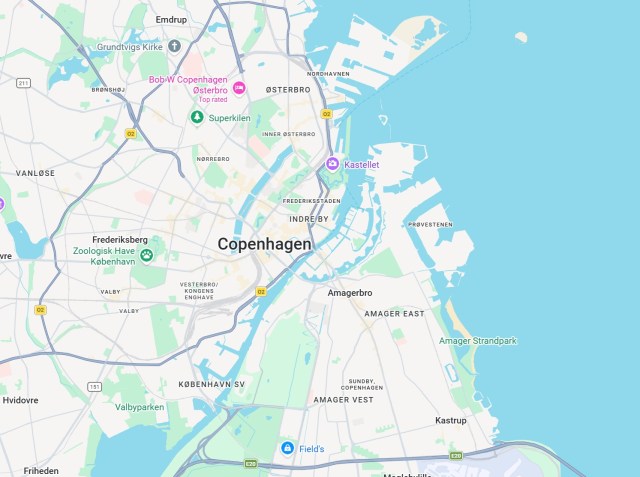
Perched on the eastern coast of Zealand and linked to Sweden by the remarkable Øresund Bridge, Copenhagen serves as both Denmark’s political heart and its cultural centre.
It is a city where centuries-old history sits comfortably alongside modern architecture, where bicycles often outnumber cars, and where sustainability isn’t simply a buzzword but a way of life.
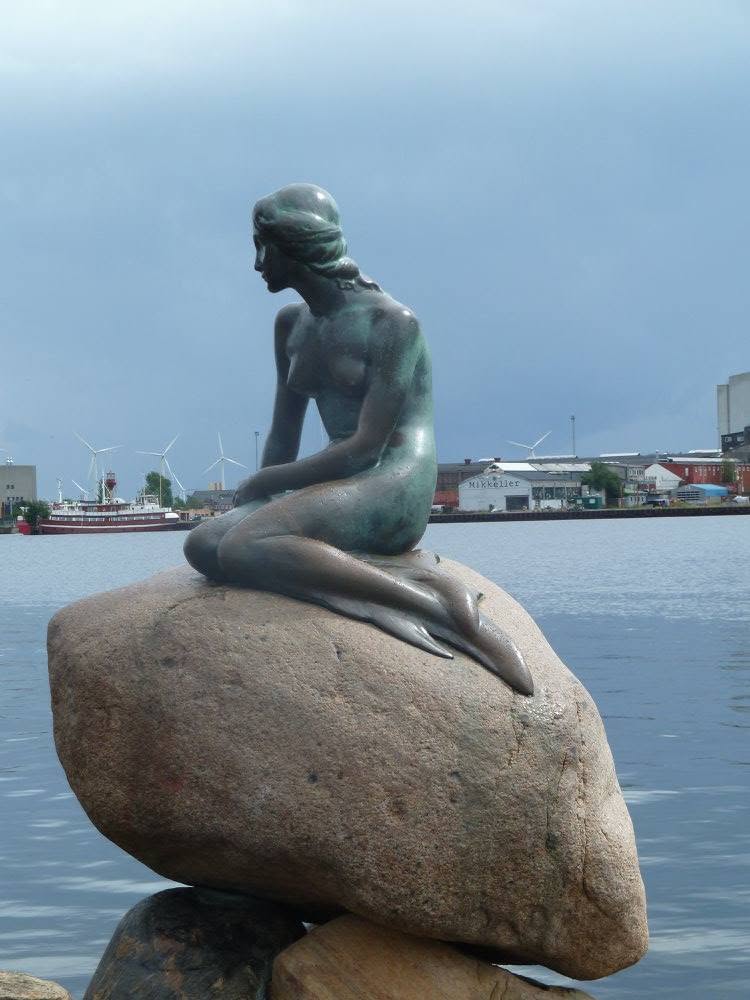
Most visitors arrive expecting to see the Little Mermaid statue, perhaps Denmark’s most famous landmark. What many discover, however, is that Copenhagen offers far more than its diminutive bronze icon might suggest. Behind the postcard image lies a vibrant city packed with fascinating neighbourhoods, world-class food, beautiful canals and a relaxed atmosphere that makes it easy to fall in love with.
My visit took place in July, when Copenhagen is at its most inviting. Long summer days stretch well into the evening, outdoor cafés spill onto the pavements and locals make the most of every opportunity to enjoy the sunshine. It proved to be the perfect time to explore a city that seems designed for wandering.
So what should first-time visitors to Copenhagen know before setting off for Denmark’s charming capital?
The first thing to understand is that Copenhagen isn’t a city of grand spectacles or famous landmarks around every corner. Instead, its appeal lies in the overall experience. This is a city best enjoyed slowly, whether that’s strolling along the colourful waterfront of Nyhavn, cycling through leafy neighbourhoods, watching boats glide through the canals or simply enjoying a coffee in one of the city’s many cafés.
The next thing to consider is the weather.
Summer is undoubtedly one of the best times to visit Copenhagen, with temperatures typically ranging between 20°C and 25°C (68°F to 77°F). The city enjoys long daylight hours during June, July and August, with darkness arriving surprisingly late in the evening.
During July, when I visited, average daytime temperatures hover around 20°C to 21°C (68°F to 70°F), while evenings typically cool to around 13°C to 14°C (55°F to 57°F). While these temperatures may not rival southern Europe, the combination of pleasant weather and almost endless daylight creates ideal conditions for exploring the city on foot.
The currency in Denmark is the Danish Krone (DKK). Although Denmark is a member of the European Union, it has retained its own currency rather than adopting the Euro.
At the time of writing, £1 is worth approximately 8.5 Danish Krone, although exchange rates naturally fluctuate. Denmark has a reputation for being one of Europe’s more expensive destinations, particularly when compared with cities in Central and Eastern Europe, so it is worth budgeting accordingly.
The good news is that Copenhagen is almost entirely cashless. Credit and debit cards are accepted virtually everywhere, from restaurants and hotels to market stalls and public transport. During my visit, there were numerous occasions where I didn’t need cash at all.
For UK travellers, adjusting to life in Copenhagen is refreshingly easy. Denmark is just one hour ahead of the UK, meaning there is virtually no jet lag to contend with. Direct flights from London typically take less than two hours, making Copenhagen one of the most accessible city-break destinations in Europe.
However, if you’re bringing electronic devices, you’ll need to consider power sockets.
Denmark primarily uses Type K and Type E power sockets, operating at a standard voltage of 230V and a frequency of 50Hz.
While many modern hotels provide USB charging points, UK visitors will still require a travel adapter for most electrical devices.
Language is rarely a concern for visitors to Copenhagen. Danish is the official language, but English is spoken to an exceptionally high standard throughout the city. Whether ordering food, asking for directions or checking into a hotel, most travellers will encounter very few communication difficulties.
That said, locals always appreciate a little effort. “Hello” in Danish is Hej, while “thank you” is Tak. Even mastering these two simple words can often earn a smile from those you meet.
One final thing worth considering is staying connected. Free Wi-Fi is widely available throughout Copenhagen, particularly in hotels, cafés, restaurants and public spaces. EU roaming rules no longer automatically apply to UK visitors, so checking your mobile provider’s roaming charges before travelling is advisable.
Many travellers now choose to purchase an eSIM before departure, providing reliable mobile data throughout their stay without the need to swap physical SIM cards.
With those essentials taken care of, all that remained was to discover what makes Copenhagen so special. From colourful harbours and royal palaces to historic streets, fascinating museums and, of course, a certain famous mermaid, Denmark’s capital quickly proved that it offers far more charm than its most famous resident alone would suggest.
Getting there
Copenhagen is one of those European capitals that feels surprisingly close to home. It is only a short flight from the UK, yet within a couple of hours you can find yourself surrounded by colourful harbour buildings, bicycles, Scandinavian design and the unmistakable Danish way of life.
With direct flights from several UK airports, getting there is refreshingly simple – which is exactly how we started our own trip to the Danish capital.
Travellers have plenty of choice when it comes to airlines. British Airways operates services from London Heathrow, while easyJet flies from London Gatwick. Ryanair also serves Copenhagen from London Stansted and a number of regional UK airports. Scandinavian Airlines (SAS), Denmark’s national carrier, offers additional connections from Heathrow, Manchester and other UK cities throughout the year.
Flight times are pleasantly short, typically taking around one hour and fifty minutes from London. Before you know it, the English coastline disappears beneath the clouds and you’re descending over the islands and waterways that surround Denmark’s capital.
For our trip, we flew with Norwegian Air from London Gatwick. I can no longer say exactly what we paid for our flights, but at the time of writing, return fares for a July trip were available from around £133 per person. As always, prices vary considerably depending on when you book, school holiday dates and the popularity of your chosen travel period.
Our arrival point was Copenhagen Airport, known locally as Københavns Lufthavn. Located in Kastrup on the island of Amager, the airport sits approximately eight kilometres south east of Copenhagen’s city centre, making transfers into the city quick and straightforward. In fact, thanks to the excellent rail and Metro connections, it’s possible to go from aircraft seat to city centre café in well under an hour.
Copenhagen Airport is the largest airport in Scandinavia and serves as one of Northern Europe’s most important aviation hubs. In 2025, more than 32.4 million passengers passed through its terminals, the highest annual total in the airport’s history and a reflection of Copenhagen’s growing popularity as both a tourist destination and international transport gateway.
Despite handling such huge numbers, the airport is surprisingly easy to navigate. Passenger operations are centred around two active check in terminals, Terminal 2 and Terminal 3, which are connected and function as part of a single integrated airport complex. Clear signage, efficient security procedures and a generally calm Scandinavian approach to organisation make the whole experience refreshingly stress free.
The airport itself operates three runways, allowing it to accommodate everything from short haul budget flights to long haul services connecting Denmark with destinations across North America, Asia and the Middle East. Its role as a major hub means you’ll often see aircraft from all over the world parked alongside each other on the apron.
Facilities are exactly what you would expect from a major international airport. There are numerous cafés and restaurants, duty free shopping, currency exchange services, car hire desks and direct rail and Metro links into the city. One of Copenhagen Airport’s greatest strengths is how well connected it is, with trains and Metro services running directly from the airport terminal into central Copenhagen within minutes.
For an airport handling more than 32 million passengers a year, the whole experience felt remarkably efficient. There was none of the confusion or endless walking that sometimes comes with larger airports.
Instead, everything seemed designed to get passengers moving quickly and smoothly, allowing us to start exploring Copenhagen almost immediately after landing.

Where to stay
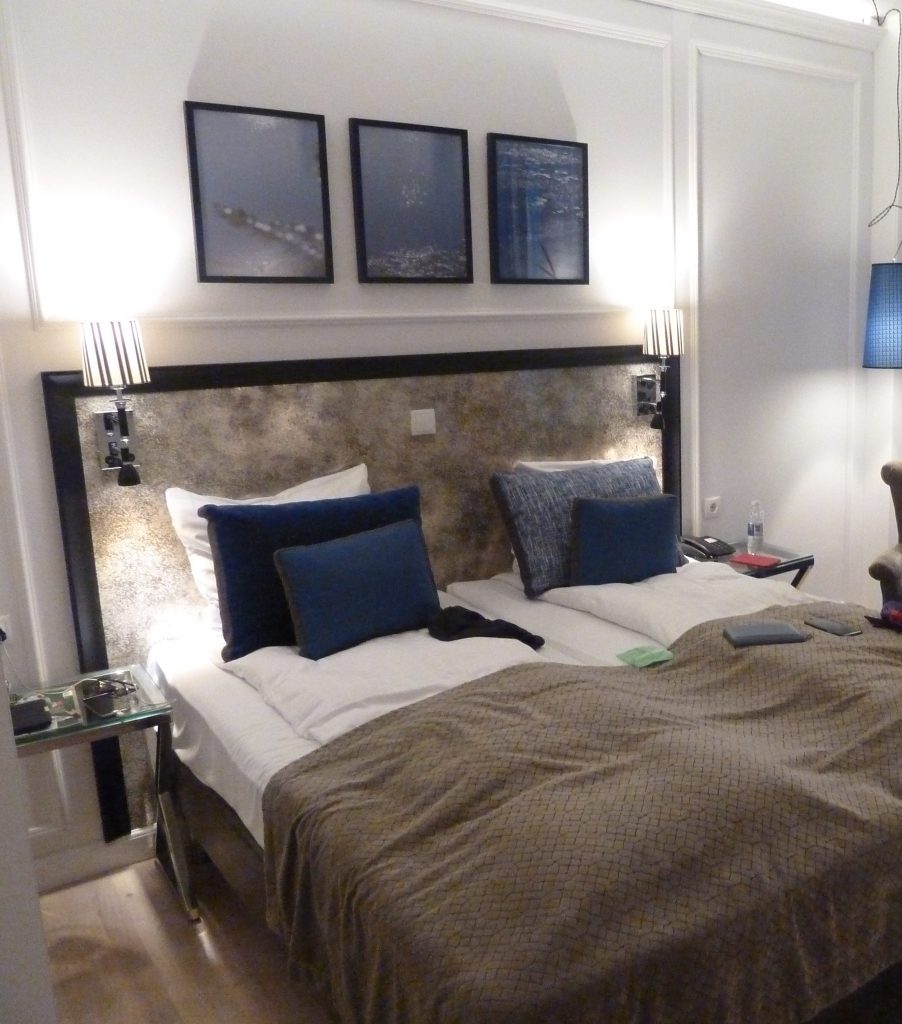
For our stay in Copenhagen, we chose the Absalon Hotel, a four star, family owned hotel in Vesterbro, one of the city’s liveliest neighbourhoods.
You’ll find it at Helgolandsgade 15, 1653 Copenhagen V, just a few minutes’ walk from Copenhagen Central Station, making it a particularly convenient base if you’re arriving by train – as we did – or travelling around the city by public transport.
The location is one of the hotel’s biggest advantages. Vesterbro sits immediately south west of the city centre and has plenty going on in its own right, with restaurants, cafés and bars around every corner.
The famous Kødbyen, Copenhagen’s former Meatpacking District, is nearby, while Tivoli Gardens, Strøget and the main sights of the city centre are all within walking distance. The hotel describes itself as being right in the heart of Vesterbro, and it certainly feels that way when you step outside.
The hotel itself has been welcoming guests since 1938 and now has 161 rooms and suites. Rooms are individually styled with Designers Guild fabrics, with options ranging from the smaller 10–20 square metre Original Rooms through to Superior Rooms, Junior Suites and the 60 square metre Tricia Guild Suite. Standard facilities include Wi-Fi, air conditioning, tea and coffee making facilities and a safe.
Prices in Copenhagen can vary considerably depending on the time of year, room type and how far ahead you book. As a rough guide, I’d budget around £600 to £900 for three nights in July for two people.
The hotel’s advertised starting rates are currently from DKK 895 (£102) per night for some room categories, rising to around DKK 1,495 (£171) for others, although these are starting prices rather than guaranteed July rates.
Breakfast is also available at the hotel, with a buffet including bread, pastries, cheeses, cold meats, eggs, pancakes, yoghurt, cereals, fruit, tea and coffee. It is served from 6:30am on weekdays and until 11am at weekends, which is useful if you want to make an early start exploring Copenhagen.
For me, the Absalon works particularly well because you get a comfortable hotel in a lively part of Copenhagen without being stuck in the middle of the busiest tourist area. Copenhagen Central Station is practically on the doorstep, while many of the main attractions are close enough to reach on foot, giving you the flexibility to explore the city without constantly relying on public transport.
Getting around
One of the things I liked most about Copenhagen was just how easy it is to get around.
Whether you’re arriving from the airport or exploring the city itself, everything feels efficient, well organised and designed to make travelling as simple as possible.
If you’re arriving at Copenhagen Airport like us, getting into the city centre couldn’t be much easier. Both the train and Metro depart directly from Terminal 3, which is connected to the arrivals area. Simply follow the signs after collecting your luggage and you’ll soon find yourself at the transport hub beneath and alongside the terminal.
For most visitors, either option works well. The Metro runs 24 hours a day, seven days a week, and departs every four to six minutes during the day and evening, with less frequent services overnight. Journey times to the city centre are less than 15 minutes, with trains reaching Kongens Nytorv in around 13 to 14 minutes and Nørreport in around 15 minutes.
The train is equally convenient, departing from Terminal 3 and reaching Copenhagen Central Station in around 15 minutes. During the day, services generally run every ten minutes, making it an excellent option if your hotel is close to the central station area.
A standard ticket from the airport to central Copenhagen costs 36 Danish Kroner (about £4.25) and can be used on either the Metro or train. Tickets can be purchased from machines within Terminal 3 before travelling.
One piece of advice I would give if you’re planning to use public transport regularly during your stay, is to consider buying a City Pass.
Designed specifically for visitors, the pass provides unlimited travel on buses, trains, the Metro and harbour buses within selected zones for a fixed period. Options range from 24 hours to five days, allowing you to choose a pass that matches the length of your trip.
At the time of writing, a City Pass Small covering the city centre and airport zones costs 100 DKK (about £11.40) for 24 hours, 160 DKK (about £18.25) for 48 hours, 220 DKK (about £25.10) for 72 hours, 280 DKK (about £32.00) for 96 hours and 340 DKK (about £38.80) for 120 hours.
For visitors planning multiple journeys each day, particularly including airport transfers, the pass can offer both convenience and good value while removing the need to buy individual tickets.
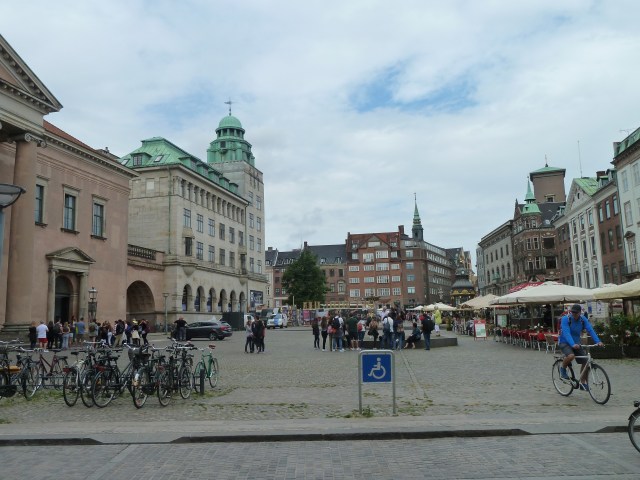
Once you’re in Copenhagen itself, walking is undoubtedly one of the best ways to explore. Despite being Denmark’s largest city, many of the main attractions are surprisingly close together.
During our visit we found ourselves regularly walking between the likes of Tivoli Gardens and the Little Mermaid without needing to rely heavily on public transport.
The city is exceptionally pedestrian friendly, with wide pavements, clearly marked crossings and an atmosphere that encourages you to slow down and enjoy your surroundings. Walking also gives you the chance to appreciate the colourful architecture, picturesque canals and hidden courtyards that make Copenhagen so charming.
Of course, you’ll need to keep an eye out for cyclists. Copenhagen’s cycling culture is famous around the world and bikes often outnumber cars in the city centre.
Dedicated cycle lanes are everywhere and locals move through them at speed, so it’s worth paying attention before stepping across one.
Top sites
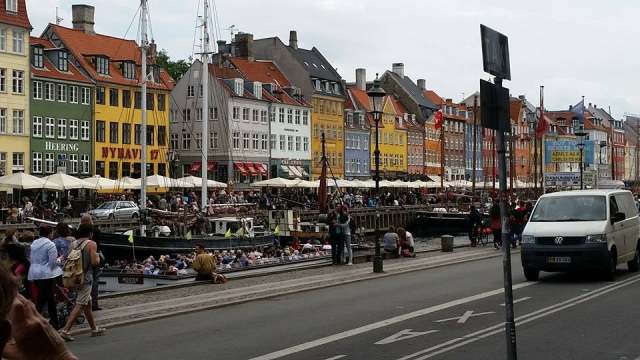
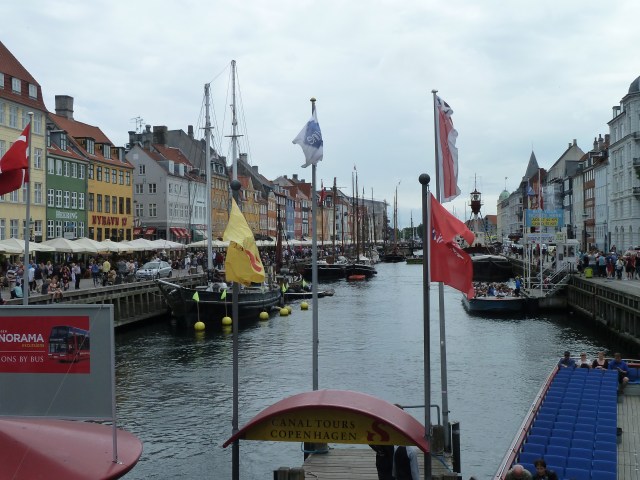
If there is one image that perfectly sums up Copenhagen, it is Nyhavn.
The colourful waterfront district has become the Danish capital’s most recognisable landmark, with its brightly painted townhouses, historic wooden ships and bustling waterside atmosphere appearing on countless postcards, guidebooks and social media feeds.
Located in the heart of the city centre, stretching from Kongens Nytorv towards the Inner Harbour, it is usually one of the first places visitors head when arriving in Copenhagen.
Originally constructed in the 1670s as a working commercial harbour, Nyhavn spent centuries welcoming sailors, merchants and fishing boats into the city. Today, the old warehouses and merchants’ houses have been transformed into cafés, restaurants and bars, while the canal remains lined with beautifully preserved historic vessels.
The area is also closely associated with Hans Christian Andersen, who lived at several addresses along the waterfront and wrote some of his famous fairy tales while residing here.
One of the best things about Nyhavn is that it costs absolutely nothing to visit. The waterfront is open 24 hours a day and can be enjoyed entirely free of charge, making it one of Copenhagen’s most accessible attractions.
Simply wandering along the canal, admiring the colourful buildings and watching boats pass by is an experience in itself. If you wish, you can also join one of the canal tours that depart from Nyhavn, although these carry an additional charge.
What makes Nyhavn worth visiting is not necessarily any single attraction but the atmosphere of the place as a whole. Whether you’re enjoying a morning stroll, stopping for lunch beside the water or simply taking photographs of one of Europe’s most picturesque waterfronts, there is something undeniably charming about it.
For first-time visitors to Copenhagen, Nyhavn is the perfect place to begin.
No visit to Copenhagen would feel complete without seeing the city’s most famous resident, The Little Mermaid.
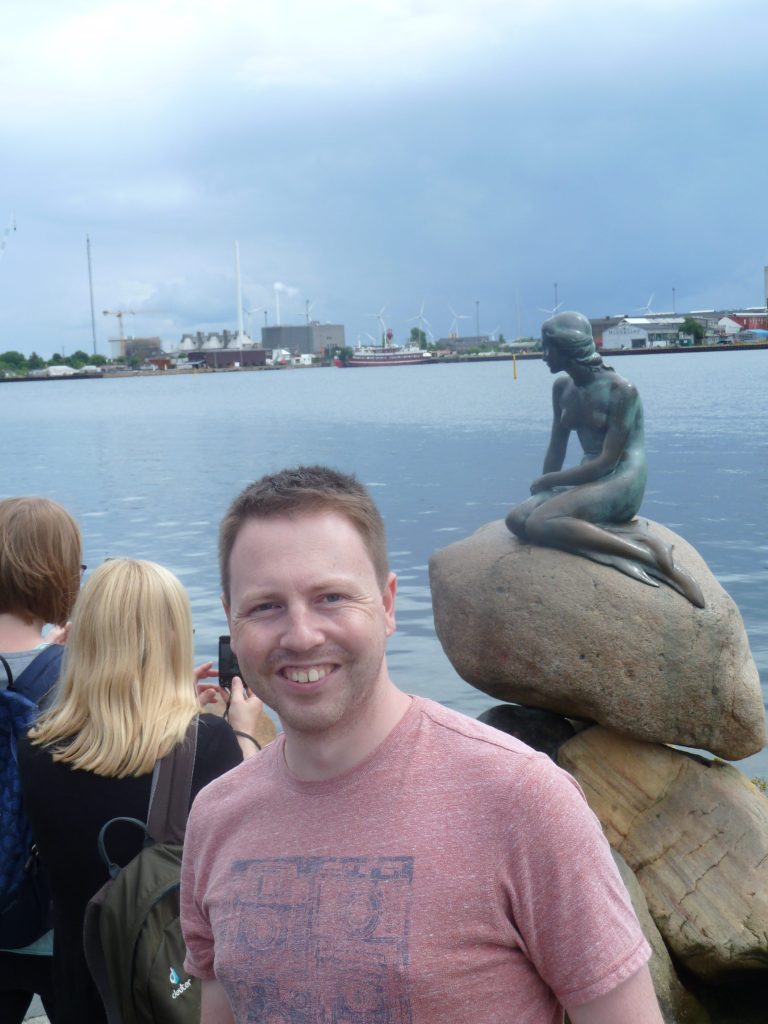
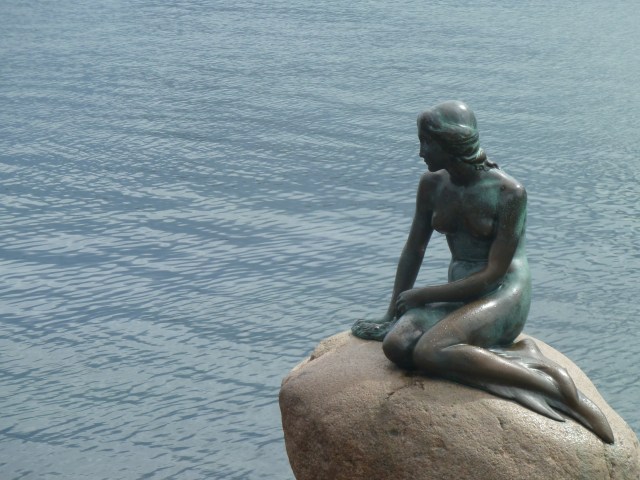
Perched on a rock beside the waterfront at Langelinie, around two kilometres north of Nyhavn, the statue has become an enduring symbol of both Copenhagen and Denmark itself. Despite its relatively modest size, it attracts more than a million visitors each year and remains one of the most photographed landmarks in Scandinavia.
The statue was unveiled in 1913 and was inspired by Hans Christian Andersen’s famous fairy tale of the same name. It was commissioned by Danish brewer Carl Jacobsen, whose family founded the Carlsberg brewery, after he was captivated by a ballet based on the story. The bronze figure, created by sculptor Edvard Eriksen, depicts the mermaid gazing out across the harbour, forever caught between the worlds of land and sea.
One of the best things about visiting The Little Mermaid is that it is completely free. Located on the Langelinie promenade, the statue can be visited at any time of day and is easily reached on foot, by bicycle or via public transport from the city centre. Many visitors choose to combine it with a walk around Kastellet, Copenhagen’s well-preserved star-shaped fortress, which sits just a short distance away.
The statue itself often surprises first-time visitors. Standing just 1.25m tall and weighing around 175kg, it is considerably smaller than many people expect. Yet its size is part of its charm. Rather than dominating the waterfront, it sits quietly overlooking the water, creating a far more intimate experience than many of Europe’s grander monuments.
When I visited, what struck me most was the contrast between the statue’s worldwide fame and its simplicity. There are no elaborate displays, visitor centres or expensive admission fees. Instead, there is simply a bronze mermaid, a harbour backdrop and a connection to one of Denmark’s most beloved stories. It is a reminder that sometimes a city’s most iconic attraction doesn’t need to be its biggest.
For many visitors, seeing The Little Mermaid is a box-ticking exercise. However, when viewed as part of Copenhagen’s wider maritime heritage and literary history, it becomes much more than that. It may be small, but it has become one of the most recognisable statues in the world.
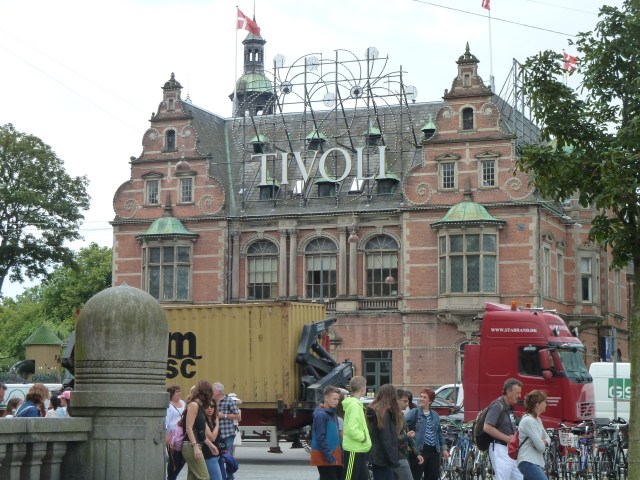
Few attractions are as closely associated with Copenhagen as Tivoli Gardens.
Located at Vesterbrogade 3, 1630 Copenhagen, directly opposite Copenhagen Central Station, Tivoli sits right in the heart of the city and has been entertaining visitors since 1843. Not only is it one of Denmark’s most famous attractions, it is also the third-oldest operating amusement park in the world.
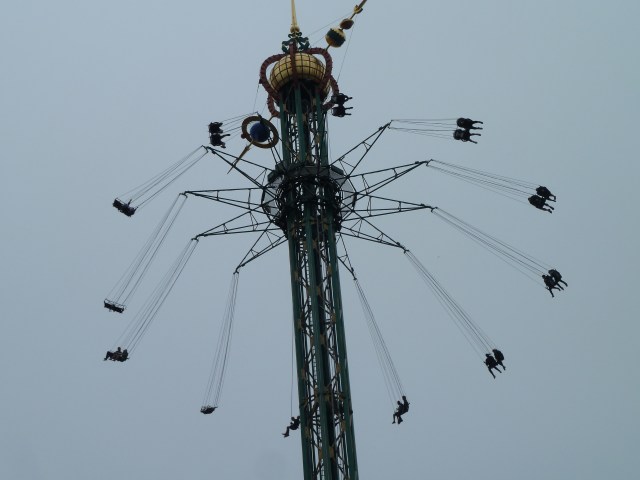
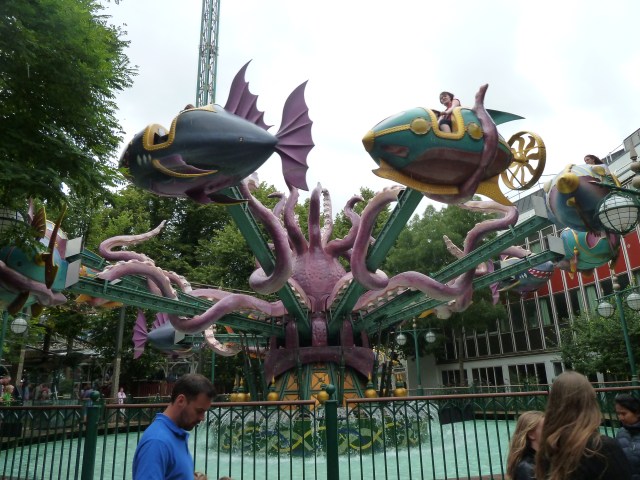
At first glance, Tivoli might appear to be simply a theme park, but it is so much more than that. Behind its gates you’ll find beautifully landscaped gardens, lakes, historic buildings, restaurants, cafés, live entertainment venues and a collection of rides ranging from gentle family attractions to adrenaline-filled rollercoasters.
Throughout the year the park also hosts concerts, theatrical performances, seasonal festivals and special events, helping to create an atmosphere that feels very different from a traditional amusement park.
Entry prices vary depending on the date and season of your visit, but standard admission for adults generally starts from around 150 DKK to 275 DKK (approximately £17 to £31). It’s worth noting that entrance only grants access to the gardens and entertainment areas.
If you wish to enjoy the rides, you’ll need to purchase a separate Ride Pass or a combined admission and Ride Pass package. Combined packages typically start from around 389 DKK to 469 DKK (approximately £44 to £53).
One of the reasons Tivoli is worth visiting is that there is something for everyone, regardless of age. Thrill seekers can enjoy some of Denmark’s most popular rides, while those looking for a more relaxed experience can simply wander through the gardens, enjoy a meal beside the lake or take in one of the many performances included with admission. The park’s central location also makes it easy to combine with other Copenhagen attractions during the same day.
Perhaps the best time to visit is after dark. As evening falls, thousands of lights illuminate the gardens, buildings and pathways, transforming Tivoli into one of the most magical locations in Copenhagen.

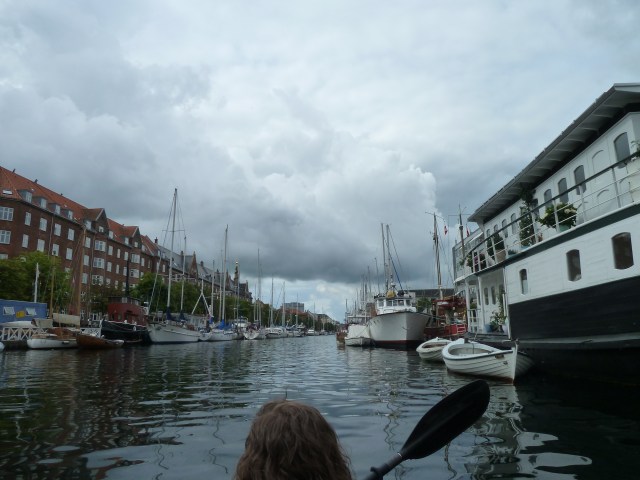
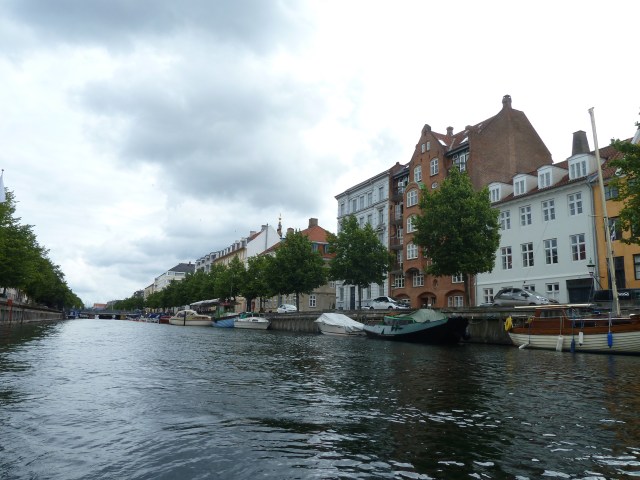
While Copenhagen is a fantastic city to explore on foot, one of the most memorable experiences of my trip was seeing it from the water. With canals weaving through the city centre and a harbour that has been transformed from an industrial port into one of Europe’s cleanest urban waterfronts, Copenhagen offers a completely different perspective when viewed from a kayak.
For this, we rented a kayak from Kayak Republic, located at Børskaj 12, 1221 Copenhagen, between Christiansborg Palace and the National Bank in the heart of the city.
Kayak Republic offers both guided tours and independent kayak hire. Their popular guided City Tour lasts around two hours and takes paddlers through the historic canals, past landmarks such as Nyhavn, Christiansborg Palace and Christianshavn, all while learning about the city’s history from experienced guides. Guided tours start from around 445 DKK per person (approximately £51).
We opted to rent kayaks and explore independently, which allowed us to take things at our own pace and enjoy the city from a unique angle.
Single kayak hire starts from around 195 DKK per hour (approximately £22), with all the necessary equipment provided, including a paddle and life jacket. No previous kayaking experience is required for the sit-on-top kayaks used by most visitors.
What makes the experience so enjoyable is the opportunity to glide quietly through areas that are often busy on foot. From the water you pass beneath historic bridges, alongside colourful waterfront buildings and past houseboats that give parts of Copenhagen a distinctly relaxed atmosphere. Landmarks that feel familiar from street level suddenly look completely different when viewed from the water.

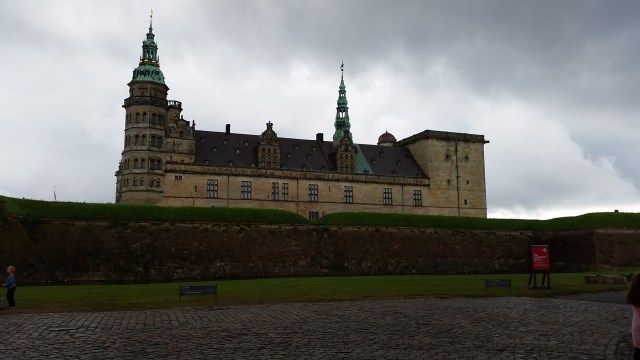
If you’re looking to escape Copenhagen for a few hours and experience some of Denmark’s rich history, a Kronborg Castle day trip is an excellent choice.
Located in the coastal town of Helsingør, around 45km north of the capital, Kronborg is one of Northern Europe’s finest Renaissance castles and has been recognised as a UNESCO World Heritage Site. It is perhaps best known around the world as Elsinore, the setting for Shakespeare’s Hamlet.
For our visit, we booked a day trip through Civitatis, which provided a simple and hassle free way to explore the castle without worrying about organising transport independently.
However, Kronborg is also easy to reach by train from Copenhagen, with direct services departing regularly from Copenhagen Central Station and taking around 45 to 50 minutes to reach Helsingør. From there, it’s a pleasant ten minute walk along the waterfront to the castle itself.
The castle sits in a commanding position overlooking the Øresund Strait, the narrow stretch of water separating Denmark and Sweden.
For centuries this location made Kronborg one of the most strategically important fortresses in Northern Europe, allowing Danish kings to control shipping entering and leaving the Baltic Sea. The result is an imposing structure of towers, ramparts, courtyards and grand halls that feels every bit as impressive as its reputation suggests.
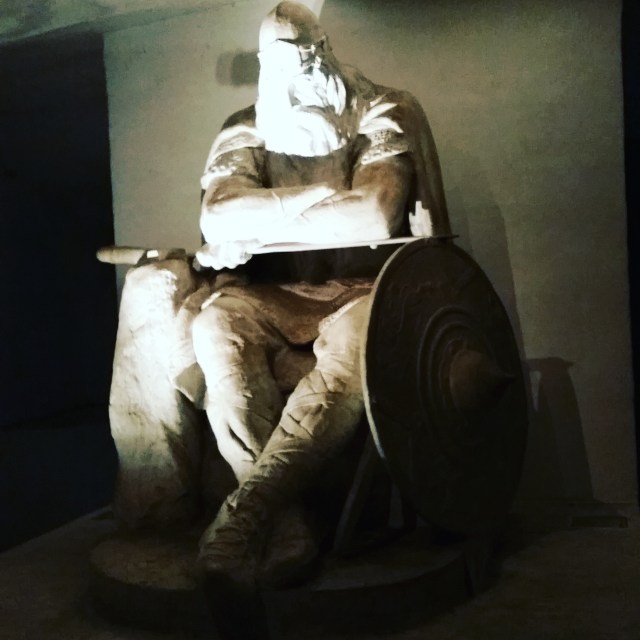
Inside, visitors can explore lavish royal chambers, historic ballrooms, exhibitions on Danish history and the famous underground casemates. These dark tunnels beneath the castle walls are home to the legendary statue of Holger Danske, a mythical Danish hero said to remain asleep until Denmark faces its greatest hour of need. The castle also offers spectacular views across the sea towards Sweden from its defensive walls and towers.
One of the highlights for many visitors is the castle’s connection to Hamlet. Although Shakespeare almost certainly never visited Denmark himself, Kronborg became immortalised as Elsinore in his famous tragedy. Today, the castle fully embraces that connection, with exhibitions, guided tours and seasonal performances helping bring the story to life.
Kronborg is generally open daily from 10am until 5pm during the main visitor season. Adult admission costs 150 DKK (approximately £17), while children under 18 can visit free of charge. Online bookings are slightly cheaper at 135 DKK (approximately £15).
Where to avoid
Denmark consistently ranks among the safest countries in the world, and Copenhagen is one of those cities where it’s easy to feel comfortable exploring on foot both during the day and in the evening. Throughout our visit, we found the city to be clean, welcoming and exceptionally easy to navigate.
If I were to highlight one attraction that some repeat visitors might choose to skip, it would probably be The Little Mermaid. While – as previously mentioned – it is undoubtedly Copenhagen’s most famous landmark and well worth seeing on a first visit, those returning to the city may find their time better spent exploring some of Copenhagen’s lesser known neighbourhoods, canals and cultural attractions.
From a safety perspective, Copenhagen presents very few concerns for tourists. Violent crime is rare, and most visits are trouble free. As with any major European city, however, it is sensible to remain aware of your surroundings in busy tourist areas, railway stations and on public transport where opportunistic pickpocketing can occasionally occur. Keeping valuables secure and avoiding leaving phones or wallets unattended is usually more than sufficient.
The areas around Copenhagen Central Station and parts of the Nørrebro district have historically had a reputation for being slightly rougher than the rest of the city, particularly late at night. However, even these areas are generally far safer than many equivalent districts in other European capitals and are visited daily by both locals and tourists without issue. Common sense rather than concern is usually all that’s required.
Before travelling, it’s always worth checking the latest UK Government travel advice for Denmark. The Foreign, Commonwealth & Development Office provides up to date information on entry requirements, local laws, transport disruptions and any issues that may affect visitors. Denmark is considered a very safe destination for British travellers, but official guidance is always useful to review before departure.
Ultimately, Copenhagen is a city best approached with curiosity rather than caution. There are very few places that warrant avoiding altogether, and much of the enjoyment comes from simply wandering its streets, exploring its waterfronts and discovering the character of its different neighbourhoods.
If you exercise the same sensible precautions you would anywhere else, you’ll likely find Copenhagen to be one of the safest and most enjoyable cities you’ll visit in Europe.

Great places to eat
One restaurant I particularly enjoyed in Copenhagen was MaMeMi, a Roman Italian pizzeria in Vesterbro, just off Istedgade on Mysundegade.
The restaurant is only a few minutes’ walk from Enghave Plads and the Vega concert venues, making it a convenient option if you’re exploring this part of Copenhagen. It has a relaxed and welcoming atmosphere, with the focus very much on Italian food, wine and good quality ingredients.
The speciality at MaMeMi is Roman style pizza, which is noticeably different from the Neapolitan pizzas you might be more familiar with. The bases are thin and crispy rather than soft and doughy, with the restaurant describing them as having a characteristic crunch.
The toppings are also relatively minimalist, allowing the individual ingredients to stand out. The menu included pizzas such as Carbonara, Amatriciana, Cacio e Pepe, Mortadella and Gorgonzola, as well as more unusual combinations such as guanciale with caramelised onions, provola cheese, Danish apples and balsamic glaze. There were also vegetarian and vegan options, while all of the pizzas could be made with gluten free dough.
Prices were fairly typical for a good quality restaurant in Copenhagen, with pizzas currently costing between 155 DKK (around £17.90) and 170 DKK (around £19.60). There are also starters, with an antipasti selection available for 189 DKK (around £21.80), while desserts such as homemade tiramisu and chocolate fondant cost around 78 DKK (around £9) and 80 DKK (around £9.20) respectively. If you want to make more of an evening of it, MaMeMi also offers a set menu costing 395 DKK (around £45.60) per person, including antipasti, a pizza and dessert.
What I liked about MaMeMi was that it felt like more than simply somewhere to grab a pizza. The combination of the crispy Roman style base, carefully chosen toppings, Italian wines and relaxed Vesterbro setting made it a good place to sit down and enjoy a proper meal.
If you’re looking for something a little different from the usual pizza while exploring Copenhagen, MaMeMi is well worth adding to your list.

Another restaurant worth considering in Copenhagen is Sticks’n’Sushi at the Tivoli Hotel, which occupies the 12th floor of the hotel’s Harbour Tower on Arni Magnussons Gade.
It is just south of the main city centre, close to Kalvebod Brygge and Vesterbro, and the elevated position gives the restaurant panoramic views across Copenhagen. There is also a large rooftop terrace, which opens for outdoor dining when the weather allows.
As the name suggests, the menu combines sushi with grilled Japanese sticks, with the food bringing together Japanese traditions and Danish simplicity. Alongside freshly prepared sushi, you can choose from grilled yakitori, rice paper rolls, salads and desserts, while the bar serves cocktails and sake.
The restaurant has an open kitchen and a stylish interior, with large windows making the views across Copenhagen a big part of the experience. On a clear day, you can see across the city towards the Zoo Tower.
Prices are towards the more expensive end of Copenhagen dining, with the restaurant’s current price range sitting at around 300 DKK (around £34) to 900 DKK (around £101) per person depending on what you order. There is also a special Nothing Beyond premium menu available exclusively at the Tivoli Hotel and Tivoli Haven.
If you happen to be visiting on a Saturday, the restaurant also offers a Bottomless Lunch from 12pm to 5pm for 599 DKK (around £67) per person, including 90 minutes of unlimited drinks alongside a selection of sushi, starters and grilled sticks.
For me, the main attraction of Sticks’n’Sushi at the Tivoli Hotel is the combination of the food and the setting. You’re not simply going out for sushi, as the views from high above Copenhagen make the meal feel like part of the sightseeing experience too.
The rooftop terrace would be particularly appealing on a warm day, while the floor to ceiling windows mean you can still enjoy the views when you’re eating inside. It is therefore a good choice if you’re looking for somewhere a little more special during your time in Copenhagen, particularly for an evening meal overlooking the city.

Useful links
Remember you can follow World Complete on Twitter, Instagram, Pintrest, Tumblr and Facebook send your comments and pictures from your travels using #WorldComplete and #Travel.

