
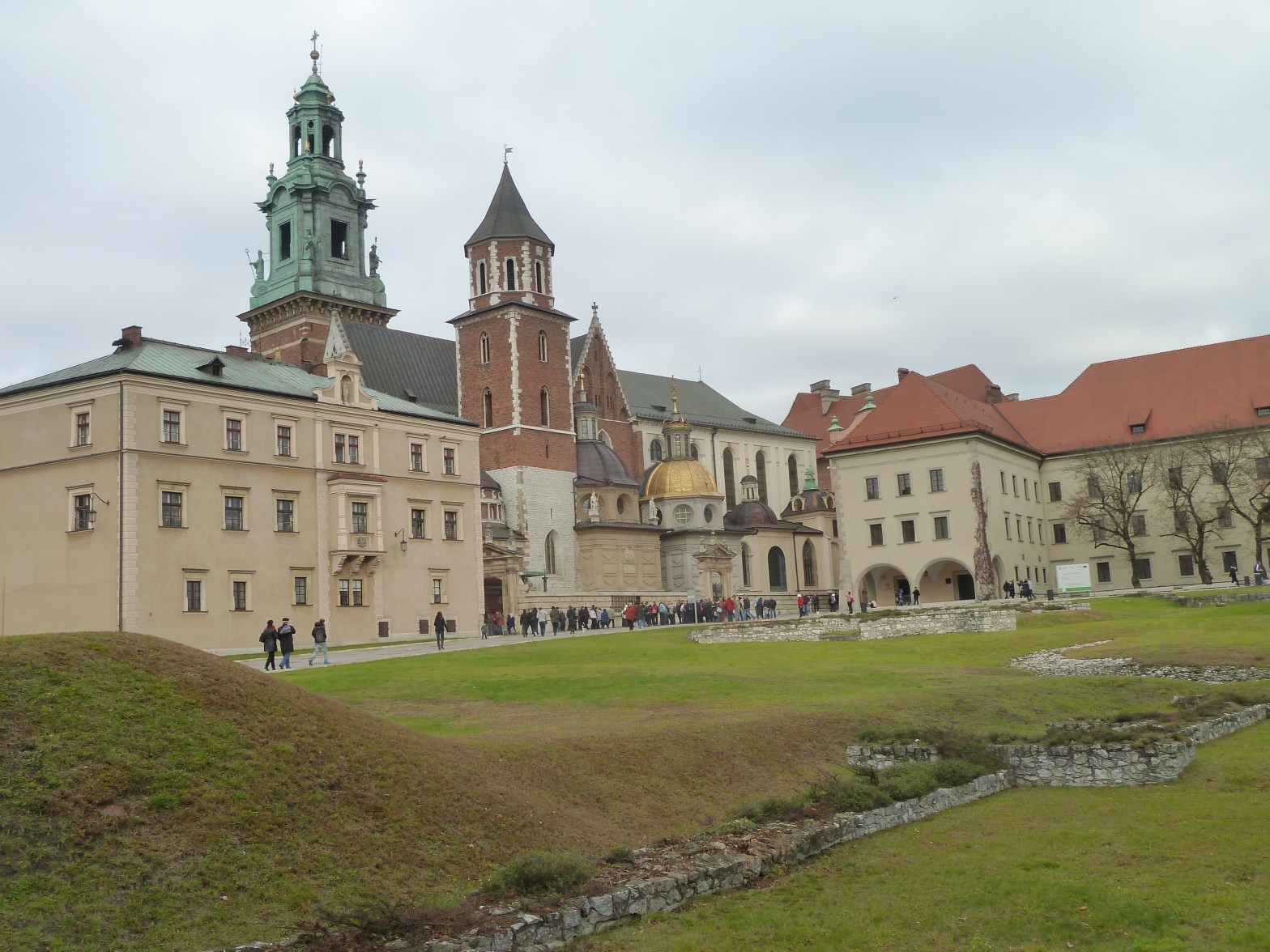
Kraków
Kraków is one of those cities that leaves an impression long before you arrive.
Poland’s former royal capital has spent centuries at the heart of the nation’s story, surviving wars, occupations and political upheaval to emerge as one of Europe’s most beautiful and culturally significant cities.
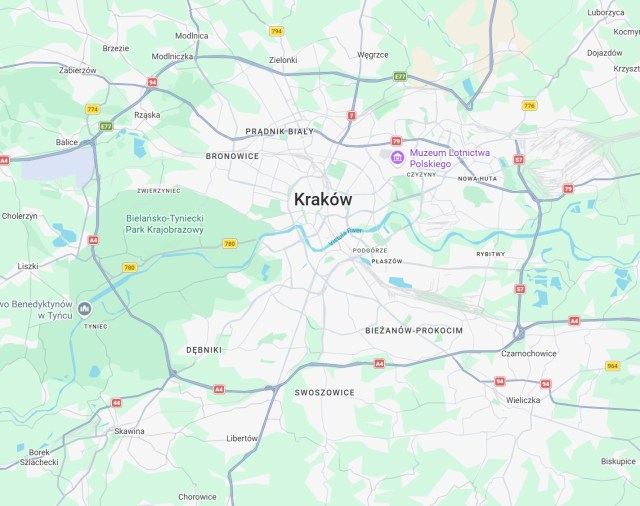
Situated on the banks of the Vistula River in southern Poland, Kraków is a place where history feels ever-present. Medieval squares, Gothic churches and grand Renaissance buildings sit alongside reminders of more recent events that shaped not only Poland, but the wider world.
It is a city of remarkable contrasts – one moment you can be admiring the architectural splendour of Wawel Castle, the next reflecting on some of humanity’s darkest chapters at nearby Auschwitz-Birkenau.
For many visitors, Kraków’s appeal lies in this unique combination of beauty and history. The city’s magnificent Old Town is among the finest in Europe, its cafés and cobbled streets buzzing with life throughout the year. Yet beyond the postcard-perfect views lies a deeper story, one that makes Kraków both fascinating and profoundly moving.
My visit took place in December, when the city takes on an entirely different character. Christmas lights illuminate the medieval streets, festive markets fill the Main Square and the scent of mulled wine drifts through the cold winter air. It is a magical time to visit, although one that requires a few extra layers.
So what should first-time visitors to Kraków know before travelling to Poland’s historic southern capital?
The first thing to understand is that Kraków is far more than simply a gateway to Auschwitz.
While the former concentration and extermination camp is undoubtedly one of the most important and moving places to visit in the region, Kraków itself deserves several days of exploration. Its historic centre, museums, churches and vibrant food scene make it one of Europe’s great city-break destinations.
The next thing to consider is the weather.
Summer in Kraków is generally warm and pleasant, with temperatures often ranging between 22°C and 28°C (72°F to 82°F). Long daylight hours and outdoor dining make June, July and August particularly popular months to visit.
December, however, is a very different experience. During the month I visited, average daytime temperatures typically hovered between 2°C and 4°C (36°F to 39°F), while overnight temperatures frequently dropped below freezing to around -3°C (27°F). Snow is always a possibility, and while there is no guarantee of a white Christmas, the colder conditions add to the city’s festive atmosphere.
Warm clothing is therefore essential if visiting during winter. A good coat, gloves and sturdy footwear will make exploring the city’s cobbled streets far more comfortable, particularly if you’re planning to spend long periods outdoors.
The next thing to consider is the currency. Poland uses the Polish Złoty (PLN) rather than the Euro. At the time of writing, £1 is worth approximately 5 Polish Złoty, although exchange rates naturally fluctuate.
Fortunately, Poland is extremely card-friendly and credit and debit cards are accepted almost everywhere. From restaurants and bars to museums and public transport, I found it rare to encounter a situation where cash was essential. Nevertheless, it can still be useful to carry a small amount of local currency for markets, smaller shops or emergencies.
For UK travellers, adjusting to life in Kraków is refreshingly straightforward. Poland is just one hour ahead of the UK, meaning there is little concern about jet lag. Direct flights from London typically take around two and a half hours, making Kraków one of the easiest and most accessible city-break destinations in Central Europe.
However, if you’re bringing electronic devices, you’ll need to consider power sockets. Poland uses Type E power sockets, which run on a standard voltage of 230V and a frequency of 50Hz.
UK travellers will therefore need a suitable plug adapter, although no voltage converter is required as the voltage is the same as in the UK.
Language is another area where visitors generally have little difficulty. Polish is the official language, and while it can appear intimidating to English speakers at first glance, many people working in hotels, restaurants and tourist attractions speak good English, particularly in Kraków’s city centre.
That said, making an effort to learn a few basic phrases is always appreciated. “Hello” is Cześć, “thank you” is Dziękuję, and “goodbye” is Do widzenia. Even attempting a few words often results in a warm smile from locals.
One final thing worth considering is how to stay connected. Free Wi-Fi is widely available throughout Kraków in hotels, cafés, restaurants and many public spaces. Depending on your mobile provider, roaming charges may apply, so it is worth checking before you travel.
Many visitors now choose to purchase an eSIM before departure, allowing them to access maps, transport information and translation apps without worrying about unexpected charges.
With these essentials covered, I was ready to explore one of Europe’s most captivating and underappreciated cities.
Getting there
Poland’s second city has become one of Europe’s most popular destinations for short breaks, attracting visitors with its beautiful Old Town, fascinating history and easy access to sites such as Auschwitz Birkenau and the Wieliczka Salt Mine. As a result, there are plenty of direct flight options available from across Britain.
Travellers can choose from several airlines and departure airports. EasyJet operates services from London Gatwick, while Ryanair flies from airports including London Stansted and Manchester. British Airways also offers flights from London Heathrow, and depending on the season there are often additional routes from airports such as Bristol, Birmingham, Edinburgh and Glasgow.
Flight times from the UK are pleasantly short. From London, the journey typically takes around two and a half hours, making Kraków an ideal destination for a long weekend away.
For our visit, we flew with EasyJet from London Gatwick. The total cost came to £418 for two people. It is worth noting, however, that this figure included not only the return flights but also three nights in our hotel (which will be covered in the next section of this blog), which represented excellent value overall. Naturally, prices fluctuate throughout the year depending on demand, school holidays and how far in advance you book.
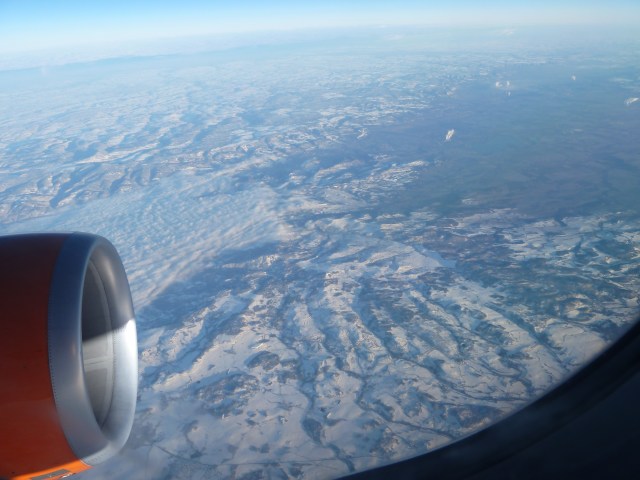
Before long, the aircraft began its descent over southern Poland and we arrived at Kraków John Paul II International Airport.
Located approximately 11km west of Kraków’s city centre near the town of Balice, the airport serves as the main gateway to southern Poland and is the country’s second busiest airport after Warsaw. It is named after Pope John Paul II, who was born in nearby Wadowice and served as Archbishop of Kraków before becoming Pope in 1978.
The airport has grown significantly in recent years. In 2025, it welcomed more than 11 million passengers, reflecting Kraków’s increasing popularity among both tourists and business travellers. Today it serves destinations across Europe, the Middle East and beyond, making it one of Central Europe’s most important regional airports.
Unlike some larger European airports that seem to require a map and compass to navigate, Kraków Airport is refreshingly straightforward. Passenger operations are centred around one main integrated terminal, making arrivals and departures simple and efficient. During our visit, baggage collection was quick and it wasn’t long before we were heading towards the city centre.
The airport operates a single concrete runway measuring over 2,500m in length, capable of handling everything from low cost carriers to larger commercial aircraft. Despite having only one runway, it comfortably accommodates millions of passengers each year.
Facilities include cafés, restaurants, duty free shopping, car hire desks, currency exchange services and direct rail links into Kraków. One of the airport’s biggest advantages is its excellent connection to the city centre, with trains taking around 20 minutes to reach Kraków Główny, the city’s main railway station.
Where to stay
As with most popular European city break destinations, Kraków offers accommodation to suit virtually every budget. Whether you’re looking for a luxury hotel overlooking the Old Town, a budget friendly hostel or a self catering apartment, you’ll find plenty of options scattered across the city.
For our visit, we stayed at the Hotel Maksymilian, a charming three star hotel located at Karmelicka 36 in Kraków’s historic Old Town district. The location proved to be one of the hotel’s biggest strengths.
Situated just a short walk from the Main Market Square, it placed us within easy reach of many of Kraków’s most famous attractions while remaining far enough away from the busiest tourist streets to feel pleasantly quiet in the evenings. The Main Market Square can be reached in around ten minutes on foot, while Wawel Castle is approximately twenty minutes away.
Our stay formed part of a package booked through Travel Wasp and Qwerty Travel; two companies who were sister online travel brands and are now owned by the UK-based firm Broadway Travel. For the grand total cost of £418 covering return flights from London Gatwick and three nights’ accommodation with breakfast included it was a price, we felt, represented excellent value for our December city break.
The hotel itself occupies an attractive nineteenth century building and has a traditional feel that seemed fitting for a city as historic as Kraków. Rooms are comfortable rather than luxurious, offering everything needed for a few nights exploring the city.
Our twin room was clean, warm and spacious enough for a short stay, which was particularly welcome given the freezing temperatures outside during our December visit. Tea and coffee making facilities were provided, along with complimentary bottled water and free WiFi.
Breakfast was included in our booking and was served buffet style each morning. The hotel also has a 24 hour reception, meaning there was always somebody available to offer assistance or local advice if needed.
One thing I particularly appreciated was the location. Karmelicka Street sits just north west of the Old Town’s main square and provides easy access not only to the historic centre but also to the tram network if you need to travel further afield. Many of Kraków’s key sights can be reached on foot, which meant we rarely needed to use public transport during our stay.
While Kraków now boasts plenty of newer and more modern hotels, Hotel Maksymilian provided exactly what we needed: a comfortable base in an excellent location, good breakfasts each morning and easy access to everything the city has to offer.
Getting around
While Kraków has an excellent public transport network, much of what first time visitors come to see is concentrated within a relatively compact area, meaning you can spend most of your time simply wandering from one attraction to the next.
can spend most of your time simply wandering from one attraction to the next.
The historic Old Town, or Stare Miasto, is particularly well suited to walking. Many of the streets are pedestrianised and the city’s main attractions are located surprisingly close together.
From St Florian’s Gate at the northern end of the Old Town, it takes only a short walk down Floriańska Street to reach the Main Market Square, before continuing along the historic Royal Route towards Wawel Castle.
One of the great joys of Kraków is that you rarely need to plan your route too carefully. The Old Town can be crossed on foot in around 15 to 20 minutes, yet it contains enough churches, museums, cafés and historic buildings to keep you occupied for days.
Many visitors spend hours simply exploring the side streets that branch away from the main tourist routes, discovering hidden courtyards, university buildings and small squares along the way.
During our visit, we found ourselves walking almost everywhere. The Main Market Square, St Mary’s Basilica, Wawel Castle and much of the historic centre are all easily accessible without needing to use public transport. Even Kazimierz, the city’s former Jewish Quarter, is only around a 15 to 20 minute walk south of the Old Town.
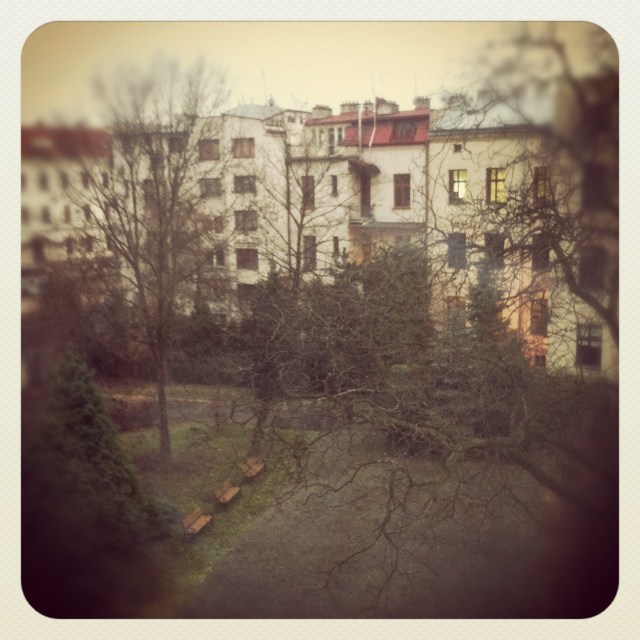
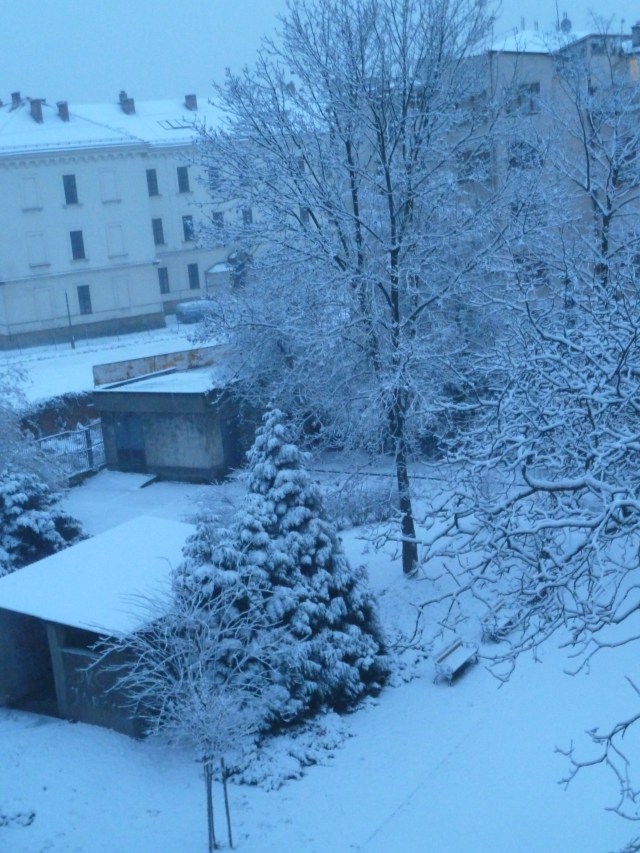
The city’s layout also helps. Planty Park forms a green ring around the Old Town (although it was pretty white when we saw it due to the snow), replacing the medieval defensive walls that once protected the city. Walking through the park is often just as enjoyable as walking through the streets themselves, particularly during the warmer months.
Of course, comfortable footwear is recommended. Much of central Kraków is covered in cobblestones, which add plenty of character but can become tiring on your feet and legs after a full day of sightseeing.
Top sites
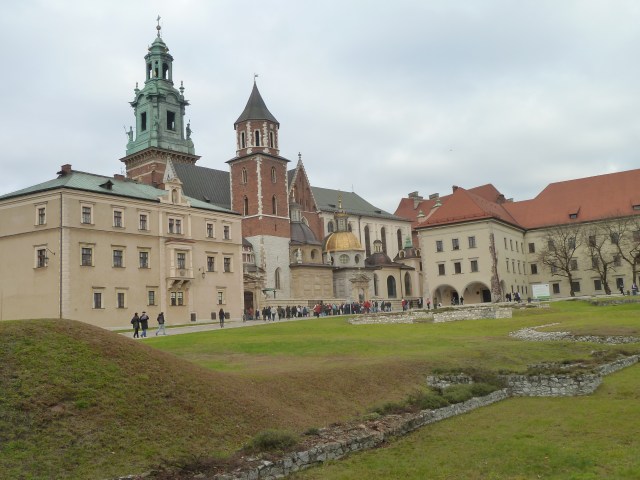
A first great stop in Kraków would be to visit Wawel Royal Castle.
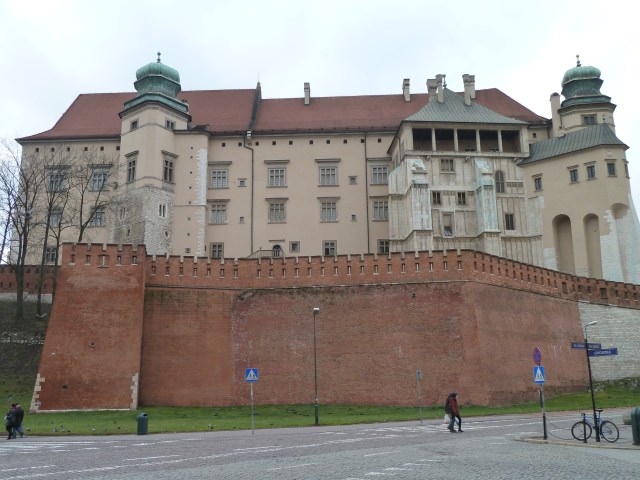
Perched on Wawel Hill above the Vistula River, Wawel Royal Castle is arguably Kraków’s most important historic landmark and one of the most significant sites in all of Poland.
Located at Wawel 5, 31-001 Kraków, the castle sits at the southern end of the Old Town, around a ten minute walk from the Main Market Square. For centuries it served as the residence of Polish kings and became the political and cultural heart of the nation.
The castle complex is vast and there is far more to see than simply the exterior. Visitors can explore the Royal Private Apartments, State Rooms, Crown Treasury, Armoury, Castle Underground and the impressive collection of Ottoman Turkish Tents. The Crown Treasury is particularly fascinating, housing many of Poland’s royal treasures, while the State Rooms provide a glimpse into the grandeur of the former royal residence. Beneath the castle, the underground exhibitions reveal earlier phases of Wawel’s history stretching back centuries.
One thing worth noting is that there is no single admission ticket covering the entire castle. Instead, visitors purchase tickets for individual exhibitions or routes. The most comprehensive option is the combined Castle ticket covering both the first and second floors, which costs 95 PLN (approximately £19). Individual sections such as the First Floor, Second Floor, Crown Treasury and Armoury each cost 47–57 PLN (approximately £9.50–£11.50), while additional attractions such as the Dragon’s Den and Royal Gardens can be visited for a small extra charge.
Opening times vary slightly depending on the area being visited, but most exhibitions are open from 9am until 5pm Tuesday to Sunday, with last admission generally between 40 and 120 minutes before closing depending on the route. Mondays often feature free admission to selected exhibitions, although tickets are limited and must be collected in person.
Even if you choose not to enter every exhibition, Wawel Hill itself is worth visiting. The courtyards, cathedral surroundings, defensive walls and views across the Vistula River provide some of the most picturesque scenes in Kraków.
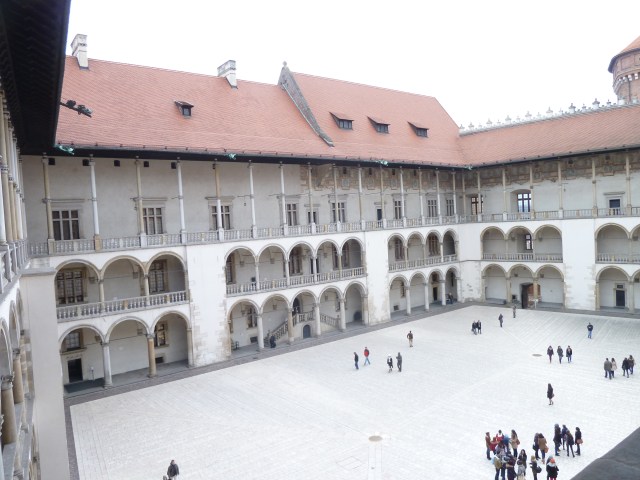
One of Kraków’s most underrated attractions is the Planty Garden Ring, a 4km stretch of parkland that completely encircles the Old Town. Located on the site of the city’s former medieval walls and moat, the park creates a green belt around the historic centre and offers a peaceful escape from the busy streets and squares that attract most visitors.
Unlike many of Kraków’s major attractions, there is no specific address, entrance gate or ticket office. Instead, the park surrounds the entire Old Town, stretching from the Barbican and St Florian’s Gate in the north all the way around to Wawel Castle in the south. It covers more than 20 hectares and is divided into a series of distinct garden sections, each with its own character and monuments.
The Planty was created during the nineteenth century after the majority of Kraków’s medieval fortifications were demolished. Rather than build over the land, the city transformed the former defensive zone into a landscaped public park. Today, it remains one of the city’s most beloved green spaces and provides a fascinating reminder of where the ancient walls once stood.
Walking the full circuit takes around 45 minutes to an hour, although most visitors naturally explore sections of it while moving between attractions. Along the way you’ll pass fountains, statues, flowerbeds, tree lined avenues and plenty of benches where you can sit and watch daily life unfold. Surviving remnants of the old city defences, including the Barbican and St Florian’s Gate, can also be found along the route.
My own visit took place in December and, rather than the lush green parkland often seen in photographs, the Planty was covered in a light dusting of snow. While that meant the flowerbeds and lawns were hidden beneath winter colours, it gave the park a completely different charm.
One of the things I enjoyed most about the Planty was how it offers a completely different perspective on Kraków. While the Main Market Square can often feel busy with tourists, the park provides a quieter side of the city where locals walk their dogs, read books, meet friends or simply enjoy a stroll beneath the trees. It is also an excellent place to rest your feet after a day of sightseeing.
Best of all, the Planty Garden Ring is completely free to visit and open 24 hours a day throughout the year.
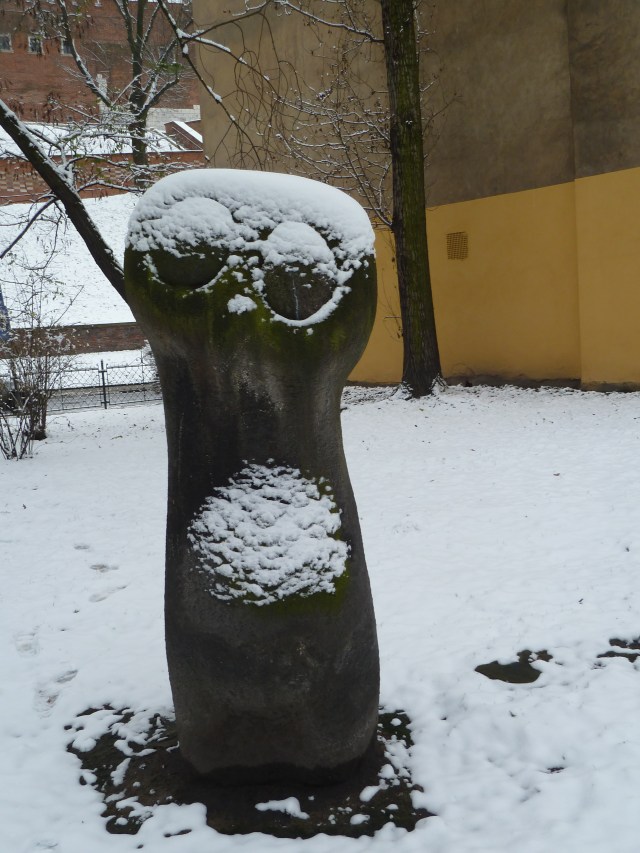
At the very heart of Kraków’s Old Town lies Rynek Główny, the city’s magnificent Main Market Square and one of the largest medieval town squares in Europe. Located in the centre of the historic district, the square has been the focal point of Kraków life since it was laid out in 1257 and remains the city’s most important public space more than 750 years later.
Covering almost four hectares and measuring approximately 200 metres by 200m, it is impossible to visit Kraków without spending time here.
Agauinm unlike many attractions, there is no admission fee or opening time to worry about. Rynek Główny is a public square that can be visited at any time of day or night, and you’ll almost certainly find yourself passing through it multiple times during your stay. Whether you’re arriving from St Florian’s Gate, heading towards Wawel Castle or simply exploring the Old Town, all roads seem to lead back here.
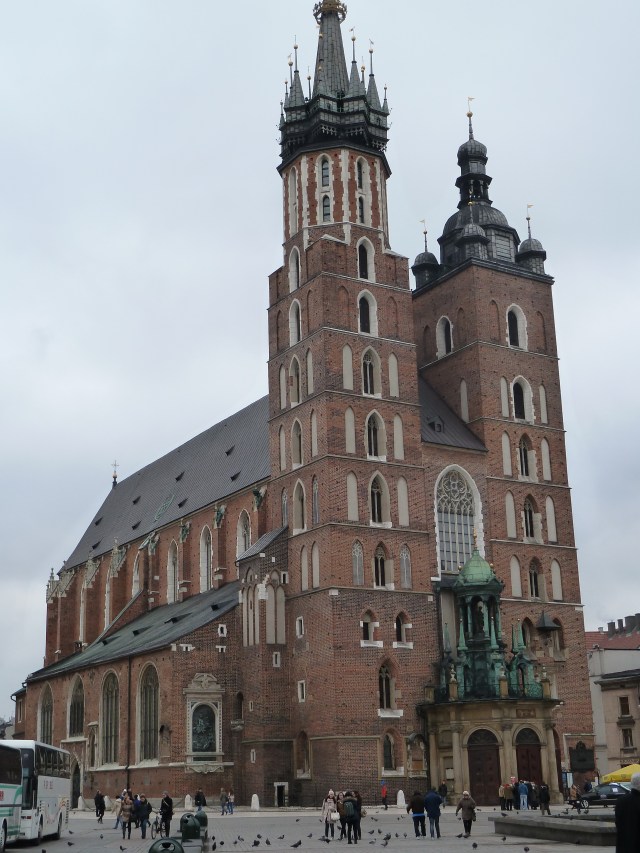
The square is surrounded by some of Kraków’s most famous landmarks. Dominating the centre is the Cloth Hall (Sukiennice), a Renaissance building that once served as the city’s trading hub and today houses souvenir stalls and a museum. Overlooking the square are the twin towers of St Mary’s Basilica, while the Town Hall Tower stands as the last surviving part of Kraków’s former Town Hall. You’ll also find the Adam Mickiewicz Monument, one of the city’s most recognisable meeting points, and the tiny Church of St Adalbert, which dates back to the eleventh century.
What I enjoyed most about Rynek Główny was simply soaking up the atmosphere. Throughout the day the square is alive with activity. Street performers entertain the crowds, horse drawn carriages wait for tourists, cafés spill out onto the surrounding streets and visitors gather beneath the shadow of St Mary’s Basilica.
Despite the number of tourists, it never feels like a place that exists purely for visitors. Locals still use it as a meeting place, just as they have done for centuries.
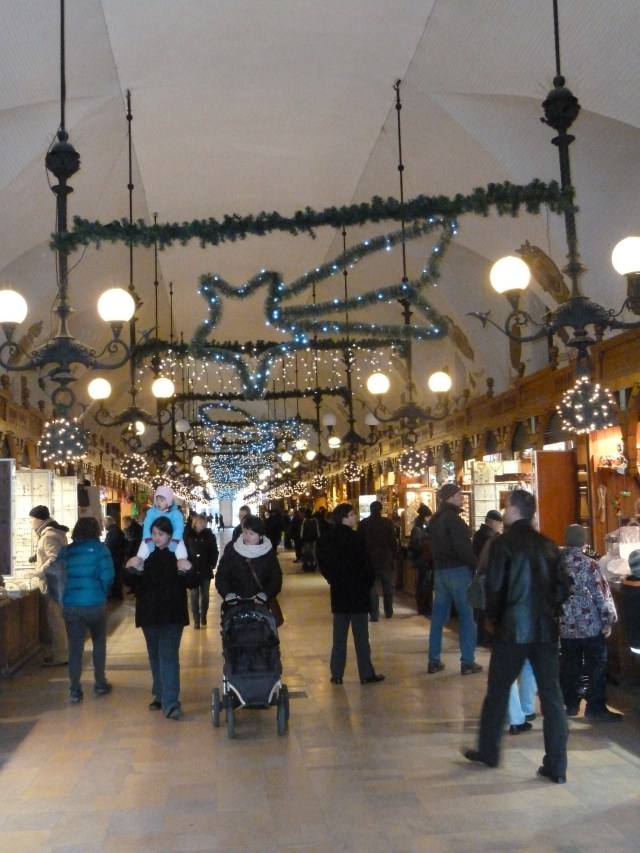
However, with my visit taking place in December, it gave the square an entirely different feel. Rather than outdoor cafés filled with people enjoying the summer sunshine, Rynek Główny was transformed by Kraków’s Christmas Market. Wooden stalls filled much of the square selling traditional food, mulled wine, handcrafted gifts and festive decorations, while the smell of grilled sausages and smoked cheese drifted through the cold winter air.
With snow occasionally settling on the rooftops and the lights illuminating the historic buildings after dark, it felt every bit as magical as you might imagine.
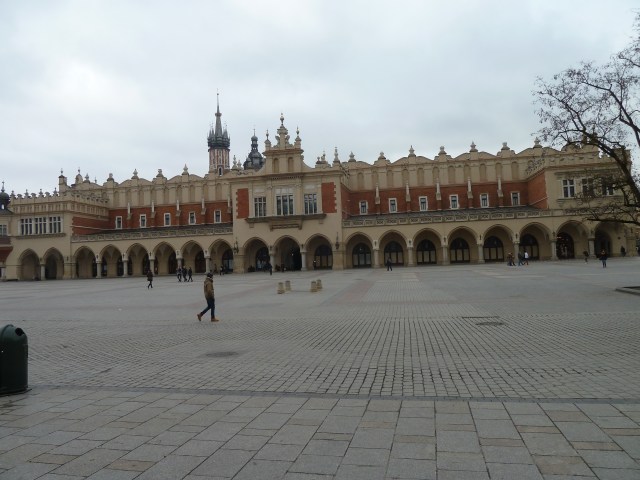
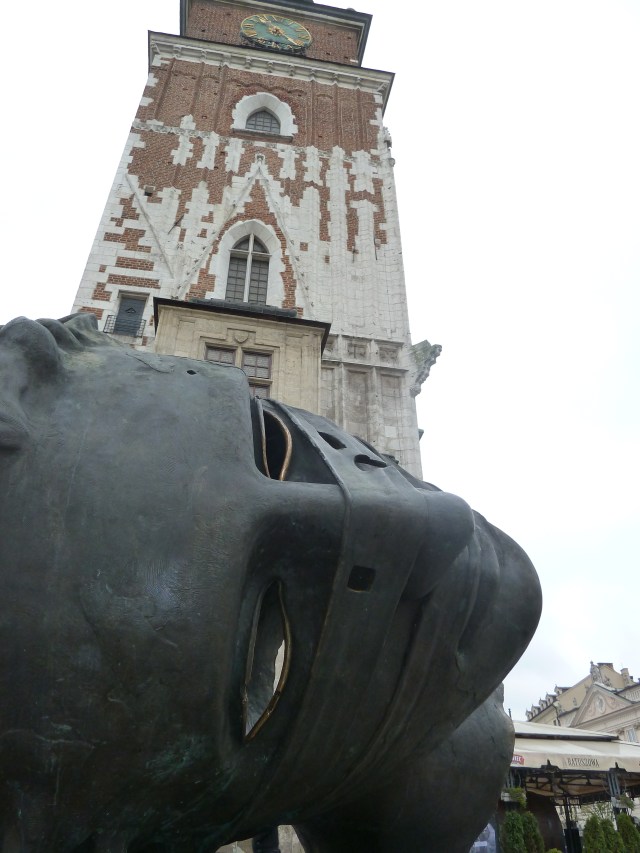
A visit to Auschwitz-Birkenau is unlike any other excursion you are likely to take during a trip to Kraków. While much of the city celebrates Poland’s culture, history and resilience, Auschwitz serves as a stark reminder of one of the darkest chapters in human history.
It is not a place that can be described as enjoyable, nor should it be, but it is undoubtedly one of the most important places I have ever visited.
For our trip, we booked through Escape 2 Poland, joining their Auschwitz Tour from Kraków. Prices vary depending on the date and availability, but the standard tour is currently advertised from around £82 per person, including transport and a guided visit. The excursion included return transport from the city and a guided visit to both Auschwitz I and Auschwitz II-Birkenau, making it a straightforward way to visit the memorial without having to arrange transport independently.
The journey from Kraków takes around 90 minutes each way, travelling west through the Polish countryside to the town of Oświęcim, where the former concentration and extermination camps are located.
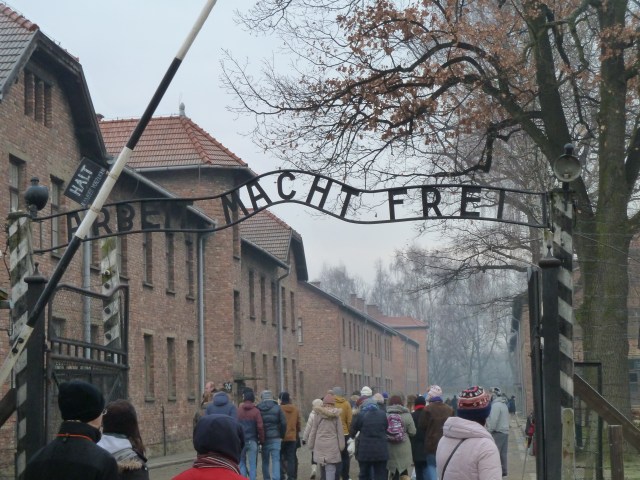
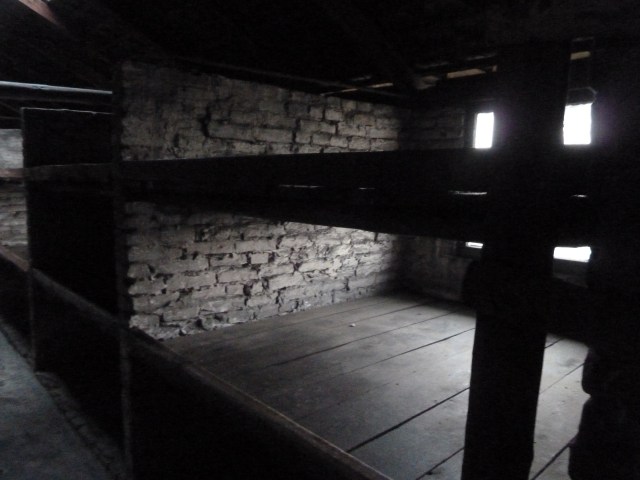
The visit begins at Auschwitz I, the original camp established by Nazi Germany in 1940. Passing beneath the infamous “Arbeit Macht Frei” gate is a moment that stays with you long after you leave. As you move through the preserved brick barracks, exhibitions and prison blocks, the scale of the suffering that took place here becomes increasingly apparent. Personal belongings confiscated from prisoners, photographs of victims and detailed historical displays help tell the stories of those who were imprisoned and murdered here.
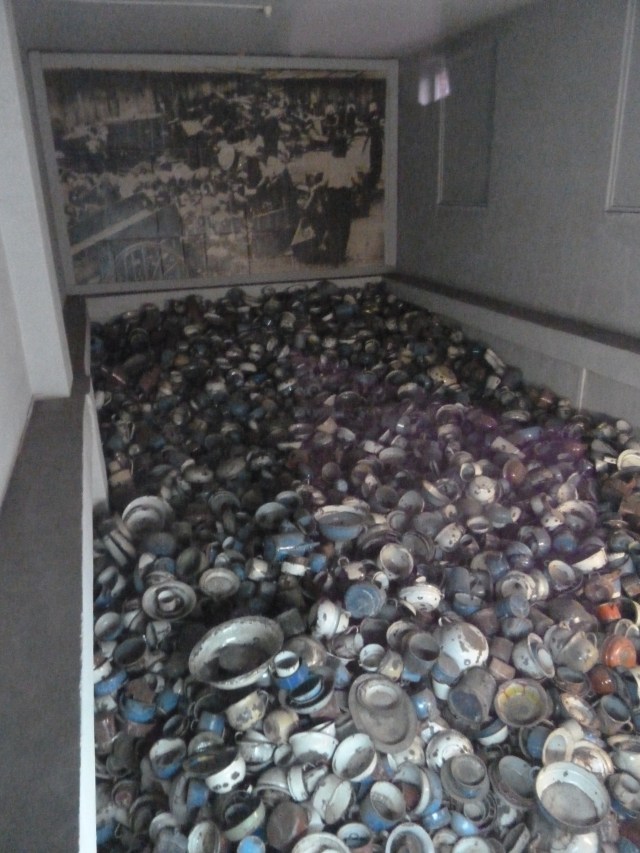
Particularly moving are the exhibits containing suitcases, shoes and other possessions taken from those who arrived at the camp, many believing they were being resettled rather than sent to their deaths. Throughout the visit, the guides explain the development of the camp system, the treatment of prisoners and the role Auschwitz played in the Holocaust, during which more than one million people were murdered here, the vast majority of them Jewish men, women and children.
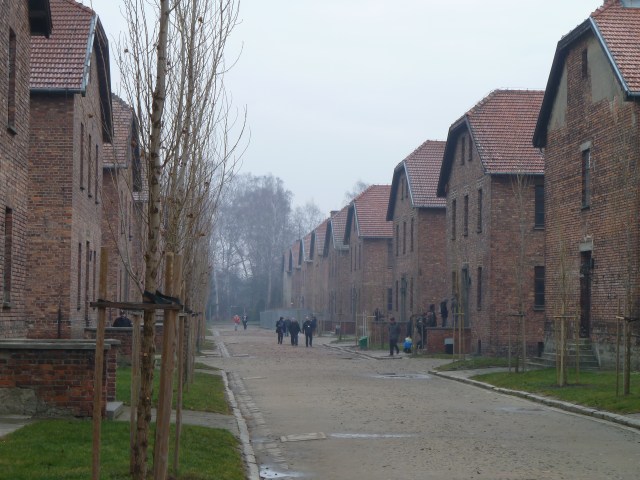
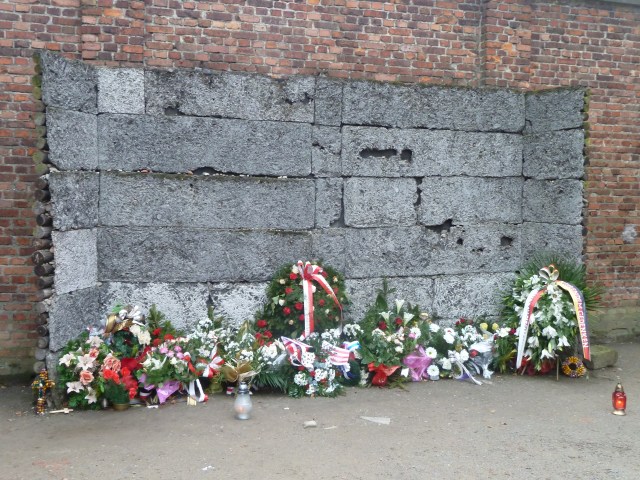
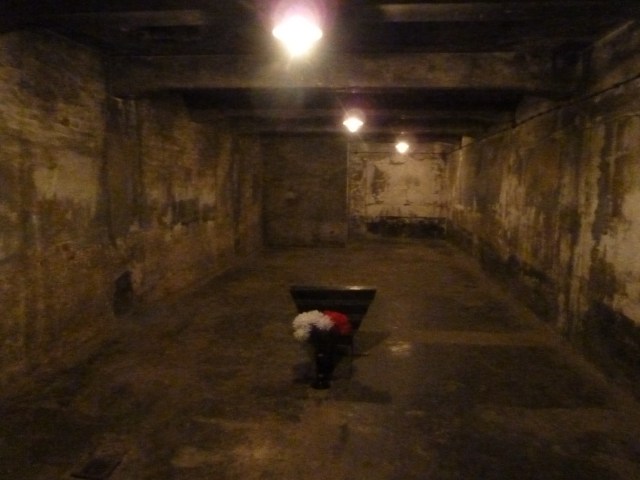
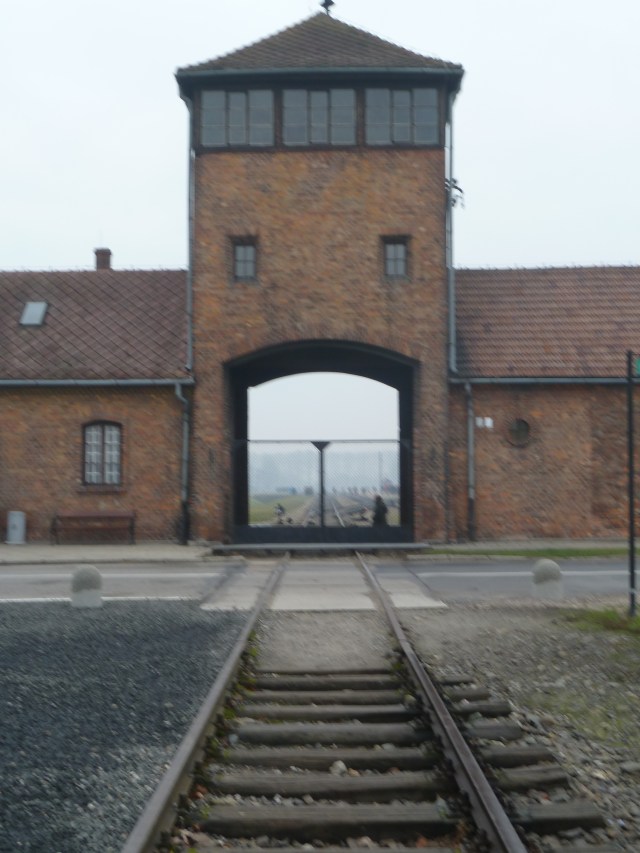
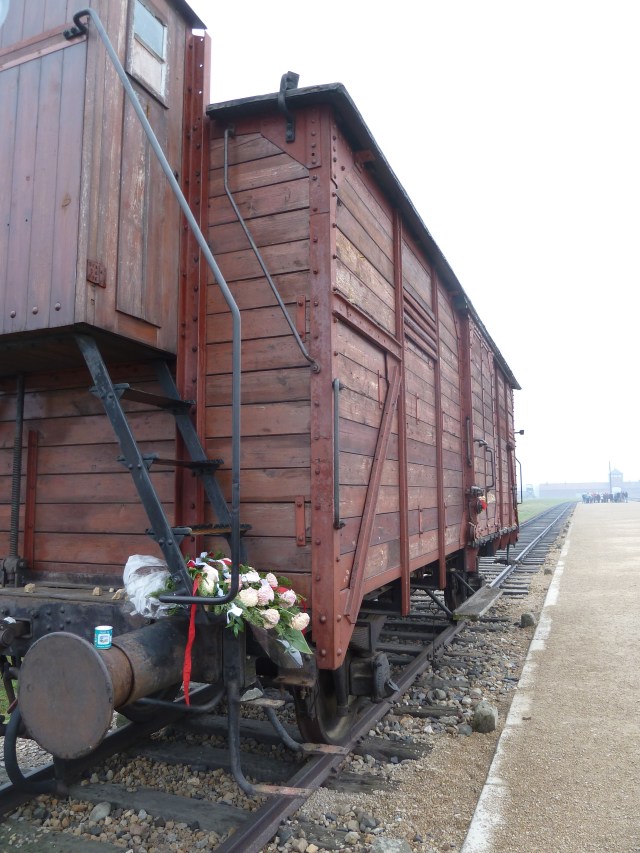
After visiting Auschwitz I, the tour continues to Auschwitz II-Birkenau, located a short distance away. This is the site most people picture when they think of Auschwitz. The sheer scale of Birkenau is difficult to comprehend until you stand there yourself. The railway tracks running through the infamous entrance gate stretch into the distance, while row upon row of barracks disappear towards the horizon.
Standing on the unloading platform where countless deportees arrived is an incredibly sobering experience. Many were selected immediately upon arrival, with some sent to forced labour and others directed straight to the gas chambers. Today, the ruins of those gas chambers and crematoria remain as a powerful reminder of what occurred here. Walking across the vast site, particularly during the cold December weather of my visit, added an extra sense of bleakness to an already deeply moving experience.
The Memorial is open throughout the year, although opening hours vary by season, and visitors should allow at least three and a half hours for a standard guided tour covering both camps. Entry to the memorial itself is free, although guided tours and organised excursions carry additional charges. Advance booking is strongly recommended due to the number of visitors and security procedures in place.
It is difficult to find the right words to conclude a visit to Auschwitz-Birkenau. It is not a tourist attraction in the conventional sense, nor is it somewhere you leave feeling uplifted. Instead, it is a place of remembrance, reflection and education. The experience is emotionally challenging, but it is also one that I believe everyone should undertake at least once.
Just outside Kraków, in the town of Wieliczka, lies one of Poland’s most fascinating attractions – the Wieliczka Salt Mine.
Located at Daniłowicza 10, 32-020 Wieliczka, around 14 kilometres south-east of Kraków, the mine has been producing salt for centuries and is now a UNESCO World Heritage Site. Rather than simply looking around an old mine, the visit takes you deep underground through a remarkable network of chambers, tunnels, chapels and salt-carved artworks.
We visited the mine as part of a tour with Mr Shuttle, who collected us from our hotel in Kraków and took us to Wieliczka before returning us to the city afterwards.
Their standard Wieliczka Salt Mine tour takes around four hours in total, including the journey from Kraków, with the transfer taking approximately 30–40 minutes each way. The tour includes the entrance ticket and a guided visit along the Tourist Route, with an English-speaking local guide leading the underground section.
The mine itself is open from 8am until 6pm, although individual tour times and languages vary, so it is worth checking availability and booking ahead. The standard Tourist Route ticket currently starts at 131 PLN per person (around £26 pounds), with the price varying according to the type of ticket and tour. The admission includes access to the underground exhibition of the Cracow Saltworks Museum.
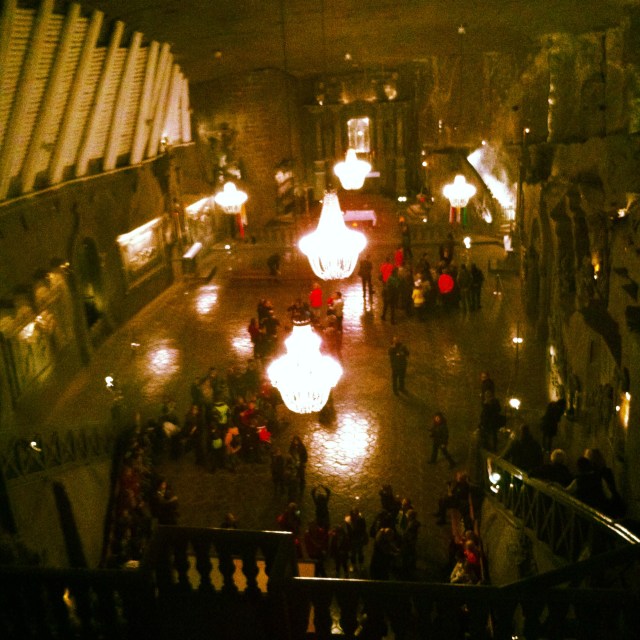
Once underground, the scale of Wieliczka becomes apparent. The Tourist Route takes you approximately 135m below ground, covering around 3.5km and taking roughly two to three hours. Along the way, you pass through enormous chambers, underground salt lakes, historic mining equipment and sculptures carved directly from the salt rock. There are around 800 steps to negotiate during the visit, including the initial descent, although a lift brings you back to the surface at the end.
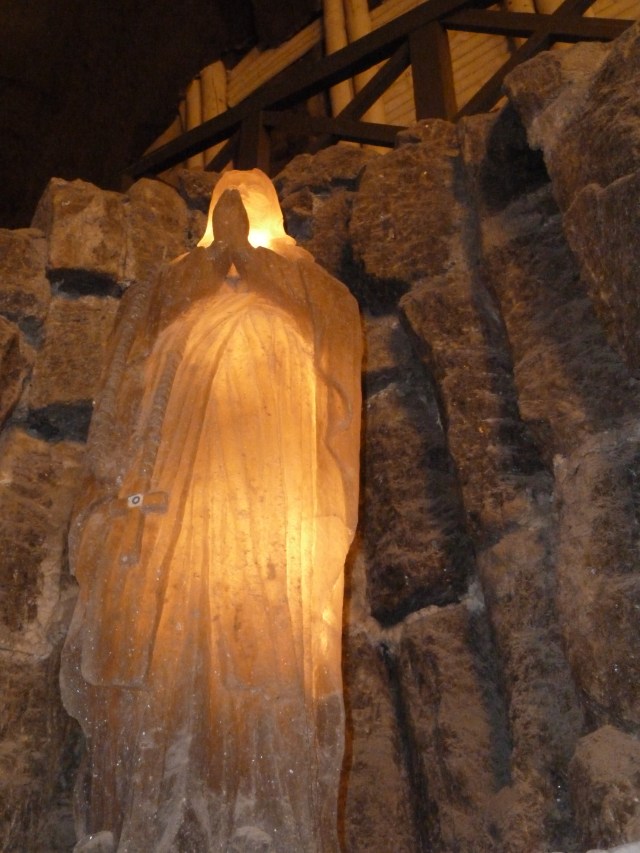
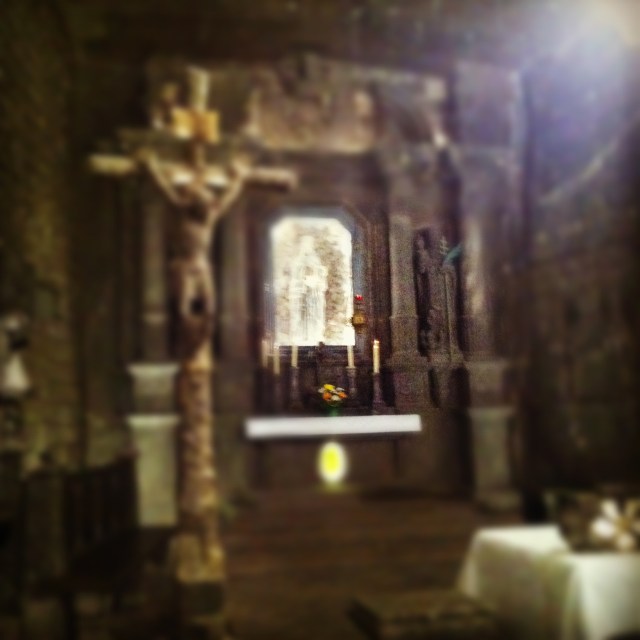
The highlight for many visitors is St Kinga’s Chapel, an extraordinary underground church where the chandeliers, sculptures, reliefs and even parts of the floor have been carved from rock salt. It is one of those places that is difficult to appreciate from photographs alone – standing inside a vast chapel hundreds of feet below the surface is a genuinely unusual experience. Elsewhere on the route, the displays explain how salt was extracted and transported and what life was like for the miners who worked beneath Wieliczka for generations.
It is worth remembering that the temperature underground remains around 17–18°C throughout the year, so even if you are visiting Kraków during the summer, taking a light jacket is a good idea. Comfortable footwear is also essential, given the distance walked and number of stairs. The mine allows only small bags, with larger luggage needing to be left in storage or at your accommodation.
Where to avoid
Unlike some European cities, Kraków isn’t a destination where there are large areas that tourists need to actively avoid. In fact, it is widely regarded as one of the safest cities in Central Europe and, throughout our visit, we never once felt uncomfortable or unsafe.
The Old Town, Kazimierz and the areas around the city’s major attractions are generally well policed, well lit and busy with both locals and visitors.
That said, no city is entirely free from crime and it pays to exercise the same level of awareness you would in any popular tourist destination. The most common issue affecting visitors is petty theft, particularly pickpocketing in crowded areas such as Rynek Główny, Floriańska Street, around Kraków Główny railway station and on busy trams. Keeping valuables secure, avoiding leaving phones or wallets unattended and being aware of your surroundings is usually enough to avoid any problems.
Visitors should also be cautious around overly enthusiastic promoters attempting to lure tourists into bars, clubs or adult entertainment venues. Poland generally has a very low level of violent crime against tourists, but overcharging scams and drink spiking incidents have been reported in some nightlife establishments. As a result, it’s sensible to stick to reputable venues, keep an eye on your drinks and check bills carefully before paying.
If you’re exploring after dark, the city centre and Kazimierz remain lively and generally feel safe well into the evening. Nevertheless, as with anywhere, it’s sensible to avoid poorly lit parks, deserted side streets and unfamiliar residential areas late at night if you’re travelling alone. Most visitors will spend the majority of their time in areas where there are plenty of people around and a visible police presence.
Before travelling, it’s also worth checking the latest UK Government travel advice for Poland. The Foreign, Commonwealth & Development Office provides up to date information on entry requirements, local laws, transport, demonstrations and any security issues that may affect travellers.
While Poland is considered a safe destination for British tourists, official guidance is always worth reviewing before departure.
Great places to eat
When it comes to great places to eat in Kraków, one restaurant that stood out to us during our visit was Chimera.
Located at Świętej Anny 3, just a short walk from Rynek Główny in the heart of the Old Town, it offers a welcome alternative to some of the more tourist-focused restaurants surrounding the Main Market Square.
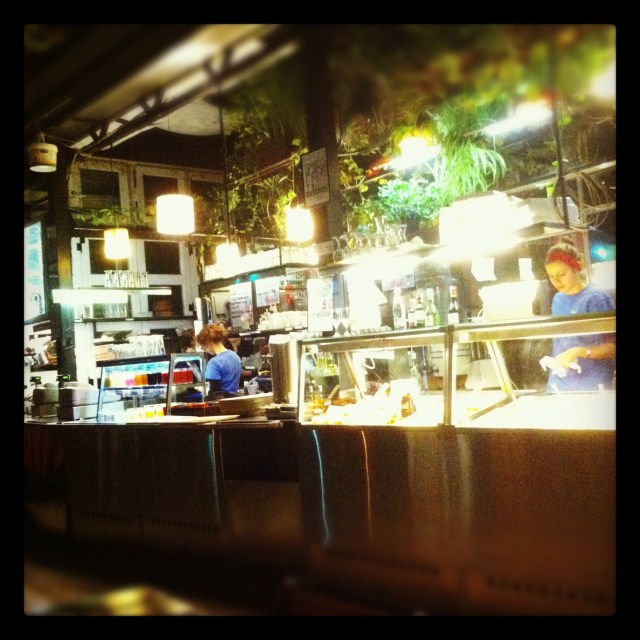
Housed within a medieval townhouse, Chimera has become something of a Kraków institution. The restaurant is particularly well known for its large salad bar, featuring an impressive selection of fresh salads, vegetarian dishes, vegan options, homemade pastries and natural juices. However, it isn’t exclusively aimed at vegetarians.
Alongside the buffet-style offerings, diners can also enjoy traditional Polish dishes, meat options and seasonal specialities, meaning there is something to suit almost every taste.
The main dining area sits within a covered courtyard, creating a cosy and relaxed setting that feels a world away from the busy streets outside. It is the sort of place where you can take your time over lunch, escape the crowds for a while and recharge before continuing your exploration of the city.
n terms of cost, Chimera is also very reasonable. A typical meal for two, including main dishes and drinks, will generally cost between 100 and 180 PLN (approximately £20 to £36), depending on what you order. This makes it an excellent value option, particularly given its prime location in the centre of Kraków.
Open daily from 10am until 10pm, Chimera is an ideal choice whether you’re looking for a light lunch between sightseeing stops or a relaxed evening meal after a day exploring Kraków’s historic streets.
Useful links
Remember you can follow World Complete on Twitter, Instagram, Pintrest, Tumblr and Facebook send your comments and pictures from your travels using #WorldComplete and #Travel.

