Well, Ok, for some people the thought of being flown through the air at great height and speed, or getting soaked may not be their first choice for a fun day out, but I have to say, the inner child within me loves exploring those fun-filled amusement parks in the same way I did when I was 10-years-old.
I’m fortunate enough to have been to some amazing theme parks across the globe. So while there are thousands more to get to, I’ve narrowed it down to five of my favourite destinations so far (listed in no particular order).
Leave a comment below if you agree with this list or if there are others you’ve been to that you think should get an honouree mention.
1: Universal Studios / Island of Adventure (Orlando – USA)
Florida is well known for hosting some of the world’s most exciting theme parks that attract visitors from all over the globe.
So while I technically know this first choice is cheating – as it’s two parks – I couldn’t separate them. Also, I’ve giving myself a free-pass as they are linked by a certain ride that transports visitors from one park to the other with a valid park-to-park ticket. It’s my list, so I’m counting it!
These two theme parks provide a more adult experience than the Disney parks in the same area. Movie buffs – particularly in the older Universal Studios – will enjoy the opportunity to be a part of some classic films and take in a show with their favourite characters. It’s a living cinema experience.
The rides are pretty incredible too. Kids will love taking a magical bike ride with ET as he escapes the group of scientists looking to study him before helping everyone’s favourite extra-terrestrial get back to his home planet. After that who wouldn’t want to join Will Smith and his Men in Black team as you shoot your way through the streets after a massive alien attack. It’s such good fun! As a hint – even though they tell you not to hit the red button in the car in front of you, make sure you do at the end for a massive score bonus!
Sadly, Universal Studios has said goodbye to classic rides like Back to the Future (a simulator where you used to chase Biff in a bid to save the future) and Jaws (a calm boat ride around Amity Island until a certain shark reared it’s ugly head). They have replaced them with the enjoyable Simpsons simulator and Diagon Alley; as part of the parks huge Wizarding World of Harry Potter expansions. More on that in a bit.
The one thing Universal Studios used to be short on was roller coasters. This issue was addressed back in 2009 with the opening of the Hollywood Rip Ride Rockit – a 51 m, 65 miles per hour X-Coaster that lets riders pick their own personal music to listen to while being spun, dropped and flung in all directions.
It’s worth point out also that if you visit around Halloween time each year to stick around for the infamous Halloween Horror Night evening events.
These thrilling spectacles see Universal Studios transformed into full-on horror films full of ghosts and ghouls and everyone’s favourite movie serials killers. For those brave enough, you also get the chance to step inside the numerous horror houses set-up that bring some of the scariest films and TV shows to life.
The Halloween Horror Nights alone are well worth a trip to Florida in October / November time.
Horror aside though, the parks do offer something a little more wholesome all year round.
The flagship part of the Universal complex now is their impressive homage to Harry Potter and all things Hogwarts.
Now. while I’m personally not a fan of the Harry Potter books (sorry, yes, I’m a muggle) nor a fan of the films, even I was amazed by how the parks transport you into this wizarding world.
They have also come up with the ingenious method of transporting guests from one park to the other using one of their newer rides; The Hogswarts Express!
The Hogwarts Express is located just outside of Diagon Alley at Universal Studios and at the entrance of Hogsmeade at Island’s of Adventure.
The Hogwarts Express is a ride suitable for all ages where you simply board the train and take a journey as though you’re travelling to Hogwarts yourself. The journey lasts around seven minutes, and families are able to sit together in a cartridge and enjoy the cinematic action taking place through the train window (which is really a very clever TV screen).
Once you exit the train you suddenly find yourself in the opposite park to the one you started in. Fantastic!
Movie buffs will enjoy the opportunity to be a part of some classic films and take in a show with their favourite characters. It’s a living cinema experience.
Universal Studios and Universal’s Islands of Adventure
That brings me on quite nicely to Islands of Adventure. This is a park geared more at the thrill seakers.
Again, here, there are a wide range of Harry Potter-inspired rides including the fantastic Harry Potter and the Forbidden Journey and Harry Potter and the Escape from Gringotts, but there also areas of the park dedicated to other film genres, styles and fun gimmicks.
Some of my favourite parts are near the entrance to Islands of Adventure. Here you’ll find the Marvel Comics-inspired area (again I’m actually not a fan of the Marvel films – hope I’m not alienating too many of you with these remarks).
Top of any riders agenda should be The Incredible Hulk – a zero to 40mph in two seconds thrill ride – and the scary Doctor Doom’s Fearfall which throws riders about 50m into the air before dropping them back to the ground.
Also, don’t miss the amazing water rides in Toon Lagoon including the Popeye rapids ride where it is physically impossible to stay dry and the super-speedy Dudley Do-Right Ripsaw Falls.
While still dripping wet, take a step back 50 million years or so into Jurassic Park and try to avoid the hordes of Velociraptors and the menacing T-Rex as you escape, by boat, from the dinosaur-infested park.
Since my last visit, they have also opened a new section – back in 2016 – entitled Skull Island; a King Kong-inspired land. I’m personally looking forward to trying this areas sole attraction, Skull Island: Reign of Kong, during my next trip to the park in the future.
Now the scary bit. The ticket prices. If you buy the tickets on the door it will cost you a small fortune. Nobody does this. You can buy, at the time of writing, a three-park explorer ticket – valid for 14 consecutive days from the first time it’s activated – that gives you access to both Universal Studios and Islands of Adventure – as well as Universal’s Volcano Bay waterpark – for £275 per person.
However, I’d advise shopping around for better deals when you are looking at booking. There are often good deals available for 14-day park tickets that come from other sources.
2: Tivoli Gardens (Copenhagen – Denmark)
Most great theme parks are hyper-modern, state-of-the-art affairs. Then again, most theme parks aren’t Tivoli Gardens.
Located in the centre of Copenhagen in Denmark, Tivoli Gardens first opened its doors on 15 August 1843 making it the third-oldest operating amusement park in the world!
The park is best known for its wooden roller coaster, Rutschebanen, (The Mountain Coaster). It is one of the world’s oldest wooden roller coasters that is still operating today.
Don’t think that just because it has older rides that this park is in anyway dated.
Visitors should also make a point to ride the always enjoyable bumper cars while it’s criminal to visit Tivoli Gardens without having played a game or two of Galoppen.
Tivoli Gardens
Situated throughout the park are three other modern roller coasters. The first – and largest – of these is the Dæmonen (The Demon) that features an Immelmann loop, a vertical loop, and a zero-G roll. This is a high-speed thrill-ride that rivals many coasters found throughout the world.
The next is Mælkevejen (Milky Way) – a 36 km/h coaster that opened in 2019 while the final one Kamelen (The Camel Trail) reaches a speed of 26 km/h and opened the same year.
It’s not just about the roller coasters. Tivoli Gardens offers a lot more.
The Star Flyer, opened in Tivoli in 2006 and takes riders some 80m (260 feet) into the sky providing amazing views of the park and the surround Copenhagen area. As it stands, it is one of the world’s tallest swing rides.
One of the parks newest rides – having opened in 2016 – is Fatamorgana. This spinning ride offers two separate seating arrangements across four different platforms that are rotated as they are elevated into the sky.
The first is a milder version with two-seater gondolas, while the other is a thrilling version in which riders are slung around at high speed while seated in a ring and facing away from the center
There are also a number of shows – usually either held in the streets or at one of the two concert halls on site – and plenty of child-friendly rides to keep the whole family entertained.
Visitors should also make a point to ride the always enjoyable bumper cars while it’s criminal to visit Tivoli Gardens without having played a game or two of Galoppen.
There are a few options for tickets at Tivoli Gardens that can either be purchased online before arriving or at the park entrance. The ticket you choose to buy will give you a different wristband to wear in the park and signify what you can do.
For just 135 Danish Kronar (about £16) an adult visitor can enter the park but will not have access to individual rides. Tickets per ride can then be purchased as they go around. This option is good for those who may only want to go on one or two rides during a trip.
The better bet is to get the Entrance and Unlimited Ride ticket for 245 Danish Kronar (about £30) which allows you on any number of rides as many times as you like.
3: Fuji-Q Highland (Fujiyoshida- Japan)
Picture the scene. You are climbing the initial slope of a giant roller coaster. Your heart is pumping with adrenaline and anticipation for the ride ahead. Then, as your car creeps over the peak of the coaster’s tallest point, the splendor of Mount Fuji opens up in front of you.
There are very few theme parks that can rival such a scene which is partly what makes Fuji-Q Highlands a great place to visit while in Japan.
Yet, this stunningly picturesque theme park is more than a pretty backdrop and is home to six incredible roller coasters with a seventh planned for 2022.
The pinnacle of these coasters is Fujiyama. When Fujiyama opened in 1996, it was the world’s tallest roller coaster at 259 feet (79 m), and had the largest drop in the world at 230 feet (70 m)! While it has lost its titles to newer rides, it still makes for an incredible experience.
Next up is Do-Dodonpa. Standing at 52m tall and reaching speeds of up to 172 km/h, it was once the world’s fastest roller coaster. As of 2013 it is the fourth fastest in the world but still boasts the highest acceleration at launch time (106.9 mph in 1.8 seconds).
This insane concept allows the trains seats to rotate 360 degrees forward or backward in a controlled spin. This allows Eejanaika to invert 14 different times, even though the actual track inverts only three times.
Fuji Q Highlands
Another showstopper is the terrifying Eejanaika. Standing at 76m tall, this ride is only the second fourth dimension roller coaster ever built. This insane concept allows the trains seats to rotate 360 degrees forward or backward in a controlled spin. This allows Eejanaika to invert 14 different times, even though the actual track inverts only three times.
Away from the adrenaline-filled roller coasters, Fuji Q Highlands has two haunted attractions: the Haunted Hospital, the world’s first largest haunted attraction and the newly built Hopeless Fortress.
There are also a series of other well thought out water, drop and swinging rides for thrill-seekers to try out. There are also activities for the younger audience too as children will enjoy a stroll around the sizable Thomas the Tank Engine Land.
For travellers in Japan who want to make the most of the area, there is also the impressive Fuji Q Highland Resort Hotel and Spa to stay in which affords great views of the park and Mount Fuji, while also housing a number of restaurants, shops, spa treatment areas and onsen bathing facilities.
While admission to the Fuji Q Highlands is free, you won’t be able to go on any rides unless you have purchased the correct ticket. This can be done online before you travel and gains you entry to the park 15 minutes before opening allowing you to get to the front of the queue for the ride of your choice.
If you want to pay per-ride then individual rides cost between 400 yen (about £3) and 2,000 yen (about £14). The better bet, though, is to buy a one-day pass for unlimited rides for 6,000 yen (around £40).
One thing to note about the park is that queues can be slow. At peak times it can take over two hours to get on one of the main rides. I’d advise that visitors to Fuji-Q Highlands do all the big rides they want to get on as early as possible during a visit.
4: Busch Gardens (Tampa – USA)
Back in the United States now, and back to the theme park packed state of Florida. And while Orlando is home to the vast majority of the visitor attractions, no trip to the Sunshine State would be complete without making the drive across the I4 to Tampa on the west coast of Florida for a day out at Busch Gardens.
The park is owned and operated by SeaWorld Parks & Entertainment and welcomes over 4 million guests through its gates every year.
The park has many high-octane roller coasters and thrill rides. Chief amongst these is the formidable SheiKra; the first Dive Coaster in North America. There is also Tigris, the tallest launch coaster in Florida and Montu, which was the tallest and fastest inverted roller coaster in the world at the time of opening. Special mention should also be made to Kumba that features a total of seven inversions across the three-minute ride.
Situated throughout the park there are also many other rides to enjoy including the incredible drop rides like Falcon’s Fury which currently stands as the tallest free-standing drop tower in North America. This huge ride reaches a maximum height of 335 feet (102 m) and then drops riders – face down – for five seconds of scream-filled free fall; reaching speeds of 60mph.
The first launch takes riders out of the station from zero to 30mph in 1.8 seconds. Later on, there is a second – and fastest – launch which takes riders to 60mph in 2.4 seconds while a third a final launch takes riders to 40mph in 2.1 seconds.
Busch Gardens
Despite all these amazing rides, the main focus of the park these days is Cheetah Hunt which opened back in 2011.
This ride aims to give riders the experience of being a cheetah as it chases down its prey. One of it’s key features is the multiple launches it operates during the course of the ride – three in total. The first launch takes riders out of the station from zero to 30mph in 1.8 seconds. Later on, there is a second – and fastest – launch which takes riders to 60mph in 2.4 seconds while a third a final launch takes riders to 40mph in 2.1 seconds.
With a host of dips, dives and long straights running almost the length of the park itself, Cheetah Hunt offers something slightly different for all roller coaster fans.
It’s worth remembering that Busch Gardens is more than just a theme park. It is also a working zoo which is home to many different species of animals that you can see during a visit.
Animals remain a key feature for Busch Gardens, with the different sections of the park being themed after different parts of the world.
Rides also make full use of the animals’ habitats, showcasing them to the guests. Rides like Rhino Rally – a safari-themed attraction – and the relaxing train ride that takes you around the full circumference of the park give visitors a break from the adrenaline-fuelled thrill rides on offer.
Like all parks in Florida, tickets can – and should – be purchased online before you travel.
Busch Gardens tickets often are linked to Adventure Island waterpark in Tampa and Aquatica waterpark and Seaworld Orlando. To purchase a 14 consecutive day unlimited ticket for all of these parks you’re looking at approximately $199.99 per adult (about £150).
While it’s a lot of money to pay out per person, each park on their own makes for a series of entertaining days out during a Florida holiday.
5: Lotte World (Seoul – South Korea)
Most theme parks are, by their very nature, outdoors. Yet in South Korea on the outskirts of the nation’s capital, Seoul, one park combines the regular outdoor fare with the world’s largest indoor theme park. That place is Lotte World!
The inside theme park is housed over four floors that circles above a large ice-rink (separate ticket needed for this) at the foot of the park.
The size of the park, with its many winding corridors, make for it to be somewhat of a maze to navigate. It is therefore, in my opinion, best to try and ‘complete’ each floor – starting from the top and working your way down – if you are to stand a chance of doing the whole park in a single day.
What makes Lotte World so intriguing is that rides appear almost out of nowhere. Rounding corners it is possible to come across a new ride that you didn’t even know existed moments before.
And there are a surprising number of large rides housed within the confines of the park. Keep your eyes peeled for Pharaoh’s Fury (an Indiana Jones inspired jeep ride on the fourth floor), the Jungle Adventure boat ride on floor three and the flume ride on floor one.
What makes Lotte World so intriguing is that rides appear almost out of nowhere. Rounding corners it is possible to come across a new ride that you didn’t even know existed moments before.
Lotte World
You’ll also notice a continuous series of hot air balloons circling the ceiling of Lotte World. These balloons – that run on a rail from the ceiling above – let you get a birds-eye-view of the park and are well worth the time it takes make a full lap.
There are also numerous other exciting rides inside the park that will entertain the whole family, as well as a few smaller roller coasters to keep the thrill seekers happy.
The second part of Lotte World is the smaller outside area known as Magic Island. You can reach this either by monorail or on foot via a bridge. This is because Magic Island has been built on artificial island within the Lotte World complex.
The area has a few larger rides including Atlantis Adventure – a steel roller coaster that is themed on the lost city of Atlantis – and Gyro Drop; a new attraction coupled with VR goggles to give a simulation of a futuristic landscape during the elevation sequence before dropping riders back to the base.
Lotte World can be accessed from Seoul by taking the Metro to Jamsil Station on Seoul Subway Line 2 or Seoul Subway Line 8.
After a short walk, a one-day ticket can be purchased for 55,000 South Korean Won per adult (around £36) on the door. A cheaper ticket is also available for entry after 4pm costing 44,000 South Korean Won per adult (about £29).
Lotte World remains extremely popular with South Korean locals and is a great way to spend a day away from the busy streets of the Korean capital.
Living just outside of London in Kent has its advantages. One of them being that – in normal times – it is very easy to get into Europe quickly from a plethora of airports and train stations, as well as numerous ferry terminals on the south coast.
And there is no city easier to get to on mainland Europe, from London, than the capital of France; Paris!
With a population of just over 2.1 million people, Paris is the largest city in France. Each year around 30 million tourists flock to the city to see it’s many sights and to sample some of the world’s best food.
And it’s not just about the food. Paris has a wealth of options to experience. From French history to high fashion; or renaissance art to modern sport, Paris really does have options that will suit everyone!
Described as the city of love, Paris is a popular honeymoon destination too with lovers jostling for positions in front of the Eiffel Tower or next to the River Seine in order to capture that memorable image from their time in France.
So whilst it wasn’t our honeymoon – nor my first time in the city – my girlfriend (as she was at the time) and I headed to Paris for a long weekend during a November. We had always put Paris high on our must-see list together, but it rushed further towards the top after Holly managed to win a competition on Heart FM giving us return flights and two nights in a hotel located centrally in the city itself. Perfect.
The Eiffel Tower is an undisputed symbol of all things Parisian
So what do you need to know as a visitor to Paris. Let’s start with some of the obvious stuff.
If you haven’t been to France for a long while (and have been living under a rock since then) then you may not be aware that the country moved from using the French Franc to the Euro. At the time of writing £1 could be transferred to around €1.10.
To make matters worse for a British traveller heading to Paris, the prices in the city are pretty comparable to those in London making the French capital not ideal for anyone looking for a cheap weekend away.
Paris also finds itself a time zone along from London so just remember to put those watches forward an hour when you arrive in France and back again when you return to the UK; although most devices do this automatically now anyway.
If you are looking for somewhere to escape the dreary English weather then Paris is probably not the venue for you. I think I’ve been to the city about four or five times in my life – at different times of the year – and on every occasion, without fail, I have got soaked through at least once per trip.
From this point of view, to me, it’s London but with French people. Your best bet is to travel in the summer months. July and August appear to be the best with average highs of around 25ºC and lows only dipping to near 15ºC.
It means if you are caught in a rain shower then at least you won’t be too cold.
If however, you travel as we did in November time then pack warm clothes and an umbrella. Average highs only reach around 10ºC while lows can dip to near freezing.
My tip, however, would be that no matter what time of year you go take your umbrella. I know I never go to Paris without it and while it may seem silly to pack one in the middle of a heatwave, the weather can change in the city very quickly.
Google Maps view of Paris highlighting some of the main attractions in the city
It’s also handy to have at least a few French words in your arsenal for a trip to Paris. Neither Holly nor I (both of whom studied French at school) are proficient in the language but being able to ask for a few things in French, say please and thank you does actually help open some doors.
Growing up, I always remember being told that Parisian’s were unfriendly and unhelpful – and this coming from parents who grew up in London!
However, while you will come across some that just are not interested in helping out a lost tourist, there are many more who will do and will often have a stronger grasp of English than should be expected. After all you are in their country so good manners suggests you should try and speak to them in their native tongue where possible.
Also remember to take plug converters. There are two associated plug types for France; types C and E. Plug type C is the plug which has two round pins and plug type E is the plug which has two round pins and a hole for the socket’s male earthing pin. France operates on a 230V supply voltage and 50Hz.
While tourists can expect a safe and enjoyable trip to Paris, I would urge caution when using the Metro and around some of the popular sights.
During my last couple of visits to the city I have noticed more ‘gangs’ appearing in the Metro stations and at key sites. From my experience I’ve had one gang approach me outside of Sacré-Cœur and grab my wrist while trying to pick-pocket me (fortunately I managed to pull away and run off before they succeeded) and also witnessed a more subtle ‘attack’ on the Metro.
As the train stopped at one station. A lady and her small child (whose hand she was holding) were stood near the doors. They were staying onboard the train to another stop. As the doors opened at the stop we arrived at a group of six or seven young men boarded the train and squeezed in around the lady who tried to push them away as they were in her personal space and on top of her young child.
The men then just as the train was due to pull away all leapt out of the doors and back on the platform, letting the train doors close and the woman and the child behind on the train. It was only when the train had left the station and the lady had checked on the wellbeing of her child, that she noticed her purse had been opened and her money stolen.
So while this may not be the norm in Paris, I always use the Metro with a degree of caution and would urge others to do so too.
However, despite these rather unpleasant events, my time in Paris has always been an enjoyable one and I’ll now share with you a selection of some of my top things to see and do in the city of love.
Getting there
There are two main ways to get to Paris from London; by train or by plane.
You can, should you want to, take a longer route which would involve catching a ferry from Dover on the south coast and then driving to Paris but I’d recommend one of the two options stated above.
So let’s look at the first option of the train, known as the Eurostar. To catch the Eurostar to Paris you can do so from a number of stations in and around London and Kent.
There are three in total that act as a starting point for the Eurostar London St Pancras International, Ebbsfleet International and Ashford International. However, since the outbreak of Covid-19 there has been a temporary suspension to services from Ebbsfleet and Ashford until 2022.
For the purposes of this blog however, I will speak as if Ebbsfleet was still in operation as this was where I travelled from on my last trip to Paris by Eurostar.
Ebbsfleet is the closest station to me to get to Paris. Living just 15 minutes from the station it makes it very easy to get to the continent (normally) in a very short space of time. It always amuses me that I can get to Paris far quicker than I can to travel to many places in my own country!
How much it costs to travel on the Eurostar will depend on a number of factors. Where you travel from, what time of day you travel and what days you travel on. For instance, if you want to go from Friday to Sunday leaving the UK at around 10am, then it is likely to cost you more than if you were to travel on a Thursday early morning.
Yet from personal experience, the Eurostar is by the the most cost effective and time efficient way to travel to Paris. Why? well firstly you don’t have to spend hours at an airport going through security. Passport checks take place in England (or France if you are returning in the other direction) and you therefore don’t need to go through customs at the other end; nor wait for your luggage as it’s with you at all times.
Secondly, the station in Paris (Gare Du Nord) is located in the city centre meaning you don’t have to rely on airport transfers which can take a fair bit of time (more on that in a bit).
Price-wise you can find a decent bargain also if you are prepared to travel early in the morning. I’d suggest – to make your most of your time in France – that, for a long weekend in Paris – you leave early on a Friday morning and return late on a Sunday or Monday night. This way you get the best part of three or four days in the city and keep rail costs to a minimum.
For my trip we did just this. It meant that catching the 5:58am train from Ebbsfleet International got us in to Paris by 9:32am local time. For the return we left Paris on the Sunday at 20:13 and arrived back in England at 21:18 GMT. For this we paid a total of £137 for two people (£68.50 each).
Map of the Eurostar’s routes across Europe as of January 2021. Image from Eurostar official website
For me I’ve only every done this once. I’ve personally never seen the point in flying to Paris when the option of the train is so close to hand. However, for some, flying may be a better option and the route is well serviced by flight providers including EasyJet, British Airways or the French national airline, Air France.
As I previously mentioned, this trip came courtesy of a prize win so the return flights from London Gatwick to Charles de Gaulle with EasyJet were free of charge for us. Normally though there would be a cost attributed to such a journey and – at the time of writing – can be found for as little as £61.85 for a return journey for one person on a November weekend.
So while that may be slightly cheaper than a Eurostar journey there are a few things to remember. Firstly, the time you’ll spend at airports either end and the parking of cars for the duration of the trip will add to the bill. Secondly, Charles de Gaulle is about 45 minutes to an hour outside of the centre of Paris; on a good day.
One this I remember about our airport transfers on this trip was that we ended up sitting in heavy traffic for a long time and that Parisian’s seemed to take the law into their own hands when it came to the rules of the road. Honestly, there were cars everywhere. I’m sure at times we were sat in a row of six or seven cars across what was only a two lane road!
However, the option is available should you need it but I’d always edge towards taking the train to Paris.
Arriving at Paris Charles de Gaulle Airport after our flight from England
Where to stay
As you’d expect in a major city like Paris, there are hundreds – if not thousands – of options for accommodation to suit all budgets.
From hostels to AirBnBs; cheap hotels to five star luxury – the city really has something for everyone.
So while I try not to stay in the cheapest accommodation during a trip, I do tend to bulk at the prices of some of the more expensive establishments on offer.
So to satisfy a mid-budget traveller I’ll suggest two wonderful hotels that I’ve had the pleasure to stay in during a break in Paris.
The first is Hotel 34B – which confusingly sometimes still goes by its old name of Bergere Opera. Don’t worry if this latter name appears on your booking confirmations it is the same place. To make my booking I used the helpful GetARoom.com service although you can book directly if you require.
This three-star hotel is located on Rue Bergèrein – in the centre of the city to the north of the river between the Louvre Museum and Sacré-Cœur. It has easy access – within five to ten minutes walk – of at least five Metro stations with Grands Boulevards on lines 8 and 9 perhaps being the closest.
The hotel has style. Having been renovated in recent years (which led to the change in it’s name) the hotel offers good sized rooms and a delicious Continental breakfast to its guests as well as all the regular features you’d expect such as free wi-fi and air conditioning.
I stayed here for a night during March one year for a cost of £89.67. This was for a double-standard room for two people that included breakfast. From here, we were able to enjoy our time in the city.
The room has clean and stylish at Hotel 34B
Example of the hanging art you can expect to see in rooms at Hotel 34B
The hotel is also centrally located, but situated further west in the city than Hotel 34B. It is serviced by two two immediate Metro stations; Opéra (which is on lines 3, 7 and 8) and Quatre-Septembre (on line 3).
I will find it harder to speak about the price of this hotel as this was where Holly and I stayed during our time in the city when she won the trip on the radio. However, looking at prices for a two night stay for two people, in a standard double room for November time I can see that, at the time of writing, you can expect to pay around £146.50 per night.
If this is like our trip, then this will also include a good, hearty continental breakfast as well.
The hotel itself is a mix of traditional Parisian fair with a quirky centre. Entering the building you’ll be welcomed by numerous, large, colourful snail and bear statues in the lobby and bar area. The reception desk is located near the door and from my experience the staff are superb.
During our stay they made sure we were comfortable in our room, gave good advice on places to eat and took the time to speak to us. There is also a small bar, next to reception, where Holly and I enjoyed a glass of wine or two before venturing out for our evening meals.
The more traditional side of the hotel is that you still leave your room key with reception when you leave the building and the lift to access the various floors is a small and intricate affair.
Opposite the reception desk the lift – which is quite slow – can hold about two people semi-comfortably. This becomes slightly harder to do if you have multiple bags to carry. However, with around six floors of rooms, if you are located at the top of the hotel it is a welcome alternative to the stairs after a long day walking around the city.
The rooms are pleasant as well and pretty spacious. Ours was the standard double in the hotel but came with a good-sized balcony which – on a nice day – would give you pleasing views of city life on the streets below.
Despite being in the centre of the city, the noise from the roads outside didn’t disturb us at all at night and we enjoyed a lovely couple of nights sleep during our stay.
Typical views from the balcony of one of the rooms at Hôtel Golden Tulip Opéra de Noailles
Inside our room at Hôtel Golden Tulip Opéra de Noailles
Getting around
Once you are in the centre of Paris you realise – if you didn’t already know it beforehand – that the city is extremely large.
To make matter worse, most of the main tourist attractions are quite spaced out from one another also so getting between them efficiently – especially if you are doing so on a tight timescale – is key to making sure you don’t miss out.
So while walking is a possibility should you wish it will take you a long time to navigate the streets to find your next destination. The Eiffel Tower, for instance, has a tendency to look a lot closer than it actually is from various points in the city and can then take a surprisingly long time to actually reach it!
The best bet here is to make the most of the Metro.
Earlier in this blog I said I had seen issues on the Metro, involving gangs and pick-pockets, but I want to point out that this is not a common occurrence and something you’d have to be very unlucky to encounter. It’s something that could happen to you on any metro, or underground, system anywhere in the world, so don’t let that put you off using the Parisian metro.
The Metro is a symbol of the city. It is known for its density within the city limits, uniform architecture and unique entrances influenced by Art Nouveau. It is 225.1 kilometres (139.9 mi) long and has 304 stations across 16 lines. In total 64 stations have transfers between lines.
Metro stations entrances throughout Paris can be identified easily from these classic signs
One thing I did notice about the Metro in Paris is that the trains are pretty dated and not the most comfortable. Most still have a system where you have to hit a little lever on the door to make it open – something you can actually do even while the train is still slowing down. Safe I’m sure!
The Metro itself is pretty cheap to use (A single metro ticket costs €1.90 per person) – similar sort of price to that of the London Underground for those familiar with the UK. But, if like me you planned to use the Metro a lot over the course of a long weekend, then there is a good way to avoid having to route through your change each and every time you go underground.
The answer is to buy a Metro Pass from the helpful ParisInfo.com.
Offering a variety of tickets covering the various zones for between one and five days, this paper ticket gives you unlimited use of the Metro system within the designated zones for the time you selected, starting when you first use the ticket.
It’s a great system and works really well. For a long weekend, that you are spending just in Paris, I’d suggest suggest getting the three-day pass for zones one to three. This will cost you €29.40 per person. If you have plans to go beyond the cities boundaries then other options that will take you as far as the airport, Disneyland and Versailles are also available for slightly more money.
It’s easy to organise as well. Following the link provided above, select your preferred ticket options and the number of passes you want to buy then pay online. You then collect your tickets when you arrive in Paris for free or pay to have them delivered by post to you at home or to your accommodation in Paris.
It really doesn’t make sense to pay to collect the tickets so make your way to your selected collection point. There are two options available. The first is at Point d’accueil Hôtel de Ville (located at 29 rue de Rivoli 75004 Paris) and the second is Point de retrait Gare du Nord (located at 18 rue de Dunkerque 75010 Paris).
We chose the second option which is in the heart of the busy Gare du Nord; the location where the Eurostar finishes it’s journey into Paris from the UK.
To collect your tickets find your way to the Tourist Information Point situated near lines 7-9 for international arrivals. When you collect your tickets you’ll just need your confirmation email and a form of ID (you should still have your passport with you at this point I’d imagine). The whole process takes just five minutes and you’ll soon be on your way exploring Paris.
A standard view from inside a train on the Paris Metro system
Top sites
Paris is a city that is full to the brim with amazing places to visit, great things to see and fun things to do. It’s impossible to fit it all in just one long weekend.
So I’ve selected a few things that for more are ‘must-sees’ during a visit to this wonderful city – especially for those people reading who have never visited it before.
The first on everyone’s to-do list is the most obvious. The Eiffel Tower!
What possible trip to Paris would be complete without going to, and then going up, this magnificent monument to engineering and symbol to all things French?
Locally nicknamed “La dame de fer” (French for “Iron Lady”), it was constructed from 1887 to 1889 as the entrance to the 1889 World’s Fair and was initially criticised by some of France’s leading artists and intellectuals for its design, but it soon became a cultural icon of France and one of the most recognisable structures in the world.
It’s a sight that is obvious from many spots around the city and is impressive to see. When you arrive at the foot of the tower, it shoots up into the sky from four impressive legs – each housing it’s own lift.
To go up the structure you can choose to walk (yes there are stairs all the way to the top). However nowadays there are six lifts. Three go up to the second floor (Pillar East, North and West), two go up from the second to the third floor (the top of the tower) and the last, in the south pillar, is privative and allows you to go directly to the restaurant Jules Verne, which is at 1st floor, it is reserved for the customers of the restaurant.
Be warned – before entering the lifts from the ground you’ll go through the very thorough baggage checks and security which is sadly a by-product of necessity from the world we live in today.
You have two options for tickets (which I’d suggest you buy online before you travel). The first – and most pointless – is one that only takes you to the midway point of the tower. Why anyone would get that far and not go to the top is beyond me. This means that if you buy this ticket you’ll only go up the legs of the tower and into the main middle section. You’ll not get to go up the neck and to its highest point.
The second ticket is takes you to the summit – some 276m above the ground. For just €25.50 per adult (around £23) you can get these tickets and ascend to the top.
On your way up you will have to get off at the middle section (floor two), so do take your time here to take in these views before joining the queue for the lift to the top.
From the top – and on a clear day – you’ll get superb views across the city where you’ll be able to see many of the other sites you’ll probably be going to next.
On average – on a moderately busy day – you’ll probably be between one hour and two at the Eiffel Tower so make sure you give yourself enough time here to enjoy it.
Getting to the Eiffel Tower is easy to do. The closest Metro station is Passy on line 6 and it’s just a short walk across the Seine to get to the monument.
As a final tip, it’s also worth returning at night to see it lit up. At various points of the evening they put on impressive light displays which really make for some great videos and pictures.
The Eiffel Tower as it appears when you arrive at Passy Metro station across the River Seine
On a clear day, the views from the Eiffel Tower mean you can see much further than this
Standing at the foot of the Eiffel Tower at night, with it lit-up, makes for a beautiful sight
Walking away from the Eiffel Tower you get a great view of the entire structure
A short example of the light show from the Eiffel Tower at night
The next stop for a trip to Paris should be Sacré-Cœur.
I’d advise using Anvers Metro station on line 2 as a good lace to arrive as it brings you out to the south of the basilica itself and gives you a pleasant walk (up hill) to the main entrance. Sacré-Cœur is located at the summit of the butte Montmartre, which is the highest point in the city.
The basilica was designed by Paul Abadie. Construction began in 1875 and was completed in 1914. The basilica was consecrated after the end of World War I in 1919.
One thing to be carefully about here is that it was in this park (in front of Sacré-Cœur that a gang of people tried to pick-pocket me. If you see large groups looking shifty, then I’d urge caution. They can be forceful and aggressive if you’re unlucky enough to encounter them. Chances are though you’ll be fine, and police to operate regularly in this area as a response to this behaviour.
You have two main options when visiting Sacré-Cœur. One is to just enter the main church and this is free. Inside you’ll see the main prayer and sermon areas and also get great views of the beautiful artwork making up the walls and windows. It’s truely spectacular.
The second thing you should do is pay €6 (about £5.30) to go up to the top of the basilica’s tower.
To get in the tower you leave the church and head around the side of the building, down some stairs and into a rather modest looking side-entrance where you’ll buy your ticket (this isn’t available to buy online).
It is quite a climb and there is not a lift. Some of the spiral stairways are pretty narrow also, so you need to be in reasonable health to make it to the top.
Once you’ve reached the highest point you g of the basilica – it’s dome – you get a lovely view across the city. Make sure you spend a good 10 minutes or so just sitting on the stone benches at this point to get your breath back and to drink in the views of the city.
Viewing the front of Sacré-Cœur from the photo point in the park
The view out from the top of the basilica across Paris with one of the church’s bell-towers in the foreground
The domes of Sacré-Cœur are both impressive in size and beautifully designed
Sadly, this next spot is one that is currently (at the time of writing anyway) one you can only do from the outside. The famous cathedral of Notre-Dame once welcomed guests in their thousands through its doors to view the beautiful architecture and stunning stained-glass windows it housed.
Then, on April 15, 2019, fire ransacked the building; gutting it from floor to ceiling – with much of its huge wooden roof collapsing in on itself, making it unsafe for tourists to visit.
While the inside is currently going through a huge repair and refurbishment programme, much of the outside of the building is intact and worth seeing.
The cathedral is located on a island in the middle of the River Seine. It’s easily accessible though as multiple roads cross to the island from either side of the river.
To get there, one of the closest Metro stations is Pont Maire on line 7. From here make the short five minute walk across the river and to the cathedral’s front. You can still walk around the perimeter of the cathedral taking it in from various sides. Hopefully, one day soon, it will reopen to the public once again.
Notre-Dame Cathedral as currently seen when you approach it from the River Seine
While Notre-Dame remains out of bounds, a smaller and, until now, slightly overlooked church has remained off most people’s itinerary. Yet, I’d argue that Sainte-Chapelle is perhaps even more stunning than some of it’s larger and more famous neighbours.
Just a few minutes walk from Notre-Dame, Sainte-Chapelle is a modest church from the outside but one that holds some real hidden treasures behind it’s doors.
When Holly and I went, it was one of the first places we visited. Joining the queue in the street, I’d say to visitors to make sure you are in the right line. We stood in the queue for around 20 minutes before suddenly realising we were actually in line to enter the nearby court house! Realising our mistake we surreptitiously made our way out of the line and round the corner into the courtyard by the actual church to pay our entrance fee and head inside.
For just €10 (about £8.90) you get entrance to both the upper and lower chapels.
Sainte-Chapelle is a gothic-style gem and is considered a masterpiece of the thirteenth century architecture. In it’s lower chapel you’ll find the statue of the Virgin Mary, patron of this sanctuary. The interior polychrome decoration, which is mostly red and blue, recreates the original medieval decoration.
However, it’s the upper chapel that really is the show-stopper.
Built as a reliquary, the upper chapel was decorated lavishly with sculptures and enormous stained glass that fill the chapel with light and colour.
The fifteen stained-glass windows, which leave just enough room for the chapel’s columns, are made of 1,113 scenes that narrate the history of mankind from Genesis to the resurrection of Christ.
This room is reason enough to part with your €10. With stained-glass windows reaching almost from floor to ceiling, you end up with a crick in your neck from all the upward staring. Just make sure to occasionally look down to see where you’re going as it becomes very easy to find yourself walking into people.
The stained-glass inside the upper chapel is stunning and surrounds you on all sides
A view up at the beautiful colours making up one of the upper chapels many stained-glass windows
Looking directly up at the roof of the upper chapel in Sainte-Chapelle gives you an idea of how surrounded by stained-glass you are
Not too far from these two previous sites, is the world-famous Louvre Museum.
To date, it remains the world’s largest art museum and a central landmark of Paris. It is located on the right bank of the River Seine in the city’s first arrondissement (meaning district or ward). Its closest Metro station is Louvre – Rivoli on line 1.
It is home to approximately 38,000 objects from prehistory to the 21st century. These are exhibited over an area of 72,735 square meters. In 2019, the Louvre received 9.6 million visitors, making it the most visited museum in the world.
Entrance to Louvre is timed and you’ll have to select a time slot to enter when you buy your ticket online. These cost €17 (about £15) per adult. It’s important to remember that to get inside the Louvre (through it’s glass pyramid entrance) you’ll be in a long queue so factor this in for when you plan to arrive to meet your time slot. In the height of summer queue times can sky-rocket to a number of hours in length!
It’s important to remember that unless you want to spend every minute of your holiday in the Louvre, you won’t have time to see it all. The place is huge!
Taking this into consideration, Holly and I identified a number of exhibits we wanted to see and did them over the course of about two to three hours.
There are some obvious must-see for a first time visitor but they will be very busy. The first is the Mona Lisa – a small and quite frankly unremarkable portrait that still garners attention. To view this you’ll need to find the gallery it’s in (it’s well signposted inside) and then join the queue to get to the front for a short look at the painting.
Despite my best efforts they really don’t like you using a selfie-stick to take a picture of the painting from a distance. Not sure why to be honest as you are allowed to take photos of the painting when you have queued up for it.
The other must-see is the Venus de Milo statue. This ancient Greek statue is one of the most famous works of ancient Greek sculpture and is impressive to see. There is no queueing system here so you just need to find a good position to see the statue to get a good look at it and to grab any pictures you can.
When you have had enough of battling the crowds, make your way back out the way you came and exit back onto the streets.
The queues outside the famous pyramid entrance to the Louvre can be long
It’s worth seeing once, but the Mona Lisa is both small and very busy
The world-famous Venus de Milo is worth a visit inside the Louvre
The final site I’d suggest making the effort to go and see is the Arc de Triomphe.
Standing at the western end of the Champs-Élysées at the centre of Place Charles de Gaulle, juncture formed by its twelve radiating avenues. It’s a truely terrifying roadway so don’t try and cross it. You can get to the Arc de Triomphe using the Argentine Metro station on line 1 and using the underpasses to get to the centre of the roundabout.
Before visiting this site, I didn’t realise that you could actually go inside it or, indeed, up it.
I’m glad we did, as the inside of the monument is home to some interesting statues from French history while the top of the monument provides good panoramic views of the city.
For just €12 (about £10.60) you can climb the monument and take in the history and the views. It’s incredibly worthwhile and a joy to behold on a clear day.
View of the Arc de Triomphe
There is more to see than you’d maybe expect inside the Arc de Triomphe
You can get great views across Paris from the top of the Arc de Triomphe
If you walk down the Champs-Élysées you see the Arc de Triomphe at the end of the road
If you are tired of normal tourist sites and want to try something fun then I’d highly recommend you drop by the One Hour Escape Room.
Spread across two locations, this horror-themed escape experience has four games to play. Two are located at its Charonne site (Lost Aslyum and Very Bad Night) and two are at its Voltaire site (The Slaughterhouse and Yakuza).
To access these locations go to Charonne Metro station on line 9 for the first site and Voltaire Metro station on line 9 for the second one.
Now I’ve done a lot of escape rooms in my time but the ones here (I’ve done both Lost Aslyum and The Slaughterhouse) crank up the fear-factor and make it a really immersive experience.
With live actors terrorising you as you play, it makes a special game. Even the most solid players with nerves of steel will jump a few times during these games.
Holly and I played The Slaughterhouse together and the game-master (who is also a live actor in the game itself) adapted his role depending on how well we were doing throughout.
The game is both challenging physically and psychologically and leaves you nervously laughing on many occasions.
It’s not a cheap experience. For two people it cost us €96 (about £85) in total, but given the attention to detail in the room and the fun it provides I considered this great value for money.
I think the greatest compliment I can pay One Hour Escape Rooms is that they have produced two of my favourite escape room experiences ever!
Try it – if you think your nerves will hold out!
Our team photo from the terrifying One Hour Escape Room ‘The Slaughterhouse’ game
Where to avoid
As mentioned, it’s best to remain vigilant if you are travelling on the Metro system in Paris as pick-pockets and gangs do operate. This is particularly the case if you are travelling alone, have lots of luggage with you that’s hard to personally keep hold of, or if you are travelling late at night when it is quieter. However, being vigilant does not mean avoiding.
When it comes to avoiding places in Paris there are not too many that come to mind. It’s a fun city with loads going on. However, I will point out a couple of things from my time there that you may want to take note of.
The Moulin Rouge itself is steeped in history and is, perhaps, best known as the birthplace of the modern form of the can-can dance and its distinctive red windmill on the roof.
The original house was co-founded in 1889 by Charles Zidler and Joseph Oller but burned down in 1915 before being rebuilt and now hosts numerous shows each night.
So while the building itself is worth a flying visit (and maybe inside if you are inclined to catch a show) the area it is located is less than salubrious. Situated close to Montmartre in the Paris district of Pigalle on Boulevard de Clichy in the 18th arrondissement (the closest Metro station is Blanche) there is definitely a seedy undertone to the area that really becomes apparent the later in the evening you visit.
So while Holly and I made a flying visit to see the building one night, it was not the sort of place we wanted to spend too long hanging around; nor will it be an area of Paris I’d be in any rush to return to.
The Moulin Rouge at night with its famous red windmill lite up
My other suggestion of something that you could miss – albeit for much different reasons than the above – is the Menagerie du Jardin des Plantes.
Opened in 1974, it is the second oldest zoological garden in the world. While it does not house large animals like elephants, there are a lot of rare smaller- and medium-sized mammals and a variety of birds and reptiles. Some of its animals also live in original 19th-century buildings.
On the site there are also greenhouses, a Gallery of Evolution, children’s galleries, the Gallery of Palaeontology and Anatomy and a mineral and geology gallery.
This small zoo and breeding center is located towards the south-east of the city along Rue Cuvier. Their are two metro stations suitable to use if you do visit here. The first is called Censier – Daubenton on line 7. Slightly closer to the zoo itself though is Jussieu on lines 7 and 10.
While it makes for a pleasant visit – although when I went it was pouring with rain which made the time there less enjoyable – there are both better zoos elsewhere and more interesting things to do in Paris; especially if time is precious during a trip to the city.
The zoo is very well kept and not too expensive. I paid €14 per adult for our entry and we spent around two hours in the grounds. Looking back, however, I think there are other things we could have done with our time in Paris that would have made for a more interesting trip.
If you are visiting with young children though, this may be one to keep them entertained for a short while.
Flamingos at the Menagerie du Jardin des Plantes.
A Red Panda sitting high in the trees as the rain crashes down
These great apes call the old 19th Century buildings at the heart of the zoo, home
Great places to eat
It goes without saying that there are literally thousands of great places to eat and drink in Paris. Good food and wine is about as French as it comes and you can almost guarantee that from the smallest side-street café to the largest Michelin starred restaurant (in 2019 it was reported that there were over 100 Michelin starred restaurants in Paris) the dining experience will be memorable.
So if you are maybe looking to root out a few affordable gems amongst the smorgasbord of options, I can recommend three great places to eat for modest city prices.
The first – and probably most costly of the trio is – Maceo. Slap bang in the middle of Paris – and just a heartbeat away from the Palais Royal Garden – this wonderful eatery is lovely place to spend the evening.
The restaurant describes itself as boasting a cosy yet airy space that can act as a pre-theatre dinner location or somewhere to have a reunion with family and friends. It’s equally suitable for an intimate tête à tête or business lunch; a romantic soirée or an extravagant celebration.
The food and service match the classy surroundings.
With first-class wine and a good variety of foods to suit both vegetarians and carnivores, an evening at Maceo will most likely set you back in the region of €150 for an excellent three-course dinner and a bottle of wine.
What you get for that money is top quality food, prepared by a skilled chef and wonderful surroundings that will live long in the memory after you’ve left the city to return home.
Enjoying an intimate dinner at Maceo
My next suggestion is Chez Delphine located on Rue Saint-Georges just a short walk away from Sacré-Cœur.
This quiet restaurant is unimposing and could be easily missed as being ‘just another restaurant serving French food’. Its positioning down a small city street amongst the other restaurants means it’s easy for visitors to pass by its doors without giving it a second glance.
That would be a mistake.
For a very reasonable price – around €100 for two people to enjoy a three-course dinner and wine – you get a great selection of food and top service to boot.
A must-have is the Burgundy snails for starters. If you’ve not tried snails before then this is a great introduction to this French delicacy. Also make sure you have room to try the suckling lamb main which will be cooked to perfection. Finally, sit back an finish off your wine with a classy desert like the Charlotte with chestnuts and coffee or the French classic profiteroles. Whatever you choose however, will leave you more than satisfied.
The food at Chez Delphine is full of flavour and perfectly cooked
Leave room to sample one of the restaurant’s wonderful desserts
My final pick for a great place to eat is Vaudeville situated on the corner of Rue Vivienne near Opera.
With it’s tall marble walls and its rows of tables and seats, this brasserie is a lively and welcoming place to have a good lunch or evening meal.
For just €29 each, you can enjoy a starter, main course and dessert (wine or other drinks are not included in this price) from a menu that boasts superb seafood, an oyster bar and a wide range of meat and vegetarian dishes.
Again, a must have here is the snails. I think that no matter where we were during our Parisian stay, Holly and I always ordered at least one portion of snails per meal to enjoy.
The main meals here are both filling and well presented. The meats are tender and the sides that go with them are full of flavour.
The desserts though make this place somewhere to return to. The Floating Island – a dessert of grilled almonds and salted butter caramel was delicious while the cheese platter was also extremely tasty.
It’s fair to say that here – like most places in Paris – you’ll neither go unsatisfied nor hungry. The Parisian café and restaurant culture is something I enjoy greatly and sitting down in these welcoming establishments is a wonderful way to spend your time in this beautiful, popular city.
You can’t do a trip to Paris without trying snails
This Floating Island dessert was worth the trip alone
Remember you can follow World Complete on Twitter, Instagram, Pintrest, Tumblr and Facebook send your comments and pictures from your travels using #WorldComplete and #Travel.
The city of Dublin may be synonymous with drinking holidays and rowdy stag-dos, but there is so much more to the Irish capital than beer, Guinness and pubs.
This beautiful city is steeped in culture (the area of Dublin Bay has been inhabited by humans since prehistoric times) as well as brimming with entertainment. The mix of museums and nightlife make for a well rounded trip.
The city itself – known affectionately as the Fair City – is home to around 550,000 people – around 10% of the whole population of Ireland – and, for many, remains the heart and soul of Irish life.
Running through the heart of the city is River Liffey; the lifeblood of the city, and perhaps the country itself, with around 60% of its flow abstracted for drinking water and to supply industry.
Any visit to Dublin will be largely based around the river and travellers get the opportunity to cross over it on one of its many bridges; with perhaps the most famous of these being the Liffey Bridge, more affectionately known as the Ha’penny Bridge which dates back to 1816.
The Jim Larkin Statue in front of the the unmissable Spire of Dublin sits in the heart of O’Connell Street and is a focal point for many organised events
So what can a first time visitor expect from Dublin during a long weekend in the Irish Capital and what should travellers note before departing?
Well the first thing to note is that Ireland is on the Euro. At the time of writing £1 could be transferred to around €1.10. Add the poor exchange rate – if you are coming from the UK anyway – to the fact that Ireland in general isn’t the cheapest place to be, then spending money can be eaten (or drunk) away pretty quickly.
To give some context, the average pint of larger will set you back in the region of €6. If you’re buying a round for a few people then you will quickly spend a hefty amount of money. Also note, if you are drinking in the more ‘touristy’ areas such as Temple Bar then these prices can be even higher.
The next thing to pay attention to is the weather.
Similar to much of the rest of northwestern Europe, Dublin experiences mild-warm summers, cool winters, and a lack of temperature extremes. July and August give average highs of around 20ºC while the winter months will see temperatures dip below 10ºC.
Temperatures in April – I will be basing this blog on travel in April – can be in the early teens so it is advised to dress appropriately for the conditions.
Google Maps image of Dublin
It’s not just the heat that travellers need to take note of when venturing to Ireland as all year-round there is a reasonable chance you’ll experience some rain during a three-day stay in Ireland.
Most months of the year experience an average rainfall of between 10 and 12 days rain so chances are at some point in your trip you will get wet. Always take an umbrella with you to Ireland.
As you’d expect, the language for an English speaker is not an issue and from mine and Holly’s experience in Dublin we were welcomed to the city by a wide range of cheerful and larger-than-life characters.
It is worth remembering though that the English and Irish haven’t always made for the best of bed-fellows with the two nations experiencing a somewhat difficult past together. While, for the vast majority, this is now in the distant past, you can expect to be on the receiving end of some good natured jokes and banter from your Irish hosts.
My advice is to give as good as you get and you’ll not go far wrong (although obviously remember there is always a line not to cross).
As mentioned, Holly and I took a short weekend break in Ireland during an April. Our plan was to see as much of this city as we could in the day time while also enjoying a selection of the bars and restaurants it had to offer during the evening.
Here’s my selection of must-sees and can-be-missed activities that can make for an enjoyable long-weekend in Ireland.
Getting there
Flying to Ireland from the mainland of the UK is a simple affair with most British-based airports providing a number of flight options to different locations in Ireland; including Dublin.
Our plan was to make the flight as easy to organise as humanly possible. To do this we wanted to make the short 45 minute to an hour flight from London to Dublin from the closest airport to home that we could.
There were plenty of options for us to choose from. For instance British Airways flies to Dublin from London City or Heathrow, while Aer Lingus goes from Heathrow and London Gatwick.
For us thought, it turns out, the airport closest – and the one with the best timed flights – was London Southend with Irish airline Ryanair; who also have routes from London Gatwick, Luton and Stansted.
While many don’t like flying with this low-budget airline, they do provide a quick and easy route to many of Europe’s top destinations and for just £60 Holly and I were able to get return flights to the Irish capital.
London Southend is a small, single-terminal airport, but it has to be said is extremely well organised and a pleasure to travel from. There are a few small shops inside the terminal to spend your time in and you can grab some food from one of the coffee shops also available.
Arriving in Dublin International Airport was problem free. This giant, two-terminal hub welcomes around 33 million travellers to its doors each year and is situated around 10 miles to the north of the city centre.
Originally opened in the 1940s, Dublin International Airport has seen a great deal of development over the years and is now a modern, comfortable airport on the Irish mainland.
The view from the the terminal building at Dublin International Airport
Having left London Southend at 6:30am on a cold, wet Saturday morning in April, we were landing in Ireland just an hour later having just enough time onboard to listen to a single podcast and grab a few extra minutes of much needed sleep.
But while the journey out was problem free the return journey was anything but. After arriving at the airport we suddendly saw flashing lights cruising across the tarmac towards our terminal where it appeared that a passenger had collapsed due to a suspected heart attack. Hopefully, the man in question has since recovered.
Our plan that evening was to leave Dublin late on the Monday and make the short hop back to London Southend before collecting our car and driving home.
The weather had other ideas for us though.
When you go to Ireland you can expect a very changeable weather front at the best of times, but it was actually the weather in Southend that was causing us the problem.
Thick fog had set in and we only found out about this after our plane had taken off from Dublin. Despite our pilot’s best efforts when we made it to the Southend area, it just wasn’t safe enough for us to land there so he took us to the closet available, clear, airport which happened to be London Gatwick.
The only problem we had with this was that our car was stuck in Southend and we were now near Crawley at around midnight.
After a few urgent phone calls, Holly’s father kindly drove to pick us up and take us to Southend to collect our car meaning we got home at around 4am!
So while I would say we were unlucky with our flight, it is worth noting that this can happen at London Southend due to its location. However, I still would be happy to travel from there again should I need to in the future.
Where to stay
There are plenty of hotels, B&Bs and hostels in and around Dublin and the same is true for AirBnBs.
We wanted to stay centrally when we were in Dublin to avoid having to travel in and out of the city so we picked an AirBnB just off the upper end of O’Connell Street; the main thoroughfare in the city centre.
This cosy little apartment gave Holly and I a great base to explore Dublin from as it was just five minutes from the main street.
Based in a small residential block of flats, we paid £230.48 for two nights in April.
After arriving in the city we made the short walk from the city centre with our hand luggage to the apartment building. The streets, while busy during the day time, get emptier at night, and the building is surrounded by places to grab food or a few essentials for a city break stay.
Inside, the apartment is stylishly decorated. Having made our way in after picking up our keys from the lock box on the street, we were pleasantly surprised by the space we had to ourselves.
To the left of the entrance way there is a medium sized living room fit with comfortable sofas and a TV that comes with Netflix. Take note, that the exposed brickwork that you can see in the pictures is actually rather well designed wallpaper. I’ll be honest, that one fooled me for a bit!
Just off the living room is a compact kitchen with all the basics we’d need for a short stay in Ireland.
Back into the hallway, the bedroom sits directly opposite the front door and is a nice, light design with an inviting double bed at the heart of the room. There was also ample space for us to unpack our few items and make ourselves comfortable in.
The other door off the hallway takes you into the shower room which again has been well designed and was spotlessly clean during our visit.
Sitting down in the living room ready for some Netflix
Settling into the bedroom of this lovely AirBnB
The kitchen was useful to have although we only really used it for cups of tea and coffee
I’ll say it again, while you could spend more money on a fancy hotel somewhere else in Dublin, we wanted to have a comfortable base to settle into during our trip. After all, it was our plan to be out and about for as much time as possible in Ireland so it felt pointless spending too much money on a room that we were not planning to be in for any great period of time.
All the said, we did make the most of this AirBnB and because it was so nice and peaceful inside it we found it easy to curl up on the sofa one night, stick on some Netflix and relax.
Getting around
Dublin International Airport is located around seven to eight miles outside of the city centre.
While you can hire a car from the airport, or get a transfer company to pick you up, we decided to choose the cost effective transport option provided by Dublin Bus.
The quickest and cheapest way to get from Dublin International Airport to the city centre (getting off at O’Connell Street) is to jump on either the 747 towards Heuston Railway Station or the 16 heading towards Ballinteer.
Dublin Bus provides a good, safe and efficient service from the airport to numerous places in Ireland – as well as Northern Ireland. You simply walk out of the airport, to the bus stops located nearby and pay for the ticket you want for the location you are travelling to.
At just €7 per adult each way, this is a great cost effective way to travel to the city and takes about 50 minutes with moderate traffic. This journey, while not the quickest of ways to travel, gave Holly and I time to sit back and enjoy our new Irish surroundings.
Once you’re in the city my top suggestion is to explore it by foot. Walking is both safe and easy to do in Dublin due to its quite compact size. Having a car here is more likely to cause you problems with parking and pretty much everywhere is accessible within 30 to 40 minutes on foot.
It also allows you plenty of opportunity to explore little side roads, cross bridges over the lovely River Liffey, stop off at traditional Irish pubs and bars and generally get a real feel for life in Dublin.
Top sites
With so much to try and squeeze into a long weekend in Dublin, it can be hard to pinpoint exactly what will give you a varied, yet authentically Irish experience. Hopefully this can help travellers with a few ideas.
The first thing to do is sort out any pre-bookable activities, and it would be remiss of any first-time visitor to Ireland to not make a trip to the legendary Guinness Storehouse.
Located on just south of the river on St James’ Gate, this area of Dublin is like a monument to one of its finest exports.
Arriving in the area, the cobbled streets, imposing warehouse buildings and iconic Guinness signage gives the feeling you’re entering a Dickins novel rather than a brewery.
And for just £15 per-person – when booked in advance online – you get a memorable experience which can be enjoyed by even those who don’t like the famous product itself.
For this I can speak with experience. While Guinness has become a drink of choice for me, for Holly it remains a somewhat abstract concept. She really has not got the taste for it. Yet, while she doesn’t enjoy the drink we both did enjoy the tour we received of the Storehouse.
The famous Guinness signage adorns the walls and gates everywhere around the Storehouse
Getting ready to sample some Guinness
The imposing warehouses and horse-drawn carriages give a very 19th Century feel to the area
Once inside, at your appointed time slot, we met a knowledgeable employee who gave us an interesting overview of the facility. After that, we were free to look around the Storehouse at our own pace, read up on the history of the Storehouse before sampling a pint of the good stuff at their Gravity Bar which gives great views of the surrounding city.
Well I say it gives great views, but whenever Holly and I seem to get anywhere where there is a view to be enjoyed, the clouds descend, the fog comes in and our views become a thing of guesswork. It’s become a bit of an ongoing joke for us, and again this happened to us here. So we got great views of about six feet; but I hear on a good, clear day you can see much further!
The next stop I’d recommend is an old favourite of ours; an escape room. Yet, to avoid things becoming stale, we found an escape room based on the water onboard a boat!
The aptly named Escape Boats was our game host and can be found to the east of the city centre in the Grand Canal Quay.
For €70, two people can enjoy a game on their barge which is surprisingly spacious and has a lot more to it than initially meets the eye.
Given it’s location on the water, Escape Boats do a great job of utilising the surroundings and making this a challenging – yet fun – escape room experience.
There are plenty of puzzles to work out (although I’ll be honest I hate ones that involve Morse Code – for which there is one here – because I’m awful at hearing the difference in tones) and the game is a logical and well thought-out affair.
Rather happy with our time getting out of the great Escape Boats’ game
One tip – which doesn’t give anything away – is to not think certain items are just props as we did. Some items of clothing – for instance – are actually useful elsewhere and will stop you just sitting on a shelf (as we did for about five minutes) while things happen around you.
As escape rooms go, this one was so very different to others we’ve played and I cannot recommend it enough. The hosts were a pleasure to play with and made for a really enjoyable hour’s game.
Venturing back to the centre of the city, visitors will no-doubt have walked past the impressive Trinity College which plays host to The Old Library and the Book of Kells.
Situated just south of the river if you cross O’Connell Bridge from the main O’Connell Street, you need to walk into the stunning grounds of Trinity College to find this tourist attraction.
It’s easy to forget, as you meander your way through the grounds, that this is a fully functioning college with students coming and going from lectures, so being respectful here should be must.
Holly and I ended up visiting here as a last port-of-call during our trip to Dublin. We’d walked past the college numerous times and seen the queue for the Book of Kells and the Old Library – located in the Long Room – but had not joined it as it was stretching quite far around the building.
On our last morning in Dublin, we bit the bullet and joined the queue to see this stunning piece of history and architecture.
Paying the €16 entry fee each, we were a bit concerned that this was going to be anti-climatic and a waste of money. Fortunately that wasn’t to be the case.
The visit starts with a walk around a number of artifacts the College has in its possession which are interesting to see before taking you to the first of the two big-ticket items; the Book of Kells.
The Book of Kells is an illuminated manuscript Gospel book containing the four Gospels of the New Testament together . It was created in a Columban monastery in either Britain or Ireland and is believed to have been created c. 800 AD.
This 9th Century wonder sits in pride of place in the exhibition area and draws a crowd to see it. Be warned, you’re not allowed to take photos of the Book of Kells itself and security are present to stop people doing this.
Once we’d taken in the Book of Kells we made our way through to the Old Library – or Long Room.
The Long Room library at Trinity College is well worth the entrance fee alone
Some of the College’s oldest books are on display in the Long Room’s tall and stylish bookshelves
Built between 1712 and 1732, the Long Room at Trinity College’s Old Library holds the collection’s 200,000 oldest books. The distinctive and beautiful barrel ceiling was added in 1860 to allow space for more works when the existing shelves became full.
This room clearly inspired works of fiction, such as Harry Potter, with its dynamic ceilings and rows of books adorning the walls. It really is a marvel to behold and it’s easy to lose time here as you slowly make your way up and down the room taking in the spectacular surroundings.
Now it would be remiss to come to Dublin and not sample its energetic and welcoming nightlife. And there is no better place to do this than in the city’s Temple Bar neighbourhood.
First thing to clear up, the Temple Bar is not a single pub. Far from it. It is an area on the south bank of the River Liffey and is bounded by the Liffey to the north, Dame Street to the south, Westmoreland Street to the east and Fishamble Street to the west.
It is also promoted as Dublin’s ‘cultural quarter’ and, as a centre of the city’s nightlife.
This area is full of pubs, bars and restaurants and comes to life as the lights go down each day. Some of the pubs you can get a drink in include The Temple Bar Pub, The Porterhouse, The Oliver St. John Gogarty, The Turk’s Head, Czech Inn, The Quays Bar, The Foggy Dew, The Auld Dubliner, The Stag’s Head and Bad Bobs.
The streets of Temple Bar can be relatively quiet during the day time, but really come alive at night
The Wall of Fame on the side of The Irish Rock ‘n’ Roll Museum Experience in Temple Bar showcases some of the city’s leading musicians
This is a colourful and vibrant area of the city and really has a great sense of fun about it.
Most bars will have some form of entertainment on offer which ranges from resident DJs to live Irish music. Drinks will flow aplenty and the streets will end up awash with happy revellers as the hours of the day tick by.
Even if you are not a big drinker, it’s worth spending a bit of time in the area to get a really authentic Irish experience.
One great way to spend a bit of time in Temple Bar – as well as many other places within Dublin – is to join onto one of the daily Dublin Free Walking Tours.
Meeting at the Spire on O’Connell Street – look out for the yellow umbrellas – these southside tours run at 11am and 2pm every day while a 3:30pm tour explores the northside of the city.
We did one of the southside tours and got an enthusiastic tour of some of the city’s top sights including Trinity College, Temple Bar, Dublin Castle, Christchurch Cathedral and St. Patrick’s Cathedral.
Dublin Castle in all its glory
You’ll walk past the Bank of Ireland just south of the River Liffey shortly after starting the Southside tour
As the tour would suggest, technically it’s a free affair. However, these great guides rely entirely on tips so it’s done on the basis of paying for whatever value you feel you got from the two hours you spend hearing about the city. There really is no pressure to pay a fortune so you can pay whatever you can afford.
These tours are a great way to get to grips with the city’s layout so I’d suggest doing one early in a stay so you can really get a feel for Dublin.
The final must-see is a slightly sombre one but worth making the effort to see; The Famine Memorial
The memorial, which stands on Customs House Quays is in remembrance of the Great Famine (1845-1849), which saw the population of the country halved through death and emigration.
The Famine Memorial is a sombre experience but should not be overlooked
This memorial is a key reminder to a major piece of Irish history and is a stark reminder of the struggles experienced in Ireland during the 1840s.
Take a few moments to see the sculptures and apricate the artwork that has gone into creating them. It is a bold reminder of the tough times this beautiful country has experience in the past that now allows us to today enjoy its warmth and plenty.
Where to avoid
While I would thoroughly promote going to the Temple Bar neighbourhood, for me you can also get an suitably Irish experience without going to the famous The Temple Bar Pub.
I’ll say from the off, I didn’t go inside, but the reason for that is that this pub was absolutely rammed full of people no matter what time of day or night you happened to pass it by.
When people think of Temple Bar it’s this bar that automatically springs to mind. It’s famous red and black exterior is well known and usually adorns any travel book that explores Dublin. However, the Temple Bar is a lot bigger than one pub and is more about the area as a whole rather than just this place.
The Temple Bar Pub is a focal point for many holidaymakers but is best viewed from the outside
Tip here is to grab your photos of the outside of this bar and then make your way around the corner to one of the other lively pubs available that has more room inside its walls.
At the Temple Bar Pub itself, from what I could see, it looked like an enjoyable experience for those who did manage to get inside and get a drink. Personally, I really didn’t fancy being stood up for hours and constantly having to move as people try and squeeze past to go to the bar.
My other one that can be missed is the Chester Beatty museum.
Again, it may seems slightly harsh given that entry is free – and that the museum is described by some as the best in Ireland – but it just didn’t have a wow factor for me.
The museum itself is the pre-eminent Irish museum promoting the appreciation and understanding of world cultures. It has many exhibits including manuscripts, rare books, and other treasures from Europe, the Middle East, North Africa and Asia.
One of the exabits in the Chester Beatty showcasing Asian and Japanese culture
But while history buffs may be in their element here, you really have to have a niche interest in some aspects of certain histories to really get a full appreciation of what’s on show.
Again, there is nothing wrong with how the museum is presented and the staff are extremely helpful, but should I be back in Ireland again in the future, I won’t find myself rushing back to this museum for a second visit.
Great places to eat
There are literally hundreds of great places to eat and drink all over Dublin, with many visitors making their way for the previously mentioned Temple Bar Pub as a first port of call.
However for me, there are two must-visit stops for any first time traveller to Dublin that give both great local food and drink and an entertaining, lively evening to boot.
Located in the Temple Bar district, Lundy Foots can be found on the corner of Essex Gate and Exchange Street Lower.
This lively pub serves a multitude of good-value food options from Irish Angus beef burgers and chips to curry, fish and chips and Caesar salads.
The drinks menu is even more impressive. Vast arrays of whiskey, gin and draft beers will tempt even the mildest of drinkers and it would almost be criminal if you left this bar without sampling at least one of the local products.
Do note however, that Lundy Foots can get extremely busy in peak times. Holly and I found that it was best to try and arrive at this place early as seating was at a premium and tables went quickly. If you are planning in advance a visit then I’d suggest booking a table to make sure you don’t end up being disappointed.
Enjoying the entertainment and drinks in Lundy Foots
The very filling and tasty Irish food will leave you feeling extremely satisfied
Live Irish dancing in Lundy Foots
Amazingly, on our visit we managed to grab a table in the centre of the bar on the raised, stage platform area where were found ourselves in a great spot to enjoy the Irish dancing performance by two of the bar’s talented staff while listening to the live music filling the air with its Irish charm.
Just around the corner from Lundy Foots is my second pick; the sinisterly named Darkey Kelly’s.
The red arched doorway to this infamous pub can be found on the slope up Fishamble Street; one of the oldest streets in modern Dublin. Inside, the rather ominous doors is a welcoming, if tightly-packed restaurant based around a central bar.
Darkey Kelly’s remains one of the best known pubs in Dublin for traditional Irish music. On top of that it is also the home to one of the most enduring legends surrounding Dublin; that of the woman by whom the pub is named – Darkey Kelly.
For generations Darkey Kelly was known in Dublin’s folk memory as the woman who was burned at the stake for witchcraft but new evidence uncovered suggests that although she was innocent of witchcraft she still had a dark side to her character. The discovery of bodies under the floorboards of the brothel she ran in 1761 suggests she may have been Ireland’s first serial killer!
Enjoying some drinks at Darkey Kelly’s
This morbid tale is now the theme of the pub near where Darkey Kelly’s brothel once stood.
Putting aside this gruesome past, the pub itself is full of fun, laughter and charm. A wholesome menu including numerous traditional Irish dishes will warm your insides. If you get the opportunity, leave space for one of their fantastic desserts also. It’s well worth it and will make for a fulfilling evening during any Irish adventure.
Remember you can follow World Complete on Twitter, Instagram, Pintrest, Tumblr and Facebook send your comments and pictures from your travels using #WorldComplete and #Travel.
Kent is often described as the garden of England. Situated in the south-east of the country, Kent is home to over 1.5m people and offers some of the best scenery available within the UK.
I’ve often felt quite lucky to live in this haven on the outskirts of London. Close enough to the capital to enjoy a day out there and, of course, for work, but far enough away to feel removed from the everyday hustle and bustle city living can bring.
The county also shares borders with Essex along the estuary of the River Thames and even with the French department of Pas-de-Calais through the Channel Tunnel making escaping to the continent (when we don’t have a pandemic taking place) easy to do.
It’s an area steeped in history also. Kent was the first British territory conquered – and settled-in – by Germanic and Nordic tribes with the Nordic originating Jutes from the Jutland area of Denmark and South Sweden settling in Kent and nearby areas of the South East of England.
It was also an area highly favoured by kings and queens including the infamous King Henry VIII who enjoyed a special relationship with Kent. During his reign Kent was used as his personal escape from royal life and his playground for his – how shall we put it – extra-curricular activities.
Yet modern Kent is far more than just a shrine to a fallen King; although it can be hard sometimes to move away from his influence as he owned over 70 residences in the county during his lifetime.
Here are some of my top picks for things to do during a day out in this beautiful county.
1: Canterbury
The cathedral city of Canterbury is a hive of activity in the busiest periods of the year and offers a quint-essential medieval experience. And at the heart of any visit to Canterbury should be a trip to its famous Cathedral.
As one of the oldest – having been founded in 597 AD – pilgrims and visitors have made their way to Canterbury Cathedral since the Middle Ages. Now one of the most famous Christian structures in England, Canterbury Cathedral remains one of the most visited places in the country and for good reason.
Sitting in the heart of the city, the cathedral’s stunning architecture and beautiful stained-glass windows are a sight to behold.
Adults can gain entry for just £10 per person and children under 17 are free when accompanied by a full paying adult.
The city was also home to the much-loved Canterbury Tales exhibition. An animatronic walk-through account of the great Geoffrey Chaucer’s 24 stories was a must-see for visitors to Canterbury before it sadly closed down earlier this year.
Now one of the most famous Christian structures in England, Canterbury Cathedral remains one of the most visited places in the country and for good reason.
Canterbury
Around the old streets of the city there are plenty of shops and restaurants to while-away the hours and visitors can enjoy a pleasant walk around the city centre. Just outside the main centre of the city there are also numerous parks and woodland areas that dog-walkers and visitors alike can also enjoy.
A lesser-known (well compared to the Cathedral anyway) attraction is that of the city’s biggest escape room; Escape Kent.
These fun hour-long story-based puzzle rooms provide a fun-for-all-the-family activity. Well run, and entertaining, Escape Kent provides the right mix of logical fun puzzles with challenging and thought-provoking plots.
At the time of writing there are six live escape rooms, although I know from personal experience that these do change to keep ideas fresh and make you want to come back for more.
Games are usually for between two and eight players and cost as little as £20 per person (for larger groups) or £25 per person for smaller ones.
2: Whitstable
The harbour-town of Whitstable stands on Kent’s north coast and provides a pleasant backdrop a family-filled day of fun.
While it may lack the sandy beaches of the more popular Broadstairs and Margate seafronts, Whitstable has an abundance of character and charm that should pull it to the forefront of your attention.
A walk through the town’s modest-sized shopping street will take you down towards the harbour where you’ll have ample opportunity to try some of the freshest catches straight from the sea. Numerous winkle, crab and ‘famous’ oyster outlets give you a great flavour of the area while there are also an abundance of fish and chip shops offering a wide range of locally-sourced products.
Numerous winkle, crab and ‘famous’ oyster outlets give you a great flavour of the area
Whitstable
A trip to Whitstable wouldn’t be complete without a walk down the pebbly seafront. This pleasant stroll will take you past the various beach-facing holiday homes and beach huts and gives even more opportunity to sample so local food from the stalls set up at the end nearest the harbour.
Your best bet here is to walk down the length of the beach towards The Old Neptune Pub which is located on the seafront. Here you can get a drink or two, have lunch and enjoy it all while watching the world go by on land and sea.
3: Knole Park (Sevenoaks)
Located in picturesque Sevenoaks, Knole Park is a stunning example of Kent country life. The beautiful deer park covers acres of land surrounding Knole House; a country house and former archbishop’s palace.
A national-trust property, Knole is provides a great place for families of all ages. Children will enjoy walking around the deer park watching the animals amongst the huge trees both standing and, in some cases sadly, knocked down in the Hurricane of 1987. The deer are indeed very use to humans in their habitat. Many will allow you to get quite close and some even try and take food from picnickers.
At the centre of the park sits Knole House. This property which dates back to the 15th century is a typical stately home and boosts numerous paintings and tapestries of historical faces and events that are relevant to the area or to the house itself.
Knole Park is best to do on a sunny day. Although the sun brings the crowds, there is always plenty of space in the grounds
Knole Park
Best of all, this day out is a nice cheap affair. Visitors – who are not National Trust members – have to pay £5 to park their car at the grounds for the day and then a further £8 per person to enter the house. However, if you just want to walk around the grounds then the car parking fee will be the only outgoing.
This location is best to do on a sunny day. Although the sun brings the crowds, there is always plenty of space in the grounds (which also hosts a full-sized golf course) to enjoy a pleasant stroll and picnic.
4: Panic Rooms (Gravesend)
Anyone who has ever read my blog will know that I’m a huge fan of an escape room. And fortunately for me, one of the world’s best (in my opinion) is located a mere stone’s throw from my front door.
Located in Gravesend, The Panic Room is the UK’s largest escape room experience going. Spread across three locations in the town centre, there are currently 14 different rooms they have set up all ranging in theme and difficulty.
What strikes you straight away with The Panic Room are three things. Firstly, they have put a lot of time, effort into their brand. It looks fantastic. Secondly, the staff are extremely friendly and enthusiastic.
They are not a cheap nor tacky looking, escape room. Some places struggle to make it look good but that is not an issue here. They have gone the extra mile.
Panic Rooms
No matter what the scenario you play out, no matter how many of you are there and no matter your level of escape room experience, they tailor the situation to your needs. Finally, they are not a cheap, nor tacky, looking escape room. Some places struggle to make it look good but that is not an issue here. They have gone the extra mile.
They also keep the rooms fresh, changing rooms up for new themes to keep customers wanting to come back for more.
As mentioned there are a host of rooms available. For a newbie to escape games I’d suggest something like The Don or Old Father Time as they are more gentle introductions to the escape room genre, combining logical puzzles with an interesting story.
For the more seasoned teams, you can opt to try out rooms that incorporate live actors – such as the Happy Institute – giving a whole new twist on what you have to do.
Special mention must also be made to the extraordinary Dino Land. This is far bigger than a normal room and has the feel of taking part in your own Jurassic Park-esque feature-film. I won’t say any more on it as I’d hate to spoil the surprises for anyone keen to take part!
Prices start from £25 per person for a team of two (so £50 total) and go down to £13.75 per person for a team of eight (£110 total).
5: Leeds Castle (Maidstone)
Just five miles from the town of Maidstone, travellers will find Leeds Castle.
There has been a castle on this land from as early as 1119, initially a simple stone stronghold constructed by Robert de Crevecoeur which served as a military post in the time of Norman intrusions into England.
As the centuries bore on, the castle developed and in the 16th century, Henry VIII used it as a dwelling for his first wife, Catherine of Aragon.
The castle and its grounds are now a major travel destination. Aside from the castle itself there is a maze that is exited through a shell grotto, a golf course and what may be the world’s only museum of dog collars! In the grounds there are often events taking place like live birds-of-prey shows or medieval jousting events. There are two castle-themed children’s adventure play areas targeted at the under sevens and the under fourteens.
Hold onto your tickets after you have left. The tickets give you free access again to Leeds Castle as many times as you want over the course of a year.
Leeds Castle
The castle itself is a joy to walk around. Overlooking the gardens and the surrounding lakes, there are plenty of stunning views to take in from its many viewpoints. It also acts as a wedding destination for couples looking for that something special on their big day, although you’ll need a fair bit of money behind you to afford the prices of such a venue!
Couple of ideas here. Firstly, visit the castle in the month or so during the lead up to Christmas. Not only does it create a magical setting that the kids will enjoy as the sun sets behind the ramparts, but it also plays host to a Christmas market that has live music, tasty food and more mulled wine than anyone could ever wish to drink.
Secondly, hold onto your tickets after you have left. The tickets give you free access again to Leeds Castle as many times as you want over the course of a year. This means if you are looking for somewhere to visit at short notice and don’t want to spend a fortune, then the castle and its grounds can provide a great cost-effective trip.
Tickets for the first entry may seem a bit steep but if you plan multiple visits then it’s great value for money. An adult ticket is £27 per person while a family ticket for two adults and up to four children can cost £80.
This blog first appeared as a guest publication on Famously Frayling on 24 August 2020.
Hi everyone. This blog will be a little different to my normal posts so hopefully this will all workout OK.
As Covid-19 is still taking the world by storm and has pretty much caused a halt to a lot of international travel, Holly and I have decided to take a three-week road trip around England, Scotland and Wales this August and visit places that we’ve kept putting off due to trips abroad.
Each day, I’ll try and update this blog page. Making it a bit of a road trip diary. Hopefully you’ll all enjoy my ramblings and enjoy the beautiful sights the UK has to offer along with us.
To jump to a certain section of the blog follow the links below to the top of each day’s entry. And remember, you can follow this blog to get live updates sent to your email account as well as leave comments on posts you enjoy. Also follow us on Social Media for more pictures and information as well following this blog. Have a great summer everyone!
Setting off from home late afternoon on a blistering hot day, Holly and I were full of excitement for the three and a bit weeks of fun we have ahead of us.
The first thing that was ahead of us, however, was a three hour drive from our home in Dartford, Kent to our first stop in Lichfield, Staffordshire.
This stop was one for me really. For just over a year of my life, about seven or eight years ago now, I lived in the city of Lichfield and this was the first time Holly would get to see my former home-town.
Driving into the city was like a trip down memory lane. Spotting loads of places I used to walk, or run, was really nostalgic. As you approach this small city you can see the Cathedral with its spires standing tall in the centre, dominating the low-lying skyline. We’d be paying a visit to this site on day two.
Day one, however, was more about getting on the road and reaching our first stop. Here we’d opted for the central George Hotel as I knew it was located right in the middle of the city in a quiet part of town. The hotel itself is well presented – if a little dated – and the rooms are comfortable enough. For our one-night stay we paid just £40. Sadly the air-conditioning was switched off throughout the hotel due to Covid-19. Bit disappointing as it was a ridiculously hot day. Fortunately we were moved room to one with a window!
After settling in to our room, Holly and I took a walk around the city centre. I was pleased to see that during our walk a number of the old buildings that line the streets are still standing firm, even with their structures bowing out quite considerably given their age.
As we got into the evening, I took Holly to my favourite Thai restaurant in the city. Siam Corner MaMa Thai. Stepping inside, you can forget that you are in central England as the restaurant is beautifully presented with authentic-looking Thai decorations. And the food is still superb also.
A great end to the first day on the road.
Day One: views of our room at the George Hotel and some early shots of Lichfield city including Lichfield Cathedral and Stowe Pool
Day 2
Lichfield – Stoke-on-Trent
A fairly lazy start to the day was a welcome way to start our first full day of our holiday roadtrip. The plan for the day was to spend the morning in Lichfield before making the short 30-mile trip north to my other former home of Stoke-on-Trent; somewhere I’d spent about eight years of my life from the start of my time at university at Staffordshire University to leaving in my 20s having worked for the local city council.
After getting up, we took the short walk next door to Damn Fine Cafe. This small but stylish cafe was always too busy to eat in when I lived in the city but, this morning, we managed to get a table by the window to enjoy a good quality breakfast baguette, eggs benedict, coffee and orange juice. All for under £20 which wasn’t too bad.
After breakfast – and after checking out of The George – we had time on our hands before our timed entry to Lichfield Cathedral. During this time I took Holly for a whistle-stop tour of my former home. First on the agenda was a walk around Stowe Pool; a lovely little resevoir which plays home to numerous ducks, swans and geese.
After our stroll, a trip around the town was in order. While we had done this during the night before, this time the streets were much busier with shops and restaurants in full swing.
Next up was a trip to the beautiful Beacon Park; taking a walk past the contensious statue of Edward Smith; the captain of the fateful Titanic. I’ve never been 100% certain why Lichfield has this statue because – as far as I know anyway – the captain had no links to Lichfield; instead being born in nearby Stoke-on-Trent.
Anyway, our walk took us into Beacon Park where families enjoy playing football together, feeding the birds and having picnics. We just made the most of the sunny day and enjoyed the weather.
With time still in our favour a walk to the Close – where the Cathedral is located saw us have a quick look around the free-to-enter Erasmus Darwin House herb garden. This peaceful little retreat is a nice way to spend 15 minutes and had things been more normal, we may have gone into the house also. However, that was not to happen on this visit.
Grabbing a drink we took a seat on the grounds outside the cathedral and waited for our time slot. Lichfield is such a quiet city it’s sometimes hard to believe it has city-status.
When 1:30pm rolled around we took our place in the queue and entered Lichfield Cathedral. Any visit to Lichfield is not complete without a trip to the Three Spires; the cathedral thats appearance gives the city it’s nickname.
Two adult tickets cost us just £4 in total. For a building with this history and architectural beauty that’s a bargain. Inside, we had to follow a strict one-way system. This took us past all the main aspects of the catherdral and, given the Covid-19 restrictions in place, meant we got a great view of the entire cathedral.
After about 20 minutes inside we headed out (into the rain) and made our way back to the car. In comparison to some of the car journeys we have ahead of us, a 30-mile, 45 minute trip is a walk in the park.
Arriving in Stoke-on-Trent we again had a bit of time before our only activity of the day in the city. A short car journey around some of my former haunts – including my old flat in Shelton, old place of work in Stoke and the Trentham Estate shopping village gave Holly a flavour of what the city is like.
Our last activity of the day was at Trentham Monkey Forest; a woodland meadow that is home to 140 Barbary Macaques that are able to move freely amongst the trees – as well as the paying guest!
This was always one of my favourite places in Stoke-on-Trent. Set a few miles outside the city centre, you can forget that you are in the Midlands as these beautiful monkeys from Morocco and Algeria run around you (ignoring you for the most part) while looking after their adorable young. During our visit there were four very young monkeys – just five week’s old – clinging to their mothers as they watch and learn.
You’ll get your first glimpse of the monkeys just moments after you’ve entered the park through the turnstyles – tickets cost just £8.55 per adult if purchased online before arriving. Just down a short path you’ll come to the main area where most monkeys hang out – literally.
Top tip. Keep your eyes in the trees and enjoy walking the full length of the monkey forest. You stand a chance of seeing monkeys in the trees all over and sometimes they blend in so well it’s only when they move that you know they are there.
The only thing that was left for us to do was to check into our second hotel; The Weathervane Hotel based in Meir Park which is also conviently linked to the Hungry Horse pub and restaurant where you can enjoy a hearty meal for two purchased directly by using the pub’s app service.
Day Two: views from Stowe Pool, Erasmus Darwin House herb garden and Lichfield Cathedral in Lichfield and Trentham Monkey Forest in Stoke-on-Trent
Day 3
Stoke-on-Trent
Day three started with a trip to the UK’s largest indoor tropical waterpark; Waterworld.
Back when I used to live in Stoke-on-Trent, a trip to Waterworld was something to look forward to. And even with new Covid-19 rules and regulations firmly in place, the park did not disapoint.
For a cost of £20 per-person (plus £3.50 parking and £5 refundable locker deposit) a plethora of flumes and water rides welcome visitors and – since my last visit some years earlier – four new rides have been installed in what is known as Tornado Alley.
The jewel in the crown here is the UK’s first trap-door drop slide named Thunerbolt. This thrill-seekers dream will test your metal as the floor is quite literally whipped away from beneth your feet. For me, however, the best ride here is the Cyclone; a rubber-ring flume that takes riders through multiple sections of swirling fun.
As Waterworld got busier, Holly and I took our leave. We found two and half hours here was more than enough time to do everything we wanted to do (twice on some occasions).
Our next stop was at Hanley Park. Based near the University Quarter on the outskirts of Shelton, we planned to meet with a few of my old colleagues from my days at Stoke-on-Trent City Council.
Meeting at the newly opened Pavillion Cafe in the park, we were able to enjoy a hot drink and a Staffordshire Oatcake (a local delicacy) while catching up with some friends I’d not seen since leaving the city around eight years earlier!
With the afternoon sun beating down on us, Holly and I had to make a hasty exit when we realised we were in danger of being late for our last activity of the day; a trip to Trentham Gardens.
The gardens provide a peaceful place to walk around where you can admire the abundance of flowers in bloom, take a stroll around the lake and see the site of the former house on the Trentham Estate.
Entry to the gardens is priced at £12 per adult and can be purchased online prior to your visit, which I’d recommend doing.
During a visit make sure you take a walk through the stunning Italian Garens and keep your eyes open for the wire-framed fairy sculptures scattered around the estate.
After a full day of activity, all that was left for us to do was to grab something to eat. For dinner we stopped off at Blue Tiffin; a small Indian restaurant at the side of the A50 near our hotel. For a good quality meal for two with drinks we spent just shy of £40.
With stomachs full we returned to our hotel for our second of two nights sleep ready to depart Stoke-on-Trent in the morning and head north to Durham and Lumley Castle.
Day Three: getting in touch with our childish side at Waterworld, meeting up with old friends in Hanley Park and enjoying the sun at Trentham Gardens
Day 4
Stoke-on-Trent – Durham
Day four would see us departing Stoke-on-Trent early as we made our way to Lumley Castle in Durham via the Peak District. This stunning midlands region has some truely breathtaking sceanery to admire as its winding roads take you through hills and farmland.
The first stop on-route was at the Pooles Cavern; near the quiet town of Buxton. This beautiful cave formation has loads of amazing chambers full of stalagtites and stalagmites all of which have formed of centuries.
The tour at the caverns take about 45 minutes – and costs £11 per adult – to do and our guide – who spoke very quickly but with real passion – was full of intersting information about the caves and made the time go very quickly.
We then made a passing visit to Buxton town centre – a wonderful little town that justifies a far longer stay – as we made our way to the village of Eyam.
This village has a dark, yet noble, history. At the time of the Black Death – something all of us going through Covid-19 can sympathise with greatly now – the plague arrived in Eyam in 1665.
As the disease spread, the villagers turned for leadership to their rector, the Reverend William Mompesson, and the ejected Puritan minister Thomas Stanley. They introduced a number of precautions to slow the spread of the illness from May 1666. The measures included the arrangement that families were to bury their own dead and relocation of church services to the natural amphitheatre of Cucklett Delph, allowing villagers to separate themselves and so reducing the risk of infection. Perhaps the best-known decision was to quarantine the entire village to prevent further spread of the disease.
Such a sacrifice is hard to imagine and – considering the era it happened it – perhaps more should be made to highlight what a brave act this was. If you are in the Derbyshire area at any point make sure you stop by Eyam as it’s an interesting – and free – place to visit.
After grabbing a bite to eat (panini for Holly and a sausage and black pudding cob for me) from a cafe in Eyam we hit the road. A two-and-a-half hour drive up the M1 and A1(M) awaited us that also took us through the less-than delightful Sheffield area. Nothing against Sheffield per-say, just the ring-road that we were navigated around was horrible to traverse. Anyway, we made it out in one piece and arrived at the incredible Lumley Castle just before 3pm.
Upon arrival we were told that our room was still being prepared so we went for a mojito in the Library Bar. This quiet bar is a great place to unwind after a long drive.
Lumley Castle is more than just a beautiful castle and hotel. It is also home to Escape Rooms Durham‘s own Lumley Castle-themed escape room; The Lilly of Lumley.
First thing to say here is that our host was amazing and really went the extra mile to help us and make our time in the escape room extra special. The room itself is complex and has may interesting features that make for a rewarding game.
I won’t spoil the game by giving away its secrets, but will say that it is a logical one and for those who have played escape rooms before you should find it challenging, yet winnable. We finished the room in exactly 50 minutes which I take as a good time.
Having won our game, we then checked into our room. We had originally booked into a standard castle room (for £79 per-night). However, what Holly didn’t know was that I’d already upgraded us to the best room in the hotel for an extra £100; the King James Suite!
When you enter the room you walk into an open living space, but with comfortable chairs, a widescreen TV and open fireplace. Just off here there is a seperate bedroom; complete with a huge four-poster bed that you need stairs to climb just to get into!
Elsewhere, there is also a side door off the living space that takes you to a small bathroom; fitted out with a jacuzzi bath. Next to this is a corridor that takes you to a washroom.
The day was complete with a meal at Lumley Castle’s prestigious eating establishment; Knights Restaurant. Fine food and copious amounts of wine were the order of the day and rounded off a truely memorable fourth day of our epic UK roadtrip adventure.
Day Four: exploring Pooles Cavern and taking in the history of Eyam in Derbyshire before laping up the luxurious surroundings of Lumley Castle and taking onEscape Rooms Durham’s; Lily of Lumley escape room
Day 5
Durham – Edinburgh
After a wonderful night at Lumley Castle (I cannot explain quite how amazing it is to wake up on a four-poster bed in a castle bedroom!) we enjoyed a leisurely breakfast at Knights Restaurant that I’d pre-booked for the sum of £14.50 per person.
We then made our way (very slowly) out of the castle. It’s rarley been harder to leave a hotel than it was to leave Lumley Castle. It was superb from start to finish and did everything it promised and more during our short stay. We will 100% visit here again in the future.
The day ahead was relatively clear. Basically we had to leave England and make our way to Edinburgh; the capital city of Scotland some 128 miles and two-and-a-half hours away.
However, there was no point wasting the day just driving. So first we decided to actually head a short distance south a take a trip to the English Heritage site of Finchale Priory.
The Priory was founded back in 1196 on the site of the hermitge of St. Godric; a retired sailor and merchant who settled at the site after a life of adventure and travel. It also acted as a holiday-home of sorts for the monks of Durham until 1538.
Today the Priory lies in ruins but is open to visitors to walk around and explore. For just a £3 parking fee we were able to spend a good half-hour at the site and see everything it had to offer.
It was then time to get back on the road and actually head north towards the Scottish border. Before we would get that far though we couldn’t come to the area and not make a stop at the famous Angel of the North statue.
The statue is said to be seen by the equivalent of one person every second of the day and holds a prime spot on the panoramic hilltop along the A1 route.
A short stop here was all it takes. A few photos later – as well as a roadside hot chocolate to boot – and we were back on the road.
The journey north should have been a really nice one. The route from Durham to Edinburgh promises beautiful views of the countryside and the sea on a nice day as you drive along the coastal route. Today, however, the weather was not on our side. From the moment we left Lumley Castle the heavens opened and torrential rain came crashing down. Bad times!
As the rain continued, we made our progress to the English and Scottish border where we made a stop to grab another couple of pictures of us with the border signs.
Once over the border we finally made it to Edinburgh just before 4pm. Our accomodation in Edinburgh for two-nights is the Britannia Edinburgh Hotel; costing us £138 in total.
Now my initial reaction to this hotel wasn’t great if I’m honest. Firstly you have to pay for parking at £5 a day to park it in the hotel’s car park. To pay this you either do it by phone or using £1 coins in the pay-and-display machine. Sadly the hotel isn’t that helpful with this and if you don’t have exactly five £1 coins on you they don’t seem to want to give them to you in exchancge for a £5 note. Rather silly if you ask me.
The rooms are also extremley basic. Fit with a double bed and a basic TV and shower. To make matters worse, the current situation with Covid-19 has meant they are not cleaning rooms during stays and only do so after you’ve left. This dispite other hotels still being able to offer a cleaning service.
Maybe I was spoilt by Lumley Castle’s opulence. But I wasn’t expecting anything to that standard. Not by a long way. But I was still expecting a bit more for our money. Anyway, moan over.
With it still raining rather heavily we did take a first walk into the city centre of Edinburgh. We made our way along the road next to Edinburgh Castle – just to see it at this point – and took a walk down the famous Royal Mile to find a pub where we could get some food and give Holly her first ever taste of haggis!
With stomachs full of haggis (and burger and chips) the torrential rain became too much to handle and an Uber ride back to the hotel was in order to get dry and rest-up ahead of our full day in the Scottish city tomorrow.
Day Five: a visit to Finchale Priory, taking in the views of the Angel in the North, making it to the Scottish border, first views of Edinburgh Castle and burgers for dinner
Day 6
Edinburgh
After a night at our hotel (my opinion of it has not improved a the shower pressure is really bad making showering almost impossible) we set out for a full day exploring Edinburgh.
Today was our first day of serious walking. We’d walked around some of the other places we’d visited so far but always had the car nearby to jump in. Here, I was determined to leave the car at the hotel as the prospect of driving around Edinburgh really didn’t appeal.
Our first step was to walk to Arthur’s Seat; an extinct volcano on the edge of the city. With time not on our side we were only viewing it from the foot of the hill but its imposing size is an impressive sight in itself.
After a flying visit to Arthur’s Seat, we made our way back to the city centre where we were meeting up with a free walking tour of the Edinburgh Old Town. This tour was organised by the superb City Explorers who run tours in both English and Spanish.
Picking up the tour from the Royal Mile, three different tours run across three time slots every day. Our tour – the tour of the Old Town – leaves at 11am and was a very entertaining way to spend a couple of hours.
Our tour guide was full of energy and always quick with a story or two about the things we were seeing in the city. Stories were a mix of truthful and legendary but always entertaining.
Now while it is a ‘free tour’ it’s not really free (well it is, but only if you are a bit too tight with your money). At the end of the two hour tour your guide will be accepting tips (both cash and card) and – as a guide – around £5 per person is reasonable although you can give more or less as you see fit.
We had a couple of hours on our hands before we were due to visit one of Edinburgh’s main tourist attractions; Edinburgh Castle – so we made our way, on foot, to the Royal Botanical Gardens Edinburgh for a look around.
What we hadn’t appriciated was that the Garden’s were a good 30 to 40 minute walk away from where we had finished the walking tour and – given we only had two hours between the tour and our entry to the castle – time was going to be rather pushed.
By the time we were inside the Gardens we had just enough time to grab a quick bite to eat, use the toilet and look at a couple of plants. To make matters worse, the heavens had truely opened and the rain was relentlessly streaming down on us. Fortunatley, the entry is totally free so we didn’t feel like we’d missed out too much although the gardens do look stunning if you have time to give them a proper viewing.
With the rain still coming down hard, we jumped into an Uber and made our way back to Edinburgh city centre and to the castle.
For £15.50 per adult, we got access to the castle and, if I’m being totally honest, found it slightly disapointing.
For me, if you are visiting a castle anywhere in the world you expect it to hold onto some of the original charm from when it was first used as a castle. Here, the castle sits very impressively atop the hill but, once inside, some of its charm is lost and replaced with relics from more modern warfare.
Maybe it was the rain and our inability to see the stunning views that would be on offer to visitors on a sunny day, but the castle just didn’t do anything for me. That’s not to say I’m not glad I went. I am. I was just perhaps hoping for more.
By the time we had decended Castle Hill the rain was slightly easing up and we made our way to a pub on the Royal Mile to grab a much needed drink. Soon after we decided to find somewhere to eat and we opted for the well reviewed Makars Gourmet Mash Bar Company. And what a choice this was!
A delicious meal of haggis, sausage and mash was such a welcome respite from the chilling wind and rain. To make it an even better experience, a couple of pints of the Scottish Guinness substitute; Belhaven were sunk as was my first glass of Monkey Shoulder, Scottish whisky. All this and two glasses of wine for Holly for under £40 (given the government subsidies taking place right now for Covid-19). Absolute perfection.
Day Six: a walk to the foot of Arthur’s Seat, views from our walking tour of Old Town, a wet climb of Edinburgh Castle and a great meal at Makars Gourmet Mash Bar
Day 7
Edinburgh – Inverness
An early start to the day – not just so we could leave that pretty awful hotel that we’d just spent the past two nights (seriously it’s one of the worst I’ve ever stayed at in my humble opinion) – but also so we could do a morning climb of Arthur’s Seat.
A slow drive (not because of traffic, more that all roads in Edinburgh appear to be 20mph) got us to the car park at the foot of the hillside. After paying for a couple of hours in the car park we made our way to the hillside to begin the incline. Boy was it worth it!
After a tough 30 minute climb we found our way to the top of the hill. The views from here were amazing. Having been rained on for most of our time in Edinburgh, someone was clearly smiling on us today as the skies were a beautiful blue and visability was superb. If you have time in Edinburgh and the weather is on your side then make your way here as you’ll get a far supieror view of the city than you’ll get from anywhere else.
After grabbing all our photos and making our way back down to the car we had the prospect of another three-hour drive north to Inverness ahead of us.
Having looked at the route we decided we wanted to make the most of the journey. To do this we took the scenic route down through the stunning Cairngorms National Park.
If you haven’t been to the Cairngorms then you cannot understand just how amazing they are. You are surrounded by 360 degree scenes of mountains and hills, interspersed with flowing rivers and waterfalls! It’s just beautiful!
During the drive we made numerous stops by the side of the road just to take a few snaps. It’s so easy to do as there are so few cars on the roads.
One such stop we made (albeit a childish one) was at the Aberdeenshire village of Cockbridge! Let’s be clear there is nothing there. Just a bridge with a plague saying “Cockbridge”. There isn’t even a street sign anymore. Not sure why but the street sign has been removed which is a great shame.
Moving on, we drove a further hour down the road to go to two Outlander-themed locations. If you’ve not seen the TV show it basically follows the story of an adulterous English woman who goes back in time (accidentally) by touching a cairn in Scotland and starting a relationship with a Scottish Highlander named Jamie.
The first of these visits was to the Clava Cairns; a series of four cairns and a number of stone circles in the Scottish hillside that you can walk around and enter for free!
The Clava Cairns are about 4,000 years old and were built to house the dead. What remains today would have once been part of a larger complex. Two parts of the complex, Balnuaran of Clava and Milton of Clava, are open to the public.
The second stop was at the Culloden Battlefield. The site of one of the most famous battles from the 1700s and saw the Government forces of the English and the Scottish clans go to war. The battle was very one-sided and resulted in a resounding defeat for the clans.
Today, visitors can pay a couple of pounds to park and then walk around the battlefield which is now presented as a war grave memorial. The National Trust for Scotland are also using cattle on the battlefield to keep it maintained and to try and return it to the state it was in at the time of the battle.
Regarding the prices, we found that if you just want to see the actual battlefield then you can do so for the price of the car park. This is the option we took. If, however, you want to go in the museum while you are there then I think that will cost you an extra £11 per adult. For me, the battlefield is the main star of the show!
After a full day of driving, walking and climbing, we made the short hop into Inverness and checked into our £75 a night B&B called Braehead Guest House.
We were met by our friendly host – and beautiful pet dog – outside the house and shown to our room. While it was basic in terms of ammenities it had heart and was very clean. We were told all we needed to know about the room – and about breakfast in the morning – and were left to settle in, in peace before going into Inverness to grab some food from a nearby pub.
Day Seven: early morning climb up to the summit of Arthur’s Seat for final stunning views of Edinburgh before driving north to the Cairngorms National Park via Cock Bridge, Clava Cairns and Culloden Battlefield before settling into the Braehead Guest House in Inverness
Day 8
Inverness – Orkney Islands
Day eight was another early start and a wonderful cooked breakfast at our B&B. Our host – and dog – made for great breakfast companions and gave us a hearty breakfast to set us up for the day on. After this, we packed up, paid and said our goodbyes. If I was in Inverness again, I certainly would stay at Braehead Guest House again.
After making our way out of Inverness we went to see if we could see any of dolphins that sometimes frequent the waters of the area over at the Menkinch Local Nature Reserve.
This wetlands made up of fresh water canals and the open salt waters of the sea but sadly, on this occasion, we’d timed it poorly and the tides were out. It meant that while there were no dolphins visable, we did get to see plenty of birds.
After about an hour taking a relaxing stroll, we made our way back to the car and set about starting our route up the north-east coast to John o’ Groats and, eventually, Orkney.
It just so happens that Inverness is also the starting point of one of the world’s most famous driving routes; the North Coast 500. This route does a lap around the northern part of Scotland and we were able to do a good chunk of this route on our way up to the tip of the country.
But to make the most of this route, you need to stop along the route. Our first, impromptu, stop was the gorgeous Dunrobin Castle.
Described as the jewell in the crown of the Highlands, this castle is set to the backdrop of the sea and also boasts a stunning garden where we were able to enjoy a falconry show.
For just £11 entry per adult this proved to be a great way to spend just over an hour and grab some photos for the memory banks.
Our route took in two other smaller (free) stops also. The first at a place called the Hill o’ Many Stanes (or stones). This hidden-away historic site remains a bit of mystery but is interesting to see. In a small field a series of medium sized stones have been lined up into multiple rows (22 in total) for an unknown reason. It’s thought these could date back as far as the Bronze Age and may have been a way of remembering family members lost over time.
Further up the road in the town of Wick we made our final stop before John o’ Groats at the Old Castle of Wick.
This place was a strange one to find. Our sat-nav guided us down through what looks like a busy housing estate – the last place you’d expect to find an ancient castle ruin. However, we stayed with the route and it eventually took us to a dead end near a field which was signposted with the castle some 800m in the distance.
The castle itself is no more than a shell of a single tower sat on the cliff edge. What makes this place worth visiting are the views you get over the cliffs and out to sea.
While these interludes were interesting to see, the main thrust of my day was to see a very famous signpost marking one of the two furthest points on the UK mainland from each other; the John o’ Groats signpost.
Completing the drive to John o’ Groats felt something of an accomplishment. Starting out just over a week ago in Kent we would find ourselves as far north on the UK mainland as we could. It’s fair to say the moment brought a big smile to my face.
Again for just the price of parking (just £2 for the entire day) you get to see this British landmark in the flesh. For some it may be only a signpost, to others it marks something more. A journey just starting or one completed.
With more pictures in the bank, we grabbed a bite to eat in a nearby hotel restaurant and made our way to the Pentland Ferries terminal at Gill’s Bay for our 6.30pm crossing to St. Margaret’s Hope on Orkney Islands. The ferry takes about an hour to cross and allows you to take your car from the mainland to use while you are over on Orkney.
There are a couple of options to get to Orkney (inlcuding Orkney Ferries) but we took the Pentland Ferries route as it was both the most cost effective and quickest. Even still a return trip for two people (with a car) set us back £140! However, if you travel with Orkney Ferries (which docks in Stromness on the Orkney Islands) you can expect to pay over £200 for the same thing! Not only will it cost you more money, but it will also take an extra 30 minutes to sail there!
Our journey over went smoothly (if a bit wetly) and we disembarked just minutes after docking. We then made the 45 minute drive to our accomodation; the Lindisfarne Bed & Breakfast in Stromness. This lovely B&B cost us £178 for two nights and it’s fair to say I had high hopes for this place!
When we arrived just before 9pm we were met by the extremley friendly host who gave us a quick guide of our room and told us about the breakfast arrangements for the morning. Once we were settled into our room we took the opportunity to rest-up after yet another busy day on the road.
Day Eight: leaving Inverness via the Menkinch Local Nature Reserve, stopping off on the famous North Coast 500 route at Dunrobin Castle, the mysterious Hill o’ Many Stanes and Old Wick Castle, making it to the monumental John o’Groats signpost and then sailing over to the Orkney Islands and settling into our B&B
Day 9
Orkney Islands
First thing to say is the Lindisfarne Bed & Breakfast is a superb place to stay! Nothing was too much hastle for our host who was very attentive to our wants and needs.
After getting ourselves ready we made our way down to the breakfast room for 8am. The room was spacious and has the most stunning view out over the fields, water and mountains. You really can’t ask for more while tucking into your black pudding, haggis, sausage, egg and bacon.
For the day ahead we planned to drive around the island stopping off at various places. The big issue here was that a lot of Orkney has remained closed due to Covid-19. However, as we were to find out, this would not hold us back much.
Our first stop was Skara Brea; a 5,000 year old neolithic settlement. First uncovered by a storm in 1850, Skara Brae showcases a recreated house and full interior, showing how it might have looked. Then, following the path down, visitors can see what remains today of the the prehistoric houses.
When we pulled up in the visitor centre car-park we noticed that we were the only ones there! At this point Skara Brea has not yet reopened to the public. However, it doesn’t mean you will have wasted your trip. You can go around the full perimeter of the site (without going into it) and lean over the fence to see it from about five or six feet away.
Had it been open we’d have paid our £7 entry each and explored further, but we were glad to have seen some of it, had the area totally to ourselves and not paid a penny for the pleasure.
From there we made the short 10 minute drive to Birsay to view the ruined remains of the Birsay Earl’s Palace.
The palace was built between 1569 and 1574, and its life was a short one. Its story effectively ended with the overthrow of the Stewart earls in 1615 and by 1700 the palace was roofless and decaying.
Today the palace is a small, free, visitor attraction that is worth a quick 20 minute visit. If you – like us – get lucky, you’ll get the whole site to yourself, giving you ample space and time to enjoy all it has to offer.
Now our next stop was one that was nothing more than a bit of childish adolescence. Our stop was in the small villiage of Twatt!
Initially we drove to the centre of Twatt (stop smirking) but there was no signpost to be seen. So we made our way out checking out every signpost we passed. Finally we found one directing traffic to Twatt and took the opportunity to grab a photo. Right, childish antics aside (for now) we could get back to some serious travels.
Yet another free site, the Ring of Brodgar Walk meant we could walk among one of the most spectacular prehistoric monuments in the British Isles. Similar to Stonehenge – although here you can get right-up close and personal to the stones – the Ring of Brodgar Stone Circle and Henge is an enormous ceremonial site dating back to the third millennium BC.
It’s a fascinating site. There is plenty to look at and admire and again, if you’re lucky, you’ll not have to fight through the crowds you get if you visit the similar Stonehenge in England.
A couple of minutes down the road, we parked up and went to the Standing Stone of Stenness. Yet another free site, the Standing Stones of Stenness consist of four upright stones in a circle that originally held 12 stones. The focus of the interior was a large hearth. Origianlly, the stones were encircled by a large ditch and bank, the form of which has been lost over time by ploughing.
The field is now shared with a herd of sheep who do keep themselves to themselves but do add a nice little photo opportunity to the visit.
Our penultimate stop was at another site that was advertised online as being closed due to Covid-19. Still we went hoping we could at least see something. The Cuween Hill Chambered Cairn is an ancient burial site dating back to over 5,000 years ago.
The site attests to a belief in an afterlife and in its evocative gloom it’s easy to conjure up images of burial rites and rituals taking place.
Pulling down a small, tight lane, we parked up with the other two cars in attendance and made our way up the hill to the Cairn. While the entry to the Cairn was locked off (as we’d expected) you could still see the remaining area of the site for free and got some of the best views we’d seen since arriving on Orkney. Seriously, the views from the top of the hill were worth the climb alone!
The final trip of the day took us along to Scapa Beach. This short stretch of sandy shoreline was a great way to unwind and take in the wonderful views Orkney has to offer.
To one end of the beach there is a small waterfall that we couldn’t reach as the tide was in. If I had to be picky about this beach – which if it was anywhere else in the UK would be crowded from sunrise to sunset – was that the view was slighty (only slightly) spoiled by the oil rigs you can see in the distance. Not that they can do anything about this, it just takes something away from the natural charm of Island life.
After spending a few hours relaxing back at the B&B, we had an evening meal booked for 7:30pm at the Kirkwall Hotel based in its namesake town down on Harbour Street.
A small but well thoughtout, affordable, menu awaited us and the food was of good quality also making for an enjoyable final evening on the Orkney Isles, before heading back to the mainland in the morning.
Day Nine: wonderful nights sleep at Lindisfarne B&B and amazing views while having our Scottish breakfast then out exploring the Island including Skara Brea, Birsay Earl’s Palace, Twatt (yes we were being childish), the Ring of Brodgar, the Standing Stones of Stenness, Cuween Hill Chambered Cairn and finally Scapa Beach
Day 10
Orkney Islands – Loch Ness
Today marked our last day in Orkney and it’s fair to say we were both sad to be leaving. The Island made a real impression on us over the past couple of days with its hospitable welcome and ts interesting and beautiful sights.
Perhaps one of the biggest things we’d miss was the accommodation and the hearty breakfasts that had welcomed us each morning. Waking up at Lindisfarne Bed and Breakfast to those stunning views across the fields will live long in the memory.
The day ahead was one mostly about travel. We had a morning ferry – again with Pentland Ferries – to catch from St. Margaret’s Hope to take us back to mainland Scotland. After packing up our things we set off from the B&B. As we left, we realised that this was the (slow) start of the way home as we’d not be any further north than this during our trip.
As we had time on our hands in the morning we took the scenic route back to the ferry terminal which meant I finally got a photo or two up close with a Highland cow! This felt a bit of a landmark moment as I’d wanted to do this while we were in the Highlands but whenever we saw them, they were always standing in the middle of a field, miles away from where I was standing.
However, on this occasion, there were a group of them next to a fence by the road. Perfect for a quick snap or two.
Arriving at the ferry terminal very early gave us time to relax for a bit while we waited to board our boat. As the day was nice it also meant that during the journey, we’d actually be able to see the sights around us rather than the dark clouds and rain that we’d had on the way out.
Back on the mainland we started the three-hour drive south to Loch Ness. The journey took us back along much of the route we took north from Inverness. Again, it was spectacular to see.
We made a stop along the route in a small town called Dornoch and grabbed some lunch. The town was small but very picturesque. The pub we stopped in also made us a couple of sandwiches – despite them not being on the menu – which helped us along the way.
From here we made the relatively short hop towards Loch Ness. The first thing we noticed as we approached from the north was the amazing scenery. Mountain backdrops full of bright green trees framed the Loch perfectly. It also may sound obvious, by Loch Ness itself was so much bigger than I was expecting it to be. I mean, I was expecting it to be big; but damn, it’s huge!
Our only stop for the day here was at Invermoriston Falls. Based on the west side of the Loch, the waterfall is with a small wooded area and is really pretty. There is a small summer house just downstream of the waterfall and this makes for the perfect spot to get some photos of the waterfall.
As an aside, there is a small, free, car park just five minutes away from the falls.
With the evening drawing on, we checked into our accommodation; the Loch Ness Guest House in Fort Augustus. The Guest House is located close to the south end of Loch Ness and from the outside looks like a nice mix of an old and new building. Due to Covid-19 we checked into our room without seeing a single person. The room was small but perfectly good. There is a good bathroom with shower and a comfortable double bed.
As it’s a guest house – not a hotel – there was also a communal kitchen where you can make hot drinks, get small snacks and a few breakfast cereals.
Our accomodation cost us £252 for four nights – or £63 a night – which given the popularity of Loch Ness represents good value for money. However, as we arrived I noticed a sign saying the current prices were £100 a night for the same double room we were in. I’m glad we booked when we did!
After settling into our room we went for a quick bit of dinner at a local restaurant before heading back to the hotel room for a well deserved sleep.
Day Ten: leaving Orkney and spotting the beautiful Highland Cattle in a field, taking a trip with Pentland Ferries back to the Scottish mainland, viewing the stunning Invermoriston Falls and checking out our home for four nights; the Loch Ness Guest House
Day 11
Loch Ness
After a great first night’s sleep at the Loch Ness Guest House we eased ourselves up in the morning ahead of our first full day in the region.
The guest house was extremely quiet and meant that we both got a really good night’s sleep. Also the shower facilities in the room were very good and this was probably the best wash we’d had since getting to Scotland as the shower actually had some force behind it (unlike that pitiful effort in our Edinburgh accommodation). For the first time in days I actually felt clean!
The morning was to start with a trip to Urquhart Castle. While the castle lay in ruins today, it’s location just to the side of the loch means it remains a must-see for any visitors coming to the area.
The castle was once one of Scotland’s largest and over the centuries has seen numerous conflicts fought for its ownership. Control passed back and forth between the Scots and the English during the Wars of Independence and continued as the Lords of the Isles regularly raided both castle and glen up until the 1500s
As with most attractions at the moment we had to buy our tickets online in advance and for a set time-slot. Tickets cost £9.60 per adult. If you arrive by car you also need to reserve a parking space but this is free to do and can be done at the same time as the entrance ticket purchase.
Arriving early (we always do) we had a about 20 minutes to kill before our 9:30am entry (which is also the castle’s opening time at this time of year). It meant that we were first in the queue to enter and allowed us a few moments in the castle grounds to get some photos without anyone else being in them. Bonus!
The castle alone is an impressive sight, but with the backdrop of the Loch on a sunny day, it is something very special. Add to that – due to Covid-19 – fewer people were being given tickets to enter each day (we were told that on a usual day 5,000 people would visit, but at the moment that number is restricted to 300-400) making the whole experience feel unique and rather exclusive. My thinking is that we may as well take as many positives out of this weird time as we can!
After spending a couple of hours here taking in all the views, we reluctantly, decided to move one (after making a couple of purchases in the shop and buy a sandwich and cake to take with us for a picnic lunch.
Our plan for the afternoon was to make the 50-minute drive up around the south-end of Loch Ness to reach the Falls of Foyers waterfall.
This secluded waterfall (which is free to view and also has ample free parking nearby) is a popular destination for tourists; even in these Covid-19 times.
A well-maintained path leads you steeply down the forested slopes to a viewpoint overlooking the Falls. The waterfall is a spectacular 140 feet of crashing water down the rock face from the River Foyers into the gorge leading to Loch Ness.
After viewing the falls from the upper viewpoint, we made our way down to the lower viewpoint to get the full waterfall experience.
There is also a beautiful forest to explore but, before we set off, we made our way back up to the higher ground, found a nice bench and enjoyed our sandwiches and cake with the waterfall flowing in the background.
Our plan after this was to take the 1.6 mile forest walk. We started well and it brought us out onto a street. Slightly confused as to where to go, we found another family doing the same thing and, from a safe distance, joined them for the walk. Five minutes later, however, the walk was over!
Fear not, this wasn’t due to injury, it was just the bridge you have to cross to continue the walk was shut off as it clearly had seen better days.
We said our goodbyes to our short-lived walking companions and made our way – through the backstreets – back to the car.
With the afternoon drawing on, we made started driving back to the guest house. On route we made a couple of stops to take in the views of Loch Ness. Top tip here, make as many stops as you can as the views just get better and better the higher up you go along the road running parallel with the Loch.
Another great thing about travelling around Loch Ness, for the natural sights at least, is that they are all free of charge. For travellers on a budget, this is a great way to enjoy fulfilling days at next to no cost.
Our evening plans were not set in stone, and we were hoping to grab some light food somewhere nearby our accomodation.
We set out and found a local restaurant – there are a few to choose from in Fort Augustus – to eat in while enjoying the beautiful weather over some good food and drink.
Day Eleven: first full day in Loch Ness and trips to see the stunning Urquhart Castle and the Falls of Foyer waterfall as well as views from the south end of Loch Ness itself
Day 12
Loch Ness
A 5am alarm got us up nice and early for day 12 of our trip (and the half-way point) as we tried to get a look at the sun rising over Loch Ness. Despite us being up and ready, somebody forgot to inform the weather about our plans. So instead of watching the sunrise beautifully over a peaceful Loch Ness, we got the rain falling heavily over a windy Loch. Not ideal, so back to bed we went.
A couple of hours later we were back up and ready to have a second start to our day. The had earmarked this day as being the one we would spend on the Isle of Skye and despite the BBC advertising a full day of rain ahead, it would prove to be mostly clear and dry.
Setting off from our guest house, the Isle of Skye is an hour’s drive away and for our first stop was at the famous Eilean Donan Castle.
The castle is recognised as one of the most iconic images of Scotland. Situated on an island at the point where three sea lochs meet, the castle is surrounded by some of the most impressive scenery Scotland has to offer.
You may think you’d seen this castle before, and chances are you will have done. Eilean Donan has appeared in numerous TV shows and films (including one James Bond) and is as glorious in real life as it is on the big screen.
As with everything at the moment, booking tickets in advance is a must and for the £10 per adult you can cross its beautiful bridge and take a look inside its walls.
When we arrived the weather had not improved from our morning disappointment and so we got a little bit wet on our approach to the castle. Fortunately, however, most of the castle’s attractions are inside so you can get in the dry quickly and easily.
The only down side of the poor weather is that it can obstruct your views of the lochs. While we didn’t want to hang around much outside, we still got a nice selection of photos to enjoy.
Moving on, we made the drive further into Skye. And fortune appeared to be on our side. The further in we got, the more the weather improved. Mountains previously obscured by mist and cloud came into sight and we found ourselves in an idyllic setting.
After making our way down the winding roads we came to our second destination of the day; the Fairy Pools.
Having seen these majestic pools online before we’d set off, we were keen to see them for ourselves.
Free to visit at any time of year, the pools are located near the village of Carbost in Glenbrittle. The Fairy Pools are rock pools of crystal-clear spring water formed from a series of waterfalls that originate from the many tributaries of the nearby River Brittle.
There are a few things I’d advise ahead of a visit here that I wish we had known. Firstly, the pools are a pretty long walk from the car park (which costs £5 to park in) Give yourself at least 30 minutes to walk the distance to the main pools and the same again back.
The second thing is that, currently, there are no toilet facilities there. Go before you set out or be prepared to try and find a bush nearby.
Finally, dress appropriately. It’s not just about the weather you have to prepare for. It’s the local wildlife also. There are millions of Highland Midges here and they are relentless in their biting! Within minutes of us being at the Fairy Pools, Holly and I were surrounded by these little pests. Bring something to cover your arms and legs and – if you have it – a bug net for your head. Also wear as much bug repellent as you can stomach. Thank me for that tip later.
For me the midges really spoilt these wonderful pools. The area is stunning but with the constant flow of midges we couldn’t relax. Another thing to mention is that you can take a dip in the waters too if you wish (again we didn’t as we didn’t have our swimwear with us) but many people were braving the cold waters.
After our insect ordeal we made our way further into Skye. One thing that the area seems to have done well for itself is market a number of its natural formations with catchy names. It seems that if you just have a rock or a waterfall without a name, tourists are less interested in it. However, give it a gimmick and a cool name and you’ve got yourself an instant tourist attraction and paid-for cark parking opportunity.
None of the above is a criticism from me. Far from it. If anything, it helps those of use looking for things to see to know where to go. With that in mind we set off for the impressive rock formation; The Old Man of Storr. The Storr is an example of the Trotternish landslip and stands today at a height of 719m.
Parking at the foot of the hill for £3, we set off up the steep pathway to get a closer glimpse of the rocks. If you want to do the full path available it will take about 45 minutes each way. With time not on our side, we made it up about halfway and found a great spot to grab some photos before heading back down. To be honest, if you get to a good viewpoint there appears to be little point continuing up the hill as you’ll only be seeing the same thing from a slightly different angle.
Our final stop in Skye was just 15 minutes further up the road and this was at the Kilt Rock viewing platform. This site is free to visit and has two main parts. To the left you have the Mealt Waterfall which is fed by the nearby Mealt Loch. The second to the right is 90m Kilt Rock which is said to look like a pleated kilt. If you squint hard enough you can just about see what they mean.
With the day complete we started the two-hour drive back to Loch Ness and said goodbye to the stunning Isle of Skye which deserves a much longer visit in the future.
Day twelve: full day out on the Isle of Skye visiting Eilean Donan Castle, spotting cows that don’t like to cross the road, and dropping in at the Fairy Pools, The Old Man of Storr and Kilt Rock
Day 13
Loch Ness
After the full day of travelling around the Isle of Skye yesterday, a much more sedate day was in the offing for our thirteenth day of our UK roadtrip. That’s not to say we didn’t have an early start on our hands though.
It dawned on us that we’d been Loch Ness for nearly three days and at no point had we ventured onto the Loch itself.
Therefore, this morning we made the drive to the north end of Loch Ness, near Inverness, and picked up a two-hour boat ride on the famous Loch.
We booked our trip with Jacobite Cruises – organised via the easy-to-use Get Your Guide app – for just £25 per person. The boat was a good size and had plenty of space on-board; especially given the need for social distancing.
One issue that became apparent very early on, during our drive to the meeting point at Dochgarroch Loch (near Inverness City Centre), was that it was not a sunny morning. The mist was rolling in across the loch, obscuring the mountains and much of the water.
On the positive, a misty loch is very fitting for the mysterious loch. It’s very easy on a morning like this to understand how people have mistaken things floating in the water for the head, or neck, of an ancient monster lurking beneath the surface. On this occasion though, if any monster is in the loch, it kept its head very much below water level.
As the boat set off down the Caledonian Canal, we passed numerous fly-fishermen. With the mist getting thick as we approached the Loch Ness we were unsure how much of a good view we were going to get of the usually stunning surroundings. Fortunately, as we move further into the loch, the mist started to lift.
The tour takes you to down as far as Urquhart Castle. Here the boat does a couple of circles in front of the castle to give you a chance to grab some photos before making the trip back to the dock where you disembark.
With the tour finishing at around lunchtime (there are other later tours taking place throughout the day) we made our way back south to Fort Augustus. On the way, we made a stop at the Loch Ness Clansman Hotel restaurant – situated just off the A82 that runs parallel with Loch Ness – for a quick bite to eat.
The stop proved to be more eventful than we’d anticipated.
Sitting down to enjoy our haddock and chips and macaroni cheese lunches, we picked a table by the window with great views out across the loch. The food was inexpensive – especially with the 50% off discount currently running on food and drink from Mondays to Wednesdays due to Covid-19 support packages from the Scottish Government – and was really tasty as well.
Then, just as we were finishing eat, we heard a massive crashing noise come from the counter area of the restaurant. At first, I wasn’t 100% sure what had happened. Everything looked normal until I realised that one of the waiters was suddenly soaking wet. Then I noticed the massive hole that had appeared in the roof above him!
From a quick glance, it was clear that water had been leaking above that spot and pooling in the ceiling. The noise we then heard was the sound of the roof giving way and the water crashing down on the poor waiting staff below. The disaster meant that the electrics had to be switched off and the restaurant closed.
We finished our last bites of food and made our way out. I hope the damage isn’t too bad for them to fix as the staff were really friendly and helpful and looked slightly shocked at what had befallen them.
Back in Fort Augustus the weather had turned from dull to beautiful sun. With no further activates planned for the day, Holly and I took a look around the town.
If you’re in Fort Augustus and wanting to find some interesting local products then look no further than the Iceberg Glass Blowing Studio. Inside you’ll find a vast variety of items for sale and you’ll also get the chance to see some of the skilled glass-blowers mastering their craft.
Further up the street we grabbed a couple of ice creams and took a short walk along the canal before heading back to our guest house for a couple of hours ahead of our dinner-date at The Boathouse restaurant; located just a few minutes’ walk from our accommodation.
The Boathouse provides good customer service with great value, filling food. There is a good mix on the menu combining British food with Turkish cuisine.
It also has a great waterfront position meaning window seats have a great view of the loch.
After enjoying our three-course dinner we made our way back to the guest house for our final night’s sleep in Loch Ness before heading to Glasgow in the morning.
Day Thirteen: taking a morning boat ride in the fog on Loch Ness before a quiet afternoon strolling around Fort Augustus and an evening meal at The Boathouse
Day 14
Loch Ness – Glasgow
After our last day in Loch Ness yesterday, we had a day of travel ahead of us as we bid farewell to the beautiful mountain vistas and headed back to city dwellings.
Our destination for the day was Glasgow, the second city of Scotland. On the way though, we were not going to pass up the opportunity to see some more of the fabulous sites Scotland has to offer.
Our first stop was one for Holly in particular; the Glenfinnan Viaduct. This gorgeous bridge has a train track on it that sees a steam train come over it between 10:30am and 11am everyday set against the backdrop of mountains and flowing streams. If you want to see the train pass over the viaduct make sure you arrive at around 10am to get a good spot.
To top it all off, Holly tells me this viaduct was used in a hit film series containing wizard schools, magic, flying cars and poor bad-acting children (that last one is only my humble opinion not one Holly totally shares).
We were keen to make sure we had a good spot on the hillside to see the steam train make its way over the bridge. Along with numerous other tourists we picked a spot and waited… and waited… and waited. Then, eventually, the train came. With its steam billowing everyone jumped into position to get their photos while it passed by. 30 seconds later, the show was over and we all, slowly, made our way back to the car park.
I may have made that sounds anti-climactic. It really wasn’t! Seeing the train come over the viaduct was rather special and one we both really enjoyed.
Getting to the viewpoint at the viaduct was easy to. We parked in the well-signposted car park, paid the £3 charge and made our way to one of the two hill sides. Best advice is to go to the viewpoint that you get by leaving the car park, walking along the road past the overflow car park then going up the woodland path. There was a flow of people going that way so it’s easy to know where to go.
After visiting the viaduct, we looked at the Glenfinnan Monument opposite the car park next to the loch which is worth a quick viewing due to its fantastic surroundings.
Our next stop was for a spot of mountain climbing. Well by climbing I mean sitting in a cable car and being taken to the top of one of the mountains in the Nevis range – home to the UK’s tallest mountain; Ben Nevis.
We purchased our cable car (or gondola as they prefer to call it) tickets online in advance of our trip for £19.50 each with Nevis Range Mountain Experience. This well organised company run a ski resort in the winter and also have a downhill mountain bike route skilled bikers can use if they are feeling daring enough.
While the gondola doesn’t take you up Ben Nevis, you can see the mountain from the drop-off point – although views can be slightly obscured if fog descends or the weather is generally poor.
During our visit there was next to no queue to get up the mountain meaning we were able to board within minutes of arriving. At the top we were able to grab some lunch in the cafe before taking a walk to a viewing area on one of the nearby peaks where we enjoyed amazing views of the surrounding mountains. The weather was so clear that we could even see as some of the lochs in the distance that we had driven past a ground level earlier in the day.
After making our way down we drove the short 10-minute hop to the Old Inverlocky Castle.
Although now a ruin, this was one of the most important castles in Scottish history and has been the backdrop for two major historical events, the first and second battles of Inverlochy.
Originally dating back to the 13th century, Inverlochy Castle last played a part in Scottish and English history during the Civil Wars of the 1640’s. In 1645 the royalist Earl of Montrose routed the roundhead forces of the Campbell Chief Duke of Argyll at the second Battle of Inverlochy.
This free attraction is worth a short visit and you can explore some of the space that would have once housed this ancient castle. We grabbed our photos, had a look around and set off towards Glasgow.
However, before we’d get to Glasgow we had one stop to make near Falkirk visiting the famous Kelpies.
These two giant statues by the roadside are of two fearsome mythical horse-like creatures rearing up from the earth. There impressive design is worth making a stop for. If you go during the day time, you have to pay for parking but you can do a tour if you wish.
Due to the distance we were travelling though, we made it to the Kelpies a bit after 6pm; after the tours had finished. That was no big deal as far as we were concerned. The tours didn’t appeal much and I didn’t see what it would to a visit. Added to this, you can visit the statues at any time of day and night and view them for free.
As the evening was drawing on, we still hadn’t checked into our hotel in Glasgow; the Devoncote Hotel. We were only due to stay a single night here and we checked into the hotel at around 8pm. The room is spacious, if a bit bland. However, for £45 a night for a standard double room – including breakfast – you can’t expect the Ritz.
Adding to that, this night would be our last in Scotland for this trip as tomorrow we’d be heading back into England and to the Lake District.
Day Fourteen: day on the road between Loch Ness and Glasgow visiting The Glenfinnan Viaduct and Glenfinnan Monument, the spectacular Nevis mountain range, the ruins of Old Inverlochy Castle and finally the imposing figures of the Kelpies near Falkirk
Day 15
Glasgow – Lake District
Day fifteen was the day we would be leaving Scotland after ten nights north of the border. I wish I could say our last stop was as awe-inspiring as the others but I’ll be honest, I’m not in love with Glasgow.
I know we only spent one night in the city but I just didn’t have a good feel about the place. The city seemed rather run-down and in general, not the sort of place you’d want to spend any great deal of time. That may seem extremely unfair to some, but that’s just the way the place made me feel.
It lacks the beauty of the Highlands – which in fairness isn’t it’s fault – but also the charm of other cities in Scotland such as Edinburgh and Inverness.
Our plan was to leave Glasgow in the morning. However, as a massive football fan, I couldn’t leave without at least seeing two of the UK’s famous grounds. Ibrox – the home of Rangers – and current Scottish Premier League champions Celtic’s home ground; Celtic Park.
The first stop was Ibrox. In a rather industrial side of Glasgow the route from the hotel to the stadium is baffling. The roads in this city don’t seem to make sense and it feels like UK road laws don’t carry the same weight in Glasgow as they do in the rest of the country!
After a quick stop and look through the gates at Ibrox; all UK football stadiums are closed currently due to Covid-19 – we got back into the car for another fun-filled jaunt through the city’s maze of streets.
Before going to Celtic Park we planned to visit the Glasgow Botanical Gardens. Arriving at around 9.30am we planned to have a walk through the grounds before going into the glasshouses for their 10am opening.
The grounds were pleasant enough, but the plants were clearly at the end of their lifecycles as many had flowered already and were now wilting. To make matters worse, we then discovered that the glasshouses were not being opened at the moment! Slightly disappointed; we made for a hasty retreat to the car and started the short drive to Celtic Park.
Celtic Park is clearly a more modern stadium than Rangers’ Ibrox home, and its structure is impressive to see as you make your approach.
Pulling into a turning that would normally see thousands of supporters making their way to watch their team (probably) win, I was able to literally park my car in the middle of the dead road and grab a few photos of the ground. For me, that was my Glasgow experience done!
While that was all the football-fix I was getting in Glasgow, I still wanted more. So, after a little bit of persuasion to Holly, I convinced her that we’d take a detour to Dumfries on our way to Gretna to see the home of my favourite Scottish team; Queen of the South.
I’ve followed the fortunes of the Doonhamers for a number of years now – mainly from afar – and always look out for their results. Think as a child I just liked the club’s name so adopted them as my Scottish team.
During my time at university, I made the long journey up to watch a game at Palmerstone Park one weekend and always planned to do another at some point. Sadly there was no football on offer today but that didn’t stop me grabbing a few pictures outside the quaint south-Scotland stadium.
But hold on, there was still time for one more football stop.
Just down the road, we also managed to squeeze in a stop at Raydale Park – the former home of Gretna FC and current home of phoenix club Gretna 2008.
Not wanting to push my luck any further we stopped for a bite to eat at the Gretna Gateway Outlet Village which is a decent little outlet park where you can buy a number of high-end brands at lower prices.
After that we drove the short distance (everything in Gretna is a short distance as it’s a very small place) to it’s most famous site; the Gretna Green Blacksmith’s Shop.
Becoming famous for being the marriage site of eloping couples from England, people still travel from far and wide to get married here at the wedding capital of the UK.
It’s not as tacky as I thought it would be if I’m honest. In fact, the overall look of the place is quite pleasant and romantic.
The Blacksmith’s Shop has over 260 years of history and heritage, joining couples since 1754, and is now considered a world-class, award-winning wedding destination in its own right. They offer intimate weddings, inside the shop, over their world-famous anvil.
For those like us not looking to get married at Gretna (although Holly and I did send photos of us there to our families to see how far we could push it for them to believe we’d gone through with it) visitors can also hear about the history of Gretna Green and Anvil Weddings at the museum. Here you can learn more about what made Gretna Green famous and the origin of Blacksmith’s Anvil weddings. Outside, there is an outdoor play area for children, the LOVE wall and the Courtship Maze too.
During a visit make sure you grab the must have photos with the Gretna Green signpost as well as under the Blacksmith’s archway.
It also, just so happened, that Holly’s cousin and partner lived in Gretna and we took the opportunity to drop in on them and say hello, grab a drink and go for a walk around the town.
Back on the road, we soon realised just how close to the Scottish and English border we were. The border is easily missed if you aren’t concentrating. I was one of those not concentrating, as we flew past the sign only for me to slam on the breaks and reverse the car back into Scotland. Not sure how many people can say they have entered a country backwards?
Located down a quiet country lane, the “Welcome to England Cumbria” sign is just to the side of the road and with our final pictures, it marked the end of our time in Scotland.
Coming from the south-east, the chance to see some of England’s northern highlights doesn’t come around very often. We made the most of our current location and took a detour on the road to the Lake District to go to see Hadrian’s Wall.
This English Heritage site is a national treasure. For the best viewing points go to the sites at any of Birdoswald, Corbridge, Chesters or Housesteads. We made our way to the first of these sites.
Given the time of our arrival, the English Heritage visitors centre at Birdoswald was shut. However, fortunately, this site is surrounded by fields in a very quiet area of country lanes. It’s therefore easy to view the remaining parts of the wall from the fields and even from the side of the road for free.
It was now time to make our move to the Lake District to check into our next accommodation; and our first AirBnB of the trip.
Arriving in the village of Bothel, we found our annex flat easily and made our way inside after first speaking with our friendly, and welcoming, hosts Pat and Geoff.
From the moment we entered the flat it was a real treat. Compared to a hotel room we had ample space to spread out for our three-day stay. Inside there is a spacious bedroom with comfy double-bed, a good-sized living room fit with all the required modern amenities, as well as a functional kitchen and bathroom.
It should prove to be a perfect base for our Lake District activities.
Day Fifteen: leaving Glasgow and took the oppourtunity to visit no fewer than four football stadiums on the route to the Lake District. First stop Ibrox (Rangers), then Celtic Park (Celtic) – after a short stint at the Glasgow Botanical Gardens – Palmerston Park (Queen of the South) and Raydale Park (Gretna 2008). Then a stop at the marriage capital of the UK – Gretna Green – before venturing back into England to Hadrian’s Wall and finally our AirBnB in Bothel; Lake District.
Day 16
The Lake District
For one of the first times on this trip we had a pretty empty morning ahead of us.
Being situated in such a beautiful part of the country made it all the more sweeter that we didn’t have to get up from the nice comfy bed early.
The night had been very comfortable all-round. The AirBnB is situated in such a peaceful village meaning there was next to no-noise from passing traffic or people.
Once we managed to get ourselves out of bed we starting the day with a coffee and tea in bed and then a bit of breakfast in the front room giving us time to plan our morning.
One thing that we couldn’t put off any longer, sadly, was our need to do some washing. We’d made it to this point in the trip just using the clothes we had brought but we were both fast running out of clothes that would be acceptable in public places. There are only so many times you can re-wear the same pair of shorts or t-shirt before they just become too unpleasant to be around!
So we gathered up as much washing as we could, loaded up our hosts washing machine and set the cycle off while we went away to think about the more fun aspects of the day ahead.
The afternoon was booked out but we still had time in the morning to do something. We decided to try and head over to Derwent Water – near Keswick – and have a look around.
One thing I’d forgot about the Lake District – having been here about seven years ago – was just how busy it can get. There were cars and people everywhere. It looked like a normal summer. It seems Covid-19 has passed this area by in terms of visitor numbers anyway.
The sheer number of people in the car parks meant it was near impossible to find a spot to park up near the middle section of Derwent Water. After a couple of half-hearted attempts to get in a few car parks we admitted defeat and headed to the area where we were due to do our first physical activity in the Lakes.
We made our way to the south-end of Derwent Water to Nichol End Marina and fortunately found a single space in a nearby car park to leave the car, before making our way to the marina to sit back for an hour and have some lunch and a drink in front of the water.
Our afternoon was booked up with Keswick Extreme, a local company who do all manner of physical activities. For the afternoon we were booked onto their Ghyll Scrambling two-hour session (£35 each) which would see us slide, dive, scramble, jump and swim our way along a flowing river.
Ghyll Scrambling is also known as Gorge Walking and Canyoning and is the ultimate Lake District adventure activity. Keswick Extreme take you on a journey down a steep and rocky mountain river where your guides take you on a direct route down the mountain, following the path of the water. During the session you experience rapid sections of the gorge, slide down rock slides, swim through bubbling plunge pools and even leap over the edge of waterfalls.
Meeting the guides at the marina at 1:30pm we were kitted out with wetsuits, wet-shoes, shorts, trainers, helmets and jackets. It may feel a lot of gear to take with you on a hot day but, trust me, you need it all!
After a bit of a briefing, our guides directed us to our cars and we followed them in their car to the start of the course in the hillsides.
The weather was perfect for our session. It felt extremely hot as we walked up the hill from the crowded car park to the starting point, but once you get in the water all that heat disappears from you very quickly. It’s very cold!
It’s key to get yourself acclimatised to the temperature quickly and your guides help with this by throwing water in your face. It’s a bit of a shock but, soon after, being in the water feels perfectly normal.
Then you start the course. Following the river, your guides help you navigate its twists and turns all the way through and tell you how to safely make your way from section to section. It’s so much fun!
There are a great mix of slides, jumps and dives to do and by the time you come out at the other end you are a combination of tired from the activity and wanting more. We both came away with huge smiles on our faces and saying how much we loved this activity and how much other people we know would love to do it if they were in the area.
After the course was completed and we made our way back to our cars, handed in our wet gear and then drove back to the marina to collect our belongings which were kept safely locked away in their storage unit. I cannot speak highly enough about the professionalism and great work Keswick Extreme do. They make the activities fun for all ages and abilities and keep you on your toes during your session.
They also take loads of photos of the session which they put on their Facebook page the evening of the activity which are then free to download. A top-quality service all-round.
With the evening still ahead of us we returned to the AirBnB, collected our washing, and booked ourselves into a nearby Brewers Fayre pub in Cockermouth for an evening meal and much deserved pint of beer.
Day Sixteen: a lazy morning followed by a spot of lunch by Derwent Water and then an all-action scrambling session with Keswick Extreme
Sliding backwards down a small slope
Belly-flopping into the water makes quite big splashes
Taking the plunge with Keswick Extreme
Day 17
The Lake District
After the rigors of yesterday’s scrambling, we had an easy morning planned ahead of more strenuous physical exerts in the afternoon; something that was becoming a bit of a habit during our time in the Lake District.
Another slow get up at the superb AirBnB we were staying in saw us leave the house at around 10am. The plan was to go for a quick look around Keswick in the morning as we had driven through it yesterday but not really getting the chance to see it properly.
On our way to Keswick I wanted to quickly drive through the small village of Caldbeck; somewhere I’d stayed some seven years previously in my only other visit to the Lake District.
This tiny village is extremely picturesque and the small duck pond is worth a stop at if you come through this way as there are often ducklings learning to swim on the pond if you come at the right time of year.
As we drove through the village, I even spotted the accommodation I previously stayed in – a beautiful little house called Marlowe Cottage.
We then made the short drive to Keswick and actually found a parking space with amazing ease. This – considering how difficult it was to even move the car through the streets during our drive through yesterday – was surprising to say the least.
Perhaps one of the reasons we found it easy to park in the car park just outside the town centre was because only one pay station was working and, even then, seemed to be taking an absolute age to process any payments.
The town centre of Keswick actually could be anywhere in the country. A host of the regular high street shops are available along with an unnatural number of artwork stores. It feels like every other shop is displaying a local artists work. How they all stay in business is something of a mystery to me.
One thing you’ll not find here are any tacky tourist shops. They just don’t seem to exist. Many, myself included, would say that’s a good thing.
Grabbing a sandwich, crisps and a drink from a local shop we then made the move to head up the Honister Slate Mine where we were due to meet up with Keswick Adventures for our Climb the Mine session.
Arriving up at the mine early was a good call. The roads to get up there are extremely steep and narrow so there is plenty of stopping and starting to do as you weave your way along the road avoiding other motorists.
It also gave us a chance to sit down outside, enjoy the wonderful views on offer, eat our lunch and get ourselves ready for our climb.
Meeting our guide (Ian) in the mine’s car park, he was full of humour and got us through the admin side of the session quickly and efficiently. For just £45 per person, we were going to get a chance to test our physical prowess in a testing environment.
Climb the Mine follows the route of the original underground mine workings in Borrowdale. Complete with vertical climbs and rope bridge crossings, this wet-weather activity leads you deep underground to explore a secret world of hidden passages and magnificent caverns.
After climbing up into the roof of the mine itself – an experience once reserved for an elite group of miners – you will head for the grand finale, which sees you emerge triumphant to a spectacular view of one of England’s highest mountain passes.
Our group of six climbers were all inexperienced climbers (including both Holly and myself) but everyone picked up the knack of moving safely up the mine, across rope bridges and leaning back at strange angles to get to the next section of the course.
It’s fair to say the course is challenging. The first section is in fact the hardest bit and requires a fair amount of strength to get up and around to the end point. You find yourself hanging off the mine’s wall over a reasonable drop to the dark slate below. We need not worry though, as Ian had given us an in-depth safety briefing as well as talking us all though the steps we needed to take as the session went on.
The second section was slightly easier and involved a climb up a ladder to a series of bridges before a third section saw us navigate a narrow ladder and across the final section of the mine’s upper walls.
As a bonus, as we had not used all the time allotted, we also got access to another section of the mine that was in complete darkness apart from our headlamps. Here we got to climb up in the dark and then make our way down a shaft way before heading out to see the stunning views of the outside world once again.
The trip won’t be for everyone. You have to be in reasonable physical condition and be ok at height, in the dark and in confined spaces.
If you are ok with all of that you’ll enjoy this activity a lot. We came away extremely happy with the tour and ready to go back to our AirBnB to enjoy a fish and chip takeaway meal and watch the evening’s Derren Brown TV show on Channel 4.
Day Seventeen: a quick trip to Keswick town centre preceded a great Climb the Mine trip with Keswick Adventures which tested us both physically and mentally
Day 18
TheLake District – Chester
Our time in the Lake District was coming to an end and we were going to have to move on from our wonderful AirBnB.
We’d loved staying at the apartment so much and both Pat and Geoff were incredibly friendly and helpful during our stay.
After a light breakfast we packed up our things, did a quick check around and set off on the road on our way to our next location; Chester.
However, we still had time for a couple more stops in the area before heading to Cheshire.
Our first port of call was at the Wild Boar Inn in Windermere for an afternoon tea with a difference.
Arriving just before midday we made our way to the restaurant. We came in through the hotel and got to have a look at a few of the rooms as we went past and they had a fantastic look to them; capturing the old style of the building with some nice modern amenities.
Once at the restaurant we were seated near the window – and to start with were the only two people in the entire place!
As mentioned, we had already opted for the Alternative Afternoon Tea option (normally £25 per person but due to Government incentives at the moment we got it for £15 per person). This selection is a feast of meat and fish dishes as well as filled Yorkshire Puddings and a selection of delicious cakes and pastries.
To top it off, alongside the obvious choice of a pot of tea (never understand people who go for afternoon tea and then order coffee) we also got a glass of Prosecco Rose and a trio of Wild Boar Beers (each a third of a pint) presented on a wooden bat.
The food and service were superb and we enjoyed a restful hour eating and drinking.
With our stomachs full, we what better way to spend the afternoon than moving just eight miles down the road to Lake Windermere to take part in two-hours of kayaking!
Fortunately, we had a bit of time on our hands when we arrived which gave us time to digest our lunch before heading over to Windermere Canoe Kayak to take out a double sit-on-top kayak.
Booked for just £25 in total we got changed into some swim and sports clothes in our car (as changing rooms are currently shut) and then were given our life vests and taken down to the water front to set off on the kayak.
We got extremely lucky again with the weather. Forecasts had suggested we could have thunderstorms when we were due on the lake but, instead, we had overcast skies but no wind or rain. Perfect conditions.
Initially, our kayaking skills seemed to have left us. We spent the first few minutes going too far left then too far right. Soon however, we found our rhythm and started making our way around some of the islands on the lake (a couple of which we stopped on for a quick look).
Over the two hours we were out on the kayak we enjoyed a relaxed loop around a part of the lake and sat in the middle for a while enjoying the scenery and rocking in the water as the speed boats went past.
With that our time in the Lake District was over and we hit the road for a two-hour trip south to Cheshire.
After a fairly straightforward journey down the M6 we got to Chester just after 7.30pm and checked into our hotel for the night; The Boathouse.
Situated about half a mile from the city centre of Chester and on the banks of the River Dee this stylish hotel cost just £85.50 for the night. Our room was spacious and had a wide variety of drink options including real coffee! That’s a win in my books!
After getting ourselves settled, we went out into the city. I’d been to Chester a few times before many years ago so knew my way around a little bit and wanted to show Holly the city centre, the Cathedral and a section of the impressive Chester City Walls.
The walls’ construction was started by the Romans when they established the fortress of Deva Victrix between 70 and 80 AD. It originated with a rampart of earth and turf surmounted by a wooden palisade. From about 100 AD they were reconstructed using sandstone, but were not completed until over 100 years later. Today, these stone walls still surround most of the city and provide a great walk around its perimeter.
As the evening was drawing on, the sun was setting creating a beautiful red sky. With the evening sky providing a stunning backdrop we walked through the city centre, via the cathedral and then up onto the city’s walls.
We took the path west and over to one of the main sites of the city; Chester Racecourse.
I remembered that the racecourse was accessible even when there are no race meetings taking place so we made our way down to the track. We even managed a couple of sneaky shots of ourselves on the track.
Feeling slightly tired, we made our way back – via a Five Guys – to our hotel and called an end to our day’s activities.
Day Eighteen: leaving the Lake District via The Wild Boar Inn for an alternative afternoon tea and some kayaking on Lake Windamere, then settling into our The Boathouse Hotel in Chester and taking a walk around the city’s streets, on the Walls of Chester and onto Chester Racecourse
Day 19
Chester – Snowdonia
Our time in Chester was short and sweet but we had to move on early to make our way into north Wales.
The Boathouse provided a moderate standard of room, although – as I mentioned to the receptionist when we checked out – there was a lack of hot water for showers and we even got a breakfast delivered to our room that was actually for next door. You’ll be pleased to know, we didn’t eat their breakfast and I went and knocked on their room door and handed it over to them. Not ideal in these Covid-19 times!
But it’s fair to say we’ve stayed in much worse places than this. Edinburgh I’m looking at you!
By 10am we were packed up and on the road out of town again, where we were making the relatively short trip west to our Snowdonia base of Y Felinheli.
On the route we were due to pass by Conwy Castle. Located in North Wales, the castle was built by Edward I, during his conquest of the country between 1283 and 1289 and was constructed as part of a wider project to create the walled town of Conwy.
Now it stands impressively next to a busy road, multiple car parks and aside a gorgeous seafront view where children enjoy a spot of crabbing.
The castle is in magnificent shape and really still holds its own as one of the UK’s finest examples of castle construction. On this occasion, sadly, time was not on our side so we didn’t have chance to go inside to look around further.
Instead we spent about 45 minutes taking a look at the outside of the castle, walking along a small section of the Conwy town walls and taking a look in the small associated gift shop.
It was then time to get back on the road and make the trip to the Penrhyn Quarry where we were booked onto Zip World’s exciting Velocity 2 Zip Line.
This thrill ride is a truly unique experience. It is the world’s fastest – and, I believe tallest – zip line and it really does give you one hell of a ride.
Starting some 500 feet above the lake the main ride sends you shooting down the line, face first, at speeds up to 118mph! Most people won’t achieve that sort of speed as you have to have everything going in your favour to do so, but you will go from zero to 60mph in under ten seconds. When you consider that you are not holding onto anything and just relaying the straps to your zip line, that can be quite terrifying.
One arrival we went and grabbed some food at the indoor cafe. I was pleasantly surprised by the quality and quantity of the food we received as you can sometimes go to these attractions and pay a fortune for not much. This was not one of those.
Killing a bit of time outside we watched other riders fly past us. I’ll be honest, I’m personally not great with heights so there was a little bit of me that was wondering why we’d paid quite a bit of money to do this.
It’s not cheap. We may as well say that from the off. For two people it cost us £178 to do the zip line and a further £15 to rent a Revi Camera to record it (they don’t allow you to take your own recording devices on with you).
When it came to our time we signed in and got kitted up. Our group were then taken to the first of the two zip lines you do. The first is a tester session really. It’s much smaller, slower and lower to the ground. Saying that it still picks up some speed and is reasonably high up. Let’s put it this way, you wouldn’t want to jump from it over the lake.
Once you’re through that you then board a small bus that takes you to the top of the hill where you’ll take on the main attraction. The journey up is slow going as the bus is not powerful and the route up the old slate quarry is steep with a number of sharp bends.
When we reached the top, we realised just how high up we were. The zip line down to the bottom looked incredibly long and descends very quickly helping riders achieve high speeds.
Our turn to ride came very quickly. We were ushered into the launch room, laid down on the ‘beds’ in front of the drop as the staff made sure we were strapped in correctly. Then the beds lowered and we hung in the air like butcher’s meat waiting to be purchased.
Before long, the safety clips were removed and the countdown began. Three, two one and away we flew.
It’s hard to describe the experience. Everything passed us by so quickly and the views we got as we flew were amazing to see. I ended up just staring everywhere. To the front you could see the sea in the distance and, even when I looked down, I could see the bright blue water of the lake shimmering below me as I soared over its crystal-like waters.
Then, almost as quickly as it begun, it’s over. We were out the other end and making our way back to the entrance area to give our kit back and make our way out.
For anyone reading this who enjoys thrill rides, has the time and money and is in north Wales then this is a must. It’s an experience that’s hard to replicate anywhere else.
With the memories of our experience fresh in our minds, all that was left for Holly and I to do today was to make our way to our new AirBnB – a wonderful apartment called The Lookout in Y Felinheli just over the water from Anglesey.
As with our previous AirBnB in the Lake District as soon as we arrived, I felt that the pictures our hosts had put online barely did the place justice. The apartment was huge with two large bedrooms; both fit with on-suite bathrooms, a large living and kitchen area and a massive balcony overlooking the water separating mainland Wales with Anglesey.
While we did not meet our hosts when we arrived this time, they sent us a very detailed description of how to gain entry to The Lookout. Inside the apartment, there was also an extremely detailed guide to our accommodation, the rules and tips about places to eat from the local area.
Keen to make the most of our new surroundings, we decided to order an Indian takeaway and enjoy a nice quiet evening in together with some good food and a bottle of wine.
Day Nineteen: leaving Chester and heading into Wales. Views of Conwy Castle welcomed us into our third country of the trip before an adrenalin-filled afternoon at Zip World taking on Velocity 2 – the World’s tallest and fastest zipline – before moving into our second AirBnB of the trip, complete with stunning views
My Velocity 2 experience at Zip World! Video courtesy of Zip World
Day 20
Snowdonia
Our only full day in Snowdonia – and indeed Wales was one summed up by trains, rain and Welsh food.
After a great night’s sleep in our incredibly peaceful AirBnB, we made the short drive across one of the two bridges that take you from mainland Wales into Anglesey to a small village with a large reputation.
Just over the bridge lies the modestly-sized Llanfairpwll Railway Station – often known by its longer name, Llanfairpwllgwyngyllgogerychwyrndrobwllllantysiliogogogoch.
The station is on the North Wales Coast Line from London Euston to Holyhead and serves the village of Llanfairpwllgwyngyll. However, more people each year visit the station as a tourist attraction than as a passenger to grab a photo with the 58-letter station building and platform signs.
As we arrived the skies showed signs of the weather that was ahead of us for the day. Holding out during our quick visit to the station, we were able to grab a few photos outside the building and on the stations two small platforms.
Back in the car we had another short drive to make that would take us back onto the mainland and to the region’s main attraction; Mount Snowdon.
During normal operations trains depart from Llanberis station and begin their climb 1,085m to the summit of Yr Wyddfa, a journey experienced by some 12 million travellers since 1896. These ancient Snowdonian mountains, thrust upwards by volcanic forces 450 million years ago, once grew to heights of 10,000 metres. Over eons the wind and rain and successive ice ages have sculpted them to their current form; with Snowdon being the highest summit in England and Wales.
These were far from normal times meaning that, currently, visitors taking a train can only get three-quarters of the way up Snowdon by train as the summit is closed due to Covid-19.
That didn’t put us off as the prospect of getting almost to the top with the quaint Snowdon Mountain Railway remained incredibly attractive. Covid-19 was not our only enemy for the day though as the weather steadily deteriorated with the rain beginning to fall and the winds picking up.
After we arrived, we had a bite to eat at the station’s cafe and collected our train tickets – priced at £31 each – for the 1pm train. As I collected the tickets I was warned by the ticket seller that due to the weather we may not even get to the three-quarters point, and if that was the case our train would stop at a place called the Rocky Pass where we’d sit on the train for 10 minutes or so to get some pictures then head back down.
Obviously, this was slightly disappointing news, but not one that could be helped. The Snowdon Mountain Railway team also said that should this happened, everyone onboard the train would get £10 back per ticket as compensation. A more than generous offer.
The closer to our time slot, the worse the weather got. The train up will only hold a small number of people at full capacity and a combination of the poor weather and global pandemic meant that the train was far from full. Despite the low numbers onboard, our ability to see anything out of the windows was nearly non-existent.
As we went up the railroad – a journey that normally takes an hour each way to the summit – the mist and god engulfed the mountains obscuring our views. To make matters worse, the rain meant we had to have the windows closed, and by doing that they just fogged up as people’s warm breath came into contact with the cold glass.
It came as no surprise to anyone when the train driver announced that we would be going no further than Rocky Pass and, to be honest, there would have been little point proceeding as the better views were from lower down the mountain anyway as the fog had settled higher up.
Snowdon Mountain Railway also did a superb job with the refund process. Before we’d even got off the train, we had received an email from the company saying our refund was being processed. Now that’s good customer service!
Back at ground level we returned to the car. Before leaving the are entirely we wanted to make the most of time at Snowdon. Just under half a mile from the mountain railway station we pulled into a small car park to see the Blades of the Giants statue; a huge sword and the stone inspired piece of public art – beside the Llyn Padarn lake.
Our last stop of the day was to get some traditional Welsh food. For this we found a great little cafe just five minutes from Snowdon called Llgad Yr Haul (fortunately you don’t need to say it to get served).
The cafe does a good range of food and drink and has indoor and outside seating available. We picked an indoor seat and ordered two Welsh Teas – one with Welsh Cake and the other with Bara Brith; a fruit cake-style dessert.
The cakes were delicious and after a couple of cups of tea each we said our thanks and made our way back to the car to make our way back to the AirBnB for an evening in front of the TV with leftover curry and wine and a couple more shop-bought Welsh Cakes.
Day Twenty: a day of trains, rain and Welsh food started at the world’s longest named train station – shortened to Llanfairpwll Railway Station – then an unsuccessful trip up Mount Snowdon in the wind and rain before a trip to the Blade of the Giants statue and then finishing at Llgad Yr Haul cafe for a fine Welsh Tea
Day 21
Snowdonia – The Cotswolds
The short stay in Wales ended in the morning with the prospect of a four-hour drive back into England to the wonderful Cotswolds.
Before we left our Welsh AirBnB sanctuary, we had a breakfast of Welsh Cakes, tea and coffee. The morning was beautifully clear despite weather reports suggesting we’d be waking up to thunder storms and gale-force winds. Perhaps this was the calm before the storm?
The clear weather gave us a final opportunity to enjoy the scenery from our living room. Just perfect.
With the car loaded up and a quick thank-you message to our hosts sent, we set off for one of our longest journeys – in terms of time anyway – of the entire trip.
Leaving Wales the way we came in, we skirted around Chester and Manchester, before heading down the M6 where we saw more road works in an hour than we did in the entire time we were in Scotland!
Creeping off the M6 before hitting Birmingham, we sort refuge on the M5 as we finally made some progress down the UK.
Just after 1pm we made it into the Cotswolds and headed to our only activity of the day; the Dragonfly Maze in Bourton-on-the-Water.
I didn’t realise just how popular this would be as an attraction. I truly thought that it would be a quick visit with very few people around. I couldn’t have been more wrong.
Not only is the area home to the maze it also has a number of other tourist attractions – including a Bird Park and Motor Museum – causing huge traffic jams in the local area. It’s clear the roads here were never designed for large numbers of cars and they just cannot handle it. Best bet is to try and park down a residential road in the nearby area – which you can do for free – and walk around half a mile to the maze.
When we arrived at the maze there appeared to be a short queue to get in which we joined. Shortly after joining it, a lady appeared from the ticket booth and said the queue would be over an hour!
While I accept that queue times have increased due to Covid-19 restrictions, it felt like the Dragonfly Maze was taking the precautions too far. They were restricting entry to the maze to 28 people at a time which is far too few. It became a one-in, one-out situation and just became slightly frustrating.
The maze itself is done quite well. Adult entry is £4.50 per person and you collect clues as you go around to piece together to solve the final mystery of where the dragonfly is when you make it to the middle. It’s not a mentally taxing exercise and children will enjoy it more than adults but you can’t fault the effort made; although at least one of the clues is slightly obtuse.
After a queue of over an hour, and twenty minutes in the maze, we headed back to the car – via a small cafe in the village where we grabbed some Cornish pasties. Lunch in hand, we tackled the crowds and set off for our last AirBnB accommodation of the trip.
Located in the quiet Aston Magna – just a short drive from Morton-in-Marsh – we checked into The Loft.
Taking the car through the small archway we parked up directly at the foot of the stairwell that takes you up to the apartment.
The AirBnB is stunning. High wood beams welcome you into the living and kitchen space and a small stylish wood-burner sits warmly to the side of the room.
Going through the door to the left of the living space we entered a large bedroom fit with a comfortable double-bed. The final room off the bedroom is a clean and welcoming bathroom; equip with a shower, toilet and sink.
Settling into our apartment for the night, we enjoyed some more downtime before heading out in the evening to visit some friends who happen to live just a couple of miles away from where we are staying.
Day Twenty One: a long drive from north Wales back into England to the beautiful Cotswolds. Visit to the Dragonfly Maze before heading for our last AirBnB of the trip – and it’s a stunner
Day 22
The Cotswolds – Bath
Waking up from our last night’s sleep in an AirBnB it dawned on us that we were on the final stretch of our three-week road trip around the UK.
With so many miles already in the bag – and more memories than can be counted – we treated ourselves to a cooked breakfast in the luxury of our apartment from the goodies our hosts had kindly provided us in the small fridge.
Bacon and eggs with a good cup of coffee were the order of the morning and set us up well for the 60-mile trip east to the historic city of Bath.
It’s been a few years since I’d last been to Bath and Covid-19 had already put pay to one of my favourite activities; Thermae Bath Spa. This thermal spa has a range of treatment rooms, pools, saunas, steam rooms and plunge pools but sadly had not opened. Fingers crossed next time we are in Bath it is able to do so.
Despite that, we were both looking forward to our time in the city. One of the things I was not looking forward to, however, and one of the city’s biggest issues is parking. The city is clearly not fit for the number of visitors it receives at peak times. Fortunately, our accommodation – The Rising Sun Inn – provides parking permits for street parking during a stay.
Arriving just after midday, we squeezed the car into the one remaining space on the street and collected the permit to display in the car. We then went into the Rising Sun Inn and met the landlord; an affable man who let us check into our room early and gave us a clear rundown of how things work.
The Rising Sun Inn is a combination of a pub with accommodation. It has a good family feel to the place and, while the rooms are small, they are comfortable and filled all our needs.
Heading out into Bath, we made our way to Bath Abbey – which it turns out is no longer an abbey just a Parish Church. The ‘abbey’ is an enjoyable way to spend a few minutes, although with the Covid-19 restrictions in place you do spend more time queueing outside it to get in than you need inside to see the many stained-glass windows and plaques adorning the walls.
Technically, Bath Abbey is free to enter although they do ask you to make a donation if you want to at a suggested rate of £5 per person. This is not mandatory however, and they don’t push it too far should you not want to give any money.
We were only too pleased to get inside the Abbey as the heavens had just opened and the wind was picking up. We made our way slowly around and took a few pictures before heading out again, through the compulsory gift shop, and back onto the streets.
Our afternoon plan was to go to the Roman Baths – located just outside Bath Abbey – but with our tickets booked for 3pm we made the most of the time by taking a walk through Bath to some of the city’s ‘rich’ districts.
The first stop was The Circus; a series of four-story homes and business premises located around a large roundabout. Each house has a huge price tag linked to it but even they pale in comparison to those in The Royal Crescent; a mere two-minute walk away.
This crescent-shaped street (funnily enough) boasts some of the city’s most expensive properties with prices ranging between £5m and £10m. Looking up at the properties made us realise that our chances of ever owning such a house was extremely limited. If anyone reading this blog fancies lending us a few pounds however, please do head over to the Contact us page.
Heading away from the Royal Crescent before a resident chased us away, we took the opportunity to try our luck at our third botanical garden of the trip.
Our previous two attempts in Edinburgh and Glasgow hadn’t been huge successes but this one in Bath was much better. The weather had improved and was dry – if still a bit windy – and the Botanical Gardens of Bath were full of trees from all over the world.
Taking a walk via the various statues in the gardens – including one to Shakespeare and one to the Roman god Jupiter – we picked up an ice cream from a nearby stall and took the mile-long walk back to the city centre to join the queue for the Roman Baths.
The Roman Baths are described as one of the finest historic sites in Northern Europe.
At the heart of the City of Bath, the baths consist of the remarkably preserved remains of one of the greatest religious spas of the ancient world. The city’s unique thermal springs rise in the site and the Baths still flow with natural hot water.
During our visit we explored the Roman Baths, took a walk on the original Roman pavements and saw the ruins of the Temple of Sulis Minerva.
We also saw the museum’s collection of finds including a gilt bronze head of the Goddess Sulis Minerva, and other Roman artefacts.
Entry to the Baths is currently on a timed basis, and costs £21 per person on weekdays and £23 on weekends. That’s great value, as the baths and museum are much bigger than the outside of the complex would suggest with many different things to see and a free audio guide to follow as you go around to give you some greater context.
We found it very easy to spend over an hour in the Baths before heading out and back to our hotel.
Back in our hotel room we took some time to relax and get ourselves ready for our evening meal out in Bath at the interesting-looking Mediterranean and Turkish restaurant – Cappadocia – for what would be one of our last meals out of the road trip.
Day Twenty Two: a 60 mile drive down to the historic city of Bath, saw us check out Bath Abbey then up to the high-class Circus and Royal Crescent districts of the city before a walk around the Botanical Gardens of Bath and a trip to the superb Roman Baths
Day 23
Bath – Winchester
The penultimate day of our trip, the last full day and our last location all made up the twenty third day of our road trip around England, Scotland and Wales.
After a hearty continental breakfast at the Rising Sun Inn – consisting of cereal, tea, coffee, Greek yoghurt, toast and croissants – we settled our hotel bill and made our way to the car for the final trip between road trip locations. This journey was another short one – just the 60 miles – between Bath and the historic city of Winchester.
This final location was one for Holly who had gone to university here and – like me with Lichfield and Stoke-on-Trent – was keen to show me around her former home city.
During the drive Holly took the opportunity to give her sister, Amy, a phone call as it also happened to be her birthday. If she reads this blog then; Happy Birthday Amy!
An added bonus of the journey was that on our route down the A303 we were able to grab a glimpse of the famous Stonehenge near Salisbury; somewhere I’d been before but Holly had never seen. That despite her only living around 25 miles away from it during her time at university!
The weather for our final full day on the road was much like the previous day’s weather. Very changeable. One minute it was glorious sunshine, the next it was wind and rain. Still this was not going to spoil our time in Winchester.
We made a stop at St. Catherine’s Hill – situated just outside of Winchester – and took a walk up the footpath to get a view out across Winchester. It was a slightly odd expereince though. The gates to the road were shut meaning we had to park at the foot of the hill and then once were were inside the gates there were loads of caravans there.
Making our way past the inpromptu caravan park we went up the hill and caught a glimpse of Winchester on one side while trying to phase out the noise of the M3 from the other side. Admitting defeat on this one, we went back to the car and carried on towards the city itself.
After arriving in the city, we made a short walk into the centre – via the statue of King Alfred who is buried somewhere in the city – to visit our third Cathedral of the trip.
Winchester Cathedral is perhaps the most impressive one we’ve gone into. While Lichfield and Bath both had ornate outsides the rather plain Winchester exterior was made up for both by its considerable size and also by the wide variety of things to see inside its walls.
Entry is the most expensive of the three we visited – at £9.95 per adult (which also allows you unlimited re-entry for the next 12 months – we were feeling that perhaps we were not going to be getting good value for money. I’m pleased to say I was wrong.
We spent over an hour in the cathedral looking at various exhibits they have in different sections showcasing its long history dating back to the reigns of King Alfred and the Viking invasions.
Some of the most impressive aspects of a visit to Winchester Cathedral are the examples of wall paintings dating back to the 1200s and original copies of the Winchester Bible also dating back almost 900 years and still with their original colours present. From a historical point of view they are quite incredible.
We also learnt that the author Jane Austen – famous for her works including Pride and Prejudice, Emma and Sense and Sensibility – is buried within the confines of the cathedral. While neither of us are huge Jane Austen fans we wanted to see this grave site and found her grave located inside the cathedral near the north entrance. Below a rather low-key black, stone-plague on the floor, Ms Austen has lied undisturbed here since her death over 200 years ago on 18th July 1817.
Making our way out of the cathedral, we both commented just how impressed we were by it. Holly had been inside once before but that was for her graduation and then didn’t have time to explore properly. This was a much more complete visit.
After that we nipped around the side of the cathedral to visit the English Heritage site of Wolvesey Castle.
This castle – well more palace – ruins was once the home of the 12th Century Bishop Henry of Blois; brother of King Stephen.
Though ruinous, the buildings still evoke an impression of their former grandeur. The last great occasion here was on 25th July 1554, when the East Hall was transformed with silk and gold hangings for Queen Mary and Philip of Spain’s wedding banquet.
Now visitors can walk around the substation site for free and take a look at what remains of this once magnificent palace.
As the rigors of our trip started to catch up with us we decided to check in to our hotel – the Winchester Hotel and Spa – and spend the afternoon using its spa facilities.
This four-star establishment was the most stylish hotel of our trip and from the reception area we were greatly impressed. We were met by a friendly receptionist who checked us into our room for the night and told us how the hotel was managing Covid-19 issues.
The room itself is spacious and well designed. However, there were a couple of niggles we had with it. For £134.10 a night we were not expecting absolute perfection but there were some sloppy errors.
The shower leaks and means that not all the water comes out of the shower head, potentially soaking the bathroom, there was also a suspicious stain on the shower curtain which we did not want to touch and a carpet gripper – the spikey nailed wooden boards that hold the carpet down – was poking through the carpet near the bathroom entrance. If you are walking bare footed and step on it you’d know about it for sure. You don’t expect to come to a hotel and need a Tetanus jab when you leave!
Also despite the hotel saying how it cleans its rooms thoroughly – given Covid-19 regulations – there was an open pack of coffee in the room which should have been removed.
We made sure we made these points to the hotel receptionist who was extremely apologetic for these issues. I don’t think that it is down to the hotel not caring, I think it’s just slightly sloppy workmanship. That’s not to say it’s good enough though for a four-star hotel.
We then made the decision to go down to the spa which had a limited number of people allowed in due to Covid-19 which was fair enough. We rang down to the spa to say we were on our way, filled out the health questionnaire and went in to relax.
The spa itself is fine if not spectacular. There is a small swimming pool available and a jacuzzi to enjoy alongside a number of sun loungers. Normally, there would also be a steam room and sauna to use but both were not operational given the current concerns. Not a problem though we had a pleasant couple of hours down in the spa and enjoyed the down time it offered us before heading out in the evening to have a meal at a local Weatherspoon’s Pub.
Day Twenty Three: leaving Bath for our final destination of the city of Winchester. Stopping off at St. Catherine’s Hill before getting into the city centre to see the King Alfred’s Statue, Winchester Catherdral (where you can see the grave of author Jane Austen) and Wolvesey Castle before a spa aftenoon at our final hotel; The Winchester Hotel and Spa
Day 24
Winchester – London
And so it ends!
After more than three weeks on the road we had come the final day of our road trip. We’d had such an amazing time exploring the length and breadth of the country and waking up in Winchester on our final day was met with mixed emotions.
On the one hand we just wanted to carry on exploring the country and seeing more and more new places. On the other we had so many new memories from our trip that we felt content to be returning home.
For the last day we decided to take it easy. Getting up, we went down and enjoyed a final full English breakfast of the trip at the hotel restaurant. This came with a choice of continental accompaniments such as Greek yoghurt and croissants.
Feeling rather full and ready to burst we made our way back to our room, cleaned up our things for a final time and checked out before heading to the hotel’s spa again for a few hours by the pool and in the Jacuzzi.
As we were so early, and it was a Sunday, we found that we had the entire spa to ourselves for a good long while and were able to enjoy the surroundings in blissful peace and quiet.
For the day we only had one thing planned. We had booked a short 25-minute neck, shoulders and back massage each at the spa but our time slot wasn’t until 2:30pm.
We used the rest of our free time in Winchester to walk back into town and pick up a couple of gifts for family and friends before stopping by the Royal Oak pub for a spot of lunch.
We had gone in with the idea of just having a very light lunch – given the large breakfast we’d enjoyed just a few hours earlier – yet somehow managed to order ourselves a fish and chips and sharing platter to share between us! We sat down and the food came quickly after we’d ordered it using the Greene King app which allows you to order and pay from your table.
Outside again we made our way through the high street and up the hill towards Stanmore. This area was one that Holly had lived in during her four-year teaching degree and she was keen to catch a glimpse of her old university.
Walking through a graveyard that had clearly seen better days, we found ourselves on Holly’s old campus at the University of Winchester. Years ago, while I had been at university in the Midlands (Staffordshire University), I’d visited Holly – at the time just a good school friend – a couple of times in Winchester. None of what I was seeing personally rang any bells for me and even though Holly had studied in Winchester, the money the university had invested on campus was clear to see making the place look quite different to how she remembered it.
After a bit of reminiscing, we made a slow walk back to the hotel for our massage treatments. Arriving 10 minutes early we sat down and relaxed in the Spa’s waiting room and were soon met by two therapists who took us to separate rooms for our treatments.
For £37 each, our therapists gave great quality massages and also paid attention to the points in my shoulder that I’d mentioned were a bit stiff. After the session we both came out feeling refreshed, relaxed and smelling great!
All that was left to do now was make the final drive of the trip. Heading home, we had around 90 miles to cover and made our way along the M3 until it joined the M25. The trip had been a great success and we both sat content with how well it had gone.
Pulling up at our home in Kent, I saw that we’d clocked just over 2,800 miles during the trip. Now we could step out of the car for the final time and head indoors in anticipation of a good night’s sleep ahead in our own bed.
Day Twenty Four: with the road trip coming to an end we squeezed in a final session at the Winchester Hotel and Spa’s facilities, before a last walk around Winchester via the Royal Oak for lunch and Holly’s old university – The University of Winchester
Have you ever been to an abandoned place and tried a spot of Urban Exploring – also known as Urbexing?
Below I’m listing my five favourite urbex experiences to date. Leave a comment at the foot of the article to say if you’ve been to any of these places or if you have a favourite site that you’ve visited similar to these.
1: Skrunda-1 (Lativa)
The city of Skrunda-1 is a ghost town and former Soviet radar station having been abandoned after the Soviet Union fell in the 1990s.
Personally, the idea of being able to explore a full city, uninterrupted, and having the place to ourselves was an opportunity I felt was far too good to miss out on.
To be honest I got extremely lucky to get a trip in. Visiting Skrunda-1 in December 2017, meant that I was able to gain entry to the whole city just before the Latvian Army took it over full time to use for training operations in 2018.
Even still, given that this place was shut off to the general public meant that I had to find a tour guide who could get me there and get me inside. For this I used the great Eat Riga Tours.
Arriving at the gate, we gave our details to the secruity gaurd, who then let us in to explore. For this trip there were three of us including our guide.
The city itself is huge and there are thousands of disused apartment blocks to explore. Each one holding remnants of its former occupiers from almost 30 years prior.
Pictures still hung on walls and newspapers from the early 1990s and late 1980s were scattered everywhere. In a few buildings there were examples of military action with discarded magazines and shell casings from a variety of weapons and an old box of explosives. We stayed clear of them just in case they were not as unused as other things laying around the floor.
As you’d expect, the city is in a state of general disrepair so the higher up the buildings we ventured, the more careful we had to be in case a floor or ceiling caved in. Fortunately, nothing like this occurred.
Our guide was extremity relaxed about the tour. He gave us freedom to roam the apartments and other buildings and explore anywhere we wanted to.
In a few buildings there were examples of military action with discarded magazines and shell casings from a variety of weapons and an old box of explosives.
Urbexing in Skrunda-1; Latvia
Highlights here included the old sports hall – still fit with a basketball hoop and pictures of hand-to-hand combat moves to practice – and the canteen area where residents and workers could eat together.
There was also a small prison block nearby which at best would have housed two or three people. It was extremely small, suggesting that it wasn’t used that much even when this area was full of life.
Sadly, as I mentioned, you cannot get into Skrunda-1 now. However, these images of the city and its empty corridors will stay with me for a long time as an example of how Soviet life was once conducted.
Images from Skrunda-1, Latvia
2: Chernobyl (Ukraine)
The Chernobyl Exclusion Zone is a 30km restricted entry. You cannot visit it unless you are on a pre-approved tour. And even then there are strict regulations. For my trip I went with the well-reviewed Chernobyl Tour.
As you approach the Zone, one thing you realise is that it doesn’t have the feel of an abandoned nuclear disaster area. There are loads of tour buses these days and even small pop-up shops just outside the check point which are great to pick up those gimmicky souvenirs like a glow-in-the-dark fridge magnet!
The next step of your visit will see you go through the checkpoint. For this you have to exit the bus, walk through a radiation detector and then on-board your bus. And that’s it; you’re in the 30km Exclusion Zone!
In the 30km zone there are a number of, once inhabited, small villages that you’ll stop at to explore. Once through the villages, you’ll move on to the secret soviet object radar DUGA-1 and the secret town of Chernobyl-2 which provided the efficiency of antennas and horizon tracking of the launching of ballistic missiles.
Shortly after this stop you’ll head towards one of the two main sites in the zone; the sarcophagus and the New Safe Confinement (“Arch”) around the exploded Reactor 4.
This is in the heart of the 10km exclusion zone and you can surprisingly get to within 300m of the sarcophagus itself. Stays here are limited in time as the radiation is still extremely strong, however, you’ll notice that there are a number of people who appear to be working around this area.
From here you’ll move onto the second of the two big hitters in Chernobyl; the city of Pripyat.
One thing you’ll notice – should you have access to a dosimeter – is that the Ferris Wheel itself is still incredibly radioactive. On no circumstances touch it!
The city here was perhaps the biggest draw for me. One thing that is slightly disappointing (albeit totally understandable) is that you are no longer allowed to enter any of the buildings as they have become far too unstable. That’s not to say, however, that there isn’t plenty to see and do.
When people think of Chernobyl the image of the huge yellow Ferris Wheel is probably one of the first things that spring to mind. During a visit you can get up close and personal with this relic from history. One thing you’ll notice – should you have access to a dosimeter – is that the Ferris Wheel itself is still incredibly radioactive. On no circumstances touch it! Stand near it and take photos but don’t lay your hands on it. That you’ll regret.
For me a visit to this city was a fascinating experience. It’s like an entire outdoor museum. A visit to Chernobyl is something you’ll never forget.
Hotel Belvedere is a former five-star hotel from the Yugoslav era that closed its doors permanently back in 1991 after suffering damage during the Siege of Dubrovnik.
Yet while it closed its doors to paying guests almost 30 years ago, those keen on a spot of urbexing can still gain entry. Located outside of the main part of Dubrovnik, the best way to get there is to walk along the coast and aim for the bottom of the hotel (don’t go to the original entrance at the top as that is totally closed off).
I’ll point out now, that entering the hotel is both risky and, as far as I can tell, seen as trespassing. There are numerous signs up around the base that inform you not to enter. However, there are no guards and no security and many places where you can get inside.
Once inside, you’ll notice that the area is a mess. It’s pretty disgusting too as the opening areas have clearly been used for parties over the years by locals. However, as you press on through the cold, dark corridors you’ll find your way into the main heart of the hotel.
Floor upon floor of guest rooms are accessible, while you can also take a wander around the former kitchens, nightclubs and restaurants as you make your way up the deserted building.
Entering the hotel is both risky and, as far as I can tell, seen as trespassing. There are numerous signs up around the base that inform you not to enter.
The higher you get, the more you need to ensure that the floor underfoot is still solid. Remember this hotel is in ruin and based down the side of a cliff. It’s unclear how stable it remains. During our hunt around we managed to get up to the second-to-top floor only to find the stairway blocked by a piece of fallen concrete flooring and a newly built brick wall. I guess someone at some point was trying to stop people getting in.
Remember this hotel is massive and it can be easy to get lost. Most floors and corridors look alike so try and remember your route in and out.
Finally, there are a number of places towards the top of the hotel where there are balconies. You can go out onto these but watch your footing. Some of these sections are somewhat spongy.
Originally called Murru Prison, Rummu Prison was established in 1938 and until the 1970s operated as part of the Estonian stone industry with workers mainly being made up of prisoners.
During the Soviet era, until the 1990s, excavation was performed as hard labour by prisoners, who would excavate and process limestone from the water-drained quarry
In 1961, the prison changed its name to Rummu Prison and stayed that way until shutting down in 2000.
Now the chance to see an abandoned prison isn’t something that occurs everyday, and had I done my research slightly better, I’d have discovered that a trip to Estonia in December 2016 wasn’t going to allow me to see much of it either!
What you don’t realise is that part of the abandoned buildings are now underwater.
Urbexing at Rummu Prison; Estonia
I booked my trip with Tallinn Traveller Tours as part of Coastal Cliffs and Soviet Paldiski Tour for 49 Euros per-person.
What you don’t realise is that part of the abandoned buildings (quite a large part actually) are now underwater. In the winter the water freezes over meaning that anything below the surface cannot be accessed.
From what I understand, in the summer, it is possible to scuba dive to the lower parts of this building.
However, despite this there are still a few things to see. Along one side of the prison perimeter there is a small spiral staircase that takes you up to a guard tower. This guard tower looks over the prison complex and straddles two very solid brick walls covered in barbed wire fencing to stop people – even today – climbing in or escaping out.
Images from the former Rummu Prison, Estonia
5: Kiev (Ukraine)
My tour with Another Kiev started outside Dnypro metro station right by the side of the river. Once there, I met my guide Max who provided expert information and safety advice for the whole trip. As soon as everyone in the day’s tour group had arrived we’d hopped up on the side, removed a drain cover and were descending into the labyrinth of tunnels under the city’s streets.
Walking through these small, dark tunnels you feel a million miles away from life above ground. It’s also a great place to get some really cool photography so don’t forget to take your phone with you when you go below.
After we exited the drainage tunnels we got in a taxi and went to our next location which was somewhere within the centre of Kiev itself. Here we were asked to wait while Max gained access for us to the nuclear bunker.
Pictures of Lenin still hung on the wall, and you could almost hear the conversations that could have taken place had a war started.
Then we were in and going down the concrete stairs into this Cold War-era hideout. It was like stepping back in time. After a small jump through a hole in the wall, we were in underground offices still filled with desks, gas masks and documents from the time.
Pictures of Lenin still hung on the wall, and you could almost hear the conversations that could have taken place had a war started. The bunker I was in was an extremely eerie place, but it’s important to note that at no point did I ever feel in danger.
A trip to South Korea has been on the books for me for many years. But if I was going to do the country justice, I wanted to see a bit more of it than just Seoul in the north.
It led to my plans to travel around the country by train (similar to my time in Japan previously), making three or four stops along the way. Hours of research later and I’d outlined a route that I wanted to take. My South Korean adventure was coming to life!
Starting off in Seoul in October, my friend (Joe) and I made the trip to Gangneung on the east coast of the country before making the journey south to Busan. But before we’d get to the coastal city we also were set for a two-night stay in a destination I was excited to see due to its fantastic mix of modern attractions and culture; the city of Gyeongju.
Located in the south-east of South Korea, the ancient city of Gyeongju remains somewhat off the average visitors’ itinerary.
Yet, while this intriguing city does not have the size – or indeed the pulling power – of the nation’s capital, there are a growing number of tourists dropping it into their plans for a nationwide sweep of the southern part of Korea.
The city of Gyeongju is full of stunning Korean architecture
A key reason for this, it can be deduced, is that the city holds more temples, pagodas, tombs, palaces, gardens and Buddhist statuaries than any other place within the country.
Situated in the province after Andong, Gyeongju is home to almost 275,000 people as well as an impressive three UNESCO World Cultural Heritage sites.
The history of this region dates back through the centuries when Korea was split into three kingdoms. Gyeongju, in its position in the south, became the capital of one of those kingdoms; Silla.
Silla, alongside the Kingdoms of Baekje and Goguryeo covered the land that now makes up what we know today as North and South Korea.
Lasting almost a thousand years (57 BC – 935 AD), Silla played an important role shaping the Korean Peninsula and its people’s heritage before eventually falling to the Goryeo rule which, briefly, unified the whole of Korea. Sadly, unification of Korea remains somewhat a pipe-dream even in this modern era.
So what should a first time traveller to Gyeongju – and indeed South Korea – know before setting off?
The first thing to take note of is the currency. South Korea use the South Korean Won which, at the time of writing, was worth approximately 1,500 Won to £1. Credit cards are also widely accepted throughout the country.
It’s a relatively low-lying city which is common in less built up areas within South Korea
Language is an obstacle here. While a lot of South Korean people have a grasp (to varying degrees) of English, there are a lot that don’t. So be prepared for some rather disjointed social interactions. It would be good, however, to arm yourself with as many basic Korean words as you can as it will smooth over some of the awkwardness.
A good start is the word for hello or hi. In Korean this is annyeonhaseyo. Bit of a mouthful, but it can be broken down phonetically into sections like ‘ann’ ‘yong’ ‘ass’ and finally ‘ayo’.
As, I’ve experienced also, a lot of Koreans who don’t feel comfortable speaking in another language (as is understandable) will chose to simply avoid you and will, politely, usher you away to avoid social embarrassment on both parties behalves.
However, there is also an unfortunate section of Korean society that just seemed closed off to foreigners. I remember on more than one occasion my friend and I tried to enter a bar or karaoke joint (in Gyeongju as well as other locations in South Korea including Seoul and Busan) and were blocked from entering as they claimed they were full (more on this later on). This I’d have accepted a bit more had they not then let Korean people enter unobstructed!
In one bar we were simply told we were not coming in because they had a policy of “no foreigners”. At least they were honest I guess.
That, was my only mini gripe with Korea as the vast majority of people we encountered were friendly, hospitable and welcoming and made our stay extremely enjoyable.
In fact, during our stay in Gyeongju, Joe and I became mini-celebrities (or so it felt like) on a couple of occasions as we were ushered into photos with groups of local tourists.
The first time it happened we were cycling through a street when a bus driver pulled over and asked if his coach full of tourists could have photos with us. We obliged, although did feel slightly awkward at first when random strangers were getting off the bus to stand with their arms around us, but soon enough we got into the swing of it. Those who took photos with us towards the end probably ended up getting better shots as we were no longer looking confused by the whole situation.
The second time it happened we were in a theme park (more on that later in the blog) and a group of Korean schoolgirls nervously asked us if we would have pictures taken with them. Again we did so, although this time with a lot less physical contact!
The next thing to note is the time difference. From the UK to South Korea there is either an eight or nine hour time difference (South Korea being in front of the UK as it is much further east).
Flying to South Korea is a tiring experience and often you’ll leave the UK on one day and then lose the hours for the time difference and arrive during the next day; meaning you’ll have missed a night’s sleep and have serious jet-lag. If you’re anything like me this can affect you for a few nights’ sleep after you arrive. Just bear that in mind when you’re waking up at 3am ready for the day ahead.
For those looking to explore South Korea who have spent time in parts of Japan at a similar time of year (October) you can expect South Korea to be a few degrees cooler than their Japanese counterparts.
From my time in Gyeongju, temperatures ranged from around highs of 20°C to lows of 12°C. It’s a pretty comfortable climate and certainty t-shirt weather when the sun is out. However, take note, it does rain a fair bit also, so pack some wet-weather gear.
A final point to consider is about being online while you’re out and about. If you have a standard European sim-card in your phone, it’s highly unlikely you’ll get free data in South Korea.
For this issue we decided to rent a portable Wi-Fi unit. We did this from the easy-to-use and helpful KT Roaming.
I booked a device for nine days (total length of my time in South Korea before we moved on to Japan). Having arrived at Seoul Incheon International Airport I was able to collect the kit after coming through immigration.
Better yet, as we weren’t flying out of South Korea from Seoul, we were also able to drop off our unit at Gimhae International Airport in Busan. It was very easy to organise and the portable Wi-Fi gave us easy access to the internet for the entirety of our trip, which helped us to navigate our way around South Korea.
The cost was incredibly cheap as well. For just 8,800 Won a day (around £6) the total bill came to 79,200 Won for nine days (about £54). Even better, for some reason I’m still not sure about, I got an online discount which knocked a further 39,600 Won off the bill (about £27) making the whole thing half-price! Pays to book online in advance it seems.
So why visit Gyeongju? Well unlike Seoul, which is a huge city spanning as far as the eye can see, Gyeongju offers a calmer, more authentic view of Korean life. It has the right mix of cultural sites alongside other modern elements. In this blog I’ll take a look at both sides of this Korean coin.
Google Maps view of Gyeongju
Summing up Gyeongju, it feels like a trip to living history. With so many artefacts spanning centuries, the city is a melting pot of intrigue. Antiquity and modern culture meld together seamlessly, so much so, that it’s hard to see where the past ends and the modern day begins.
As a cultural hub, for those venturing to South Korea, the city of Gyeongju – and the surrounding region – could end up being the most interesting place to visit that most people have probably never heard of.
Getting there
Getting to Gyeongju, from the UK, is not a direct trip. Firstly there is no airport in Gyeongju. The closest international airport is in Busan (Gimhae International Airport), however, this airport also doesn’t connect with UK airports at the moment.
The UK to South Korea is still not a well trodden route for British holidaymakers, so flights are less common (although not hard to find) than flights to Japan or China may be. However, all your flights are likely (if you are going direct) to be landing in the South Korean capital; Seoul.
It means travellers looking to get to Gyeongju will fly to Seoul (Incheon International Airport) from London Heathrow using one of three airlines; Asiana Airlines, Korean Air or British Airways. For our trip, Joe and I went with the latter; booked via Travel Trolley for a modest £608.31 return per person. Good value for such a long trip.
As you’d expect from a British Airways flight of this length (flight time is between 11 and 12 hours), you get a couple of meals and a variety of drinks options while onboard. There is also a good selection of films, TV shows, music and games to choose from to pass the time.
The view as you are flying in to Seoul Incheon International Airport
Seoul Incheon is a behemoth of an airport. It’s huge! Every year around 71 million passengers pass through its gates to travel all over the world. There are two main terminals here so make sure you know which one you are flying out of when you leave as it could cause you an issue if you’re tight for time and end up at the wrong one.
Once Joe and I disembarked the plane we made our way through the immigration procedures and, after about an hour, found ourselves on the other side of their border control and in South Korea.
One thing to remember is that Incheon International Airport is a long way outside of the centre of Seoul (about 49km). For me the best bet here is to get the Metro which is conveniently located at the airport.
The Airport Railroad Express (AREX) provides two different trains from the airport to Seoul; the Express Train and the All Stop train. The Express train runs directly from Incheon International Airport to Seoul in just 40 minutes and costs 9,500 won (about £7). The All Stop train stops at different stations along the way until it reaches Seoul Station, including Myeondong, Hongdae and Itaewon. The total journey time for this train is 60 minutes and tickets cost 4,150 won (about £3.50).
Now, if you’re travelling as we did, you’ll spend some time in Seoul first of all (we spent three nights here) before heading off to other locations in the country. When it’s time to leave Seoul, head to Seoul Station in the heart of the city (on metro lines 1 and 4 – dark blue and light blue respectively).
From Seoul take the high-speed train to Gyeongju; changing at Dongdaegu Station in Daegu. The whole journey time will be around three and a half to four hours, depending on how long you have to spend in Daegu. To work out our route I used the helpful Navitime Transit website as Google Maps seem a bit blind when it comes to South Korean travel options.
Final point to note is when you buy your tickets (as is the case in Japan) you’ll get the option to buy a set-seat on a certain train or to try and get a seat with those who don’t chose this option. This obviously affects the price, but it’s worth spending the extra bit of money to avoid any issues of not being able to get a seat.
Where to stay
When we arrived at the train station in Gyeongju, we didn’t know much about the layout of the city or where our hotel for the next two nights was located. A quick Google search later found that we were about a 30 minute walk away from our destination; the Gyeongju Tourist Hotel GG that I’d booked via Agoda.com.
From the outside I wasn’t expecting much. The hotel is set a little way back off a main road (Taejong-ro) next to a small American-style eatery called A Twosome Place and a McDonald’s restaurant.
However, when we got inside and checked into our room I was pleasantly surprised by how nice it was.
As hotel room prices around Korea feel cheaper than in the UK – or even in Japan – we were able to buy one of their more expensive rooms (the Royal Suite) for just £190.65 in total (just £95.33 per night).
For that we got a spacious living area with comfortable seats and sofas and a large flat screen TV on the wall. In the bedroom we were welcomed by two, large comfortable, double beds and another huge TV to watch while in bed.
The living area of the Royal Suite inside Gyeongju Tourist Hotel GG was impressive
The beds were also spacious and comfortable
Through this sliding door was the bathroom which had both a bath and a shower
The room also gave a good view out across much of the city
Just off from the bedroom there was a well-designed, clean, bathroom that was complete with both bath and shower facilities.
The one thing that was lacking from the booking was breakfast. Despite having one of the better rooms we didn’t get breakfast in the hotel so both days of our stay we popped into the McDonald’s just outside to get a bite to eat before heading off on our days out.
Getting around
When you arrive in Gyeongju you’ll come into the train station which, as mentioned earlier, is about a 30 minute walk from Gyeongju Tourist Hotel GG.
If you are too tired to walk there are also bus routes available that get you closer to the hotel. These options include red routes 10, 153, 300-1, 304 or blue routes 51, 260, 301, 335, 337, 607. If possible, ask the bus driver to point out to you which stop you should get off at.
Unlike Seoul, getting around in Gyeongju is pretty easy to do by foot. A lot of the central sites are easily located and in close proximity to one another. If, however, you are visiting some of the sites on the outskirts of the city then it’s best to speak to the hotel reception, or tourist information centre, for ideas on which busses to catch. Failing that, as we did on a couple of occasions when we were feeling lazy, catch a taxi.
If you feel like seeing the city, and doing some exercise at the same time, there are plenty of opportunities to rent bikes in Gyeongju.
Joe and I did this for an afternoon and used a bike rental shop opposite our hotel on Taejong-ro.
This is a view of the bike shop as seen from Google Street View located just opposite our hotel
Cycling was a great way to see the city. Joe here visiting one of the Tumuli that sits outside the Tumuli Park Belt
Note to self here. Don’t take selfies while riding at bike a speed. Moments after this picture was taken I (almost) crashed into that small green fence you can see behind me
While I cannot remember the exact price of renting these bikes, they were extremely affordable. I certainly don’t recall feeling ripped off even though the saddle on one of the two bikes was very loose.
Riding around the city on the roads is pretty safe. So long as you are sensible you shouldn’t experience any issues. Worth noting however, that you won’t be able to take your bikes into historical areas, so you’ll have to find somewhere to lock them up before going inside.
Top sites
As previous mentioned, the region of Gyeongju is home to three UNESCO World Cultural Heritage sites; Yangdong Village, Bulguksa Temple and the Gyeongju Historic Areas.
The first of those sites is Yangdong Village. Founded by Son So, in the 1400s, it is the birthplace of the lineage that produced one of the eighteen sages of Korea; Yi Unjeok.
Today the village still stands and has over 160 tile-roofed and thatched-roof homes built throughout the dense forest. Impressively, 54 homes that are over 200 years old have also been preserved allowing future generations to marvel at this site of historic value.
There is a bus (number 203 I believe) that will take you to the village in about 40 minutes. Check with an information centre in the city for up-to-date timetables and bus stop locations. Once at the village it will cost you about 4,000 Won (about £2.70) per person to enter.
Moving outside the city again – this time onto the slopes of Mount Toham – travellers will find the second UNESCO site and one of the head temples of the Jogye Order of Korean Buddhism; Bulguksa Temple.
Bulguksa was built in 528 AD, when Buddhism was officially accepted in the region and now houses no fewer than seven national treasures of South Korea including the Dabotap and Seokgatap stone pagodas and the Cheongungyo (Blue Cloud Bridge) and Baegungyo (White Cloud Bridge).
For Bulguksa Temple, and the nearby Seokguram grotto, the entrance fee for an adult is 5,000 Won (or about £3.30) per adult.
To visit the temple, travel on either buses 10 or 11 from the Gyeongju Station or the Gyeongju Intercity/Express Bus Terminal.
While the unification of Korea spelled the end of the Silla rule, the change in administration didn’t cause the end of the fallen kingdom’s history.
Evidence of this once mighty kingdom can still be seen all around the region – including in central Gyeongju – and perhaps none of this kingdom’s impressive history is more apparent than when you visit the famous Daereungwon Tomb Complex (the Royal Burial Grounds) in the heart of the new city.
These burial grounds also form a significant part of the third, and final, UNESCO World Heritage Sites in Gyeongju in the aptly named Gyeongju Historic Areas.
Gyeongju was seen as the capital of the ancient kingdom of Silla and it became a site of great importance for the Kingdom’s many rulers. When death came, these kings and queens wanted to be remembered appropriately. The desire to be immortalised heralded the creation of what is now known as the Daereungwon Tomb Complex; part of the modern-day, Tumuli Park Belt.
The Tumuli Park Belt consists of three groups of royal tombs. Known as the Daereungwon Area in Korean. The name “Daereungwon” came from a history book, History of Three Kingdoms, which states: “King Michu was buried in Daereung.”
The belt is the final resting place of numerous high-ranking figures including kings, queens and aristocrats. By section, the clusters of tombs are separately called Hwangnamri, Nodongri and Noseori.
The belt is easily identifiable. From the outside these large grassy mounds that look like small hillocks, encompass a tomb – or tumuli. Under the earth, these graves are surrounds by small stone chambers – where the coffin would be placed alongside artifacts from the deceased’s life – before being covered to signify their position.
Over the years, the valuable relics placed inside the tumuli have been excavated from the tombs. These finds included golden crowns, glass cups, various types of earthenware and the Cheonmado painting (Painting of a Heavenly Horse).
The latter of these finds was discovered in Cheonmachong Tomb which you can enter and see. Excavated in 1973, Cheonmachong Tomb consists of a wooden coffin placed inside an underground chamber mounded with boulders and earth.
At a height of 12.7m and a diameter of 50m, the mound consists of a layer of rocks collected from streams. Below the rock layer is a wooden chamber that measures at 6.5m long and 2.1m wide, reaching 2.1 m in height which is where the painting was created.
Since its discovery, a total of 11,526 artefacts have been found within this tomb alone, including the Cheonmado painting; an artwork considered highly valuable as it is Korea’s first artwork to be excavated from an ancient tomb.
It is, of course, just one example of such a tomb in the Belt. There are hundreds and visitors get the chance to walk freely around, what has been described as ‘the world’s largest museum without walls’, once they’ve paid for a ticket at the entrance-way.
One final, noticeable, landmark in the area is the Cheomseongdae; a small stone tower that looks similar to a British bottle-kiln. This tower, however, was not for pottery, but instead for astronomy (Cheomseongdae translates as star gazing tower from Korean). It remains significant because it is the oldest surviving astronomical observatory in Asia, and possibly even the world, having been constructed in the 7th Century.
The entrance to the Tumuli Park Belt is 1,500 won (or about about £1) per person and the entrance can be found in the centre of the city itself, off the main Taejong-ro road. You are not allowed to take bikes inside the Belt so bear this in mind when you plan to visit.
A stone plague marking a specific tomb inside the Tumuli Park Belt
Tumuli are lined up next to each other and vary in size
Here you get an idea of how tall and steep the tombs are behind me
The Cheomseongdae is worth seeing and dates back to the 7th Century
The next place to visit is either a short walk, or cycle ride, from the Tumuli Park Belt.
Located down Wonhwa-ro, Donggung Palace and Wolji Pond is stunning example of Korean architecture and is a part of Gyeongju National Park.
The palace and pond (which is man-made) were formerly known as Anapji. They date back to the year 674 when it was built, by order, of King Munmu of the Silla Kingdom.
Inside the complex, visitors can walk around the impressive gardens, see the pond and the palace and enjoy the tranquillity this typically Korean area provides.
Joe and I actually came across it by chance during our stay. We were cycling around and asked a Korean woman where we could get the best views of the city from within the city itself. We were looking for somewhere high up that afford a great vista, but I think this got lost in translation.
We were told the ‘highest’ views in Gyeongju were from this Palace so we thanked our helpful guide and made our way to the site. However, it appears that our friendly guide confused the term ‘highest’ for ‘prettiest’ as the palace and pond are both very much at ground level.
It really didn’t mater though as the views within the grounds were more than worth the journey and modest admission fee of 3,300 Won per adult (about £2.50).
Final tip here – and one I’d really wish we’d taken ourselves – is to visit (or even revisit) this site at night as they light up the palace which creates amazing reflections on the pond and great photo opportunities.
The Donggung Palace and Wolji Pond make for an impressive and pleasant walk
The Palace is small but the grounds are colourful and picturesque
Joe posing in front of part of the Palace
The detail in the painted architecture is stunning
For those looking to try something slightly more modern I have a couple of suggestions for you that are both located just outside the main city centre and can be reached by taxi in around 20 – 30 minutes.
You have three options for tickets here. Just the Bird Park (17,000 Won per adult – around £11.50), just the Botanical Garden (5,000 Won per adult – around £3.50) or the combined ticket (18,000 Won per adult – around £12.20). Despite the combined ticket being the best value, Joe and I only had time to go to the Bird Park so we stumped up the cash at the ticket booth and headed towards the bird-nest shaped aviary.
The Park is spread across two floors but the main attractions are based on floor one. This spacious area is home to many species of bird (both large and small) as well as a reptile house and aquarium.
Joe and I enjoyed exploring the bird enclosures. The birds appear to be well looked after here and enjoy a fair amount of space also.
Joe feeding a number of small birds inside the Gyeongju Bird Park
There is also an outside area where some of the larger, flightless birds (like the emu and ostrich) are housed as well as an enclosed section where you can go in with a number of smaller birds that are accustomed to human interaction.
I’d highly recommend you pay a few Won to buy some bird seed as you can go into this section. Joe and I did so and as soon as we had some seed in our hands, swarms of birds landed on our heads, arms, hands and shoulders waiting for their turn for a treat.
Be aware, that if you are slightly nervous around birds then this may be too much for you as some confuse things like your ears for bird food and have a bit of a peck at you. It doesn’t hurt much but it can be a bit of a surprise.
The entrance to the Gyeongju Bird Park can’t be missed
Allowing the birds to land and eat seeds from my hands
Joe holding a small bird having just run out of bird food
There are also lots of larger birds that you can see in the Bird Park too
My final family fun-filled stop is just a bit further down Bomun-ro. Here travellers will find the exciting Gyeongju World theme park.
Now this may not be the biggest theme park in the world but it is the largest theme park in the southern area of Korea.
Gyeongju World is split into four main areas. The first two are the Snow Sled Garden (which is really only operational in the winter months), and the Wizard Garden (which is aimed at children).
The park’s most popular facilities are its third and forth area called X-Zone and Draken Valley. Here you’ll find the main roller-coasters Phaethon and Draken, as well as other thrill rides including Mega Drop, Tornado, Grand Canyon, King Viking and Submarine Splash.
Joe loved the Mega Drop ride so much he wanted multiple rides. Once was enough for me
On previous trips to Asian theme parks, I had found them to be less well organised than their north American cousins, but this park didn’t fall into that category. Queue times were modest with no queue seeming to last over an hour as well as keeping you well entertained as you went around.
Over the years, Joe and I have enjoyed many theme parks together; both in the UK and in America. We have got our system of getting on the biggest rides first down to a fine art and we made sure we carried this on in South Korea too.
Personal favourites here were Draken which is a great example of a dive coaster and the Mega Drop which takes you about 70m above the ground and then, as the name suggests, drops you!
Entrance fees are split into two main categories. There is the Admission Ticket (which doesn’t get you on any rides but is a great cheaper alternative for people who don’t enjoy theme park rides) which costs 26,000 Won per adult (about £17.50) or the Free Pass which, despite it’s name, costs 47,000 Won per adult (about £32) and gets you on all the rides as many times as you can handle.
One of the loops in the extremely fun Phaethon coaster
Riders (including Joe) being taken up 70m for the Mega Drop
Joe smiling nervously once he’s been locked into the Mega Drop
The view down from the Ferris Wheel
For more helpful information about Gyeongju, visit the tourist information websites Gyeongju Go and Visit Korea which are available in Korean and English.
Where to avoid
From experience, I’d say bars in general (in Gyeongju at least) are best avoided. Sadly, Joe and I didn’t have the best experiences here when we tried to go out and have a quiet drink of an evening.
While I state from the off we clearly didn’t try every bar – or drinking establishment – in Gyeongju, and I’m positive plenty of places don’t adopt this policy, 100% of the bars we did try to go into point-blank refused to let us in.
Again this could be for a variety of reasons. Some may genuinely have been too full for anymore customers (a lot of bars in the area looked very small), but some just didn’t want foreigners drinking in their establishments.
There was one bar in particular Joe and I tried to go into in Gyeongju. Whilst I cannot recall its name, it was located down a set of stairs in a side street. The stairway was dimly lit and looked slightly ominous anyway, but as there were two of us we thought we’d chance it, hoping that what was inside was nicer.
When we got to the bottom of the stairs we were met by three or four Korean men on a reception area who clearly were surprised to see us. We asked if we could come in and one of the men put his hands up in front of himself in the shape of an X saying there was no more room inside. This didn’t look likely as, from what we could see, the bar was almost empty. We asked again if we could just have one drink and this time a different man said quite sternly, in broken English, ‘no foreigners allowed. Korean bar only!’
I’ll be honest, as a white male, this was the first time in my life I felt I was being discriminated against simply because of my skin colour. It didn’t sit well with me at all. Given current world events (The Black Lives Matter movement for example) I can start to understand how if you’re subject to this type of behaviour, or much worse, on a daily basis that it can lead to resentment and anger.
Sheepishly, Joe and I left the reception area and headed back up to the street. Neither of us were quite sure what had just happened and it was only really on the way back to our hotel that we understood it more.
Overall, we must have tried five or six places and we never got past the front door on any of them.
So while the majority of Korean people we met over the trip were extremely welcoming, we also did see this slightly unsavory and backwards approach to foreign people still unfortunatley appearing to be alive and well.
Perhaps, in bigger city’s like Seoul – where they’re more familiar to western faces – this type of behaviour is less acceptable? But in smaller locations, where fewer travellers venture, there is still an undercurrent of cultural nonacceptance that sadly lets the country down slightly.
Great places to eat
While places to drink that will allow foreign faces to frequent their establishments are difficult to find, the same is not true for places to eat.
There is a plethora of eating opportunities to sample across South Korea in general, and Gyeongju is no exception to this.
There are lots of restaurants offering favourite Korean dishes including Hoeddeok (sweet syrupy pancakes), Japchae (stir-fried noodles) and Bibimbap (mixed rice) and, from experience, all of which provide a great local twist on these popular meals.
You’ll also have to look pretty far if you don’t want to find a portion of Kimchi (fermented vegetables) to the side of your dish. It comes with everything! At first, this fermented dish, often using cabbage, takes some getting use to. Yet, over time, I grew an appreciation for it and now see how it adds flavour to other dishes. Stick with it and give it a fair try is my best advice here. It’s an acquired taste.
You’ll also need to give chopsticks a go. Most restaurants in Gyeongju only provided chopsticks, and again, once you are familiar with them, you can eat quite happily. If you are really struggling, however, and fear that you’ll go hungry as the rice simply won’t stay between the sticks, most places will have knives and forks available if you ask for them.
During our stay in Gyeongju, Joe and I ate in a number of nice places whose names I cannot recall. Often restaurants appear by the side of the road and look like we were going to be entering someone’s house. Perhaps in a few cases we were!
An example of the wide selection of food you can expect to eat during a meal in Gyeongju
Don’t be put off by its appearance. Fish in Gyeongju is cooked superbly
An idea of just how any plates of food you get given during a South Korean meal
Most Korean meals were presented to us across numerous dishes that were placed between us to share. This is normal in Asian culture as is kneeling on the floor to eat. Don’t be put off trying a bit of everything and throwing yourself head-first into this culinary experience.
A final mention should also be made to the wonderful traditional tearooms that you can find around the city. For me the best one we came across was located down Poseok-ro 1092beon-gil that we found while out exploring on our rented bikes.
Down streets like this, make sure you keep your eyes open for small tea houses
Getting our spot on the tatami to enjoy our tea
The quiet upstairs part of the tea room where you can sit back and relax
The tearoom we went in to looked like a traditional Korean house and we went in to the downstairs section to order our drinks. Once we’d ordered and collected our tea, we then carried it outside and up a set of stairs to a tatami-filled room where nobody else was. Here we were able to sit back and enjoyed our drinks. It was a far stretch from a Starbucks experience and that is a good thing. After all, if you’re like me, you don’t go to South Korea and beautiful cities like Gyeongju to drink cappuccinos from plastic cups!
My one bit of advice when approaching new food in Korea is to go into it with an open mind. Most dishes Joe and I ate were delicious even if initially they didn’t look too appetising. Be brave and dive in. It could open your eyes up to a whole new way of food appreciation.
Remember you can follow World Complete on Twitter, Instagram, Pintrest, Tumblr and Facebook send your comments and pictures from your travels using #WorldComplete and #Travel.
The island nation of Malta was one that was never particularly on my radar. After all, I’m not someone who gets much pleasure out of a beach holiday. Yet, as I was to find out, there is so much more to this tiny spec of land on the edge of Europe.
The Republic of Malta is located in the Mediterranean Sea just south of Italy and east of Tunisia in north Africa. At just 316km2, and with 493,000 residents calling the islands home, Malta is both the tenth smallest country by area and the fourth most densely populated sovereign state!
Malta itself is made up of three islands; Comino, Gozo and the largest of them, Malta. Thousands of tourists flock to the country each year for its warm climate and easy access to the sea. Yet, there are also plenty of activities for those who don’t plan to sit beside a pool all day or worship the sun.
Malta mixes exceptional scenery with a healthy dose of history
The island is steeped in history. The land has been populated for thousands of years and is home to three UNESCO World Heritage sites; one of which is the entire capital city of Valletta; which is also the European Union’s smallest capital.
Malta’s ancient history dates as far back as 5,900BC. Over the centuries Malta has been occupied by vast quantities of different settlers and invaders. There is clear evidence of Greek, Roman and even Arabic influence on the architecture that remains present to this day.
Step forward to the 1800s and the British took ownership of Malta. However, unlike other locations around the world where the British have exerted their influence, Maltese and British relations remain on good terms.
Then in 1964, Malta gained its independence as a nation although choosing to retain Queen Elizabeth II as Queen of Malta and Head of State. All over the country there are still fond feelings towards the British monarch and UK visitors from locals. Overall, it makes for a very pleasant experience.
I booked the trip to Malta as a surprise holiday for my girlfriend (Holly) during mid-March. It was somewhere that we could explore at our own pace and also somewhere that had the added bonus that neither of us had been to.
On top of that, there were very few European countries that we could visit at that time of year that we would have a good chance of getting decent weather during our stay. My mind was made up, and Malta was our destination.
Average temperatures in Malta, during March, reach highs of almost 20°c and lows of around 10°c. There are also only around five days of rain. This, I felt, gave us a fighting chance of getting a great Maltese experience. Fortunately, luck proved to be on our side, as for the entire time we were in Malta you could probably count the number of rain clouds we saw in the sky on the thumbs of one hand.
One of the key aspects of Malta that really appealed to me was that of its small size. The beauty of it being so small is that you can travel from one side of the main island of Malta to the other in around an hour. And that’s with traffic!
Google Maps shows how compact Malta is
So, what else should visitors know about Malta before travelling there. Firstly the currency. Malta is conveniently on the Euro. That means that it’s easy to get an idea of how much you’re spending. At the time of writing £1 gets you around 1.12 Euros. In terms of how expensive things are, Malta is – from my point of view – mid-range when it comes to how expensive it is.
Compared to some countries it is quite expensive but compared to others – such as those in Scandinavia – it is reasonable. It’s easy to get by on a modest amount of money per day, but you can also spend a lot of money if you’re so inclined (for example on a top meal out eating some of the best seafood you’ll ever experience).
Next thing to note is that if you are driving in Malta, then you’ll be pleased to know that they, like the UK, drive on the left-hand side of the road. It makes for an easier driving experience for those of us who are used to that way of getting around.
However, driving has its challenges. There are a lot of cars and a lot of small tight winding backstreets. Most cars seem to want to be in the same space your car is occupying which can be fun. Rush hours can also prove busy, but once you are outside the main areas, roads open up a bit, and this is further improved on Gozo.
My other note from driving in Malta was that parking around the country is free (with the exception of some car parks just outside Valletta). That’s not to say there are no rules whatsoever to follow. It is, however, quite simple and revolves around a colour-coding system.
White parking bays are what you are looking for as they are for everyone. Yellow paint means do not park. Green bays are for residents only all day (mostly applies to Valletta) and blue bays are residents only between 7am and 7pm (again mostly in Valletta). There are also places where there are no bays at all, which usually means you can just park there (although check for signposts before you do).
One thing you can feel comfortable with is the language requirements. While there is an official Maltese language – which comes from Latin and Arabic origins – English is a universally spoken offical second langauge. When it comes to European travel, it really does make a massive difference.
Finally, Malta is a very safe country and is regularly voted one of the safest European countries in the EU. You should still be vigilant, however, as crime does still occur. But as long as you keep your eye on your belongings, you should be safe to enjoy your time in this Mediterranean oasis without concern.
Getting there
Getting to Malta is a relatively straightforward experience. From London there are numerous flights going to Malta catering for a wide variety of budgets.
There remains only one airport on Malta which is located towards the south-east of the main island just outside the capital of Valletta in the Luqa / Gudja region of country.
It’s fair to say that Malta International Airport punches well above its weight. Each year over 7 million travellers pass through its gates in and out of the country. When you consider that just under 500,000 people call Malta home, you’ll appreciate how sizable that number is!
And it has great access to the UK as well. Flights to Malta can be taken from London airports including Stansted, Gatwick, Heathrow and Luton as well as from locations further north such as Leeds, Manchester and Liverpool.
From these airports you’ll be able to get flights on a variety of tour operators including Ryanair, Air Malta and Jet2. For our trip, however, Holly and I flew with Easyjet out of London Gatwick.
Flight times to Malta are still what I’d refer to as relatively quick. Despite its location on the cusp of Europe, average flight times from London are between three to three-and-a-half hours.
Taking off from London at around 7.30am on a cold March morning made the prospect of the warmer Maltese climate that bit more appealing.
Valletta in the distance from the seat of the Easyjet flight
The island of Gozo as seen from the air
What also made a three-night March sojourn to Malta appealing was that it avoids the pricier times of year to travel to this sun-swept island haven. For just £130.44 I managed to secure return flights for two people. Personally, I considered that to be a great bargain.
A downloaded book on the Kindle, a couple of magazines and a good podcast (My Dad Wrote A Porno anyone?) later, the wheels of our plane touched down on the island’s tarmac at around 11.45am (Malta are an hour ahead of the UK), ready for our Maltese adventures.
Where to stay
When planning a stay in Malta, the first thing I’d personally advise is that you stay outside of Valletta. The reason for this is that, of any place on the main island of Malta, this is the hardest to come and go from by car.
If you have a car, and are looking to avoid having to pay for parking – which can be around 3 Euros per hour – it is very tricky in the capital. On top of that, if you are staying in the centre, if can be hard to find a space anyway that’s near your accommodation. Also, it is often the busiest part of Malta, so with every part of the island accessible within an hour, why add an issue to your stay that can be avoided by sleeping elsewhere.
Across the entire country there are clear signs of development taking place. You don’t have to go far from the airport to notice new hotels and apartment blocks being built as Malta looks to continue attracting more tourists to its shores each year.
Finding accommodation in Malta is easy. There are hundreds of options to choose from and lots of hotels that look like they provide a good base for any Maltese stay. For this trip though, I wanted to find something special. Something that had a bit of character to it and I did so through AirBnB.
Based in Ħaż-Żabbar, in south-eastern Malta – just 15 minutes by car from the airport and 20 minutes from Valletta – the Ta Drinu character house caught my attention immediately.
This stunning property is located down a very quiet alley near a small town square (where there is easy access to free parking). From the outside, the walls and gate doors flatter to deceive.
The entrance to Ta Drinu is modest, but hides a wealth of exciting features
The beautiful stone arches make this living space quite special. This room also houses the hot tub as seen in the front corner
Holly opening up the balcony doors from the dining area to the outside courtyard
Enjoying a glass of wine before entering the hot tub
Built around 400 years ago, this stone house perfectly combines the old with the new. Entering the gates you’ll walk into a quaint courtyard with outside lighting and seating. From here though it’s still unclear just how much this house has to offer. I’ll try and do it justice but first I’ll explain more about your hosts.
When Holly and I arrived at the airport I messaged the host of our stay. A lovely lady named Mary Rose. Not only did she meet us at the airport, but she also directed us to the house by driving slowly while we followed in our new hire car. Once inside, we were then given a guided tour around the house and shown some of its amazing features.
Take a guided tour through this amazing AirBnB
Inside the living space, just to the right of the courtyard as you enter, there is a spacious, four-seater, indoor Jacuzzi just waiting to be turned on. Above the Jacuzzi there is a skylight glass roof that, on a clear night, allows you to watch the stars while soaking in the tub. Perfection.
Further into the room there is a large circular sofa (that can be turned into a double bed if four people are staying here) and flat-screen TV on the wall. All this is encompassed by the stunning curves of the arches making up the stonework ceiling.
You won’t fail to notice the animal theme of the room either. As you enter you’ll see a floor to ceiling elephant print on the far wall while also noticing a rather fetching large cat print rug on the cool-tiled floor.
In the far corner of the room there is also a small downstairs bathroom equip with shower and toilet.
Staying on this floor for a moment, to the left of the main entrance, you’ll be taken to a dining and kitchen area that has all the modern equipment anyone could need for a stay here. Entering here, I noticed a glass bottomed floor below the dining table. More about what that looks into in a bit.
One other thing to point out for the kitchen area is that there is also a wide selection of wines made available by the host (for a small fee per bottle which you pay when you leave by putting the money on the table for what you’ve drunk) that can make for a nice private drink at the end of a full day exploring.
Back to the house now, and in the main room, there are a set of stairs that lead up to the roof level. Here you’ll have access to a large outside area great for sunbathing and BBQs. It also leads you to the main bedroom which is actually a separate entity in itself.
The dining area with glass floor that looks down into the games’ room
The cosy bedroom gets a healthy dose of morning sun in its elevated position
From the top of the outside stairs you can see the brickwork that makes up the house
The ‘cave’ under the dining area is a great little games’ room equipt with table football and darts
The spacious kitchen has everything you’ll need for your Maltese stay
There is very little that is nicer than waking up in the morning and enjoying a coffee on the roof terrace of this stunning house
Entering from roof level (also accessible from the outside by a stairway from the courtyard), the master bedroom is well laid out and allows for the morning sun to pour in when you open your blinds or the main doors. From here you’ll also have the pleasure of a shower room and upstairs toilet facilities so you don’t need to leave the room in the night.
For most properties you’d think that was more than enough. Well here there is one more surprise in store. From the courtyard at ground level, there is another door leading down a small, low, set of stairs. This leads to a games room below the dining room (where the glass floor is located). Here Holly and I enjoyed numerous games of table football (I think I won although she’ll say differently) and a game of darts. It really does top off a fantastic house and makes it such a great place to stay.
Aside from the stunning style of this house, it is also extremely cool given that it is made of stone. This means that – with the added help of air-conditioning – you’ll never be too hot in this house during a stay no matter how warm it is outside.
For this house you’d expect to pay a lot of money. And let’s be fair, this is far from a budget accommodation. For three nights in March, I paid £352.70 (around £118 a night). Prices since I have stayed here have increased however, and a three night stay now costs around £452 (around £150 a night).
Now while that may not sound cheap it is worth considering that for a hotel, where you may even pay more than this, you are not going to get even half the amount of room.
The experience of staying here though made every penny I spent booking Ta Drinu worthwhile.
Getting around
Malta is, as already mentioned, a very small island. Not so small that you can walk it though! There are good public transport services available in the form of buses – although this does mean you have to be aware of timetables and routes to avoid getting stuck – or, failing that, hiring a taxi. Also, there is no active train service on the island and hasn’t been one since 1931.
Your best bet, to give you total freedom of the island is to rent a car. We rented ours from Avis before we left the UK and we booked it through, the easy-to-use, Holiday Autos.
Avis provide a variety of sizes of car for most budgets, but driving on Malta and around a number of its small, winding, streets would prove difficult if you selected any car bigger than around the size of a Hyundai i10. Not only are the roads narrow but you often have to squeeze your car into a small roadside parking space. A big car here is both a waste of money and problem waiting to happen.
You can pick up your car directly from the airport after you come through immigration. There is a small, 24-hour, kiosk where you present your booking details. It’s going to sound obvious, but remember to bring with you your UK driving licence and a credit card as they will need both before allowing you to hire a car.
Once approved, you are then given the keys to your vehicle and you’re off outside to pick up your car from the nearby lot.
Parking can be easy as seen along this street
However, parking can also be hazardous as demonstrated here
Amazingly, renting a car is incredibly cheap. For three days hire, I only paid £16.87 upfront. The only stipulation on this was that I picked up the car with a full tank of petrol and returned it with one also. Thankfully, there is a petrol station right outside the drop off point for the cars (great bit of business from someone) where you can top yourself up before handing in your keys at the end of your trip.
So while a car is great to get around on land, you do have the issue of how do you get to either Gozo or Comino to the north of Malta. For that you should use the Gozo Channel ferry
This roll-on/roll-off ferry service leaves from Cirkewwa in the northern tip of Malta (about an hours drive from Valletta) and takes around 30 minutes, maximum, to travel across the Gozo Channel to Mgarr in Gozo.
To get onboard you join the queue of cars and wait to be ushered onto the ferry. Once parked you can get out and stretch your legs, buy a quick snack and drink upstairs and take in the view as you cross the water.
Queueing up to join the ferry to Gozo
On board, you’ll have access to a small cafeteria to buy some snacks and a drink
It’s worth getting a good space on the Sun Deck to take in the views as you approach Gozo
Ferries are extremely regular in both directions with ones leaving approximately every half hour to 45 minutes. A full timetable can be seen on the Gozo Ferries website.
Payment for this is cheap also. It costs 15.70 Euros for a car and a driver to cross and an additional 4.65 per passenger. You also only pay for the whole journey (e.g. Malta to Gozo and back to Malta) on the return to the mainland.
Top sites
No trip to Malta would be complete without a visit to the capital city of Valletta. At just 0.8 square kilometres, Valletta holds the title of being the smallest capital city within the European Union.
But don’t let its size deceive you. Inside the walled streets lies a treasure-trove of interesting sites and stunning views.
During our visit, the best piece of advice is to park outside the city in one of the (paid-for) nearby car parks. From there, we took the short walk over the road to enter via it’s main city gates.
Once inside the city’s walls, we made our way down the central street of the city which plays host to numerous shops, bars and restaurants. As it was a very warm day, we made our way to an ice cream parlour and partook in some soft-serve. A welcome distraction from the heat.
Visitors to Valletta will notice how the city is built across numerous levels. The further to the edge you go, the more slopes or steps you’ll have to descend to get to the water’s edge. During our walk around the capital’s perimeter, we found a quiet spot by the water just off of Mediterranean Street; on the north-east side of the city near the Siege Bell War Memorial. In this quiet harbour area you can enjoy the sun, take in the view across the Grand Harbour and dip your feet in the sea to cool off.
In Valletta you’ll notice a number of churches including the Collegiate Parish Church of St Paul’s Shipwreck; one of the oldest churches in the city. A number of these churches you’ll probably be able to gain entry to, if you are so inclined, but on this occasion the mood didn’t take us.
There is also the National War Museum at Fort St Elmo at the far end of the city which is worth a look if you have time.
Valletta is, however, extremely popular with holiday-makers, so expect the streets to be busy during peak-times. This will probably be the busiest place you’ll experience during a stay in Malta. However, as we did, just take the crowds in your stride and enjoy making your way around this fascinating city’s streets.
The main entrance to Valletta through its city gates is how most tourists will enter the city
Valletta’s streets can be some if the busiest you’ll experience during a stay in Malta
People who live in Valletta are almost stacked on top of one another. For me it’s why it is best to stay outside the city
The Siege Bell War Memorial by the water’s edge in Valletta
Views of the Grand Harbour area can be enjoyed from many if Valletta’s side streets
A short 25 minute drive away from Valletta you’ll find the ancient fortified city of Mdina which may look familiar to fans of the TV show Game of Thrones. This city provided the backdrop to a number of scenes in the early seasons of the hit HBO show. However, despite it’s rise in popularity – and rather fortunately for the heritage of Mdina – they have not gone over the top promoting that fact.
While Valletta combines the old with the new – there is plenty of history (especially Second World War history) in the capital – Mdina gives the feel of stepping into another time. The stone streets have a feel of years gone by; untouched by modern society.
We entered this stone city by the Mdina Gate. An archway dating back to the 1700s. Inside we spent the best part of a couple of hours searching the city’s winding streets, taking in the views and enjoying the tranquillity that this majestic place had to offer. Given that there were a number of other tourists in the city at the time, it somehow didn’t give the same feeling of overcrowded that can sometimes be the case in parts of Valletta.
There was plenty to see in the city, but make sure you spare the time to head over to St Paul’s Cathedral to take a look at the magnificent architecture on display.
The quiet streets of Mdina make for a great place to explore
The architecture of Mdina is an impressive sight
The views from the walls of Mdina are equally as impressive as the views within the city
This a Neolithic subterranean structure – located in Paola – dates back to between 3,300 and 3,000 BC. It is often simply referred to as the Hypogeum, literally meaning underground in Greek. The Hypogeum is thought to have been a sanctuary and necropolis, with the remains of more than 7,000 individuals documented by archaeologists. It’s the only prehistoric burial site that is open to the public.
From memory, I believe that the Hypogeum was actually only found by accident. In 1902 workers cutting cisterns for a new housing development broke through its roof. The workers initially tried to hide the temple, but eventually it was found.
There are a few things that you should know about this particular site. Unlike other sites around Malta, only a certain number of visitors are allowed in at any one time (10 per tour) and across any particular day. That means, to guarantee a spot on one of the guided tours (you can’t go in on your own) you should book in advance of your trip to Malta and print off your own tickets (which cost 35 Euros per person).
The ticket price may sound steep, but it goes towards ensuring the environment is preserved to maintain this ancient structure. You also cannot take any photos inside, so this is one to just walk through and enjoy.
Inside you’ll walk through and see a variety of chambers including the room carved in stone, the Holy of Holies and the room decorated with original red ochre. It’s a truly incredible sight.
One of the great things about Malta is that you can always park your car nearby any major site. This one is no different and Holly and I literally pulled up and parked (for free) right in front of its main entrance. Although I should point out we were very early in the day so it may be a different story if you arrive later on. However saying that, if this find was anywhere else in the world you’d have to park miles away, pay a small fortune for it and then catch a bus!
Outside the Hypogeum as you’re not allowed to take photos inside during a visit
And with that great parking space also provided an easy five minute walk east to the Tarxien Temples. Dating back to between 3,600 and 2,500 BC this site is another example of the Megalithic Temples of Malta.
Tarxien is housed below a huge tent-like tarpaulin and can be viewed from a series of walkways that take you around the entirety of the site. You cannot go into it yourself but the walkways do provide a great viewing platform to see everything from. There are also plenty of helpful information boards located around the walk, to tell you exactly what you are looking at.
A visit here took Holly and I around 45 minutes and, for six Euros each, was great value for money.
Tarxien Temple has been a UNESCO World Heritage Site since 1992
The giant tent keeps you cool while you walk around the temple ruins
Looking into part of the ruins, this was where food was stored. Now it is where people throw coins
For those looking to move away from the serious history of Malta I can suggests nothing more fun to do than an escape room with the extremely enjoyable Can You Escape.
As I’ve mentioned in previous blogs, I love an escape room and my love of them has passed over now to Holly who has, potentially, even more of a competitive edge than I do.
So one evening in Malta we decided to add another country to the list of places we had played such a room.
There are three (soon to be four) escape room options currently available at Can You Escape. None of which are the game we played (we played a room called The Spaceship) which says to me that they like to keep their games fresh and new; always a good sign with this type of game.
The current selection are The Forbidden Castle, Emily’s Motel Room and Emily’s Motel Room (with an actor). There is also one called The Pub Escape which is temporarily unavailable at the time of writing.
Each game costs 20 Euros per person for teams of two or three people but can be played for as little as 16 Euros per person for a team of six or seven people.
So despite the room we played no longer being available I can safely say that Can You Escape put on a very good show. They provide an enthusiastic escape room experience and make the rooms challenging (it took us 58 minutes and 36 seconds to escape).
One thing to note is that it can be difficult to find them when you are driving. They are based in a red building (well it was red anyway when we visited) on a road called Triq il- Merhba in Il-Fgura which appears to be a rather dead, deserted street. You can park your car next to the falling-down walls on one side of the street and then walk along until you find their premises. There is a sign up to show you you’re in the right place. Then enter and enjoy.
Our team photo from Can You Escape
During any trip to Malta a visit to the island of Gozo is a must. This island has a population of around 40,000 people and makes for a great day-trip by car and ferry.
There is so much to see and do on Gozo, and Holly and I were keen to make the most of having the freedom to drive around the island on our own.
Gozo is a perfect blend of activities. There are little beach hideaways such as Wied il Ghasri – a small inlet on the north of the island – for a secluded stop-off and historical sites to appreciate as well.
A place to make a brief stop is the Basilica of Ta’ Pinu which can be seen almost from across the entire island. Holly, as you can see in the images below, certainly enjoyed checking out the statues in front of the church and giving them a thorough inspection.
Approaching the coast of Gozo from the ferry
A great place to stop on Gozo is the quiet shore at Wied il Ghasri
The Basilica of Ta’ Pinu is visible from much of Gozo
It’s always good to have a close inspection of all the sights on Gozo. Holly here was very interested by this statues lower half
While the above places are worth a quick look, there are a number of sites on Gozo that cannot be missed. The first of these that Holly and I made our way to was the citadel of Victoria.
Victoria is the largest settlement on Gozo and the de-facto capital of the island. However, the Citadel (or Cittadella as it’s also known) – is the part that’s really worth visiting.
As is the case on mainland Malta, parking here is not an issue. We pulled up our car in a space on a side street and walked the short distance to the entrance of the Citadel.
Our visit actually coincided with a preparation for a festival of light. All around the city candles were being set up in various positions to be lit when darkness came. Sadly, our stay didn’t overlap the lighting of these candles, but it didn’t stop one hastily erected lighting unit almost hitting me when the wind came calling. Thankfully, I’m still quite quick on my feet and managed to get out of its way. Sadly, I couldn’t stop it from breaking when it hit the stone floor.
Away from lights throwing themselves at you, the citadel is a welcoming place. There is an impressive number of sites to see here including the Cathedral of the Assumption, the old prison and over 20 other churches!
As we made our way through the streets we worked our way to the highest points available. From these spots, we got a phenomenal view across, not only the entire Citadel, but also to the edge of Gozo. The island, after all, is quite flat so when you do get an elevated position, you can see a long way out.
Great thing here is that a walk around the Citadel is free so unless you plan to enter any of the main attractions you can keep your purse or wallet firmly in your pocket.
The Citadel of Victoria has the classic Maltese look
The Cathedral of the Assumption welcomes visitors to the citadel as soon as they enter
The old walls of the citadel are now reinforced by newer ones
When you get to the highest points of the citadel you’ll get to see the tops of the buildings and surrounding ruins
During our visit, thousands of candles were being laid out around the citadel for a festival of light celebration that evening
From the Citadel walls you can see right across the entirety of the low-lying island of Gozo
A five minute car journey east from Victoria took us to the Ggantija Megalithic Temples. The Ggantija Temples – another UNESCO World Heritage Site – are the earliest of the Megalithic Temples of Malta and are older than the pyramids of Egypt!
So while they may not have the size, nor the PR, of the Pyramids of Giza they do make for an excellent visit.
Parking up on the side of the road near the entrance to the Temples, we made our way to the ticket booth located inside a modern building. For 10 Euros per person you can get access to the Ggantija as well a the nearby Ta Kola Windmill (more on that one later on).
There are two main temples to see here and both date back to between 3,600 and 3,200 BC.
Seeing these ancient structures still standing is impressive. Smooth edges that may have once made up the sides have been eroded away over the years by centuries of exposure to the elements, but this does not detract from their magnificence.
A walk around these ruins took us, at a leisurely pace, about 45 minutes. Make sure you also spend a bit of time in the museum at the entrance as this has a lot of information available along with some really fascinating exhibits.
Huge stones make up the ruins of the Ggantija Megalithic Temples
Small archways within some of the temples are still evident to this day
The old and the new in perfect harmony is a regular theme on Malta and Gozo
My final suggestion is a quick visit to the Xwejni Salt Pans. Located in the north of Gozo in the Zebbug district, hundreds of small pools have been developed alongside the coastline.
From the outside they look like hundreds of miniature sea pools but don’t go and try and sit in one. The locals won’t thank you for it.
This scenic spot is reserved for salt harvesting. As sea water gets trapped in the pools it then gets evaporated away leaving behind he valuable sea-salt for local traders to collect and sell.
It’s an impressive set-up they have that uses time-honoured techniques and, given the surroundings, it’s easy to spend time here just soaking in the sun.
There are a couple of rules you must observe though. The first is that you are not allowed in the pools. They are not for swimming in. The second is that you should not try and take any salt yourself. This is for the local people to make a living from so, if you want to try some, you should purchase it from one of the local shops nearby.
The Xwejni Salt Pans are still used to this day with Maltese salt on sale from locals nearby
For a full list of admission fees for sites around Malta and Gozo you can visit Heritage Malta.
Where to avoid
It may seem harsh, but I only put the Azure Window – one of Gozo, and Malta in general’s, most famous sites – as a place to avoid as it simply isn’t there anymore!
The Azure Window was a 28m tall natural archway off the San Lawrenz coastline of Gozo. This archway used to see tourists flock to the area to look at, walk over and sail under it.
Due to its exposed position to both the sea and the wind, the Window suffered a long, slow process of erosion over the years. Between the 1980s and early 2000s large chunks of rock fell away from the arch, into the sea, making the Window more and more unstable.
The space where the Azure Window once stood
The whole Window finally fell apart in March 2017, after a period of heavy storms inflicted the fatal blows to the unstable column holding the archway up. Once it fell, all parts of the archway disappeared under the water.
Nowadays, visitors can simply drive up to where the arch was and view, well, nothing other than the sea. It’s free to do, which is a bonus, but no longer can tourists witness what was perhaps once an impressive sight now reclaimed by nature.
My other suggestion to skip is the Ta Kola Windmill; also located on Gozo. This Windmill is found near Ggantija in Xaghra, and entry to it can be purchased as part of your ticket to the ancient site. This was the only reason Holly and I decided to pay it a visit. It was close and it was already paid for.
If you do want to miss the windmill entirely you can buy just a ticket for Ggantija for between 4.30pm and 5.30pm daily for six Euros per person. It costs an extra four Euros (so 10 Euros in total) for the combined Ggantija and Ta Kola Windmill ticket which gives you entry at any time that day during operational hours.
The windmill is pleasant enough. Built in the 1700s, it became a museum in 1992 having spent most of its life as a functioning mill. Inside the museum, the mill contains a number of traditional tools used for wood and iron-working.
The Ta Kola Windmill is fine to visit if you’ve already got it as part of your ticket for the Ggantija Temples
I’ll also give a passing mention to the Popeye Village on mainland Malta.
I can’t speak too much about this as Holly and I (neither of whom are massive Popeye fans) didn’t actually bother to go here, but that should sum it up for you.
Set-up as a sort of small theme park – having been the set of the 1980’s musical film starring Robin Williams as the title character – this really didn’t appeal to us at all.
Open all year round, the village at Anchor Bay, costs adults 15 Euros each to enter and children between nine and 12 Euros each. One to miss unless you happen to be a massive fan of the film. I’m sure you can count those people on the fingers of one hand.
Great places to eat
There are hundreds of good places to eat fresh Mediterranean cuisine on Malta, many of which can be purchased at an affordable price. During our stay on the island, Holly and I enjoyed taking the car out for the evening and trying food in the Marsaskala and Senglea regions of the country.
Our favourite stop though was in St. Paul’s Bay. Here, in the north of Malta near the Gozo Ferry Line terminal, you’ll find the beautiful Tarragon restaurant on the corner of the quiet Church Street overlooking the water.
The food here is stunning and Tarragon really does live by its own mantra that food is art. Tender meat and the freshest seafood will adorn your plate and you’ll enjoy experiences you’ll likely not have had before.
Let’s get it out the way early. This is not a cheap restaurant. Quality is very much paid for. For me, this was money well spent. A meal for two people, with wine, will set you back over 150 Euros. Possibly a bit more than that depending on what you order. Trust me, you’ll agree it was worth it at the end.
Tarragon specialises in preparing great quality food
Some courses may look simple, but are packed with flavour
I’ve still never eaten anything quite like these Edible Molecular Spherifications anywhere else in my life
The fish was expertly prepared by the chefs at Tarragon
This light, sweat dessert rounded off a perfect meal
Currently, Tarragon appear to be offering three separate menus to choose from. Each menu has a range of courses (around five to seven courses total) that offer something slightly different to enjoy. A personal favourite was the Edible Molecular Spherification. No I didn’t know what it was either, and even after eating it, I wasn’t sure. What I do know is that it was delicious.
An almost liquid, globe with a fine outer shell sits on your spoon. Then, once you put it in your mouth it instantly pops like a bubble, giving you rainfall of flavour.
The fish is also expertly prepared in front of you. A whole fish came plated to our table and then cooked – flambé-style- in front of our eyes. The waiter then de-boned the fish with surgeons precision and plated up again before us to enjoy.
Once you’ve enjoyed your meal you’ll have the perfect setting to sit back, finish your drinks and watch the night sky shimmering over the waters of Malta.
Remember you can follow World Complete on Twitter and Instagram and send your comments and pictures from your travels using #WorldComplete and #Travel.
The Grand Dutchy of Luxembourg – to give it, its full title – is a small landlocked country in central Europe. And if I’m fully honest, I’m not 100% sure why I had it in my mind that I really wanted to travel there. Yet I did, so my girlfriend (Holly) and I went for a short weekend in the easily memorable named capital; Luxembourg.
There is a great amount of charm to this well-off (it has the second-highest GDP per-capita worldwide behind Qatar) European enclave. Picturesque, clean streets and a great pace of life in this city make it a pleasant place for visitors to stay.
The city of Luxembourg is small by many city standards with just over 116,000 residents. It is a city though with a great deal of histroy that can be linked all the way back to the Roman era. When you look at a map of Luxembourg you can see why Roman towers and vast walls were built here to fortify Luxembourg as a stronghold against invasion.
The city has the joy of natural geography when it comes to fortifications. Steep surrounding cliffs that fall away into valleys make it a great place for ancient army generals to use as a base. So while parts of those old fortifications, and structures, still exist in the present day, the city has moved away from being a military stronghold to a financial one; becoming the tax-haven of choice for many mega-rich corporations such as Amazon.
The small, but stunning, city of Luxembourg makes for a great short weekend away
One thing is clear. Holly and I do not fall into that mega-rich category. But that didn’t stop us enjoying a short one-night break one June in this quaint city. That brings me to my first point about Luxembourg. It’s not a super-cheap city. When visiting from the UK, you can expect prices to be similar to back home. There is a very good reason why a lot of people in Luxembourg are so well off (4.9% of the country’s population are millionaires according to a Credit Suisse report in 2019)!
The next point to consider is the weather. For us, picking a trip in June proved to be an extremley good call. Luxembourg is known for being an very wet country all year round. So we gave ourselves a fighting chance of getting decent weather by coming in the summer months. Average highs in June reach around 21°c which, in the sun, provide a nice temperature to walk around in. When we were there though, these temperatures were closer to 25°c.
The next thing to note is that Luxembourg has three official languages; French, German and Luxembourgish. Students in Luxembourg learn all three at school with English coming in a distant fourth. Most of the time you’ll see German and French language used for signposts and administration while Luxembourgish is used for conversation. However, if you are like us, and you struggle with another language, most of the time you can be understood with some basic – if disjointed – French or German and a whole heap of English.
Google Maps shows just how compact the capital city of Luxembourg is
A final thing to note is the currency. As you’d expect, Luxembourg is on the Euro, so stock up before you head out. At the time of writing £1 would get you about 1.12 Euros.
As I’ve already said, I was not sure what it was about the country that drew me to it, but I’m extremley glad I went. The multi-cultural feel of the city (almost half – 43% – of Luxembourg’s population are foreign residents) with influences from all of its surrounding nations make for an eclectic mix.
Its small size also adds to its charm. Being somewhere where everything is so ‘local’ makes for a very different travelling experience.
And even though Luxembourg can be costly to visit, I’m going to do my best, in this blog, to guide you in a way where you’ll see the city without spending a fortune.
So with our bags packed and ready to go, we set out to see what Luxembourg did have to offer us – on a tight budget – and to find out what it is that makes this place tick.
Getting there
One of the joys of travelling to Luxembourg is that it is so close to the UK. So while you can drive there (via the ferry) through France – or even take the train – for me, the best way to get to Luxembourg is by air.
There are a couple of options to get to the Grand Duchy from the UK. The first is EasyJet who fly from London Gatwick and the second is Ryanair from London Stansted. However, Holly and I chose to fly with their national flag carrier, Luxair.
Luxair carry out their operations from London City Airport. For me, being based in Kent, this meant getting to the airport was a simple train journey to Woolwich Arsenal then a short hop on the Docklands Light Railway (DLR) to London City.
The flights were not especially cheap I have to say. Not to say that they were too expensive either, but probably a bit more than you’d expect. For a return flight in June we paid £146.80 each.
The small entrance way to the Luxair flight from London City
The small plane is comfortable and you even get fed during the hour-long flight
The journey itself is very short coming in at just over an hour. Boarding the small aircraft (only a couple of seats per aisle), travellers with cabin backage bigger than a backpack had to hand over their bags at the foot of the plane to be stored below during the flight. Fortunatley, given that we were only going to be in Luxembourg for a single night, we were able to live out of our backpacks, and therefore kept them with us.
Once onboard, the flight was extremley smooth. Comfortable seating fills the cabin space and, despite it being such a short trip, we were even served a light breakfast of a croissant and orange juice. A nice touch that we were not expecting.
Arriving in Luxembourg, you’ll notice that the airport is pretty small. That really shouldn’t come as any great surprise given the size of the nation you are stepping foot in. It is, however, conviently located just over five miles away from the city centre. This means that any journey between the city and the airport can be done very quickly (I’ll cover more on this aspect of the trip later on).
Where to stay
When choosing somewhere to stay in Luxembourg there are a few things to consider. Firstly, I found that AirBnB listings for the centre of Luxembourg proved to be very expensive. And for those that were more affordable, for a short trip, were actually located accross the border in France!
The second thing to note is that there are quite a few options for hotels in the city. Many do cost quite a bit of money (remember Luxembourg is not a cheap or poor country by any means) so may not be ideal for a cost-effective getaway.
With that in mind, we were looking for a bargain and somewhere that would suit our sleeping needs without breaking the bank. We ended up selecting the Hotel Parc Plaza.
The perfectly comfortable standard double room at Hotel Parc Plaza
Let’s be honest straightaway, this is primarily a business hotel. It doesn’t come with any fancy bells and whistles. You won’t be finding a swimming pool here, nor a world-class restaurant.
But you will find great service, comfortable surroundings and clean rooms.
The hotel is almost in the heart of Luxembourg. Situated just to south-west of the city, the hotel is a few minutes walk from a couple of Luxembourg’s main attractions, including the Adolphe Bridge (which can be seen clearly from the hotel grounds).
The price of the hotel is reasonable. For a one-night stay here in June, Holly and I paid just 116 Euros (around £102) – booked via Expedia – for a standard double room which included wireless internet and a double bed. This price did not include breakfast, although it was available at the restaurant.
Despite no breakfast, I felt that Hotel Parc Plaza did provide value for money. You can pay a lot more elsewhere in the city for not much more. For me, it was more important to save our money on our accomodation, so we could enjoy it further enjoying everything Luxembourg had to offer.
Gettingaround
Getting to city centre from the airport in Luxembourg is very simple.
The Eurobus takes visitors just 30 minutes to travel the short distance from Luxembourg Airport to the city centre or central railway station. It’s probably the best bet in terms of travel to and from the airport, as it is now free of charge (public transport within Luxembourg has been free since 1 March 2020), and extremely regular (busses arrive at the airport every 10 to 15 minutes).
The bus stop is located nearby the airport arrivals exit. The buses are also easily identifiable. Just look for the Eurobus logos on the side of the vehicles. Once you’ve located them you can catch any of the buses numbered 9, 16 or 114. These all take you to the city centre and take about the same length of time.
Once you are in Luxembourg, you’ll notice that the city is very small. You certainly won’t need to hire a car here, unless you plan to go elsewhere in Luxembourg or to a neighbouring country.
Its small size means that you can walk anywhere within the city within a very short space of time. If you are staying on the outskirts as we did, then you’ll be able to walk across the city comfortably in 30 to 40 minutes at a slow pace.
Not only is it easy to walk, but some of the best activities in Luxembourg are the walks along the walls and around the streets within the confines of the city’s borders. From experience, these are some of the safest, cleanest streets I have ever stepped foot in, in central Europe.
The city’s streets are pleasant to walk around, as well as being very quiet and safe
Top sites
Having arrived in the city on the bus our first stop, even before we had dropped our bags at the hotel, was to go to the Ascenseur du Pfaffenthal.
This 75m public elevator provides riders with a stunning panoramic view of the Alzette River Valley. Opened in 2016, riders can start at the top, or the bottom, to get the views. From the top you can take the sights in further from the viewing platform just at the end of the long walkway leading to the lift.
The top level of this elevator is located just through the Parc Fondation Pescatore at the north-end of the city. Once you descend down the lift, a journey that takes only around 15 to 20 seconds, you’ll come out on the Rue du Pont; cobblestoned streets that are a reminder of a Luxembourg of yesteryear compared to the more modern buildings viewed at the higher parts of the city.
This is a great way to start a trip to Luxembourg. First off, the views you get here are some of the best the city has to offer. Secondly, in most other cities you would pay a heafty price for such views. However, here the trip is free! During our stop at the lift, we managed to get our photos from the viewing platform and ride the elevator – all in the space of about 20 minutes! There was no queue to speak of, so this afforded us plenty of time, and space, to take it all in.
The view down from the Ascenseur du Pfaffenthal elevator from the top gives you a great view of the city’s streets
Looking up at the elevator from street level gives you some idea of its size
Looking out over the Alzette River Valley, where the Pont Grande-Duchesse Charlotte Bridge provides a crossing for cars
The next stop in Luxembourg should be to the Casemates du Bock; a vast series of fortifications, underground tunnels and galleries that can trace its origins back to the 1600s.
The rocky cliffs provided natural fortification for the city and over the centuries the Bock was attacked – and rebuilt – time and time again, following invasion attempts from the likes of the Burgunsians, Habsburgs and Spanish.
Warring continuted here until 1867 when the Treaty of London was signed. This lead to the demolition of the majority of the fortifications.
Now the ruins of the old castle and underground network systems are a tourist attraction.
There are a few interesting points at the Casements du Bock. Some of which can be seen from the city’s streets like the Pont du Chateau – a multi-layered footbridge, built in 1735 that replaced an old drawbridge between the cliffs of the Bock – as well as the inside of the Casements themselves.
To gain access to the Casements – a UNESCO World Heritage Site since 1994 – you need to be on street level. That’s the very top. Here you’ll find a small entrance way that leads inside. There is a small fee to pay – just 7 Euros per adult (around £6.20) – and it’s worth it.
Inside, you’ll have access to a portion of the remaining 17km of galleries and tunnels dug into the cliffs. Many of the tunnels lead to viewing gallery areas where you can look out over different parts of the Grund below.
While we found a lot of the interior of the Casements to be very similar to one another, the views out certainly make the trip worthwhile. You can easily spend between one and two hours walking the tunnels and taking in the sights without noticing the time going by.
The Pont du Chateau allows people to walk across the top, middle and bottom layers while cars can pass on the top and bottom
Parts of the tunnels can be very dark, so mind your step
Views out along the cliff face of the Casements du Bock
The Casements du Bock have been carved out of the hard rock making up the cliff faces that surround three sides of the city of Luxembourg
Having viewed the Grund from the Casements du Bock, we decided to go and explore it properly by foot.
This area is one of the most picturesque parts of Luxembourg, and provides great walks that run alongside the city’s walls and into its old quarter near the river.
Holly and I found this area stunning. It was extremley peaceful and the walks in the sun were extremely enjoyable. Again this whole activity can be done without spending a single Euro!
A tip here is to make sure you stop to look at Niemenster Abbey. This yellow-coloured house of worship is easy to spot as its spire sticks out high into the sky above the other low-lying buildings that make up the area.
You’ll also want to venture down to the river banks of the Alzette. During our time here we spent a short while taking in the sun on the riverbank and saw a couple having their wedding photos taken. I’m sure they will make for a wonderful series of pictures that won’t be forgotten easily in this beautiful location.
The Neimenster Abbey that forms part of the Grund is worth stopping to appreciate
Taking a break alongside part of the old walls near the Grund was a welcome release from all the walking
Spending time down by the water of the River Alzette is highly recommended
If you find yourself in Luxembourg you can’t help but notice there are a number of bridges that pass over the cliff tops and across the valley. One such bridge that stuck out to us was that of the Pont Adolphe.
It may, from the outside, look like any other bridge and you’d be right in thinking that. The Pont Adolphe does indeed provide cars and pedestrians with a way across the valley at its highest level. However, it was the walkway underneath the street that made us want to go and see it.
The 154m suspended deck – opened in 2018 – is a walkway for pedestrians and cyclists alike. While this area is designed for its functionality, it does also allow you to gain further views out across – and along – the valley for free.
Another tip here, and something we enjoyed greatly, is to take a walk in the park that runs along the valley below the bridge. This park is a steep climb down some stairs located towards the centre of Luxembourg, so being actively fit is a must! However, once you are down there you do get some great views up at the city from below.
Views from the park in the valley, up at the Pont Adolphe, make for some great photos
Framing the city with the arches of the Pont Adolphe
While Notre Dame in Paris may have suffered a catastrophic fire and face many years of rebuilding, there is another impressive catherdral, of the same name, open in the centre of Luxembourg; the Cathedrale Notre-Dame de Luxembourg
The Cathedral – whose name roughly translates as Cathedral of Our Lady – dates back to the early 1600s and remains a working place of worship to this day.
Located along the main Place de la Constitution roadway, this Cathedral caught our attention as we walked past. Built in the familiar yellow coloured stone, that appears to be present throughtout Luxembourg, this multi-towered cathedral draws you into its doors along the pedestrain walkway.
Inside, there are many stained-glass windows depicting scenes from the Bible, as well as a series of impressive stone pillars helping to keep the high ceilings raised.
As mentioned, this is a working cathedral. This does mean that, during a visit, services could be taking place. This is not to say that you cannot enter the building (which is free, although donations are welcomed) so long as you are quiet and respectful. A quick look around was sufficient for us and then out we went.
Holly posing in front of the Cathedrale Notre-Dame de Luxembourg
Inside the cathedral, you may find services taking place; so be quiet and respectful
So while all of the above activities can be enjoyed all year round, this next one is very specific to a couple of days of the year. And as luck would have it we managed, by total chance, to coincide our trip to Luxembourg with the country’s national celebrations.
Arriving on June 22 meant that we were in time for the start of the National Day in Luxembourg activities. Lasting until the end of June 23, these annual celebrations were origianlly meant to celebrate the birthday of the Grand Dutchess Charlotte. However, as her birthday was in the winter (January 23) it was decided that it would be postponed each year for five months to the summer and has remained that way long after her reign ended in 1964.
The festivities start on the evening of the National Day (June 22) and it seems like all of the city’s residents come out to enjoy the fun as the streets were packed. Food and drink stands are scattered around the main centre of the Place d’Armes, and live music is performed from the early evening all the way into the night.
It was a fantastic night. The whole event is really good natured and we didn’t witness any trouble at all. There was a great variety of music too that will suit all tastes from some really talented singers. The pick of the bunch for me was a young lady called Lumi R. She has a tremendous voice and belted out some classics from the likes of Stevie Wonder.
The fabulous Lumi.R singing live during the National Day celebrations
As the night continued and the music came to an end, the crowds started flocking to the valley edge. Naturally, without knowing what we were heading towards, Holly and I followed. Asking someone what everyone was going to see, we were told it was the start of a firework display from the Adolphe Bridge.
Space was going to be at a premium, so we headed back to our hotel’s grounds – Hotel Parc Plaza – that overlooked the valley out towards the bridge.
Part of the firework display that ended the National Day celebrations evening
Grabbing a drink from a tent set up in the grounds, we took our place down by the edge of the valley and found a space amongst the bushes. Words can’t fully express how impressive this show was. Stunning choreography of the fireworks made for a beautiful show of colour and light.
A quick warning. Don’t watch the fireworks from the floor of the valley below the bridge as their remains can be found in abundance the next morning. This means you’ll be in for quite a shower should you be present during the display!
With the festivities underway, this wasn’t the best photo of me you’ll ever see – although at least Holly looks nice to make up for it
As the night goes on, the streets fill up to dance and sing along with the live acts on stage
The impressive fireworks display from the Adolphe Bridge closes proceedings on the first night
People flock to try and get the best vantage points to see the firework display. We managed find a space in our hotel grounds – Hotel Parc Plaza – where we could see the phenomenal show
Where to avoid
Let’s put it this way. Luxembourg is an extremely safe city. From my experience there I would not really have an issues being out on its streets late at night. You are really not going to feel in danger.
And while you can pretty much fit everything the city has to offer over a busy weekend, you may need to know what things could be missed, if push came to shove. So with that in mind, one you can miss without losing out on too much sleep over is the Gëlle Fra.
Gëlle Fra is an impressive war memorial but not something you need to spend any great length of time at during a stay in Luxembourg
The Monument of Remembrance – to give it its proper name – is a war memorial dedicated to those who volunteered for service in both World Wars as well as the Korean War.
Looking up at the 21m high obelisk, you’ll notice a bronze figure at the top. This figure is a representation of the goddess of victory, Nike. At the foot of the monument there are also two bronze figures representing the soliders who died during the various wars.
Situated in Constitution Square in the Ville Haute quarter of the city, the monument is a stylish war memorial, but also something you can walk past without feeling you are missing out on too much by not stopping to read its plaques.
Great places to eat
When it comes to places to eat in Luxembourg I’m going to have to cheat a little. You see, during our stay here, we didn’t really sample many of the local restaurants due to the National Day celebrations.
Saying that, we did stop for a lunch at one point on the Place d’Armes, which is home to a number of bistros and eateries. Sadly I cannot remember the exact name of the restaurant we ate at.
Restaurants down the Place d’Armes can vary in price. There are high end restaurants (price-wise anyway) such as Brasserie La Lorraine that specilises in French and Mediterannean cuisine. This resturant did look like a nice spot to grab some delicious food, but can set you back in excess of 100 Euros for two people (with three courses and drinks).
A few doors down from here you’ll also find the chique-looking Le Grand Cafe; a bullish french restaurant specilising in red meat. The burgers and steaks here looked fantastic, and could make for a perfect spot to eat for those with a bit of time to spare.
If, however, you travel as we did – on the National Day celebrations – I’d urge you to try the various street food vendors for a bite to eat and something to drink.
When we went out into the street parties there were numerous vans and stalls set up selling hot dogs, burgers other local foods, while many also sold soft drinks and alcohol.
Most of these stands were located in and around Place d’Armes and the Square Jan Palach in the heart of the city, to go alongside the entertainment on show.
We grabbed a burger and fries – very decent portion sizes – from one such stand, purchased a drink or two and joined the festivities and celebrations as we wound down our time in the rich surroundings of Luxembourg.
Remember you can follow World Complete on Twitter and Instagram and send your comments and pictures from your travels using #WorldComplete and #Travel.
In recent times, the city of Reykjavik has become one of the world’s most popular holiday destinations. Tourists are being drawn to the Icelandic capital because of the stunning natural beauty available, and the vast number of different activities that can be enjoyed. This was exactly the reason I made my first trip to Iceland.
Reykjavik is known as the world’s northern-most capital city. Located just outside the arctic circle, annual visitors now regularly outnumber the total number of permanent residents; not only of the city itself, but of the whole country! Each year around 2.22 million tourists flock to the Scandinavian country, dwarfing the countries rather humble inhabitants six-fold (Iceland’s population stands at around 364,000).
The city itself is steeped in history. Dating back to the Viking era, Reykjavik is thought to be the location of the first permanent settlement in Iceland in AD 874. For many years it remained relatively low key and it wasn’t until the 19th Century when it saw its first urban development taking place.
Step forward to the modern era and Reykjavik is a small, but thriving, city. That’s not to say it’s not had it’s own well documented problems over the years.
The Sun Voyager boat statue is synonymous with the city of Reykjavik
In 2008 we had the infamous Icelandic financial crisis that saw the default of all three of the nation’s privately owned commercial banks. Then, travellers will remember, the ash cloud that grounded many flights across large swathes of Europe back in 2010 when – the easily pronounceable – Eyjafjallajökull erupted. Fortunately for Iceland, and indeed the rest of the world, things on these levels have calmed down. For now anyway.
The city itself holds a special place in my heart. I have a real love for Scandinavia and the people, ever since I first stepped foot in Oslo (Norway) back in the early 2000s. There is something about these Scandinavian cities that I find so appealing. Perhaps its the fresh, clean air? Or maybe it’s the stunning scenery? Maybe it’s the amazing number of activities you can do there? I’d say it’s a combination of all that and more!
For a first time visitor to the city there are a few things you should know. Firstly, Iceland is a very expensive country – like a lot of Scandinavia. There are high levels of tax on things such as imported alcohol. So a pint of beer, for example, can end up costing about £10. At the time of writing, £1 could get you around 170 Icelandic Krona meaning a £10 pint could set you back around 1,700 Krona.
The next thing to think about is the weather. Both times I’ve been to Iceland it was cold. That’s because I have only travelled there in the spring time (and will be basing this blog on travel at that time of year). Average highs for March and April range from around 4°c to 6°c with lows in the minus figures. Even if you travel in July / August you can expect temperatures to be fairly mild by European standards at around 14°c or 15°c.
During the spring season, you can get a wide variety of extreme weather conditions in short spaces of time. Expect heavy rain, biting winds and snow flurries to be followed by beautiful sunshine; all in the space of a couple of hours. When the weather is with you though, you’ll get crisp, bright blue skies with superb visibility. Honestly, there is nothing quite like it.
Top tip here is to pack for the worst case scenario if you can and then remove layers if the conditions allow it. Better to have too many layers than not enough, right? Make sure you have suitable gloves, scarf and hats and wear numerous layers for warmth rather than just a thick jumper and coat. Also, bring waterproofs. They do make the difference and make the experience more pleasurable.
Google Maps view of the centre of Reykjavik
While in Iceland, you’ll also find that (if you are like me) the language is almost impenetrable to the outside tongue. I just couldn’t get my head around it at all. Fortunately, and this doesn’t make me feel good as a traveller to say so, 99.9% of the people I met spoke perfect English.
However, it’s always good to try and make a bit of an effort while you are abroad so if you fancy giving Icelandic a go, some very basic words to try are halló (hello), bless (goodbye), skál (cheers), vinsamlegast (please) and takk (thanks). Let me know in the comments below how you have got on with Icelandic and if there are any other basic key words travellers should know.
Getting there
Getting to Iceland, these days its pretty easy. Most London airports have routes to the Icelandic capital with some flights acting as stopovers for trips to Canada and the USA.
One of the most common ways to get to Iceland is through their national flight operator, Icelandair. This great quality budget airline gets you easily from many of the main London airports – including Heathrow, Gatwick and Luton – to Keflavik Airport some 50km outside of the capital. Flights are also available through EasyJet, WizzAir and British Airways. Now the flight itself. My last trip to Iceland was in an April time so the price I paid was for a return trip during that period of the year. I paid £265.13 per person from London Heathrow. The flight takes around two and a half to three hours depending on wind direction and is usually a very pleasant experience. Take note of the Northern Light style lights on show around the plane when the rest of the lights are dimmed.
Keflavik is the main airport for the country and the one all international flights arrive into. It’s a small airport despite the ever-increasing quantity of international flights arriving and departing from its runways (around 8m passengers use the airport each year) with a few shopping facilities for those departing Iceland. While you’re there make sure you check out the Blue Lagoon store (more about the actual Blue later on) for some last minute skin care products.
It’s also worth noting that on your arrival in Iceland you’ll come through a duty-free area as you do in many airports. However, if you are staying in an AirBnB or other private accommodation then it may be worth buying any alcohol you plan to consume from here as it is much cheaper to do so than when you are in Reykjavik itself.
As mentioned, when you arrive at Keflavik, you’ll find yourself some 50km outside of the city centre, meaning you’ll need transport (unless you are hiring a car). For this I used Reykjavik Excursions who – for a round-trip from the airport to my hotel – charged 9,000 Krona per person (around £45). The transfer is by coach – along with other passengers so there will be stops at other hotels, unless you’re lucky enough to be the first drop off. The bus is easy to spot when you leave the airport as it has the company’s logo on the side as well as ‘Flybus’ in big bold letters. The journey is easy and takes around an hour so sit back and enjoy the views of the barren volcanic landscape for the first time.
Where to stay
I’m not 100% sure how it happens – perhaps it’s all the various deals that appear online – but it seems that a lot of first time / budget travellers who head to Iceland end up staying, as I did, in Hotel Cabin. And quite frankly, this two-star hotel is perfectly good.
A stay at Hotel Cabin can be enjoyed at a very reasonable price. A three night stay, in April, for two people in a standard twin room will cost travellers about £200. This price also includes breakfast which is a buffet style affair. Let’s be totally honest, this is a budget hotel. Rooms are very clean, with comfy beds and well structured. However, they are pretty small. Yet, if you are like me, you don’t want to spend all your time in Iceland in a hotel room so I just used this as a base to sleep and then spend my days doing fun activities.
If you get a room with a window (not all of them have this) you have a chance of getting some stunning views out across the water at the mountains in the distance. Another thing to note here is that the hotel is a bit of a walk from the city centre. It’s not too far – around 3km away – but if the weather is poor then it can make this walk less enjoyable.
A standard room at Hotel Cabin is comfy but smallThe view from a room with a window can be good if you get the right conditions
The hotel is located on a street called Borgartun (opposite a petrol station and a Subway). From here I enjoyed the walk down the main Saebraut road which runs parallel with the water. Make sure you stop by the famous ship sculpture for a photo opportunity!
From my experience of Hotel Cabin it’s a great option for those on a limited budget who want to explore Iceland. However, if you are able to spend a little bit more on your accommodation then I’d say look no further than the superb Icelandair Hotel Reykjavik Marina. Located right next to the old harbour in Reykjavik on Myrargata, this stylish hotel really is a hidden gem.
During my stay, for four nights, I paid £754.62 – around £189 a night. However, checking prices at the time of writing for a three night stay, travellers can expect to pay around 61,500 Krona total or around £340 (£113 per night) for a King Guest Room. These prices included a vast buffet breakfast that really puts you in a great place at the start of the day.
Now what’s special about this hotel? Well I’d describe it as quirky. I’m still yet to stay in another hotel anywhere in the world that has a wooden statue in the men’s toilets posing as if it is using the urinals. It does make you take a second look when you step inside it for the first time!
Ships are in dry-dock just outside your hotel room windows
Rooms at Icelandair Hotel Reykjavik Marina like this provide a great place to stay in IcelandTry not to be too alarmed when you come across this guy in the men’s toilets at the hotel
The staff are extremely helpful. It’s true that nothing is too much trouble for them and they do go out of their way to help out.
Once you’ve checked into the hotel you’ll also see that the rooms are superb. They are spacious and a bit different from the norm. The bathroom I had was behind frosted glass walls which makes for an interesting experience – especially if you are sharing with a friend! Also try and get a harbour view room as then you’ll get a view out at the ships in the dry-docks and across the water.
Two things not to miss here are the restaurant (more about that later on in the blog) and the bar; called Slippbarinn. The bar here makes some of the best cocktails I’ve ever consumed! This place made me fall in love with Old Fashioned cocktails and I’m not a whiskey drinker at all! Make sure you stop by at least once (even if you are not staying in the hotel) to try the drinks. Added bonus here is that they often run a happy hour so you get two drinks for the price of one – which is great considering how expensive alcohol is in Iceland.
Getting around
As I’ve mentioned, the city itself is pretty small. That is a good thing as once you are there, you are able to walk to many of the centrally-located attractions. As a reminder, though, if you are staying in a hotel on the outskirts – such as Hotel Cabin – then the walk can be a little less appealing if the weather is poor.
During my stays in Reykjavik I’ve always enjoyed taking a roam through the city’s streets. They are quiet, clean and safe and the roads are some of the emptiest you’ll experience in a capital city.
The city’s streets are very quiet and easy to navigate by foot
If you plan to go further afield from Reykjavik during your stay in Iceland, and don’t necessarily want to be part of a larger tour, then hiring a car is an advisable way to travel around. A few things to remember. Icelanders drive on the right side of the road, but this wasn’t always the case. Up until 1968, they drove on the left – like the UK and Ireland – but a law change saw them switch sides.
Driving in Iceland is a joy. Not only are the roads easy to navigate and parking plentiful, but the scenery you’ll see is stunning. There is very little I think back to more fondly from my travels there than taking the car out for a drive and stopping by the side of the road to take in the views. All that and, usually, nobody else there. Just you and nature.
The roads are, on the whole, very quiet even in the city centre. I found when I drove in Reykjavik I had plenty of time at junctions to make sure I was doing the correct things and to make sure I was heading in the right direction. The roads empty out further still when you get out of the city and head out into the countryside – probably along the main ring road Route 1.
There are plenty of car hire options in Iceland and you can pick up a car from the airport upon arrival. I didn’t do this as I only needed a car for a day so picked it up (and dropped it off) at a city location. I hired my car through Hertz from their Flugvallarvegur 5 car hire shop in downtown Reykjavik.
It also felt like a pretty good deal. For £38.08 for the day (paid by credit card before I left the UK), I hired a small economy car. This, for example, is a car like a Toyota Yaris or Kia. For that price I got all the usual insurance and road tax with the exception of fuel and excess costs should I get into an accident. Fortunately I never had to find out more about that particular aspect of my booking.
You can pull over and explore lots of places in Iceland if you take a hire car outside of the city centreThe roads are very quiet; especially when you have left the city centre
When picking up your car, you’ll need to remember a few things. Firstly, your driving licence. You are going nowhere without it. Secondly, another form of ID. The obvious one here is your passport. Next, the credit card you paid with and finally, the voucher from the car hire company for your booking. Do not forget any of these items!
Once you have your car remember that it is the law to drive at all times of the day and night with your headlines on! Daytime running lights do not cover this so always remember to switch them on when you head out.
Next thing to note is that while the roads may be empty, depending on what time of year it is, they could be snowy and icy. Drive carefully and do not exceed the speed limits clearly signposted. Also, as I found out, the weather is extremely changeable. One minute you are driving in beautiful sunshine, the next it’s a blizzard. Make sure you do provide clear space between yourself and the car in front just in case you have to stop suddenly. When I drove in Iceland I was leaving the capital and driving through the winding mountain roads on the south coast and was met by such a blizzard. The only way I knew where the road was in front of me was to follow the large lorries’ tail lights that lit up the path ahead.
Finally, as you’ll be told when you take the car, do not try and go off road. If you, like me, have a budget small car then they are not built to try and drive on anything other than the asphalt. Just off most roads there is usually dark grit and sand that can be easy to get stuck in. I parked to the side of one road at one point to take a picture and my wheels ended up spinning in the dirt for a while before I came loose. And that was only one side of my car!
Keep these tips in mind when in Iceland and I’m sure you’ll love driving around this country as much as I have done.
Top sites
While you stay in Reykjavik, a great deal of the actual things to do in Iceland are outside of the main city centre. However, it only seems right to start with something inside the city. The Settlement Museum – located on Adalstraeti – costs 1,740 Krona for adults to enter (about £10) and looks at the settlement of people in Iceland and at what findings can tell scholars about what work and life were like for the original settlers to the country.
This small, and fascinating, museum is centred around the remains of a Viking hall dating back to 871AD having been excavated in 2001. A visit to the exhibition – named Reykjavik 871+2 – is a must for both history buffs and other visitors alike, and will take between one and two hours depending on your level of interest.
Inside the Settlement Museum you’ll be able to learn about the first inhabitants of Iceland
When I visited the museum, I went in with relatively low expectations. That’s nothing against the museum itself. I was just cautious on how much useful and interesting information they could have on show in such a small place. I’m pleased to say I was very wrong.
Around the remains of the Great Hall – one of the oldest man-made structures found, to date, in Iceland – there is a wealth of other smaller finds on show and a great deal of information to absorb. This museum can really whet the appetite for an Icelandic adventure.
The next suggestion is one to book if you have not got a car to do it yourself. During my first stay in Iceland I wanted to cram in as many of the countries main southern attractions as I could. So booked myself onto the Grayline Golden Circle Tour for just 54 Euros each; or around £48 (booked online in advance of my trip).
This excellent tour takes in a number of the key sites over the course of about seven hours. Meeting at the Reykjavik bus station, you take a round-trip that stops off at Pingvellir (or Thingvellir) National Park where you’ll see the North American tectonic plate meeting the European tectonic plate, the impressive Gullfoss waterfall and the famous Geysir Hot Springs. At this last stop you’ll see bubbling cauldrons of super-heated mud, steaming pools and Strokkur; a geysir that erupts every six to 10 minutes. Be aware though, there is a strong smell of sulphur in the air so you’ll have to get used to the smell of rotten eggs quite quickly!
Geysir’s bubble all around you at the hot springsWatching Strokkur erupt every six to 10 minutes is must while you are at GeysirThe waters are extremley hot as they run along the ground so be careful where you put your fingersGullfoss in all its gloryThe land between two continents in pingvallir National ParkThe vastness and beauty of pingvillir was stunning to experience
For me this was a superb tour. At each stop there was plenty of time to explore and have a look at everything on offer. Geysir can be quite busy so there are often a lot of people crowded around Stokkur to get a photo, or video, of it going off, but just be patient and you’ll get a chance also.
Another thing that I wanted to see when travelling to Iceland was the Northern Lights. Most people will want to do the same also. Again if you have a car of your own then you can go out of the city (best to move away from as much artificial light as you can), but for those without, then the Grayline Northern Light Tour is a great option to have.
The Northern Lights are a special sight. Shimmering majestically in the sky, they really are a bucket list item to tick off.
A few warnings, however. We’ve all seen the magnificent pictures of the Lights in the sky; lighting it up with all different colours. Chances are though that unless you are either very lucky, or have a very expensive camera, then that’s not what you’ll see. During my trip out our coach stopped at the side of the road; having been in radio convoy with other coaches for where the Lights were visible. Once out in the cold (it was approaching 10pm on a spring night) the sky had a dull white light just about visible in it.
Whilst I was delighted to see this, it wasn’t quite what I was expecting. There is a way to make the most of this though and you can do this even with your phone camera. Set the camera up and hold as still as possible. If you have a tripod then all the better. Then set it for a setting that has a very slow shutter speed allowing as much light in as possible. From this I found that my pictures – while not perfect – did show off the Northern Lights in a much more impressive and visible green colour.
Small movements with your camera at a low shutter speed will distort the light as can be seen here on the left side of the pictureThe Northern Lights often look better through a camera lense than they do with the naked eye
Second thing to remember is that unlike a tour to a waterfall – that a tour company can guarantee will be there – the Northern Lights don’t work to a set schedule. Weather will play a big part in if you see them or not. The good thing about this tour is that if you do go out with them (or even if they cancel beforehand) you can just book onto the following nights tour for free. That way you stand the best chance of seeing something.
In terms of money, this tour again was booked in advance and cost 38 Euros per person (around £34.50) and will pick you up from most hotels in Reykjavik.
While walking around and seeing all these incredible things is a great way to spend your time in Reykjavik, it’s also nice to get some down time and relax. And to do that there is no better place to go than to the Blue Lagoon.
Situated near Keflavik Airport, you’ll need either a car to drive here or to go as part of a bus tour. I recommend a car, as that allows you to spend as long as you want there without having to worry about bus timetables. It’s about a 50 minute drive from the centre of the city to the Blue Lagoon – but it’s a pretty simple route and well signposted the closer you get.
There are two packages you can purchase. These are Comfort package (around 10,690 krona / about £60) or the Premium package (around 13,690 / about £76). The Comfort package gets you entry to the Blue Lagoon, a silica mud mask, the use of a towel and the first drink of your choice. The Premium Package gets you all of this plus a second mask of your choice, slippers, a bathrobe a table reservation at the Lava Restaurant and a glass of sparkling wine at the restaurant.
You’ll be surrounded by steam coming from the waters during a stay in the Blue LagoonThe Blue Lagoon does get busy with fellow bathers so arrive nice and early to make the most of itThe entrance way leading up to the Blue LagoonThe waters here a crystal blue and feel great on your skin
Inside the Blue Lagoon it has a luxurious spa day feel to it. Many people are walking around in bathrobes and towels and there is a sense of peace and tranquility about it.
Changing areas are divided into male and female, and you’re asked to wash thoroughly before entering the waters. Once changed into your swimwear, you can exit the changing area and meet your group before catching your first glimpses of the Blue Lagoon itself.
This geothermal hot spring is large which is convenient given that it attracts a lot of people to it every day. Even if the weather is poor and it is cold, a few minutes in the water when you lower yourself up to your neck will have you warmed up nicely.
There are a few things you should definitely make the time for here. First is a stop in the saunas and steam rooms for a quick session. They are some of the best I’ve every been in. Next wade over in the water to one of the mud mask areas and grab a load of mud and put it on your face. It may feel rather disgusting at first but your skin will feel the benefits of it later I assure you.
Finally, go to the swim-up bar. When you arrive you’ll be given a wristband each and this is how you record how many drinks you order. There is a financial limit on the bands to stop people going over the top, but do make sure you get at least one set of drinks here. I’d advise you to try the Blue Lagoon cocktails as these are delicious.
With your drinks in hand, find somewhere to submerge yourself and sit back and enjoy the surroundings.
When you’ve dried off from the Blue Lagoon, hop in the car and head down the south coast of Iceland for about two hours to one of the world’s most photographed waterfalls; Seljalandsfoss. This stunning waterfall may not be the tallest in the world – just 60m high – but it makes up for that with its beauty.
The waterfall is part of the Seljalands River that has its origins in the volcano glacier Eyjafjallajokull. The water that pours over its edges are that of melted glacier water and will be some of the purest water around. What makes this waterfall special is that not only can you see it from the front, but you can also walk right up behind the waterfall into a cave area. Be prepared to get very wet doing this however, if the wind is blowing the spray from the fall at you.
A trip along the south coast to Seljalandsfoss is highly recommended
Visitors to Seljalandsfoss can pull up in the small car park for free and view this site. There is no entrance fee. There is a small tuck-shop style truck just to the side though and you can buy a warming hot drink here and a slice of cake to enjoy while walking around the area.
Back in the centre of Reykjavik now you’ll probably have seen the imposing figure of Hallgrimskirkja at one of the city’s highest points. This Christian church is one of the largest structures in Iceland at a height of 74.5m.
Founded in 1945, the church is a stylish affair with clear Scandinavian influences in its design. But it’s the prospect of ascending its bell tower that was the draw for me.
For 1,000 Krona (about £6) you can go to the top of the tower by elevator. You don’t need to book in advance as you can simply turn up to the church and pay to go up the tower on arrival which allows you to pick a time when the weather is good. Be aware though, that this is still a functioning church and the tower can be shut if they do have other activities going on.
The statue of Leifur Eiriksson – a norse explorer – outside HallgrimskirkjaHallgrimskirkja is the tallest building in Reykjavik and the second tallest in IcelandThe views from Hallgrimskirkja showcase just how beautiful the city is
Once you reach the top of the bell tower, you are given some of the best views of Reykjavik available. This low-lying city does not have many places to get aerial views from but this is a must for those wanting to see the Icelandic capital from a different perspective.
That’s viewing Iceland from above, but it’s also possible to see it from below. Well below water level that is. Iceland is home to a number of great scuba diving sites and as a keen diver I was eager to don my dry suit and go under in these rather cold waters. The dive that excited me the most was one between the North American and Eurasian tectonic plates at Silfra in pingvellir. For this I dived with the superb Dive.IS.
Picked up early from my hotel in Reykjavik, Dive.IS drove our group of divers to the site and gave us the detailed briefing. We were to get ready and take our equipment to the stairway entrance to the water where we would go under once everyone was in.
Once submerged, I found myself in the clearest, most pure water, I’ve ever been in. The water here comes directly through the rocks and has therefore been exposed to all sorts of natural minerals. We were even advised to remove our regulators at one time in the dive and take a gulp of the water to taste just how pure it was.
The tour at Silfra takes you through four main parts. Diving between the continents (where you can be photographed holding a different continent in each hand), before moving onto the Silfra Hall where you may spot a duck or two overhead as the visibility is usually perfect.
Moving on, near the opening of Thingvakkavatn Lake you’ll enter an area known as the Silfra Cathedral. This is the deepest point of the dive at around 18m. If there are divers ahead of you here you’ll be able to see the ‘chandelier effects’ of their rising bubbles. Lastly you finish in the shallow area of Silfra Lagoon. Once you leave the water, you will have to walk back about 250m along the pathway to the meeting point where a much needed hot chocolate and cookies await you.
Entering the water at Silfra you’ll dive between two tectonic platesHolding both the continents in my hands while diving in Silfra was an amazing experienceThe water is so clear and pure that the reflections on the surface are almost mirror-likeThe pathway you’ll follow winds around the fissure made by the two tectonic platesTowards the end of the dive the water gets very shallowThe visability under the water at Silfra is the best I’ve ever experiencedThe bubbles you make from your regulator will catch the light creating beautiful patterns in the water
Couple of things to note for this dive. You’ll need to have done a dry suit speciality course before you’ll be able to dive here. Or at least show you have done 10 dry suit dives in the past two years. Second thing is that the water is extremely cold. That’s fine for the most part of you as you’ll be enclosed in the dry suit which will, if anything, make you really hot and sweaty. However, for the few exposed bits of skin (such as your face) you’ll going to feel the chill. It’s worth it though.
Final thing to note is the price. As with most dives worldwide, it can be a bit costly. For two dives and full equipment at Silfra I paid 34,990 Krona which is about £192.
My personal experience of this was that it is one of my favourite dives I’ve ever done. Despite the lack of wildlife under the water (it’s not the sea so not much really lives in it), the clarity of the water and just diving down between the tectonic plates was as memorable an experience as I ever participated in.
My final recommendation is to go off-roading. Not in your hire car though. For this I booked a tour out of Reykjavik with Arctic Adventures.
There are a number of options Arctic Adventures provides – including caving and ice cave tours, whale watching and snowmobile tours – but I’ll talk you through the trip I took that I thoroughly recommend; the Caving and ATVs in Iceland tour.
I’d never driven an ATV before so was excited to give it a go. Getting picked up from the hotel, I was driven to the ATV centre in the city where our tour group were fitted with overalls and helmets and given a safety briefing. Soon enough though, we were out on the roads on an ATV.
You’ll probably get a little wet and muddy going off road on the ATVATVs parked up at one of the stops along the tourBeautiful rock formations are everywhere during the lava cave trip
This hour long drive takes you from the streets, onto the hills and through rivers. It’s an exhilarating drive that allows you to pick up speed and navigate the rocky terrain while taking in the impressive sights.
Once the ATV drive has been done you’ll be dropped back into Reykjavik to meet the second part of the tour that will take in Hafrafjall mountain and allow you underground in the Raufarholshellir lava tube. This second part does require you to be a bit flexible as you’ll have to crawl into the narrow entrance of the tube. Inside you’ll see all manner of stalagmites and stalactites that have formed over the centuries. Be careful on the floor as their is likely to be ice that could cause you to fall over (as I did to my shame).
Where to avoid
With so much to see and do in Iceland it’s important to make the most of your time there. Use it to explore some of the countries real wonders and leave a few of the not so great things to the side. To that end I’ve identified two such locations that I’ve visited during my travels to Reykjavik that I won’t be in any rush to return to.
The first of these is the Whales of Iceland Museum. On paper this seemed like a good option. The museum is located in the north of Reykjavik, quite near the centre of the city. For those who tried (and maybe failed) to spot a whale or two in the wild on a boat trip, this museum would give you the chance to see some in their, less than, natural environment.
Now I have nothing personally against the museum, however, I will explain the reasons I think you can skip this attraction.
The whale models are impressive in size but offer little elseA model of a humpback whale does little to excite
Firstly the cost. At 2,900 Krona per adult (around £16 each) the museum felt rather expensive. Take into consideration all the natural history museums you can enter worldwide either free of charge or for a fraction of the price, it just doesn’t add up.
Second point is that after you’ve paid entry you notice that the museum is literally all located within one large room. You could probably work this out anyway as from the outside you can see that you are in an industrial area of the city and this place seems to be a rented warehouse.
Finally, the exhibits themselves. The museum is home to a number of life-sized models of whales. But that’s all they are; models. Their are a few real whale items inside, but on the whole you are paying to look at a selection of large plastic models.
On the plus side, the museum is child friendly and a youngster may enjoy it more than a group of adults. Also during our visit to the museum, the gentleman on the front desk was extremely friendly and paid a real interest in us and in English football. This may have been down to the fact that we were the only people in the museum for the entire time I visited (which was about an hour at most).
Basically, there are a million and one better things to do with your time in Iceland; so give this one a miss.
Something that’s not in those million and one things better to do is The Icelandic Phallological Museum or the penis museum. This museum is just odd; although it should be fair to say you know what you are going into when you arrive.
Ahead of our visit we’d heard people joke about this museum and had looked it up. Sure enough there is a penis museum located in central Reykjavik on a street called Laugavegur.
The museum describes itself as probably the only museum in the world to contain a collection of phallic specimens belonging to all the various types of mammals found in a single country. A claim that I’m sure few are going to dispute. Various types of whales, dolphins, foxes, rats, rabbits and even a couple of human penises are on show here for anyone curious enough to enter.
The main ‘attraction’ at the museum is the whale penis
During our visit we actually met the museum founder and owner – a gentleman named Sigurdur Hjartason. Having worked as a teacher for almost 40 years, he initially gained an interest in the subject matter when he received a pizzle or bull’s penis back in 1974. Mr Hjartason then opened his museum in the capital in August 1997 with some 62 specimens.
A short spell, away from Reykjavik followed for the museum between 2004 and 2011 when he moved to Husavik; the whale watching capital of Europe before moving back to the city under the stewardship of his son Hjortur Gisli Sigurdsson.
To be honest, this is a museum for those with a more curious nature. Costing 1,700 per adult (about £10) to enter, this is somewhere to go if you have a spare hour and a strong stomach.
The exhibits are eye opening due to their sheer volume. The whale penis alone is something else!
Put simply, his gimmicky museum relies on the curious to enter. Most won’t ever return. Maybe one to avoid if you’re holidaying with the kids.
Great places to eat
For any visitor to Iceland, a good meal straight from the sea should be high on the to-do list. And for a traveller on a tight budget looking for some great seafood then a trip to Icelandic Fish & Chips is an absolute must.
Located on the corner of Tryggvagata near the sea front. This trendy restaurant does a great take on traditional fish and chips using some of the more prominent catches from the Greenland Sea. The fish you’ll eat are very fresh and while they do come in batter it’s not the type of batter that takes over the taste. The fish on the plate is the real winner here.
Also make sure you order a portion of the rosemary potatoes. They are perhaps even better than the fish. I’d have been happy enough just ordering lots of portions of those as they smell and taste superb.
The menu is also – by Icelandic standards – fairly affordable and a good meal for two should cost you around 6,000 Krona (or about £35). Be aware, however, that if you do add alcohol to this then the final bill could go up considerably.
The second pick takes you back to the Icelandair Hotel Reykjavik Marina and dinner in Slippbarinn. The bar here, as mentioned, does amazing drinks but the small restaurant to the side of it is absolutley superb.
During our stay here we had dinner at Slippbarinn on one of the days and it was fantastic. A wide variety of Icelandic cuisine was one offer and I think they change the menu quite regularly to ensure it is always fresh and interesting.
A fish soup was the starter I had and this was possibly the best seafood soup I have ever had anywhere in the world. Each mouthful was flavourful and there were plenty of real seafood in the bowl to be enjoyed.
Following this, I opted for a beef tenderloin to follow which was cooked to perfection. This was accompanied by a selection of roasted vegetables and a sprinkling of thyme.
Leave room for a dessert also. While the dessert menu isn’t extensive, there should be an option on it to suit most tastes.
Be aware, that a full three course meal here – including drinks – for two people can set you back around 20,000 Krona (or £110) so make sure you take that into consideration before sitting down to enjoy the food.



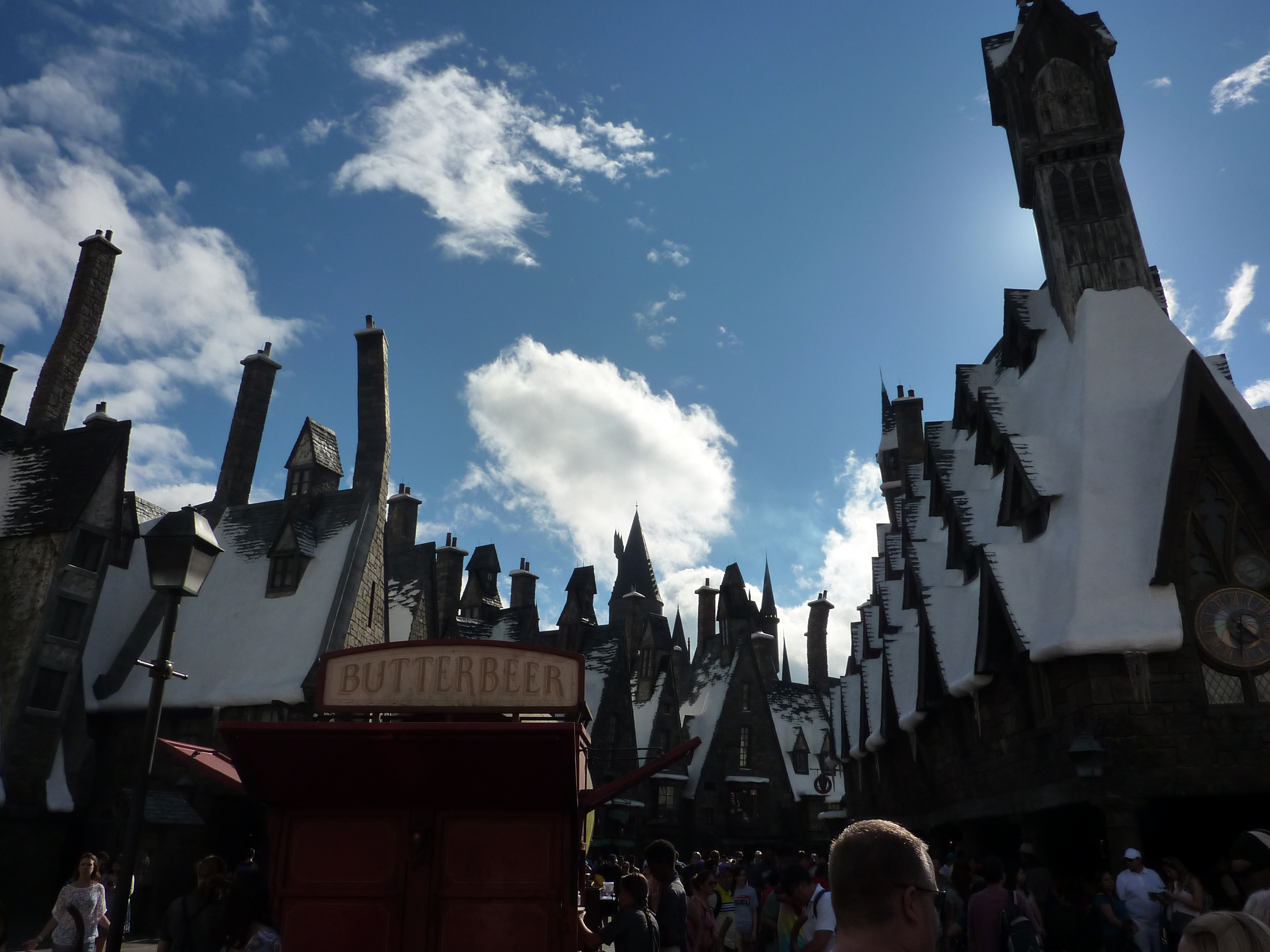


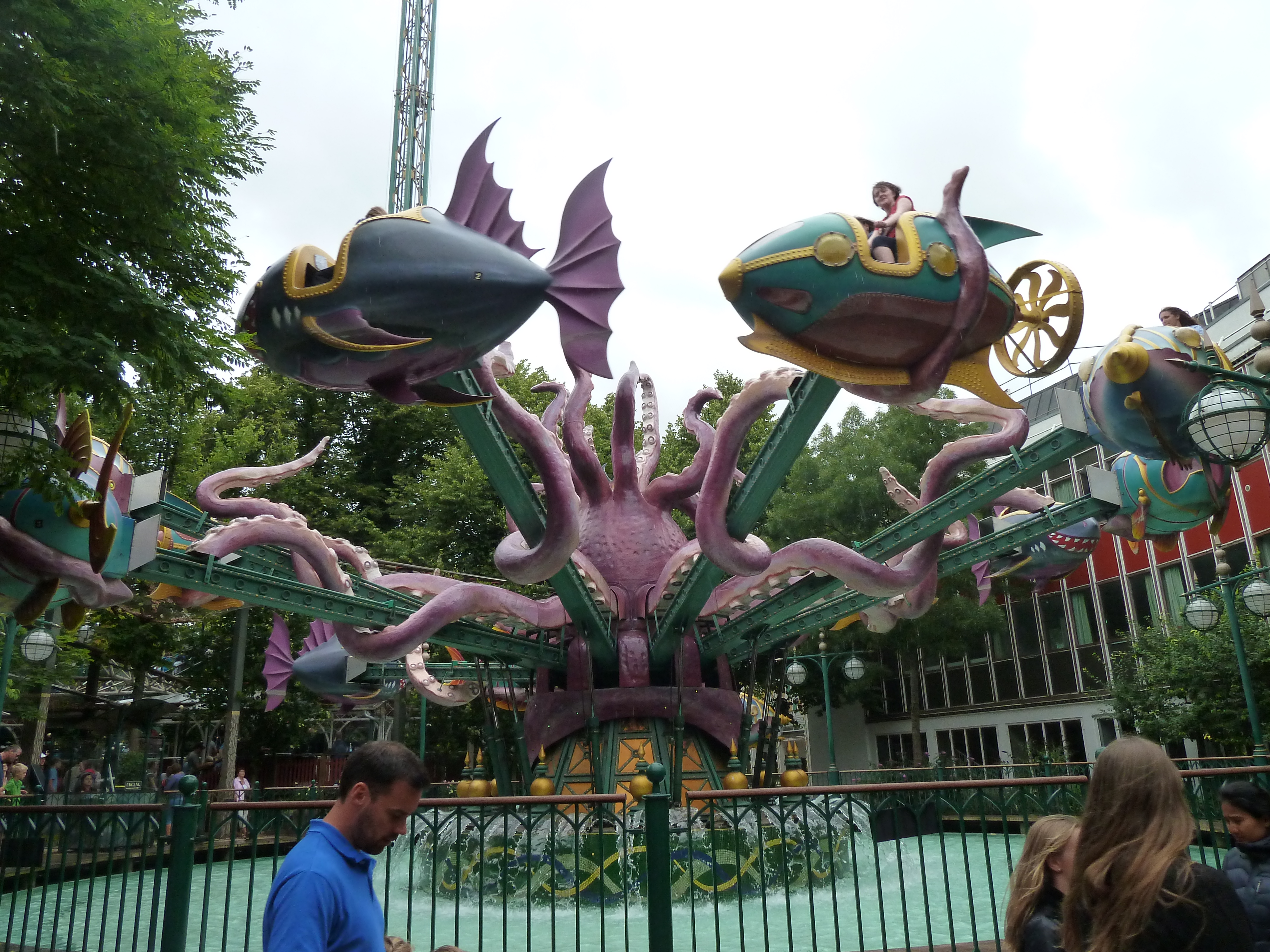


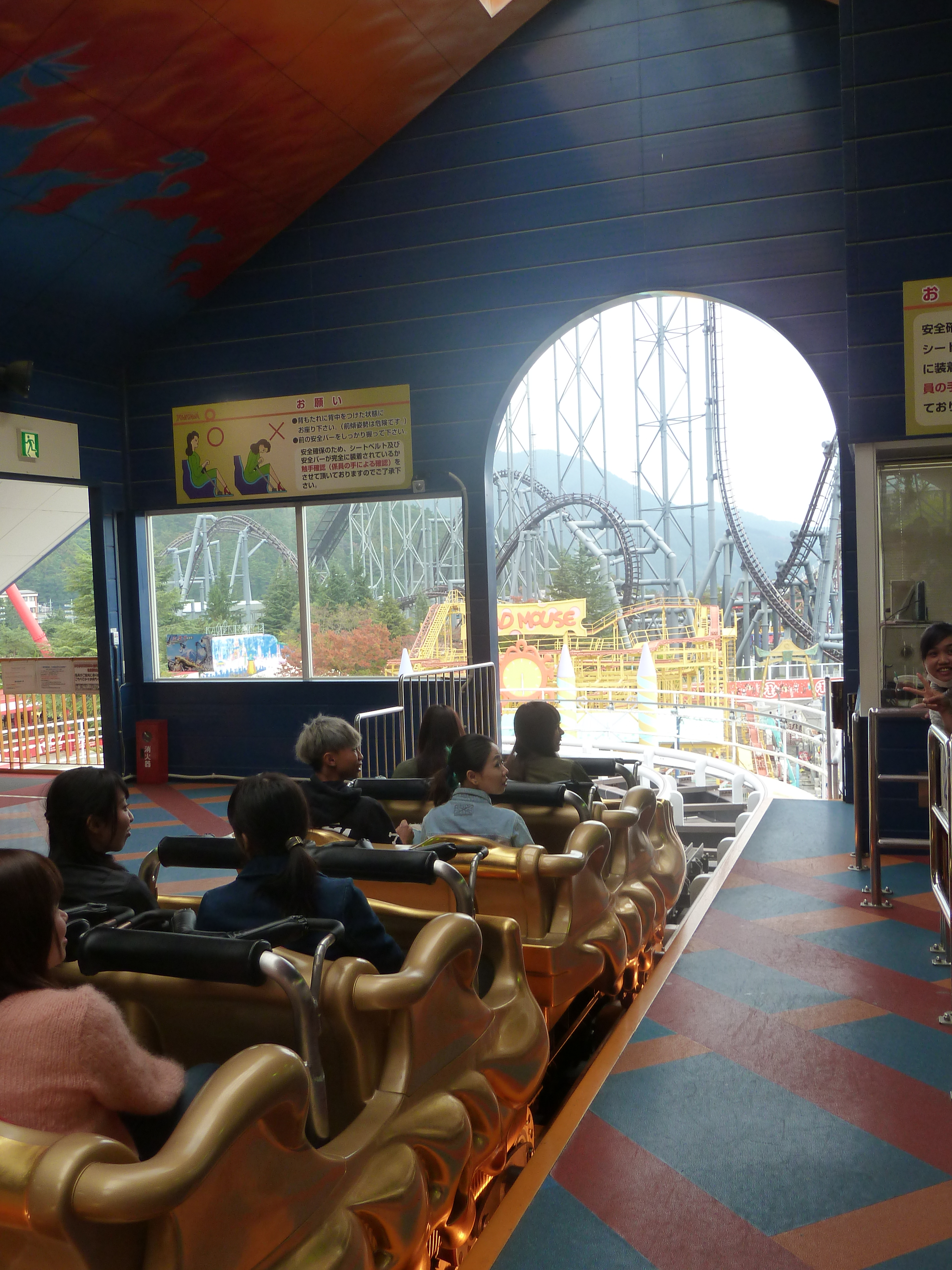

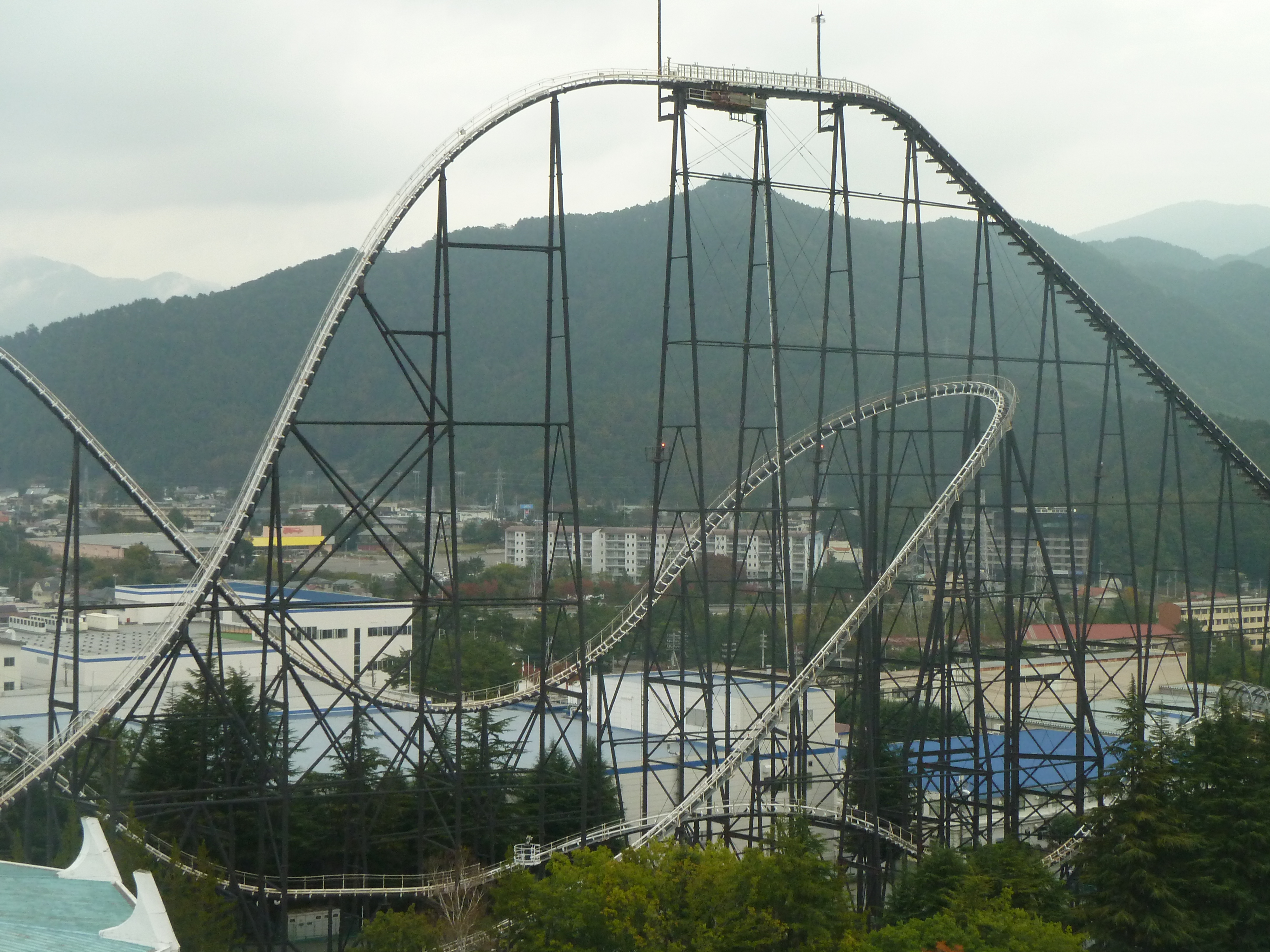


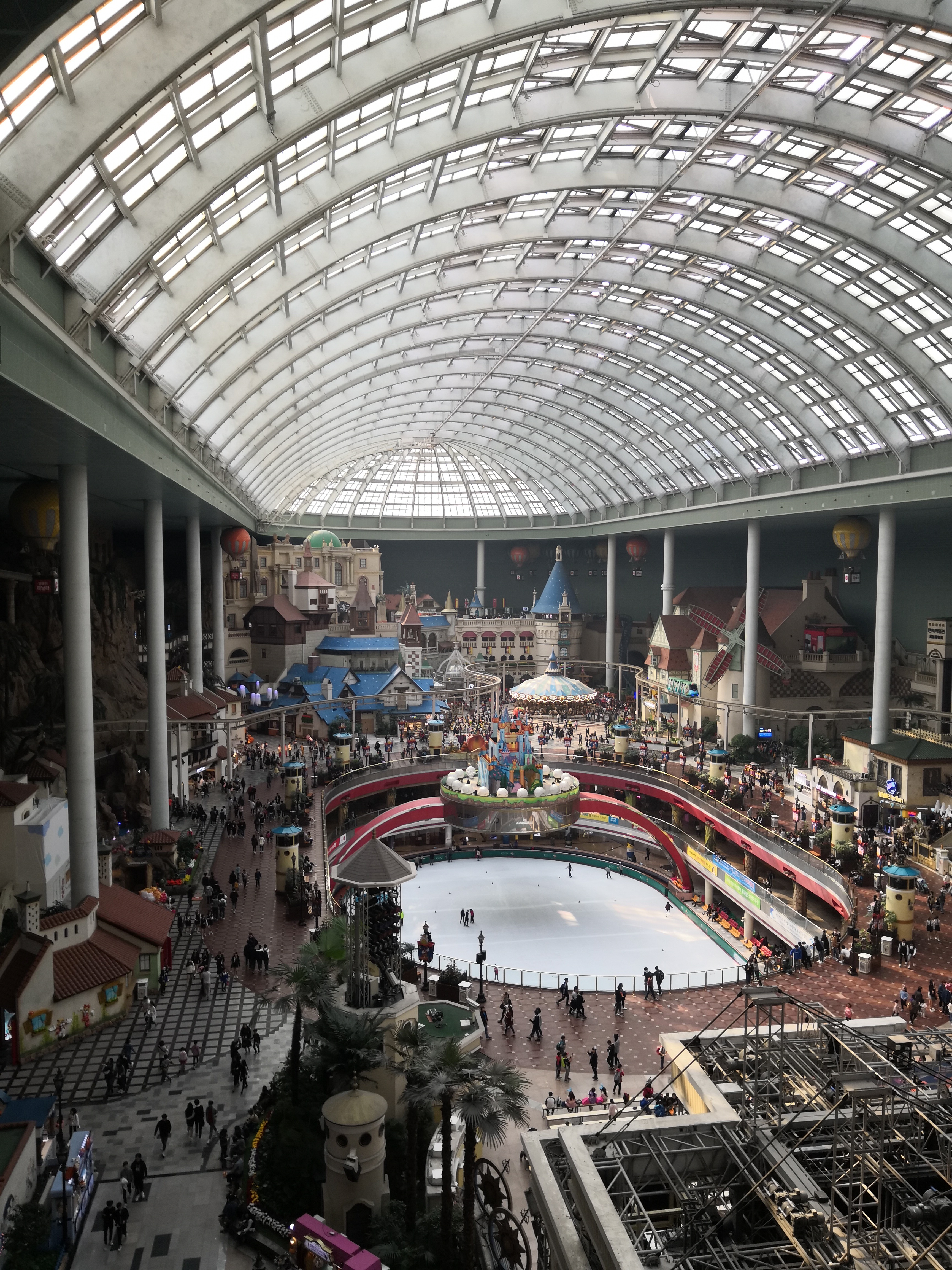


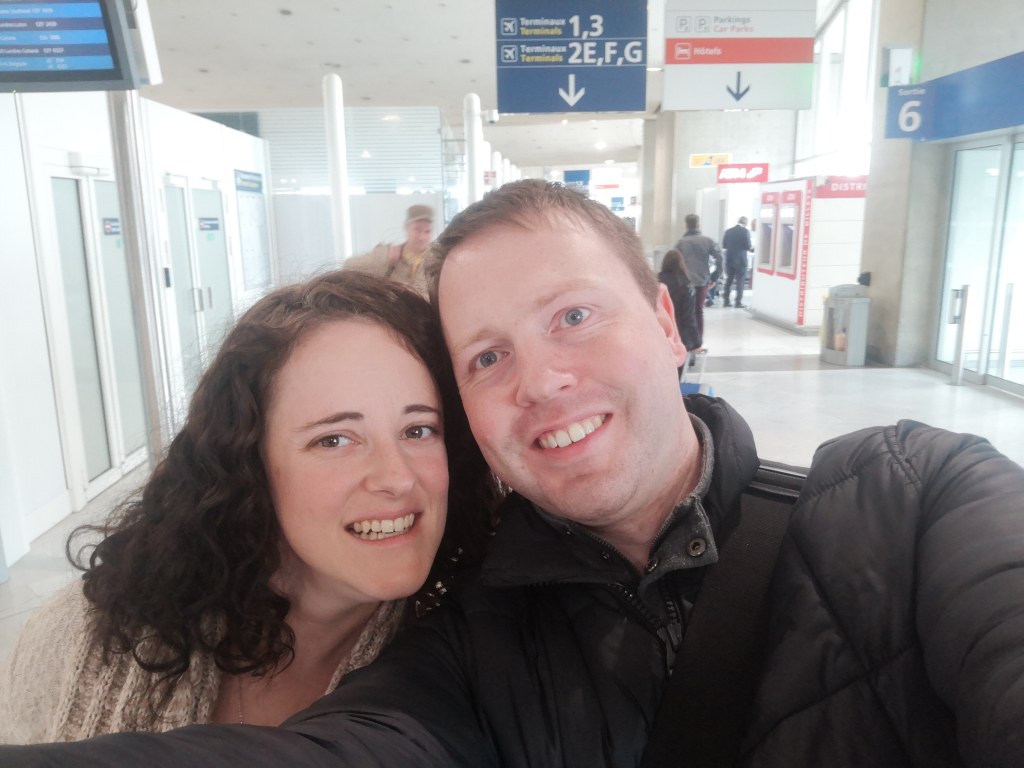
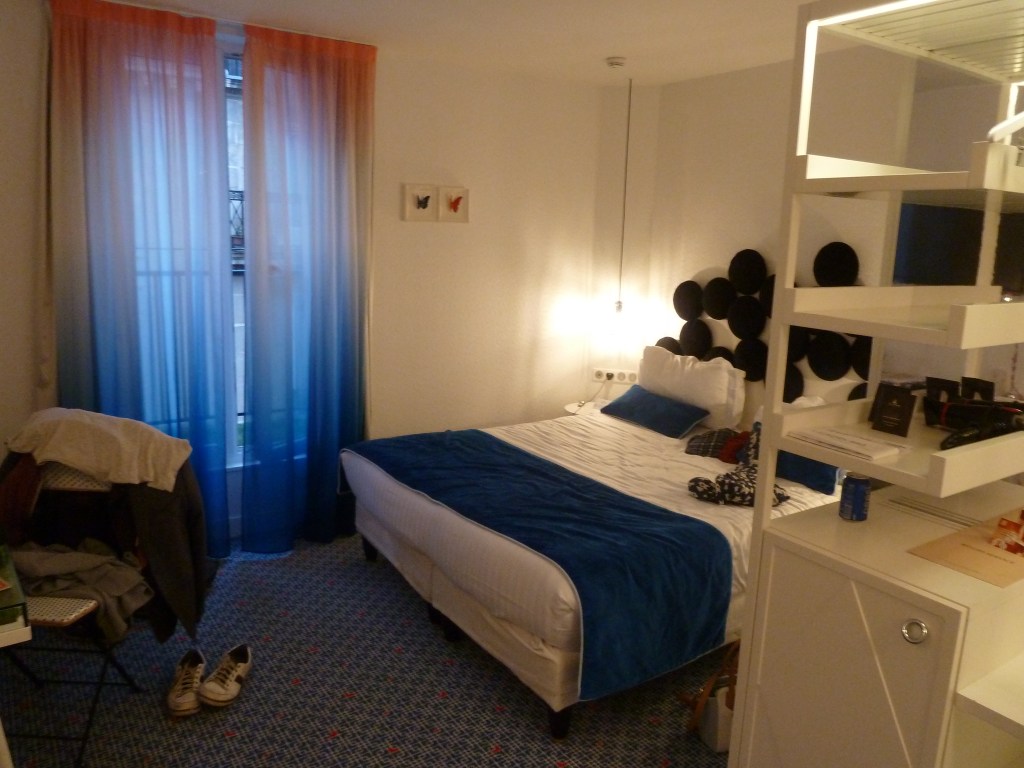


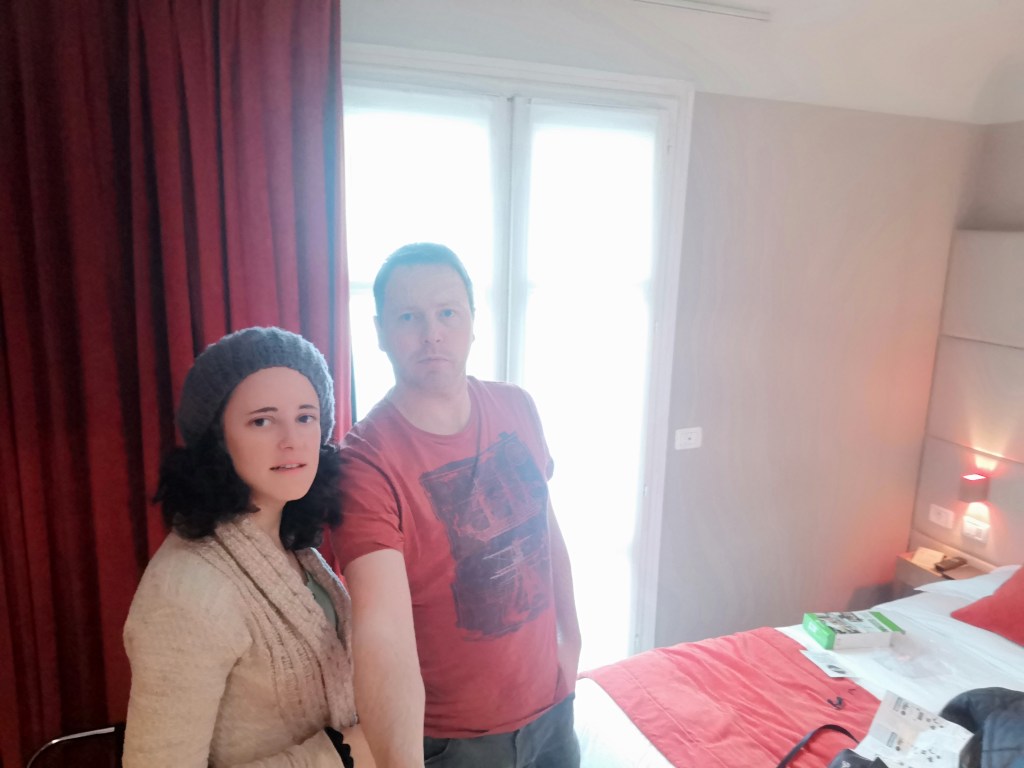


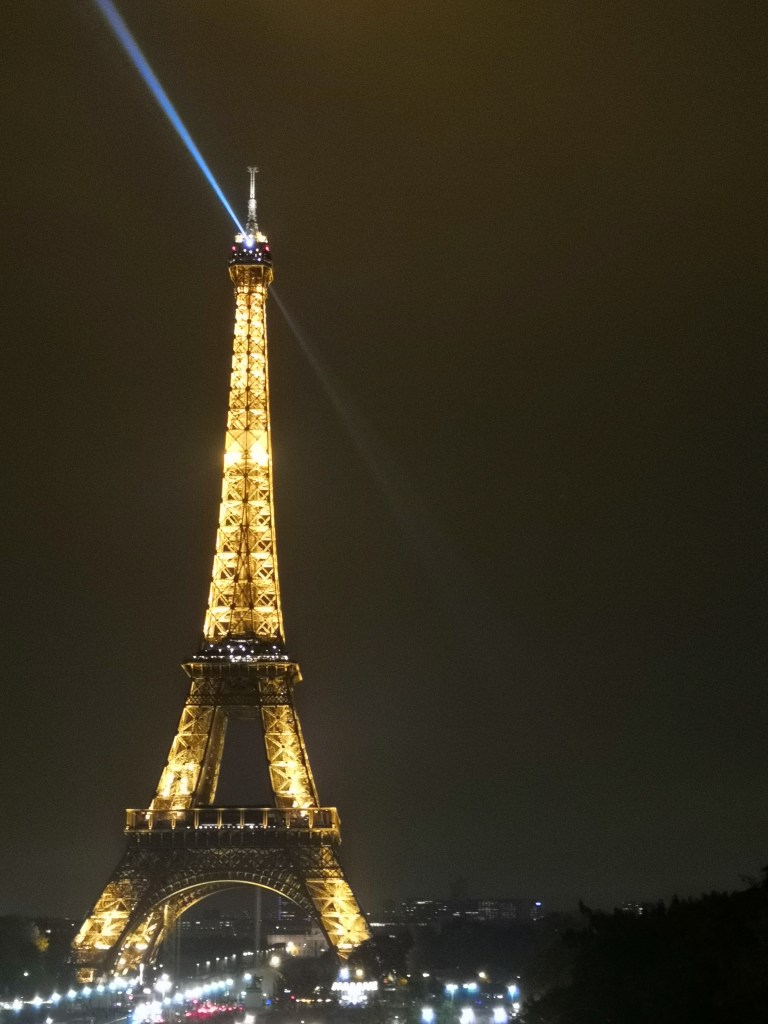


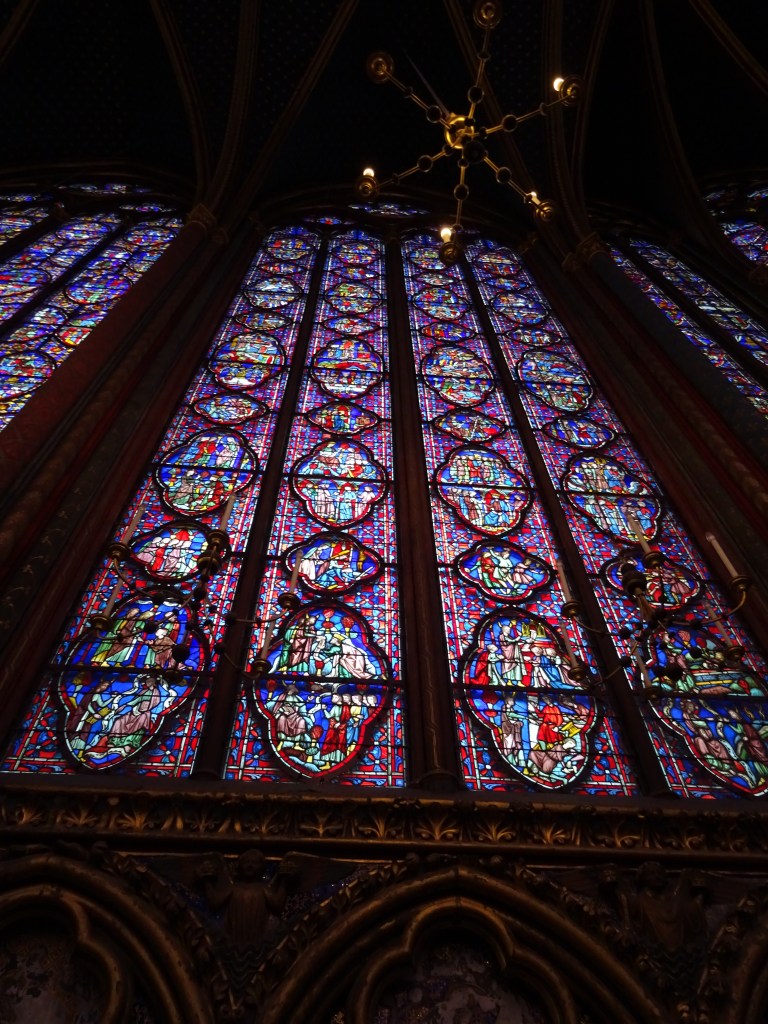


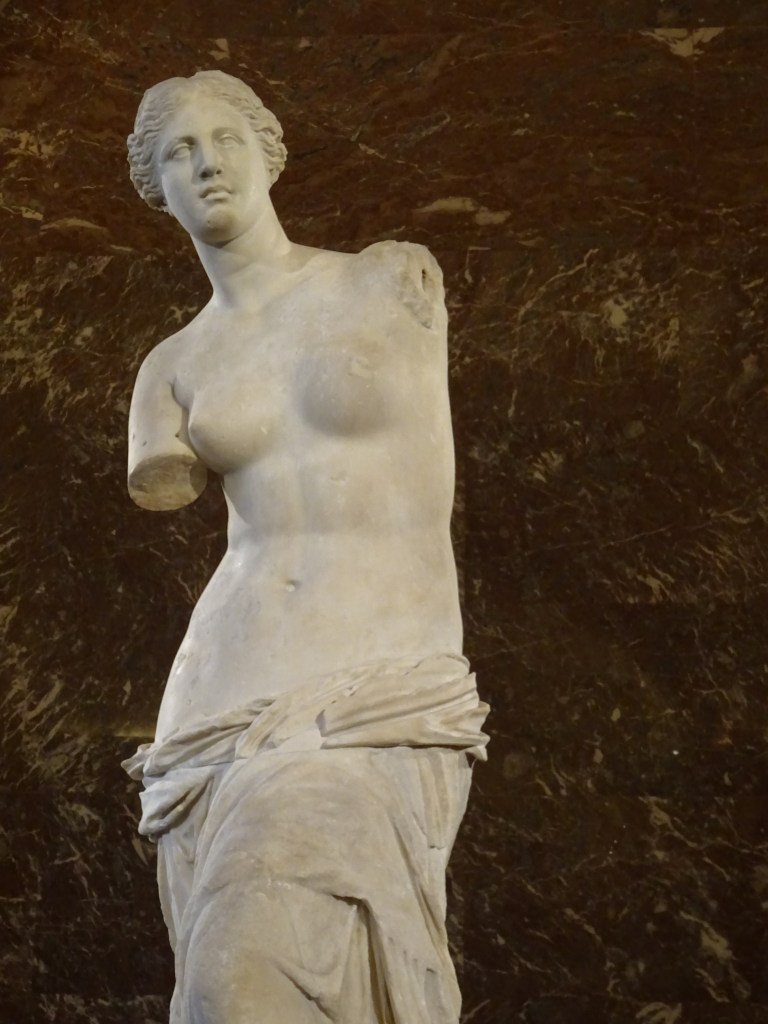
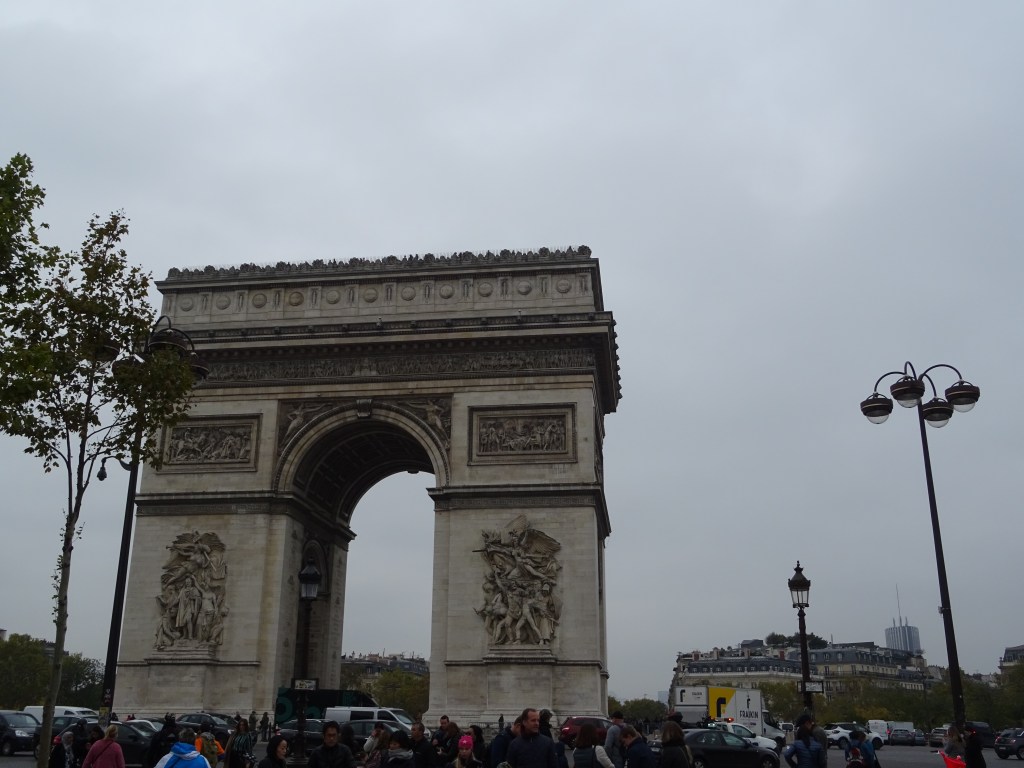
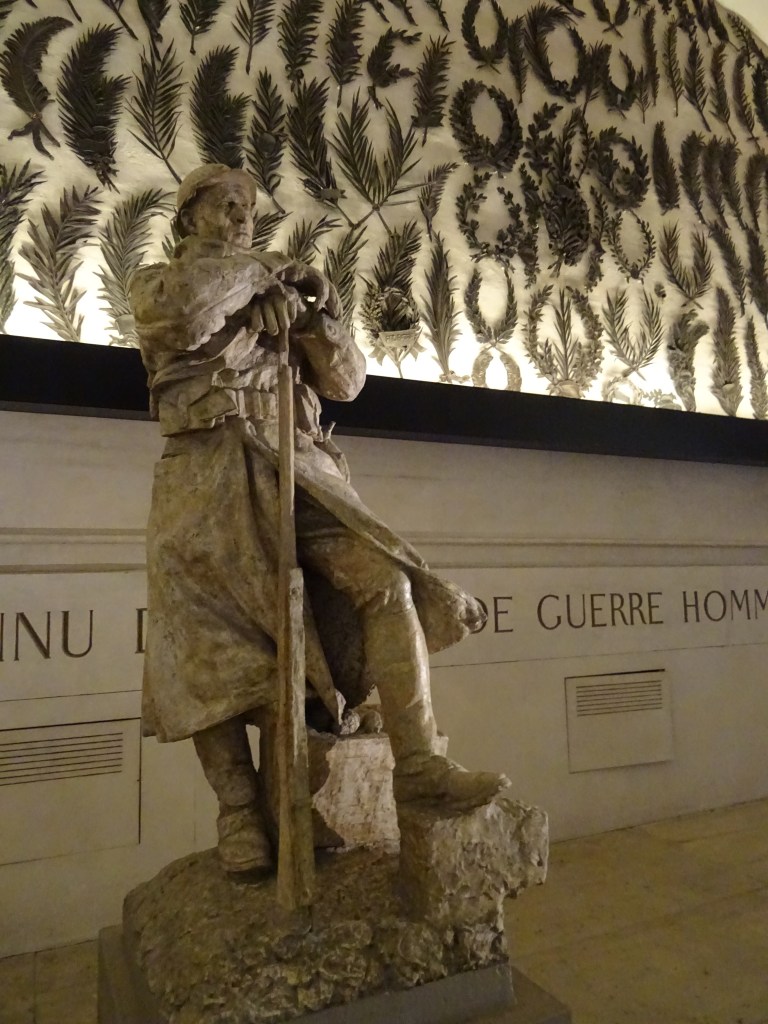
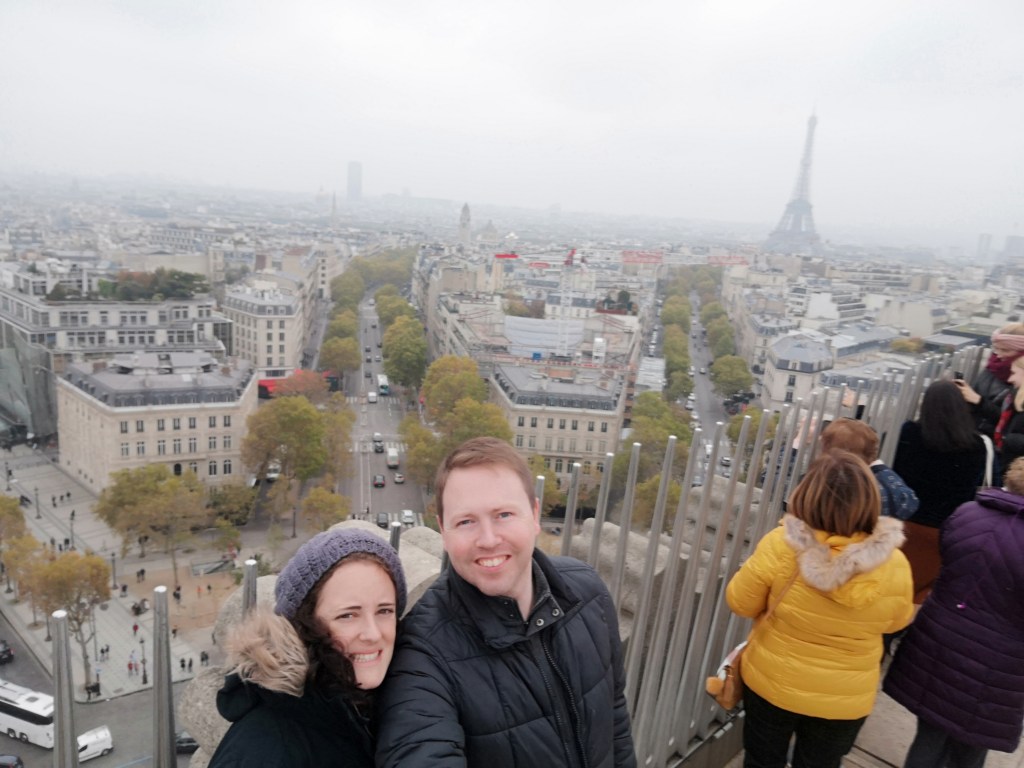

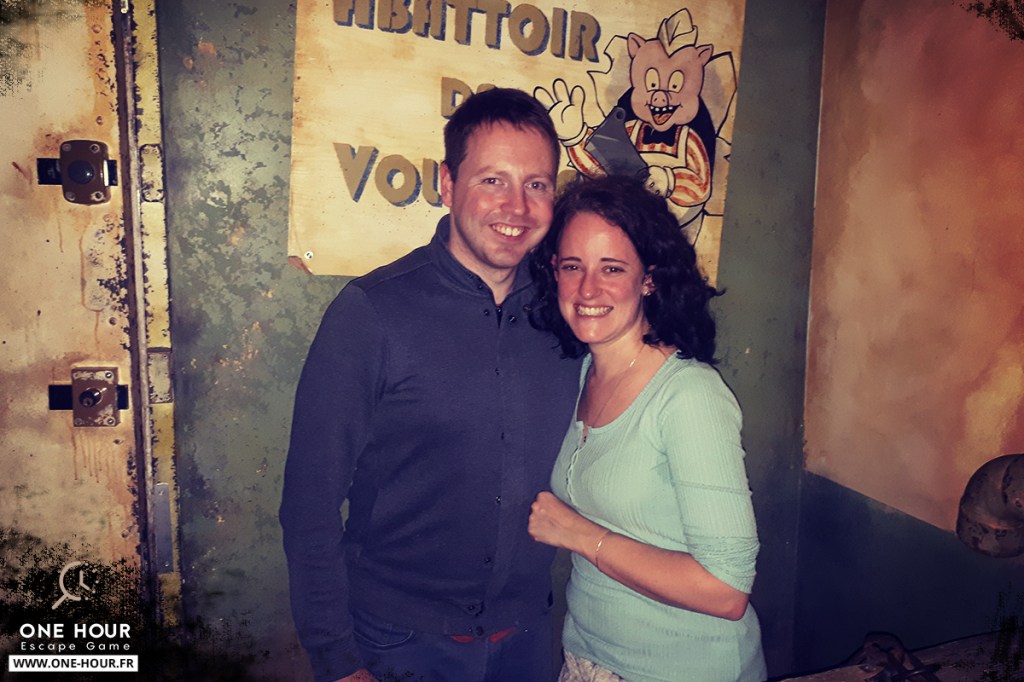

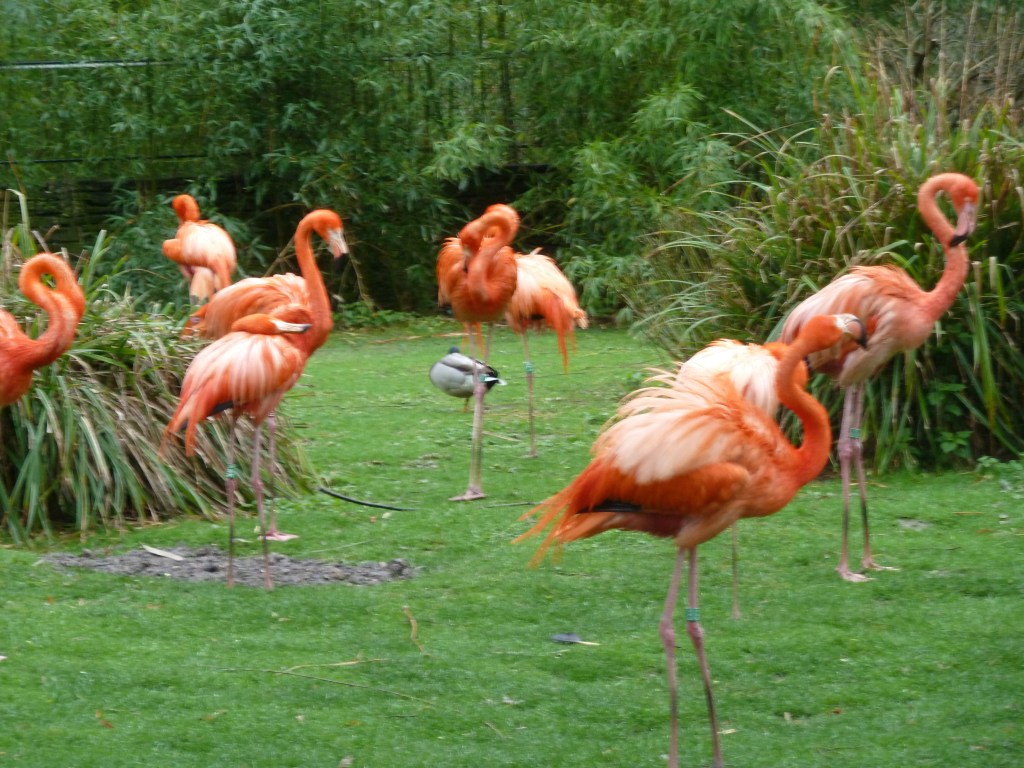
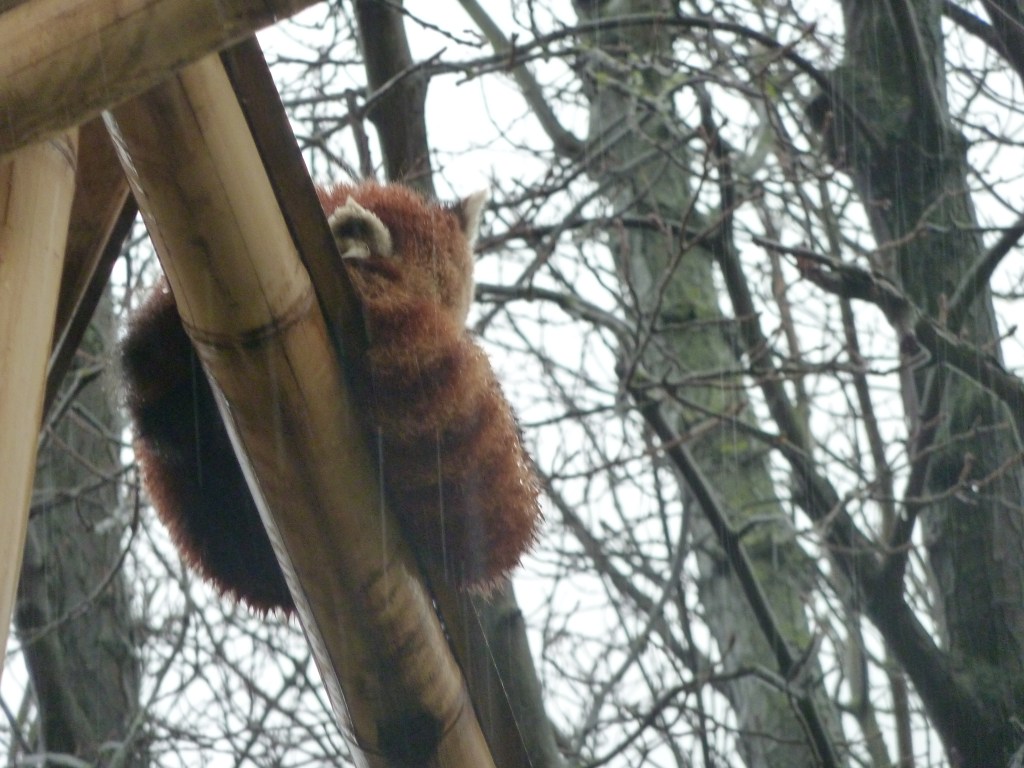
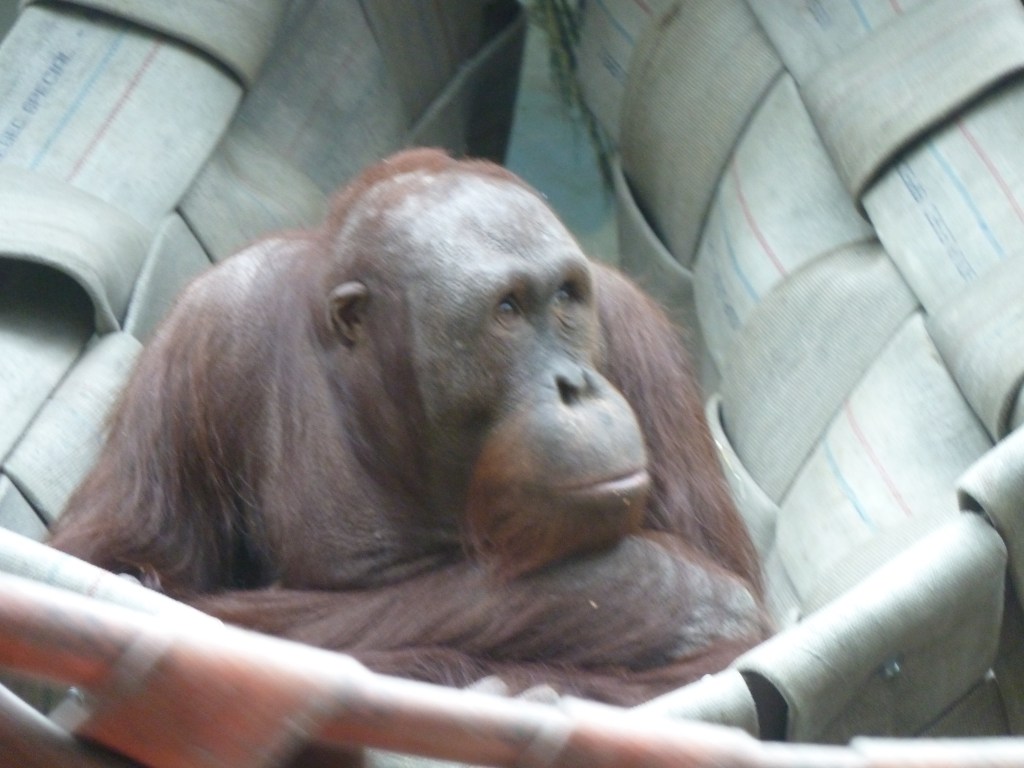
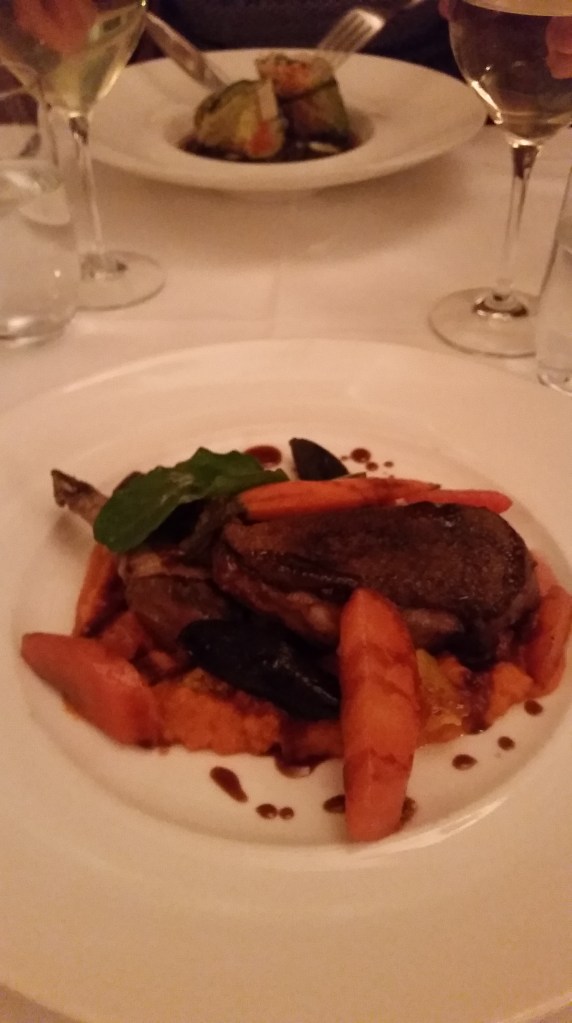
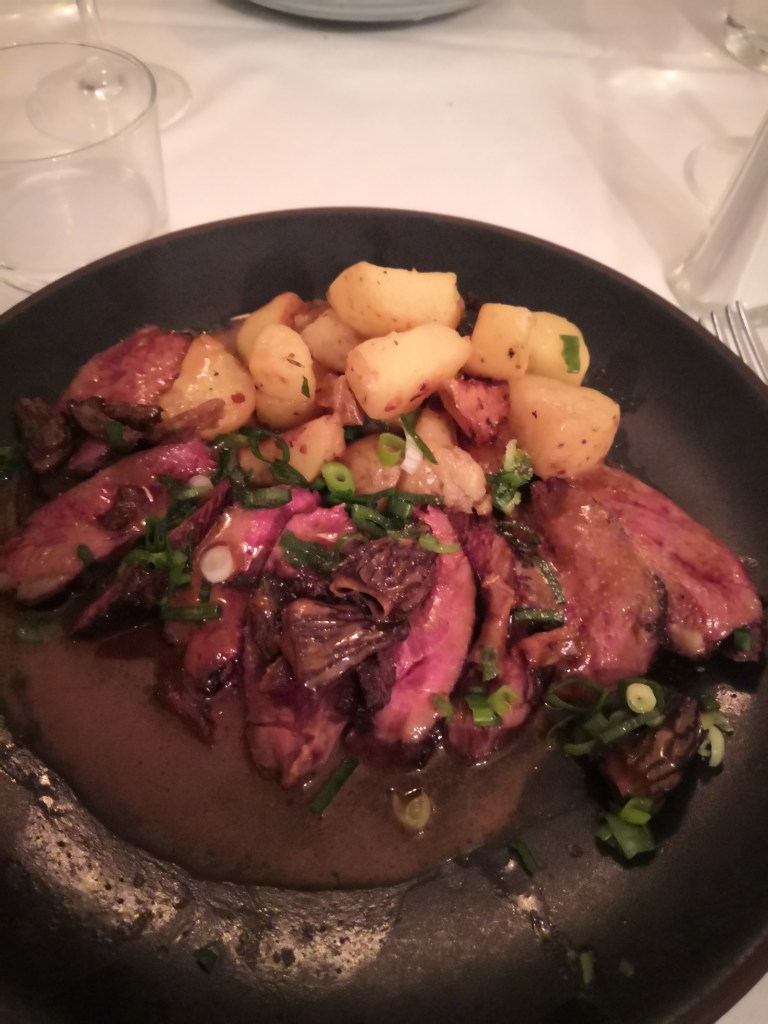

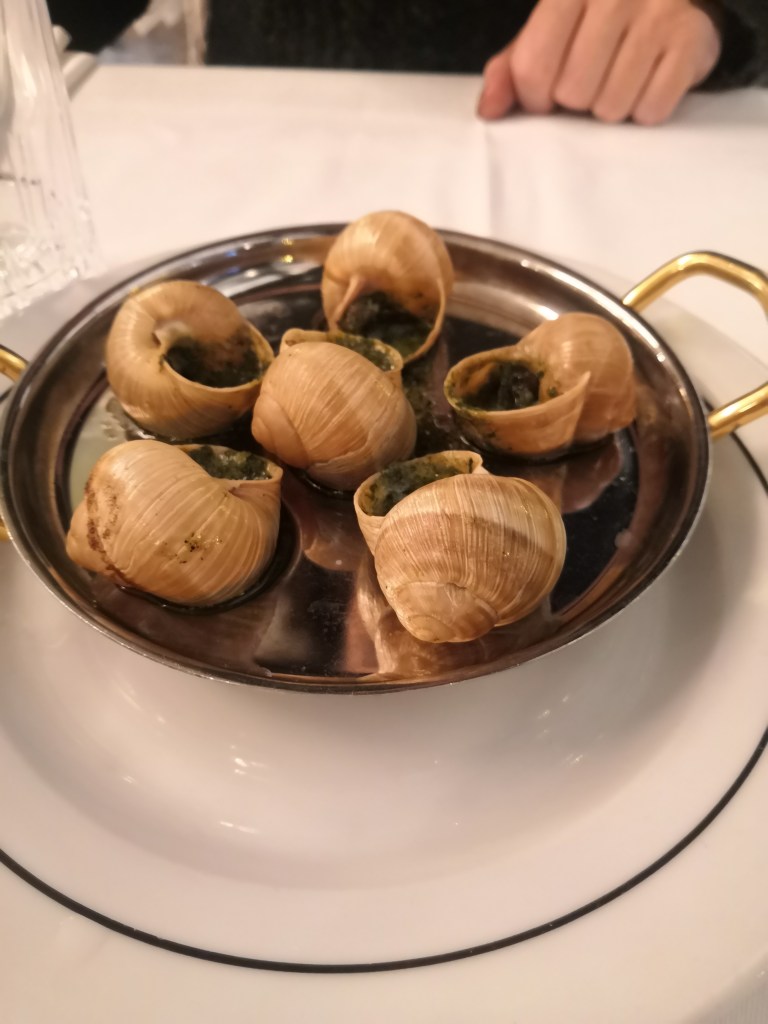


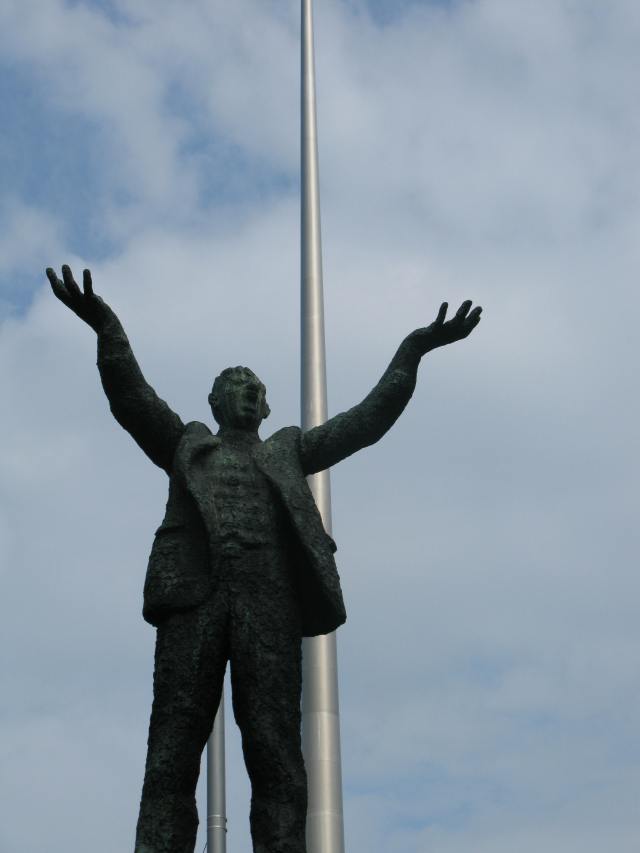


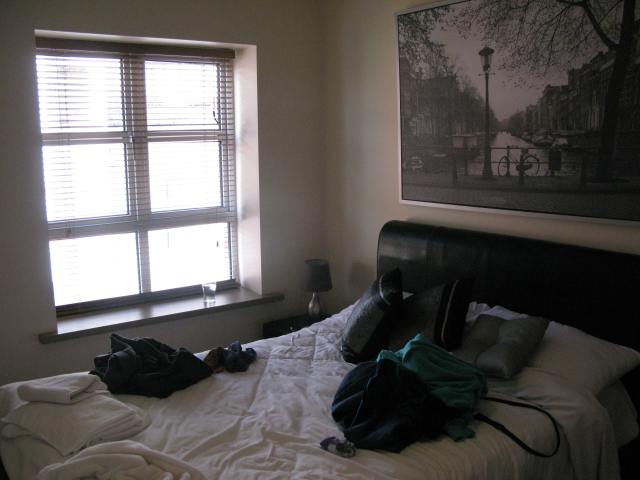


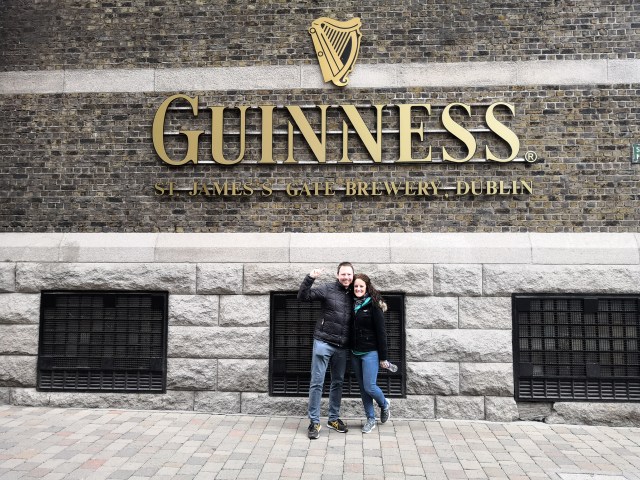

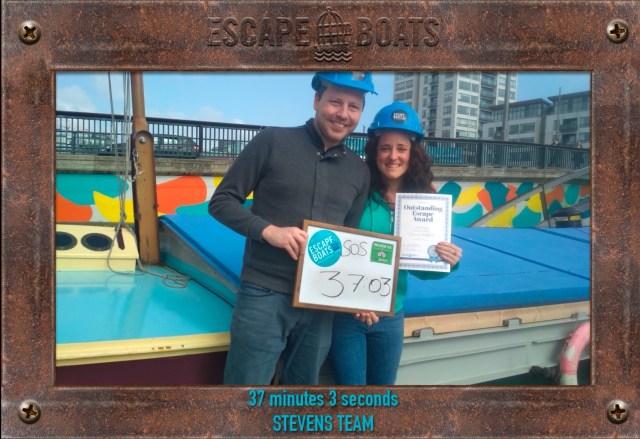
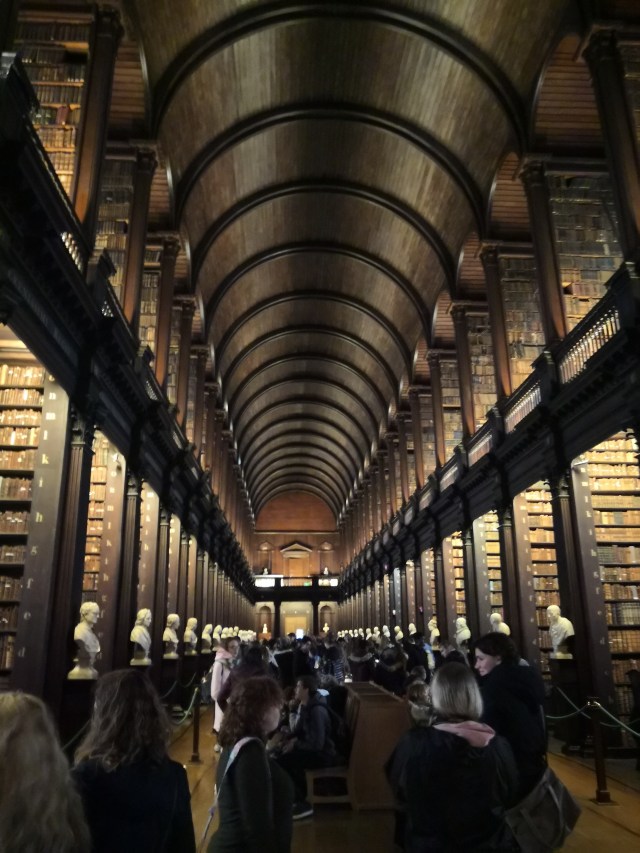

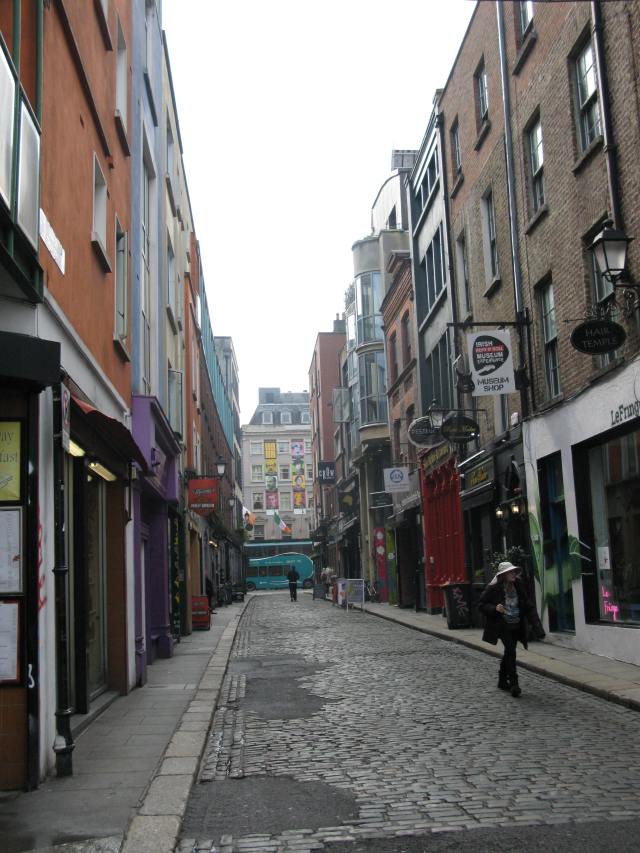

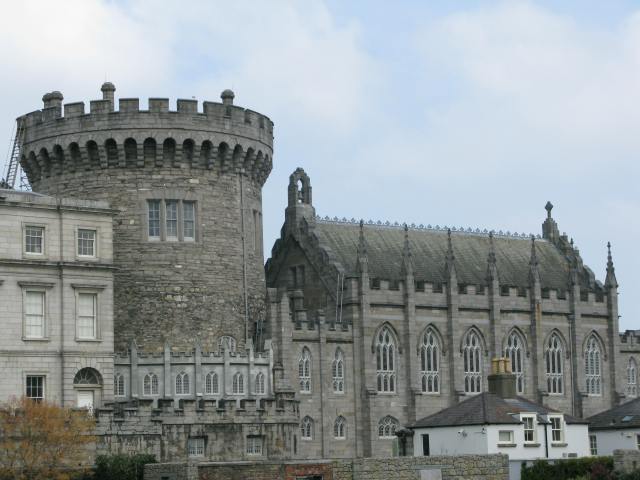









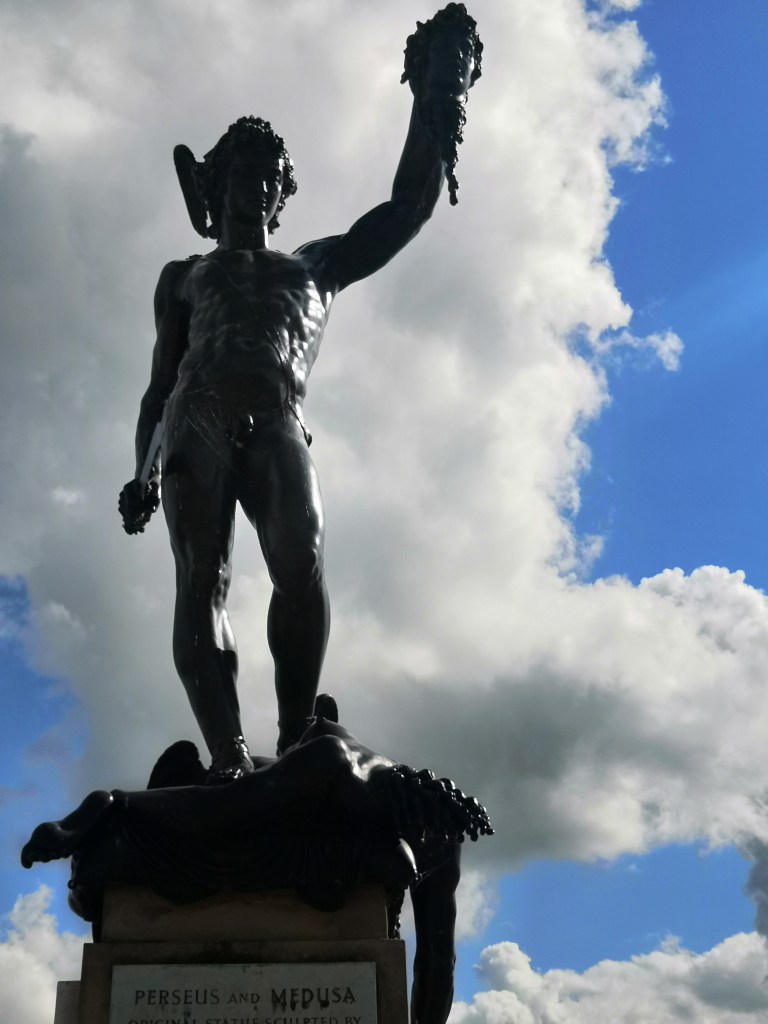


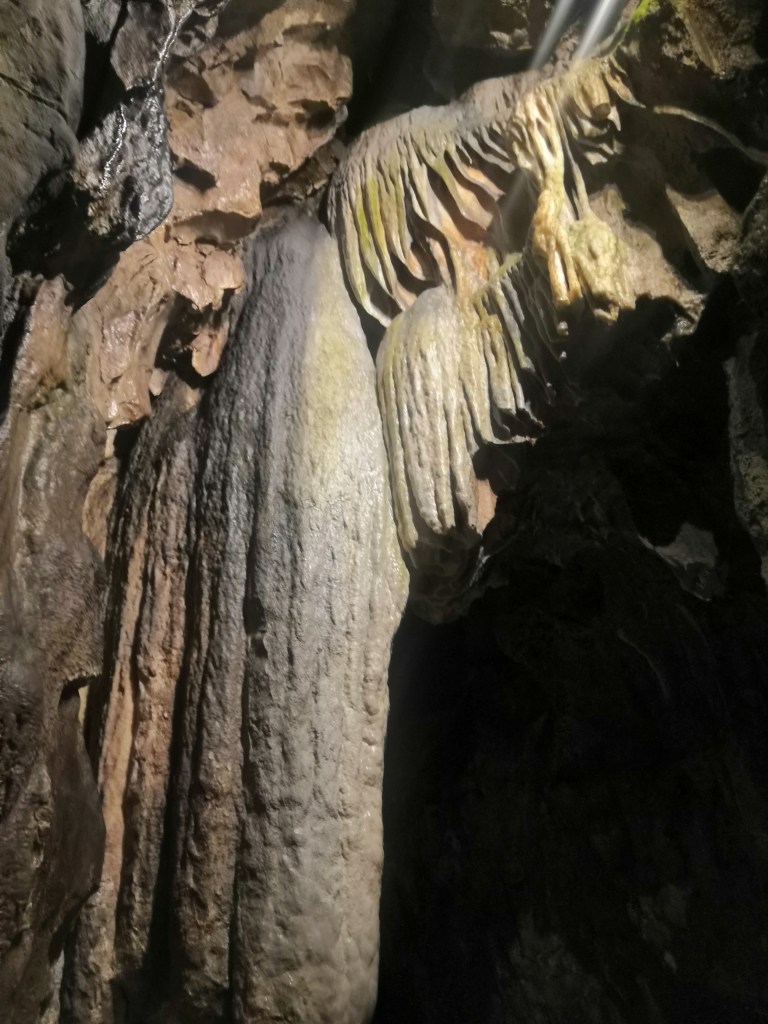

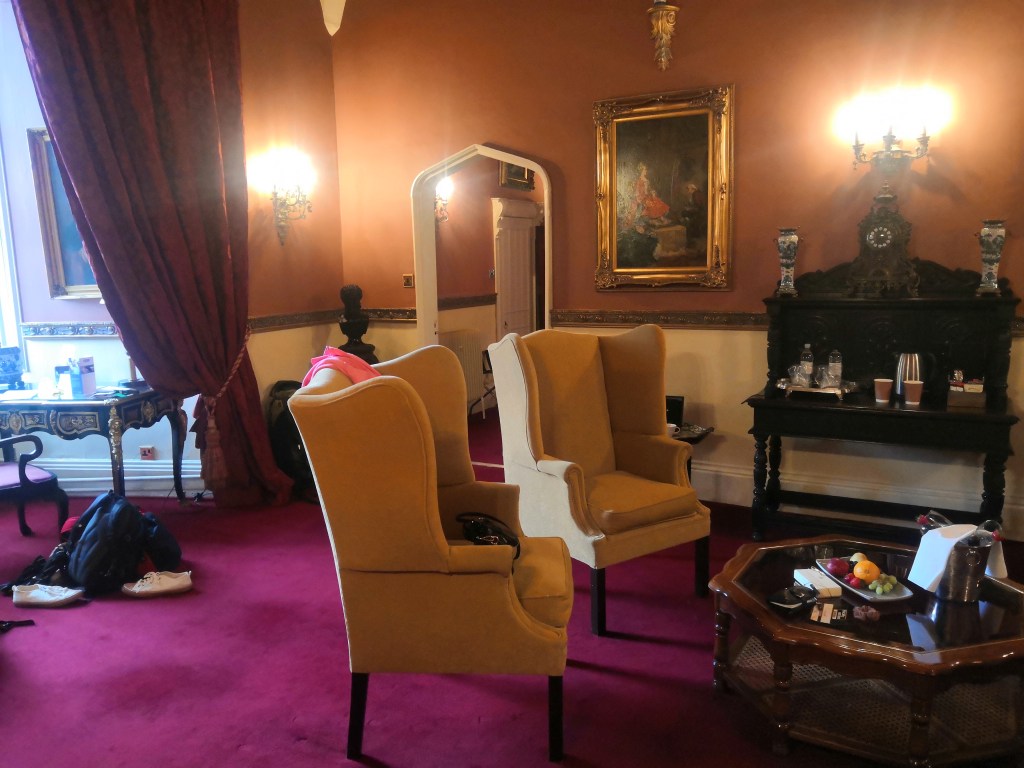
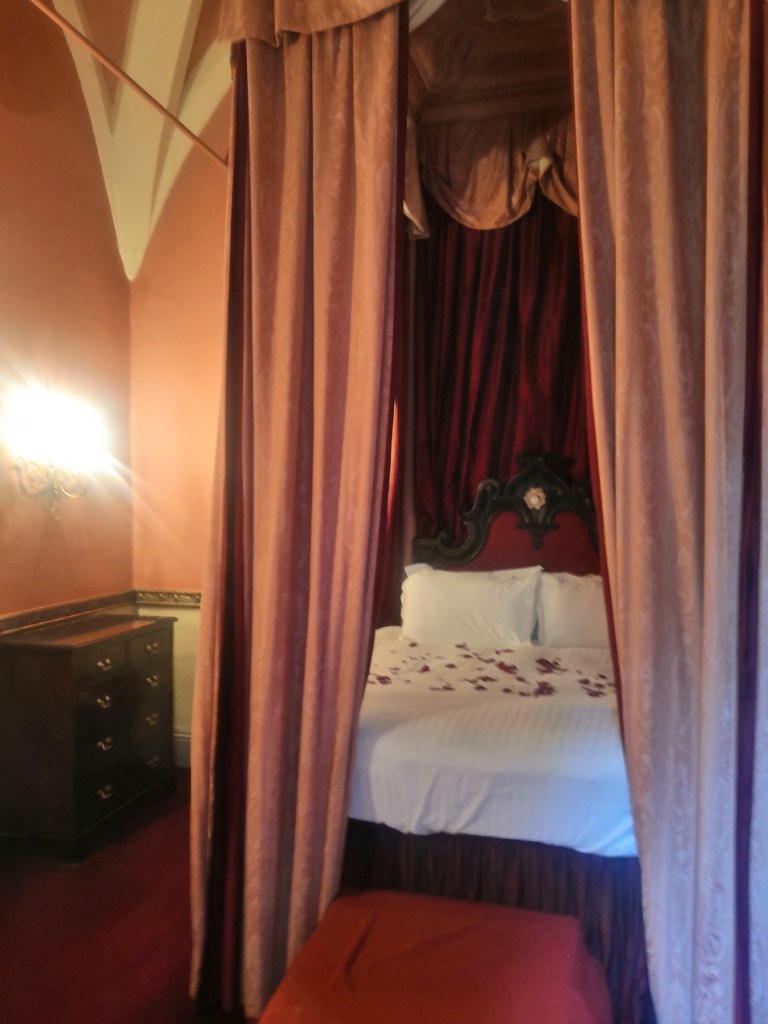


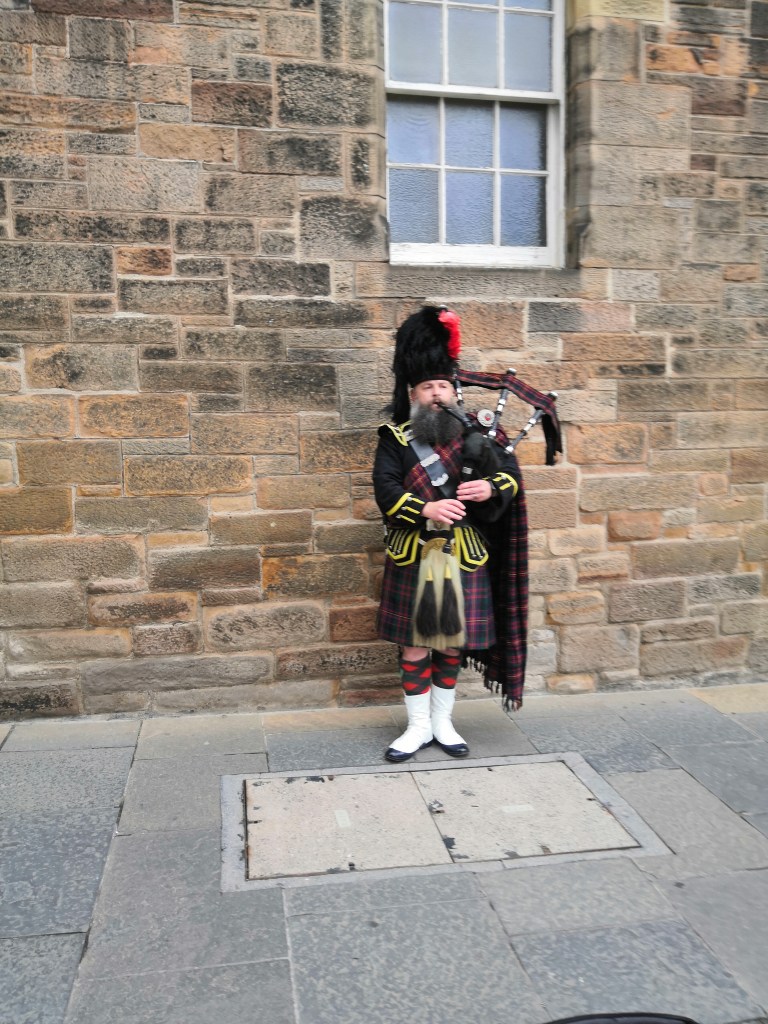




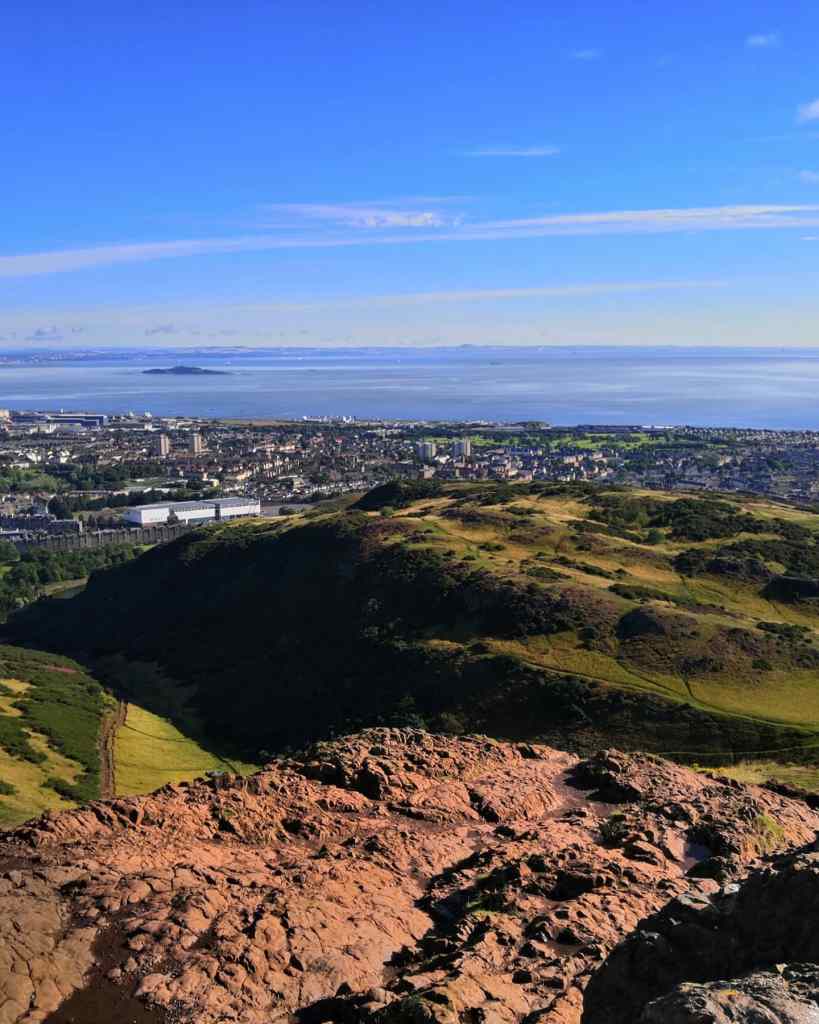










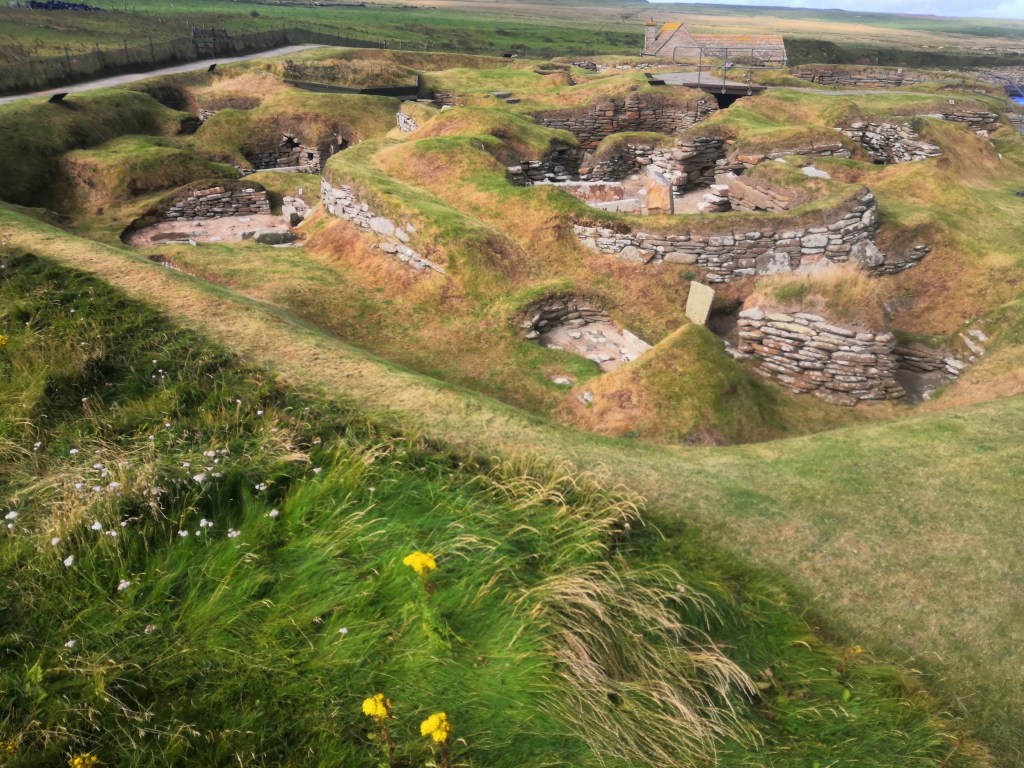









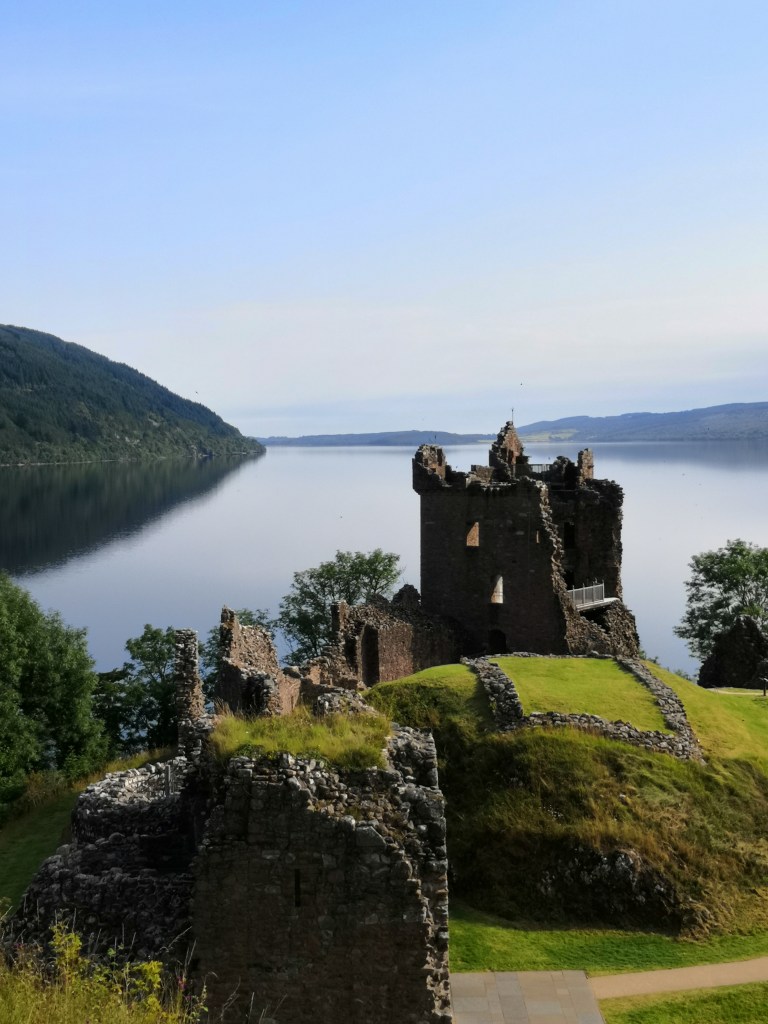

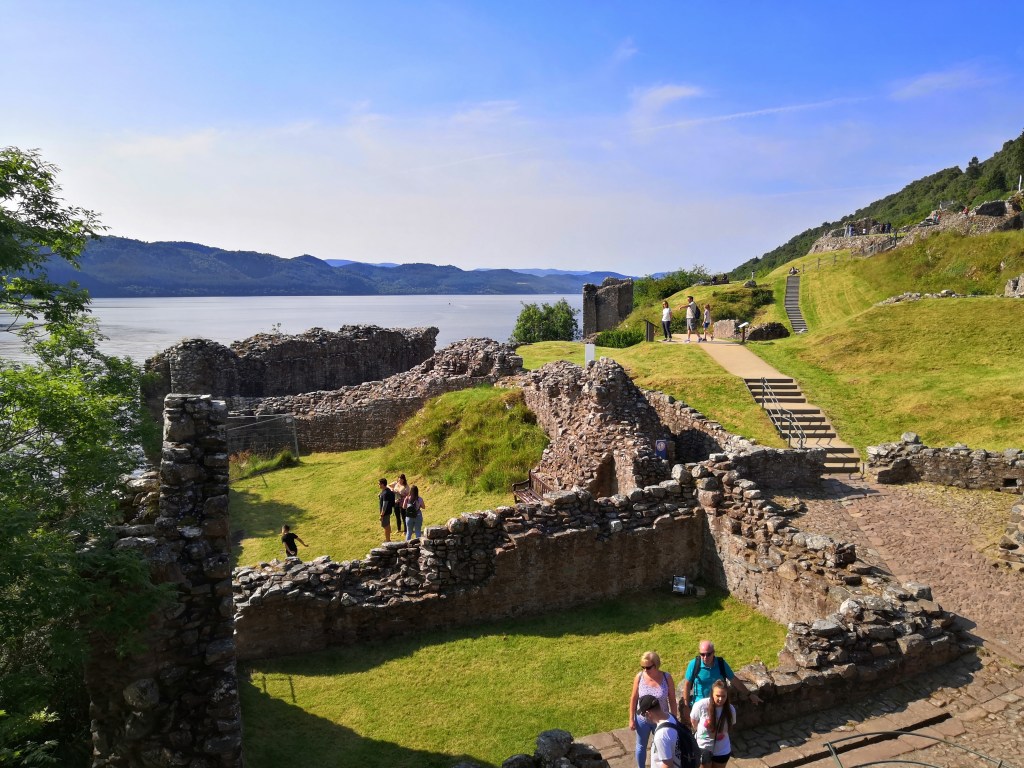










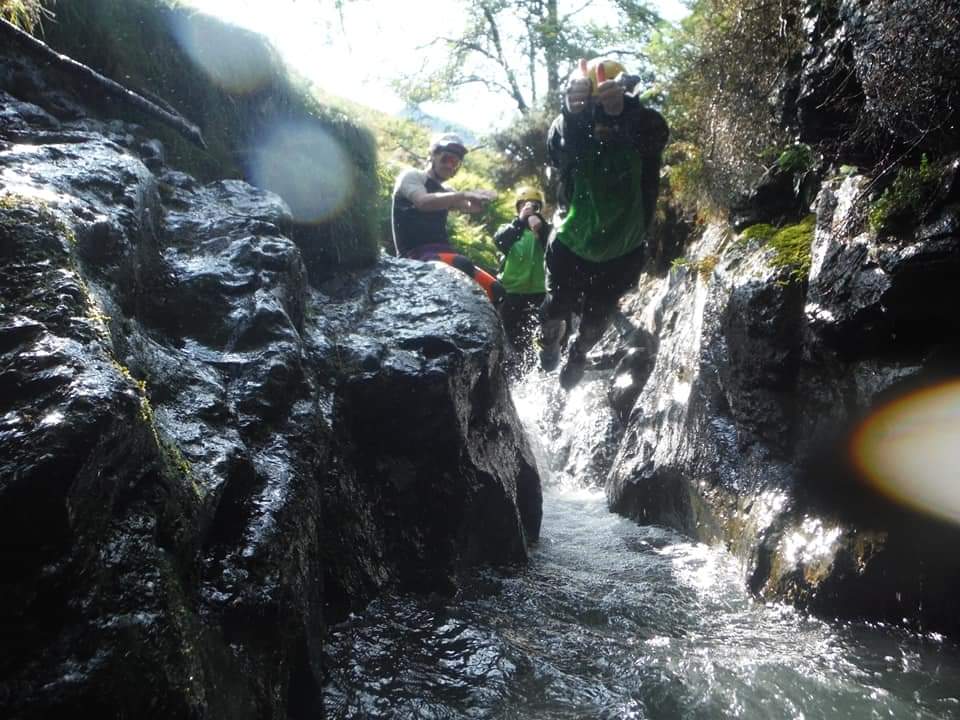




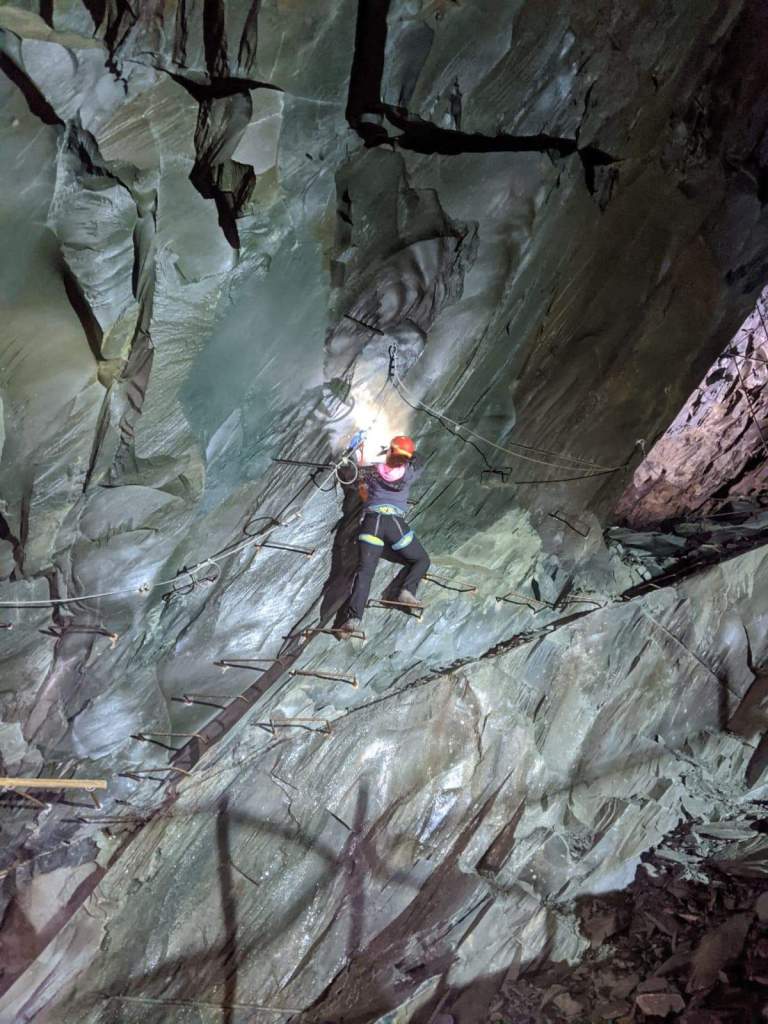

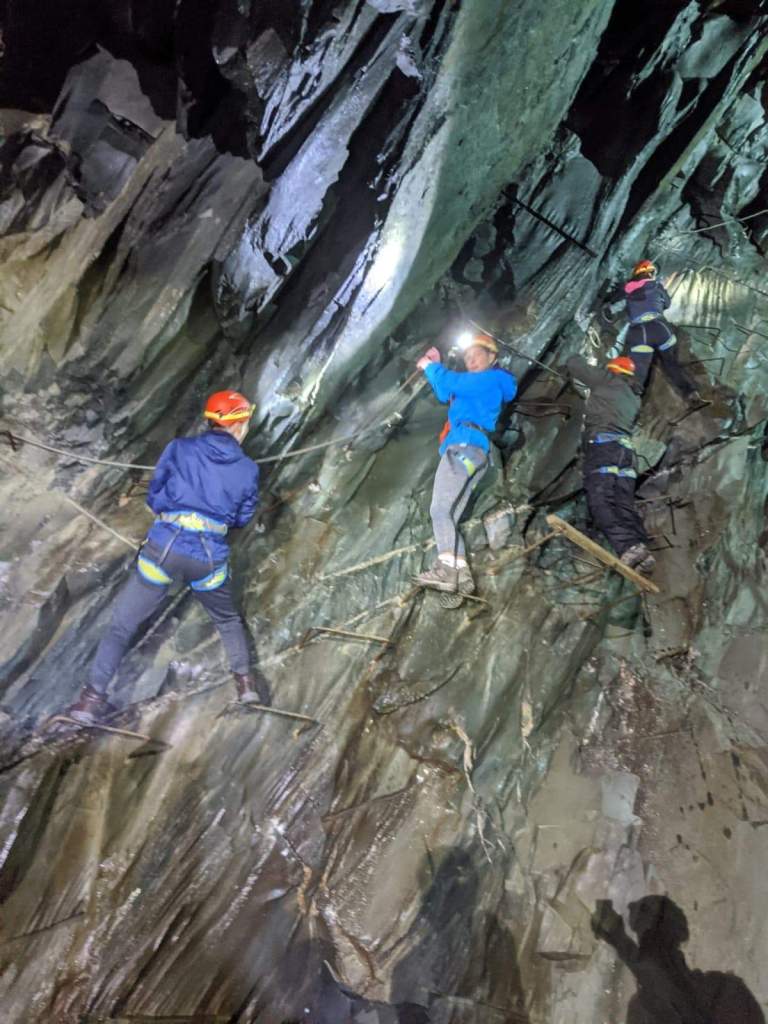
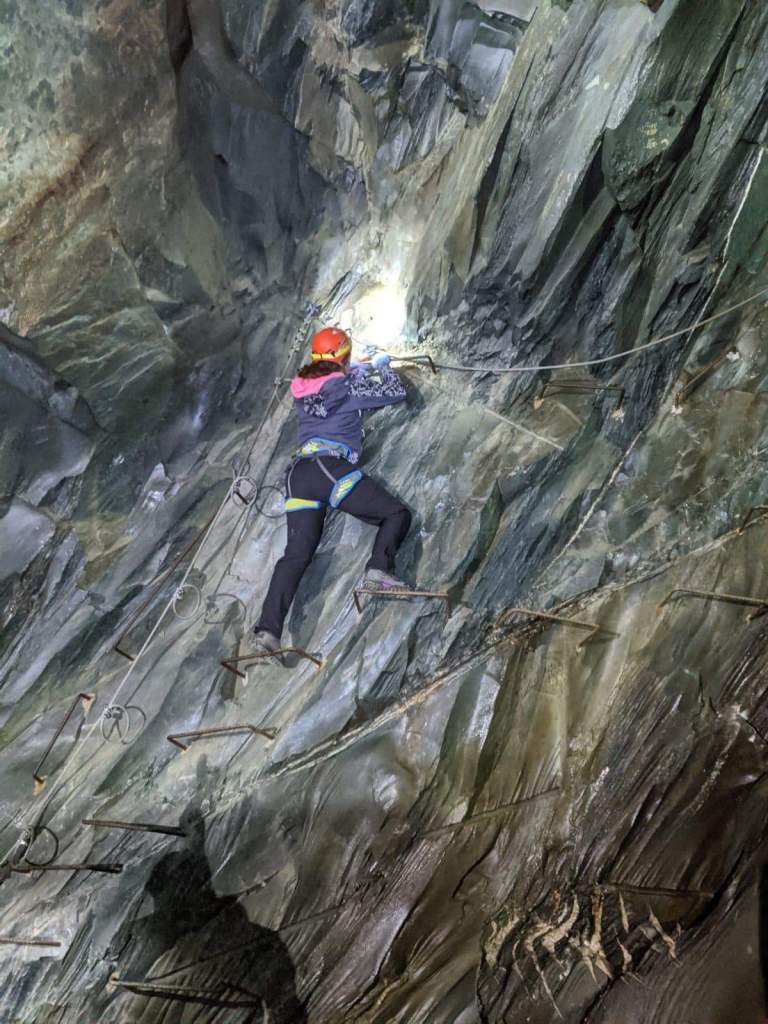



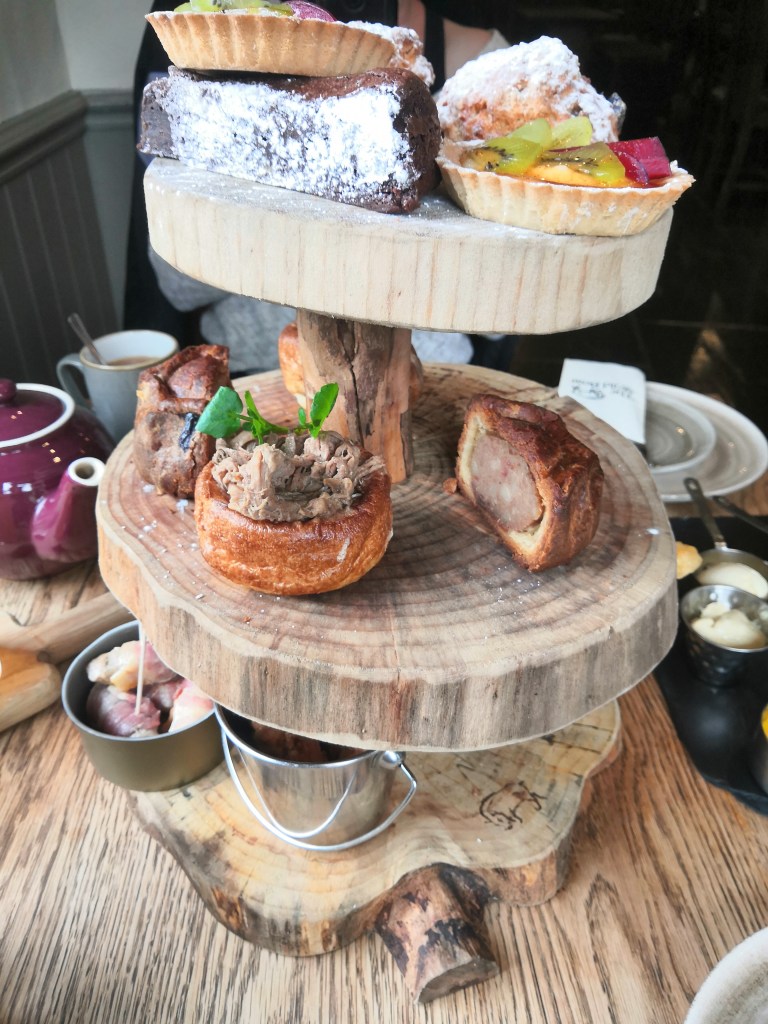



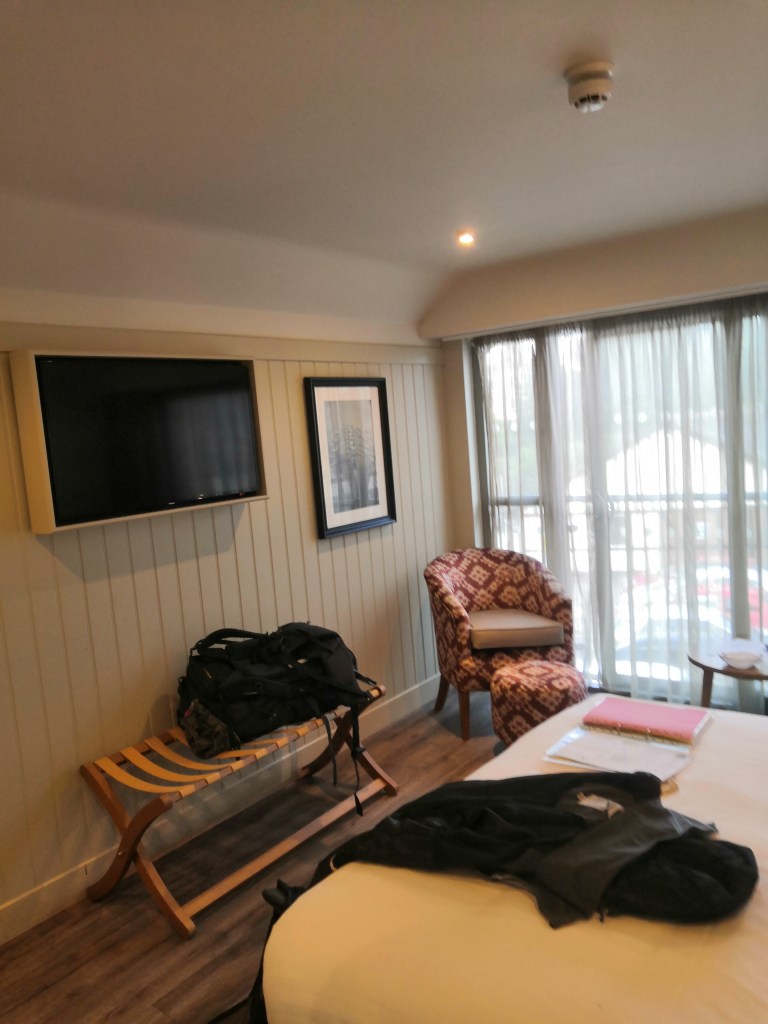

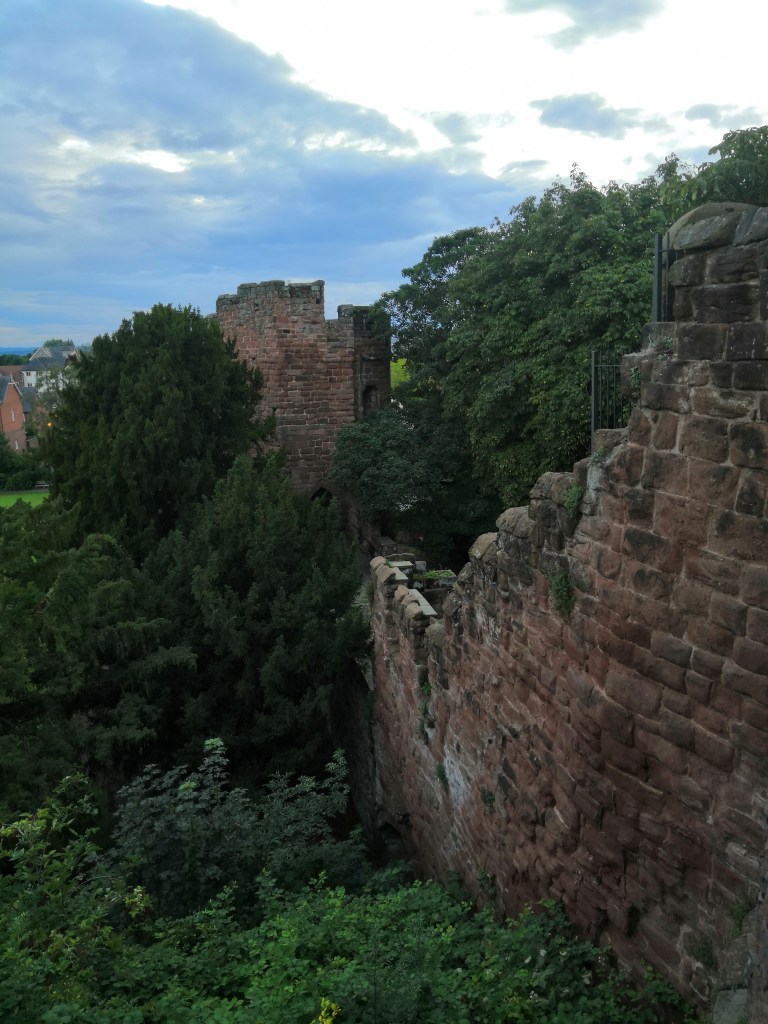


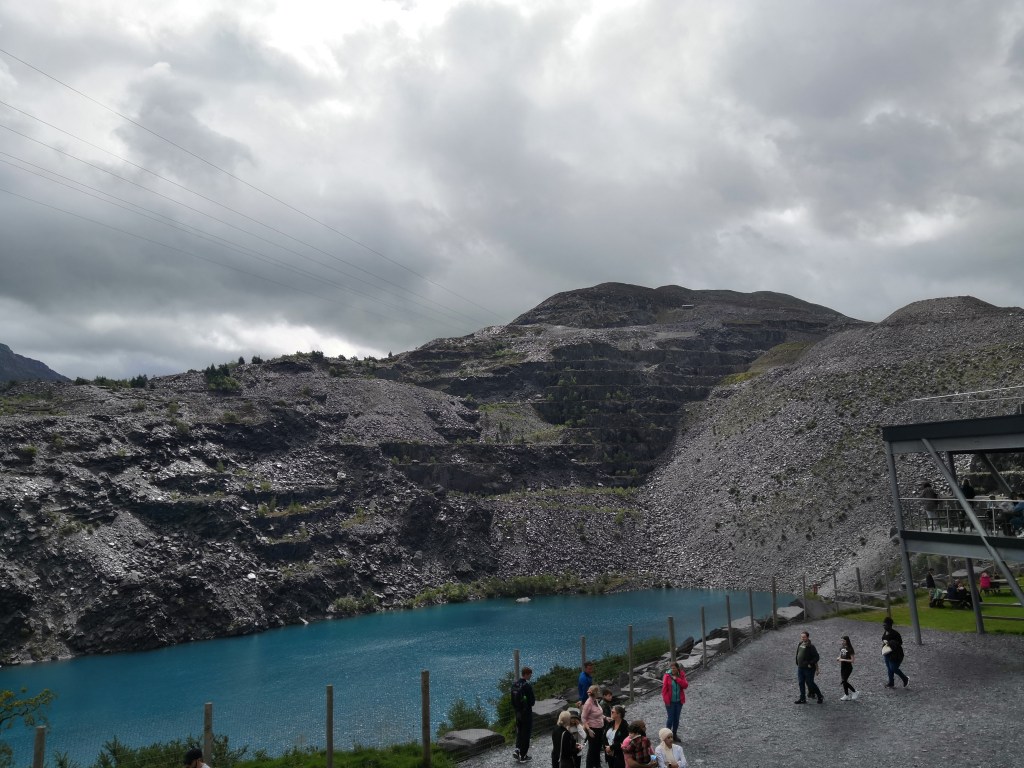











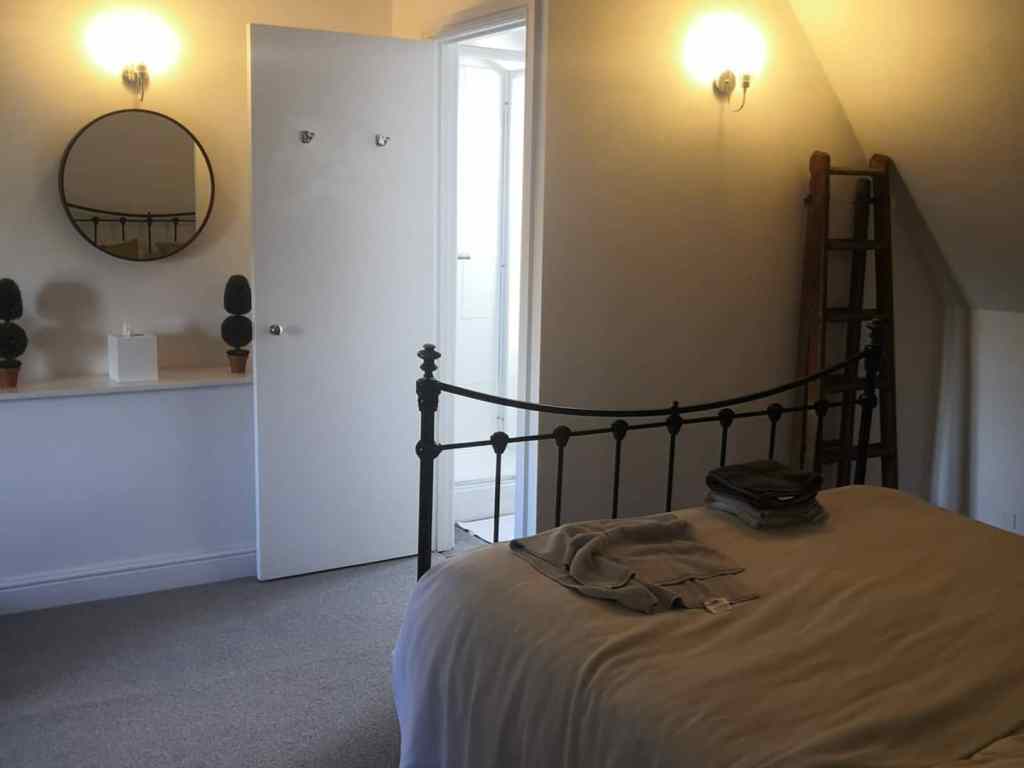


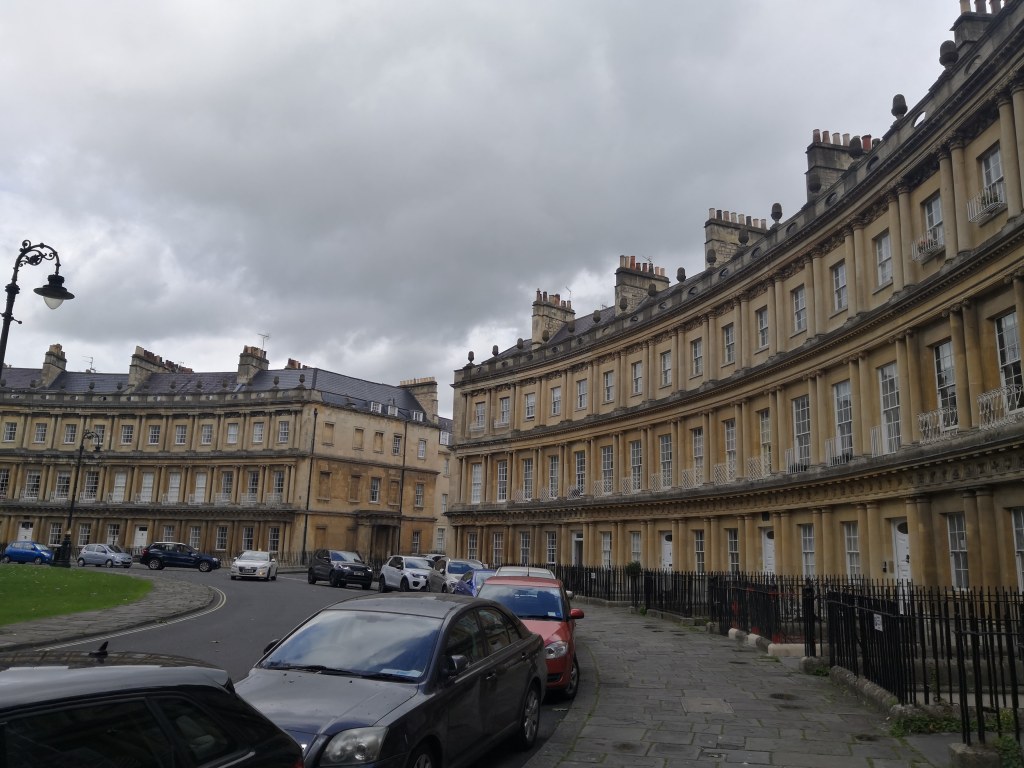



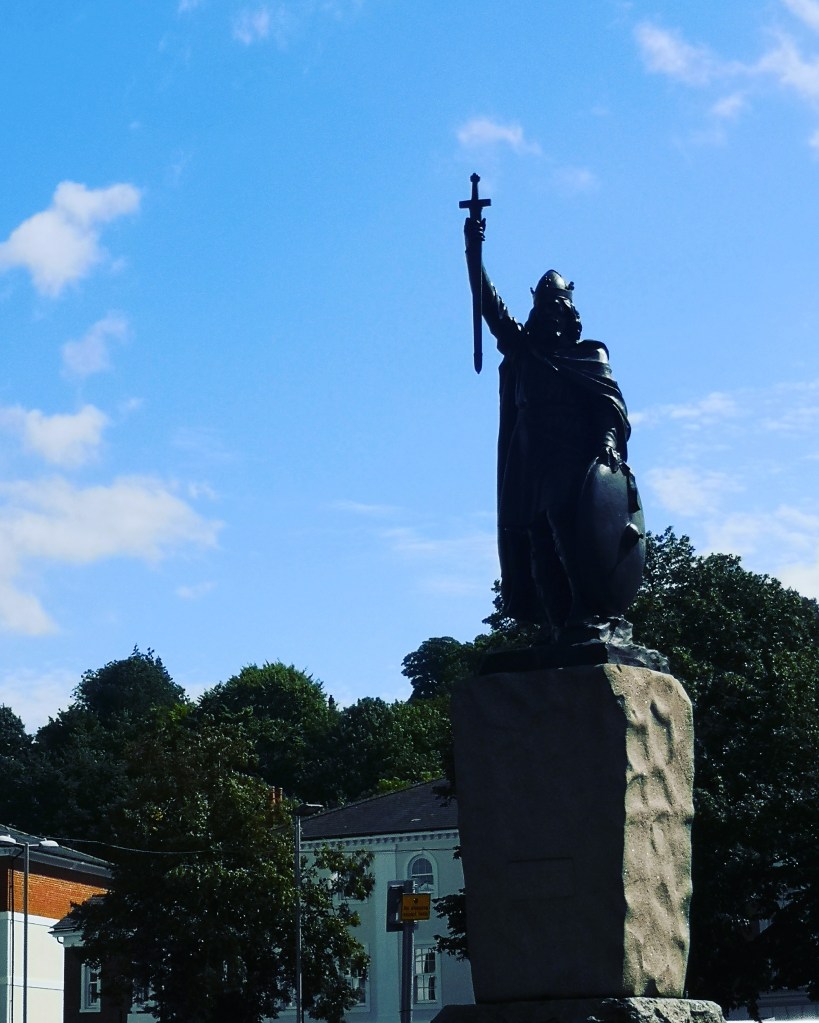

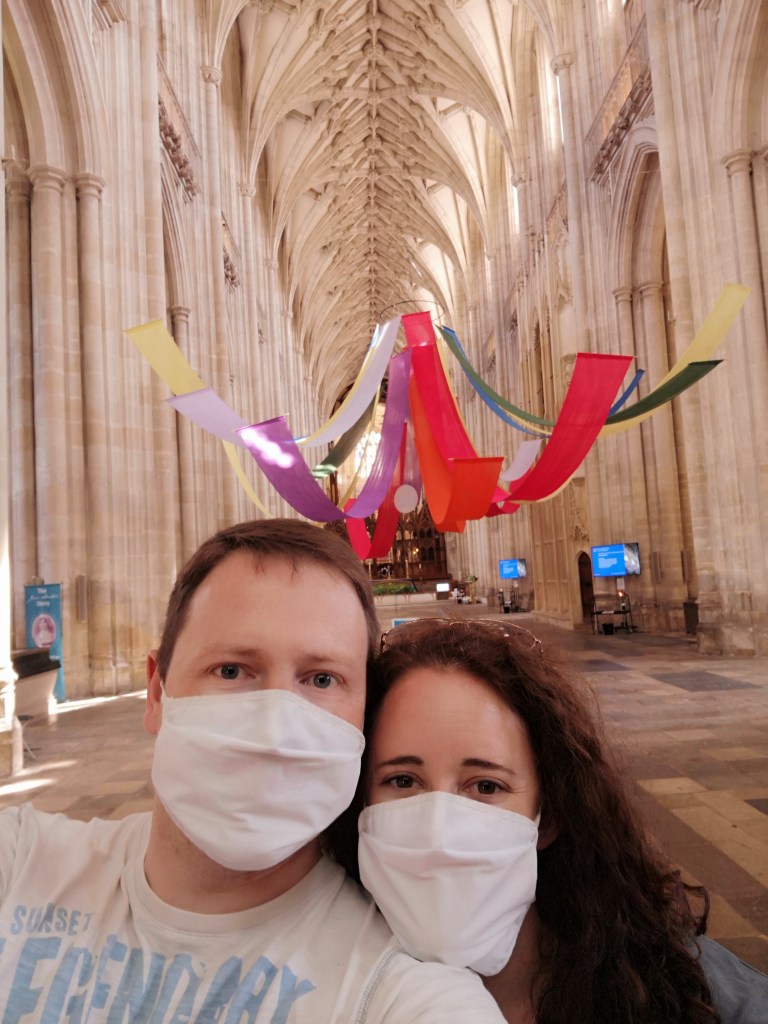
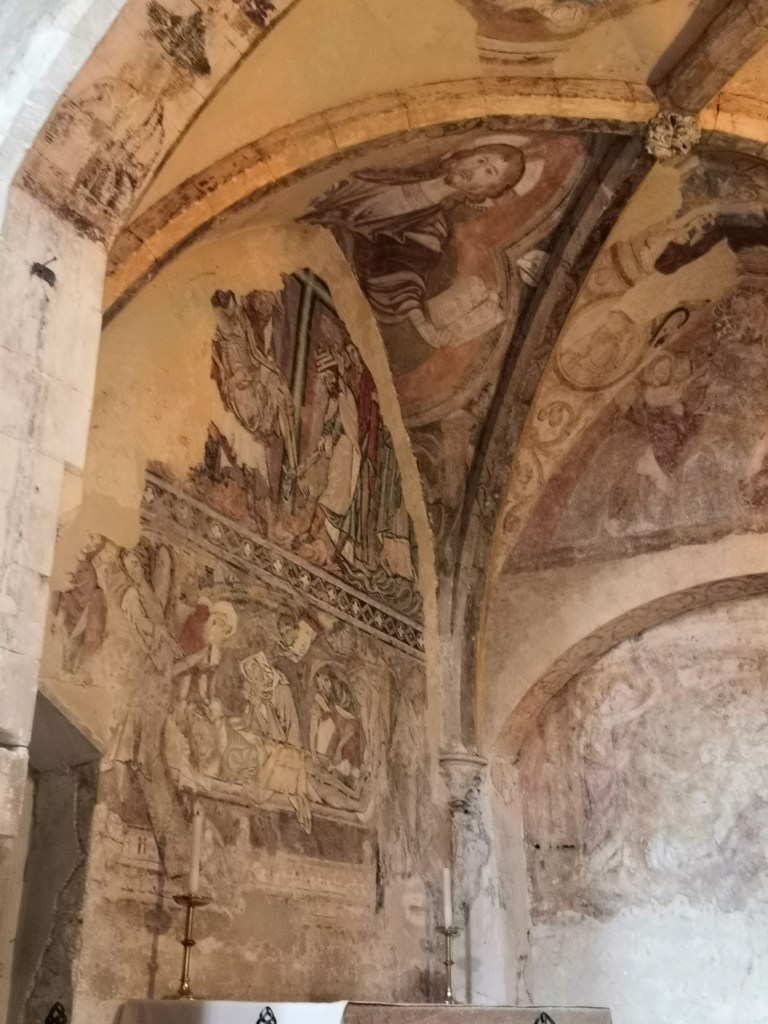

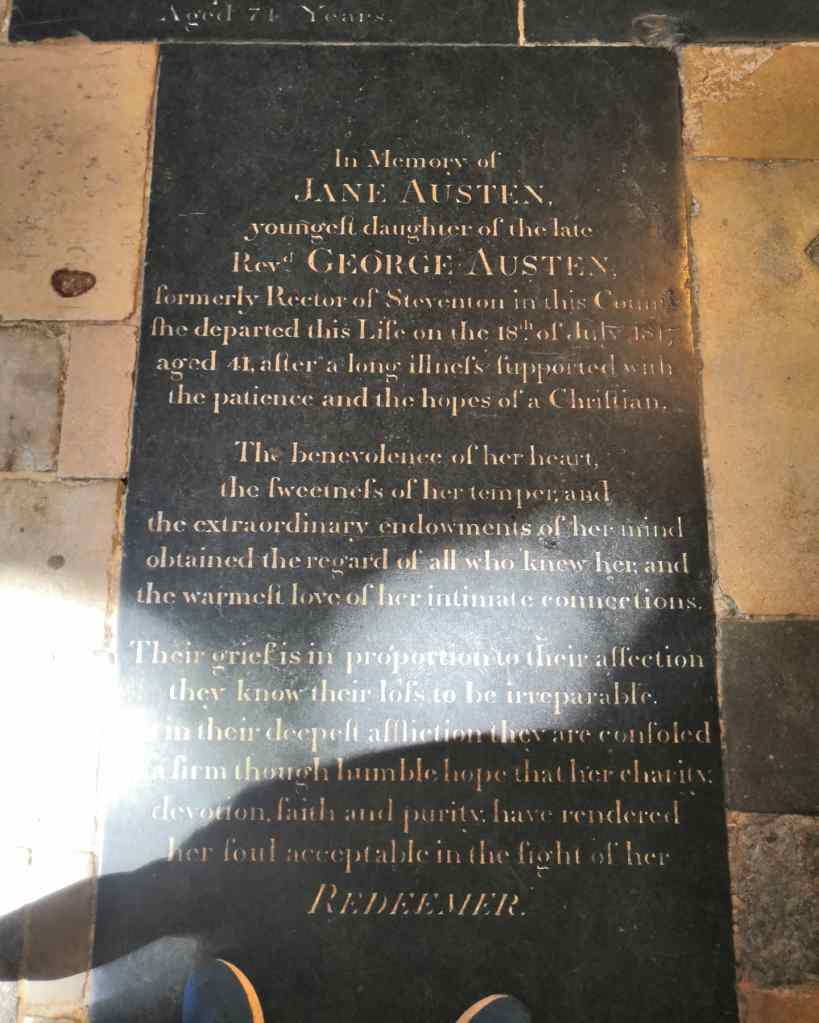


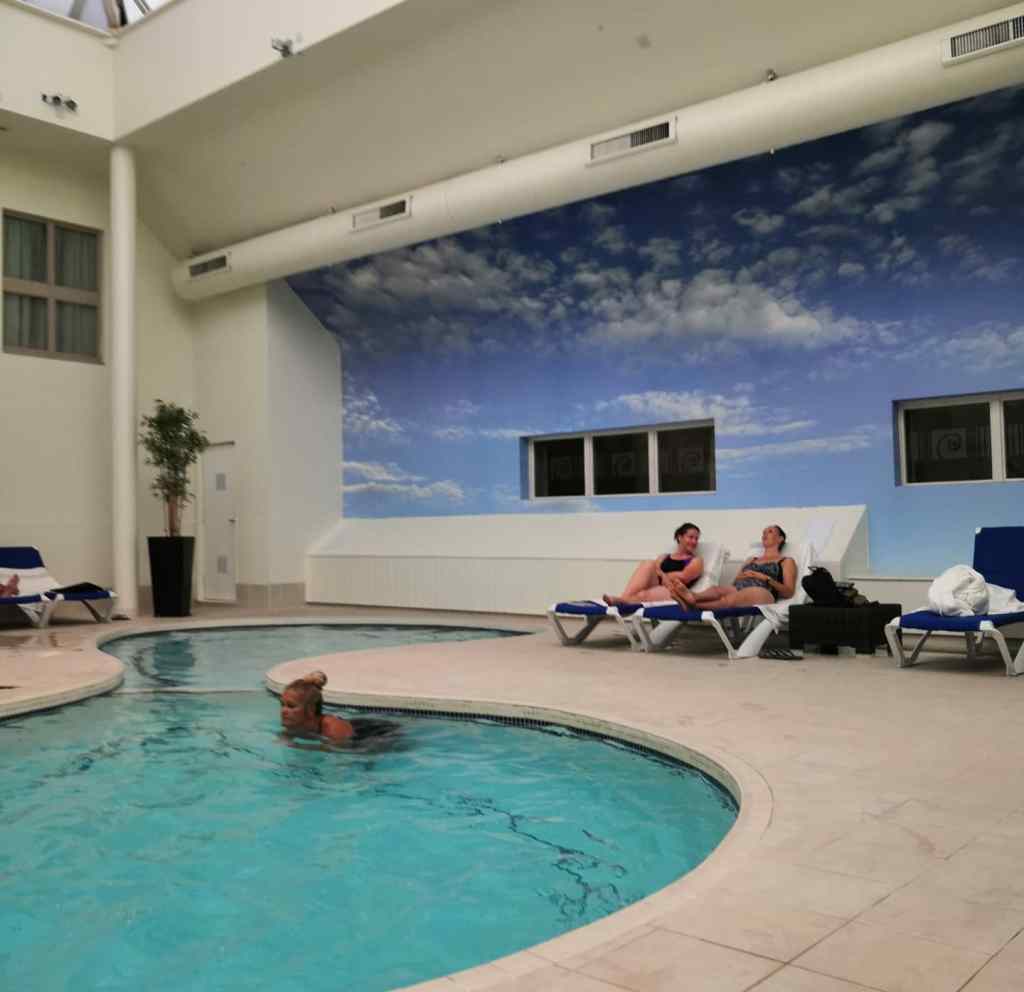
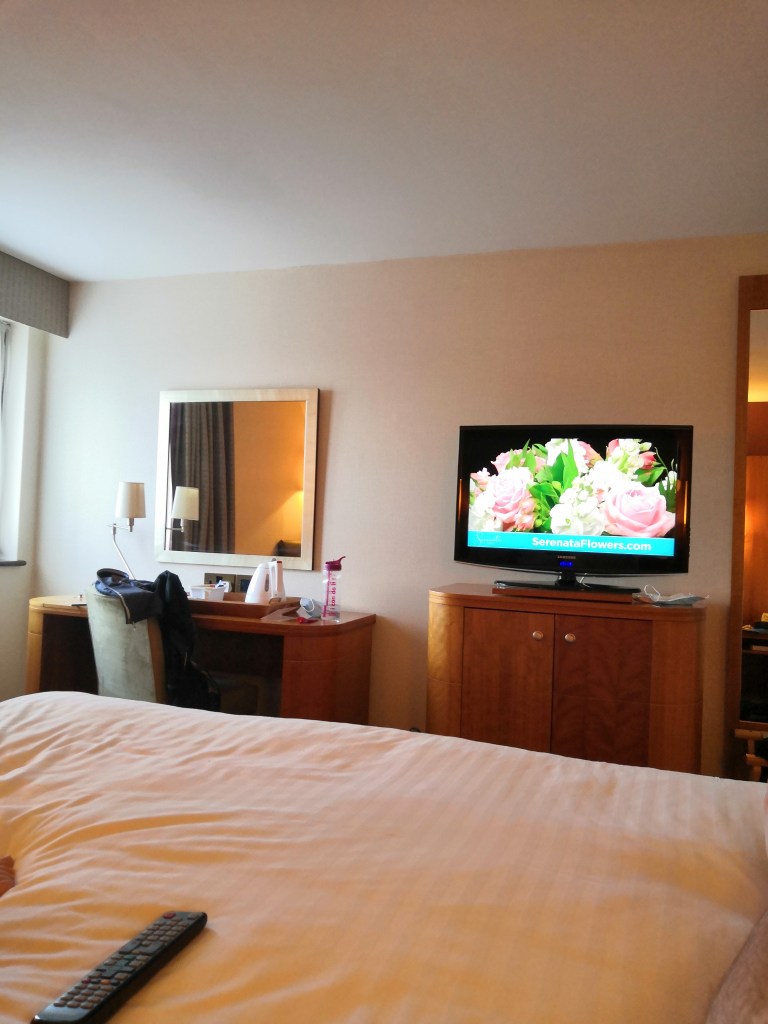



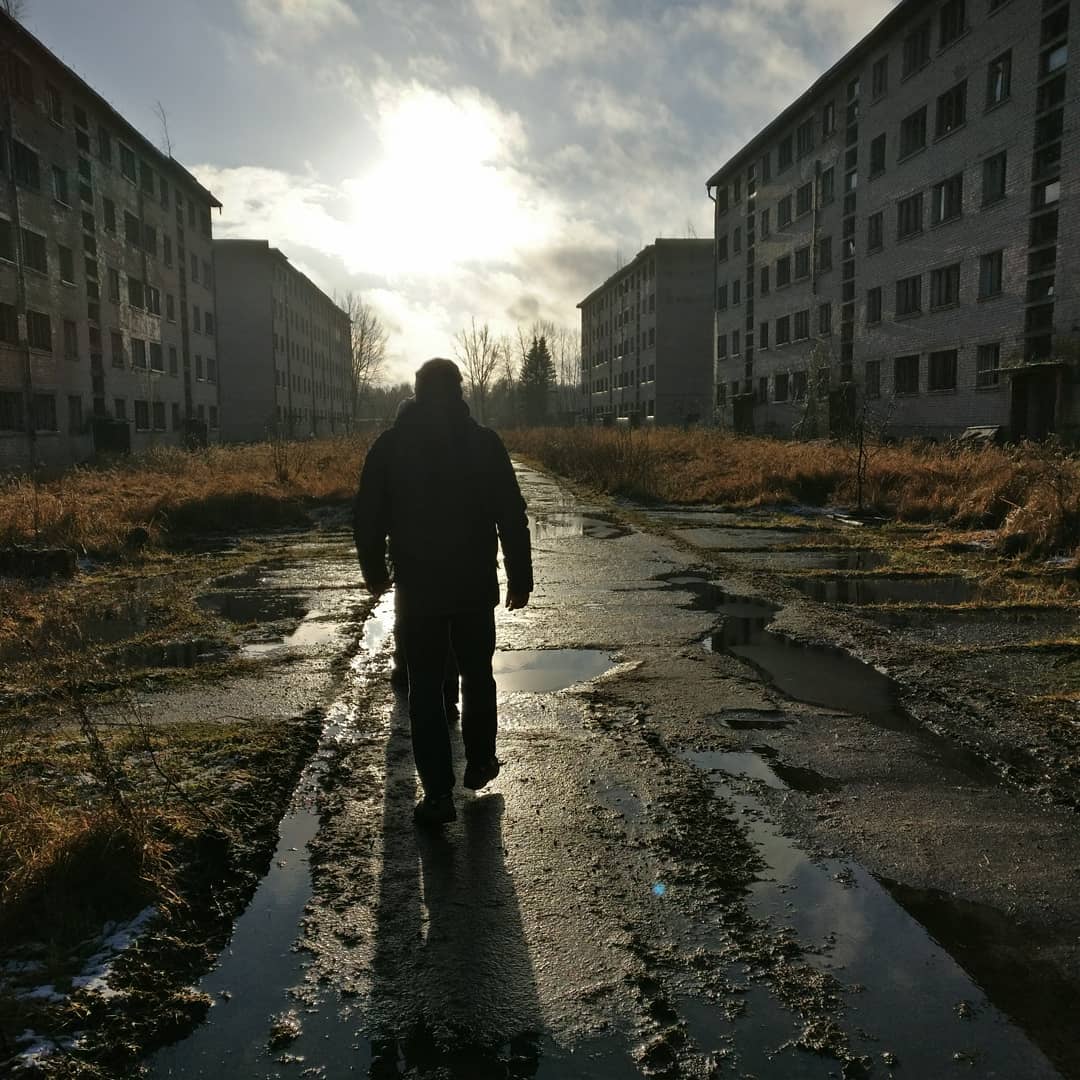



















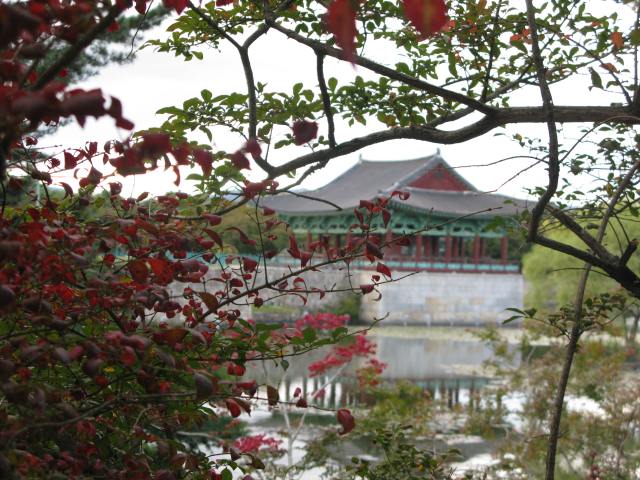
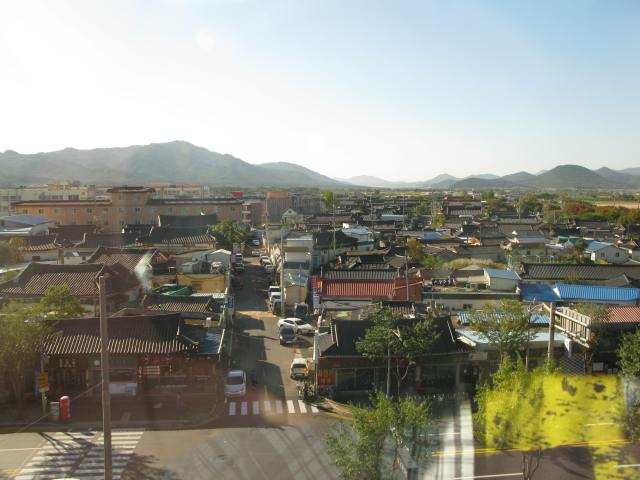


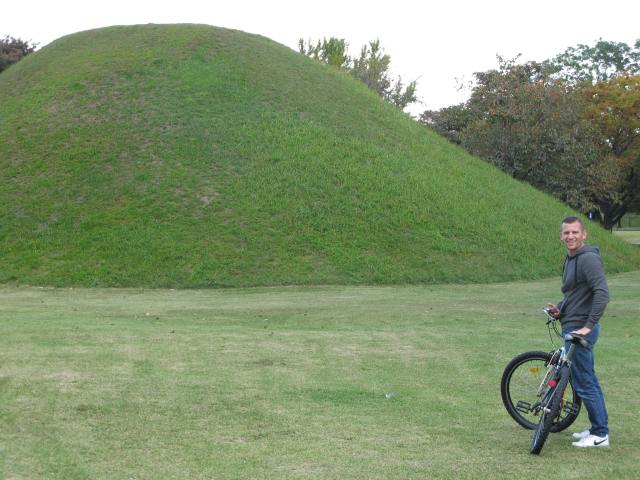




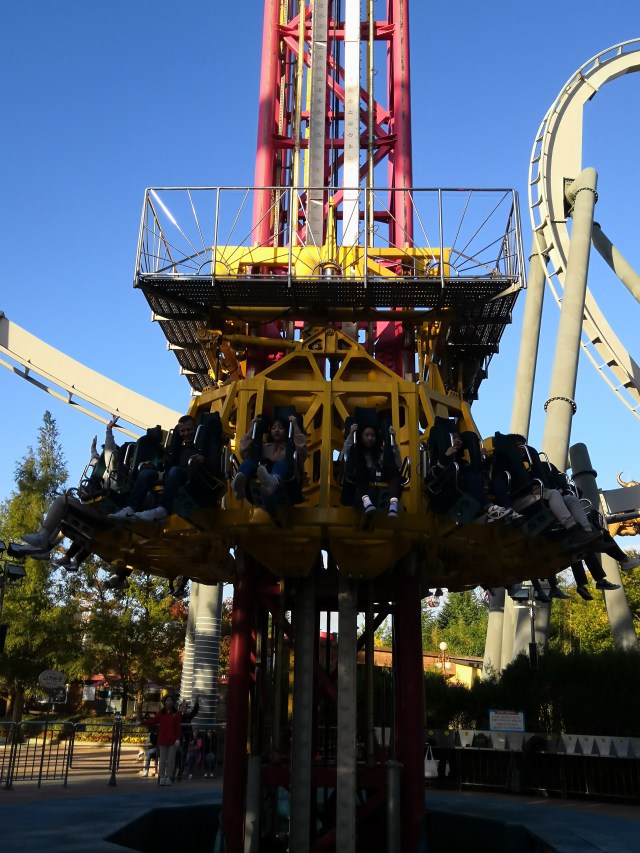
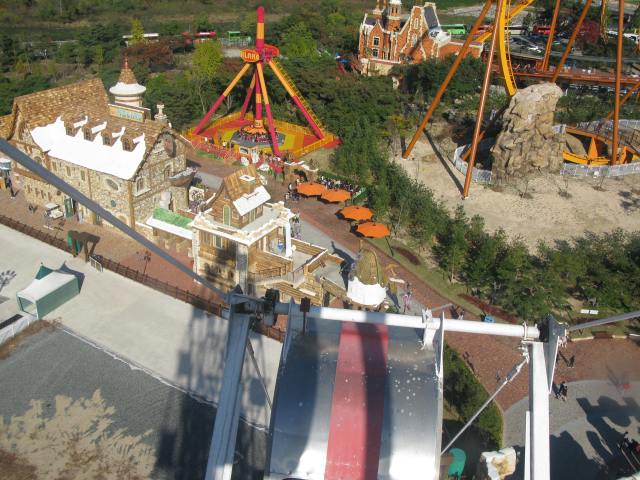


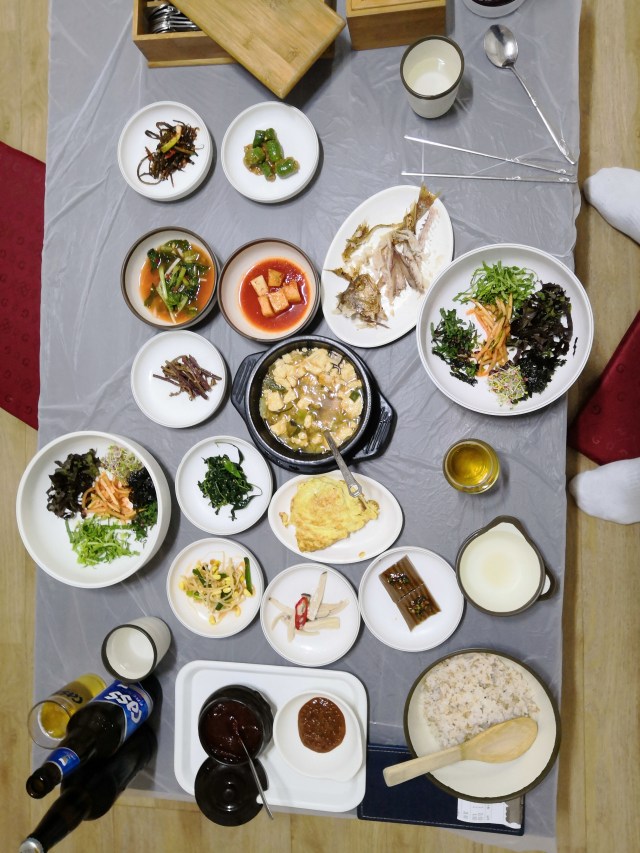


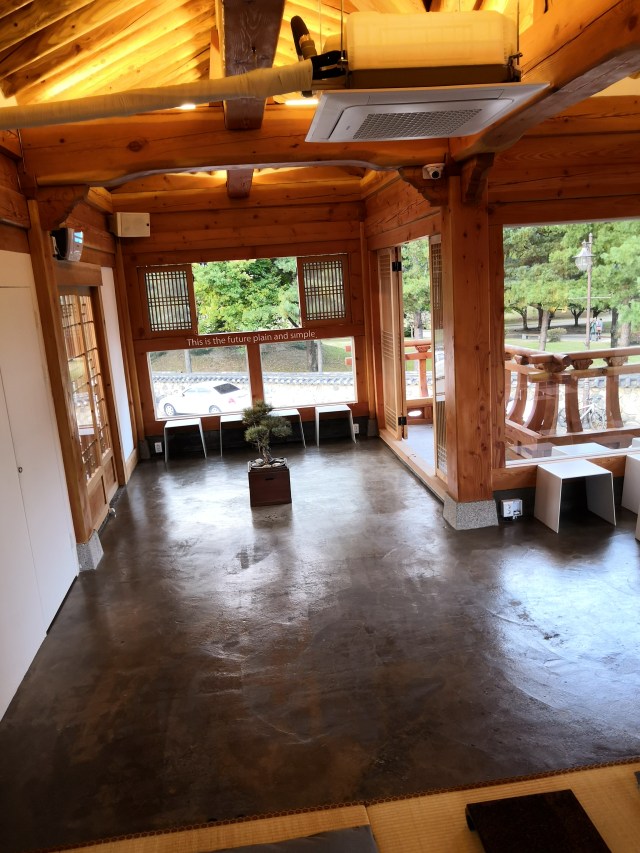
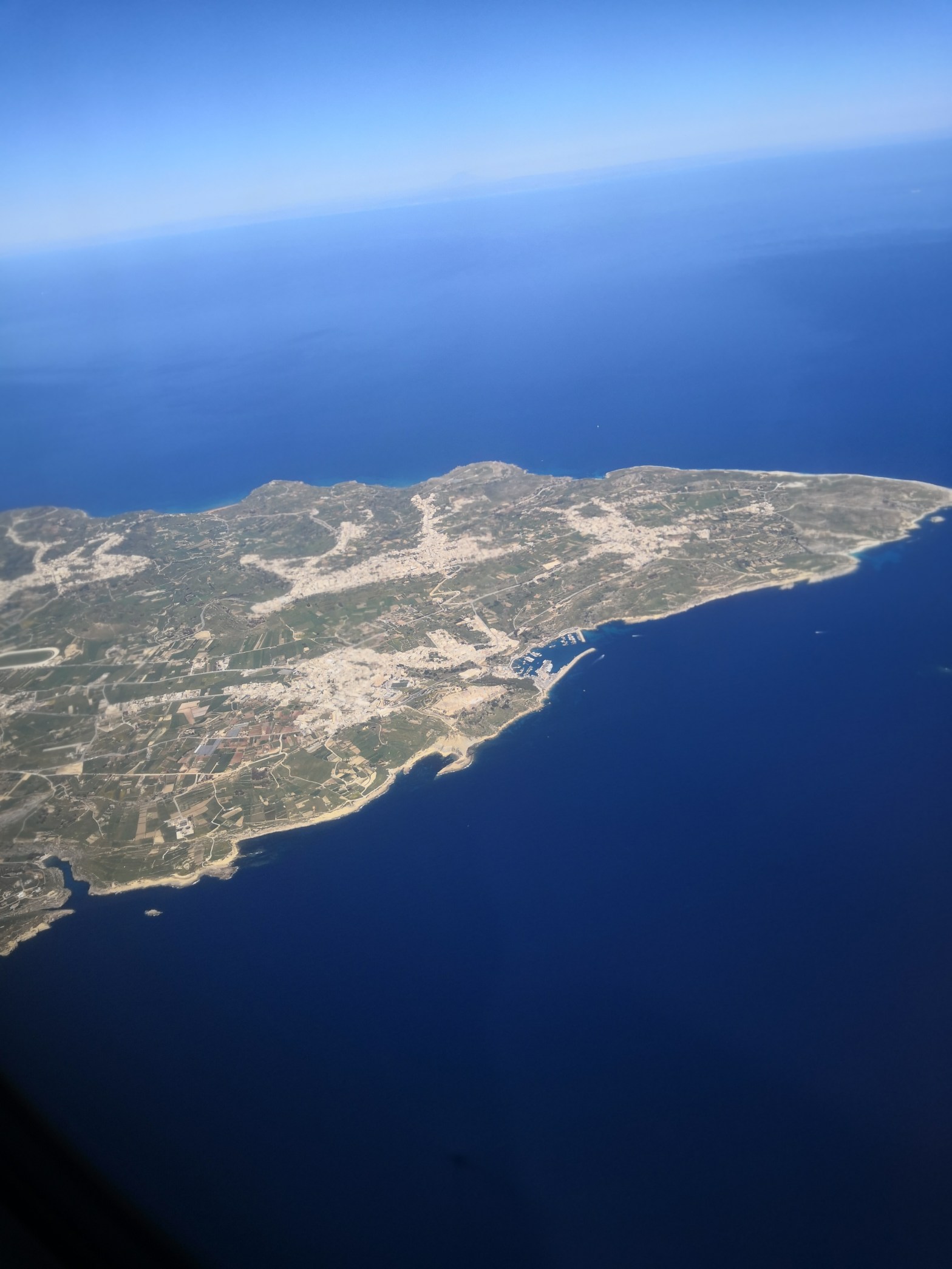
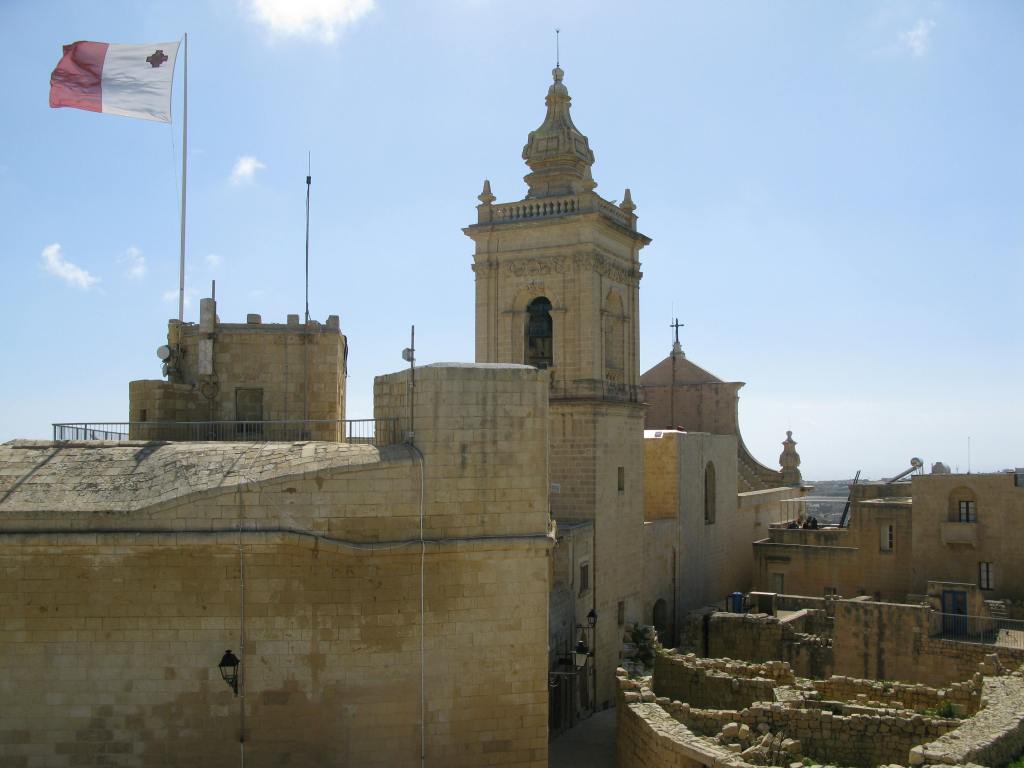
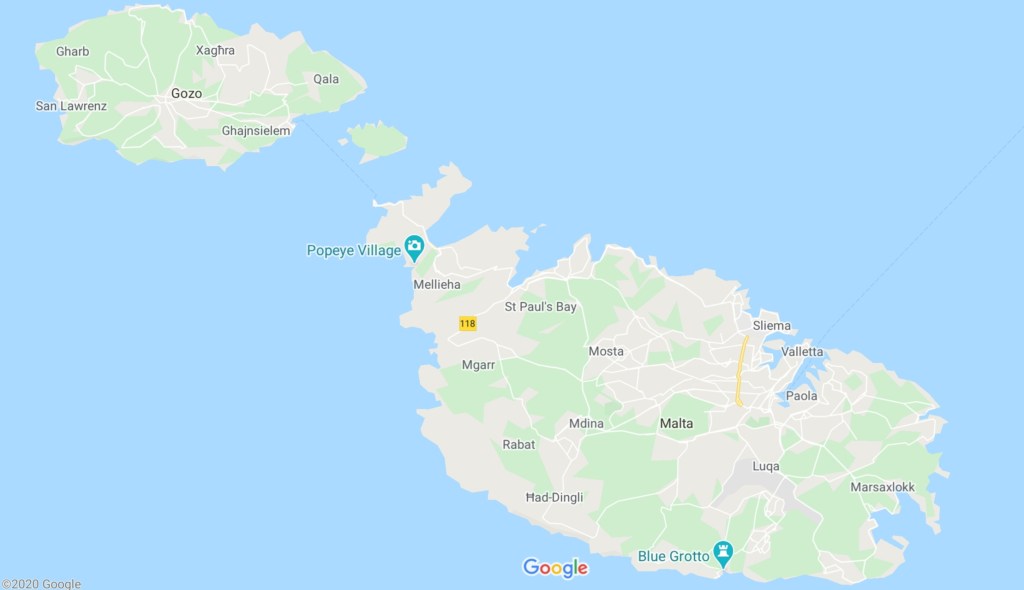

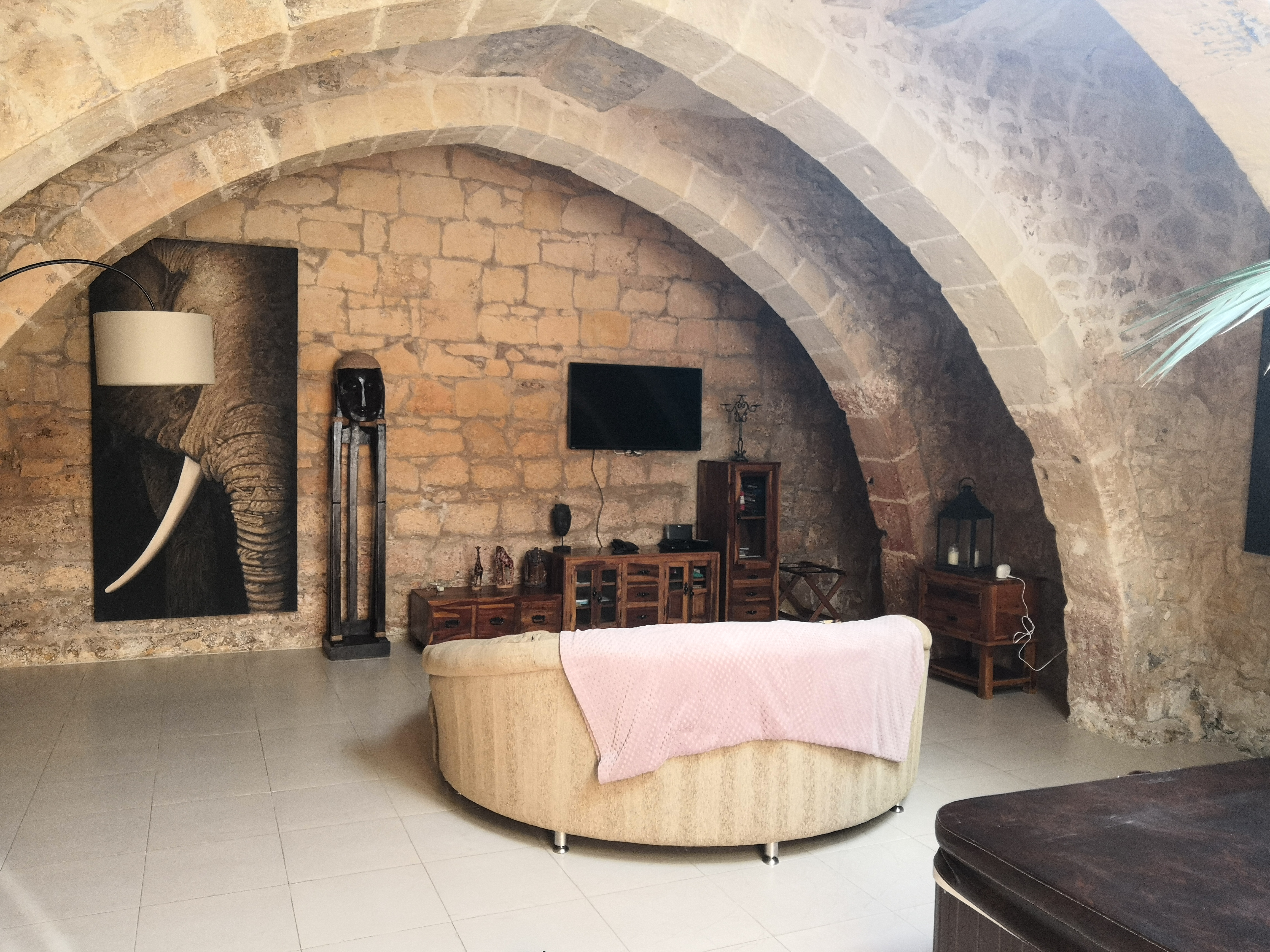

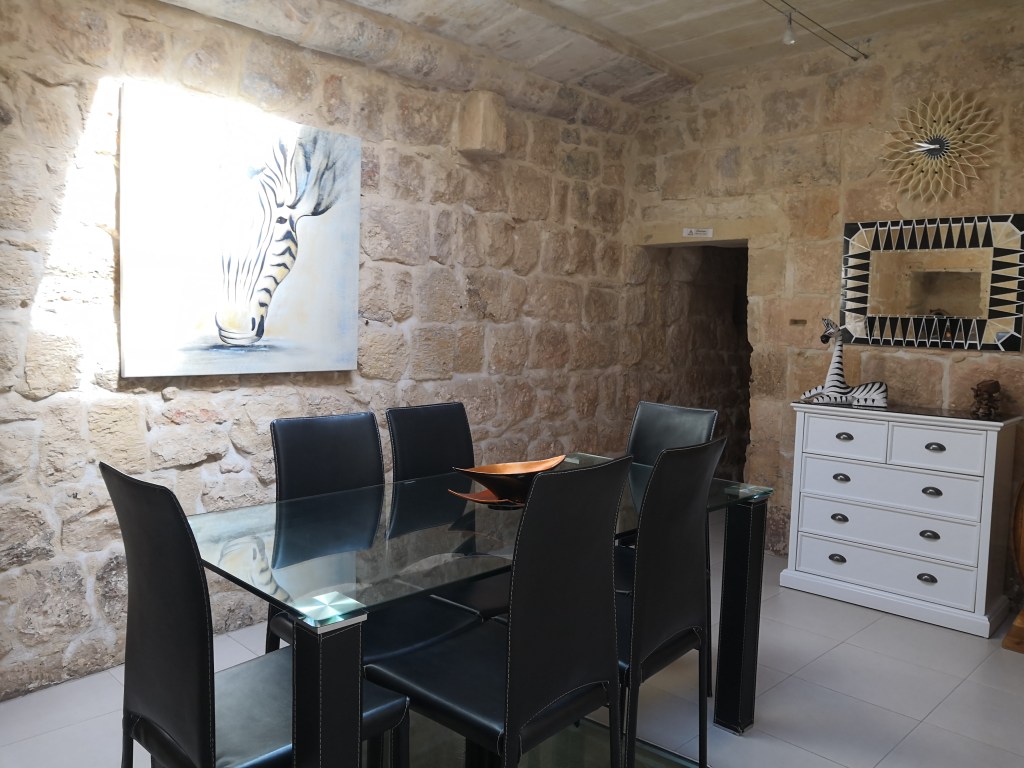


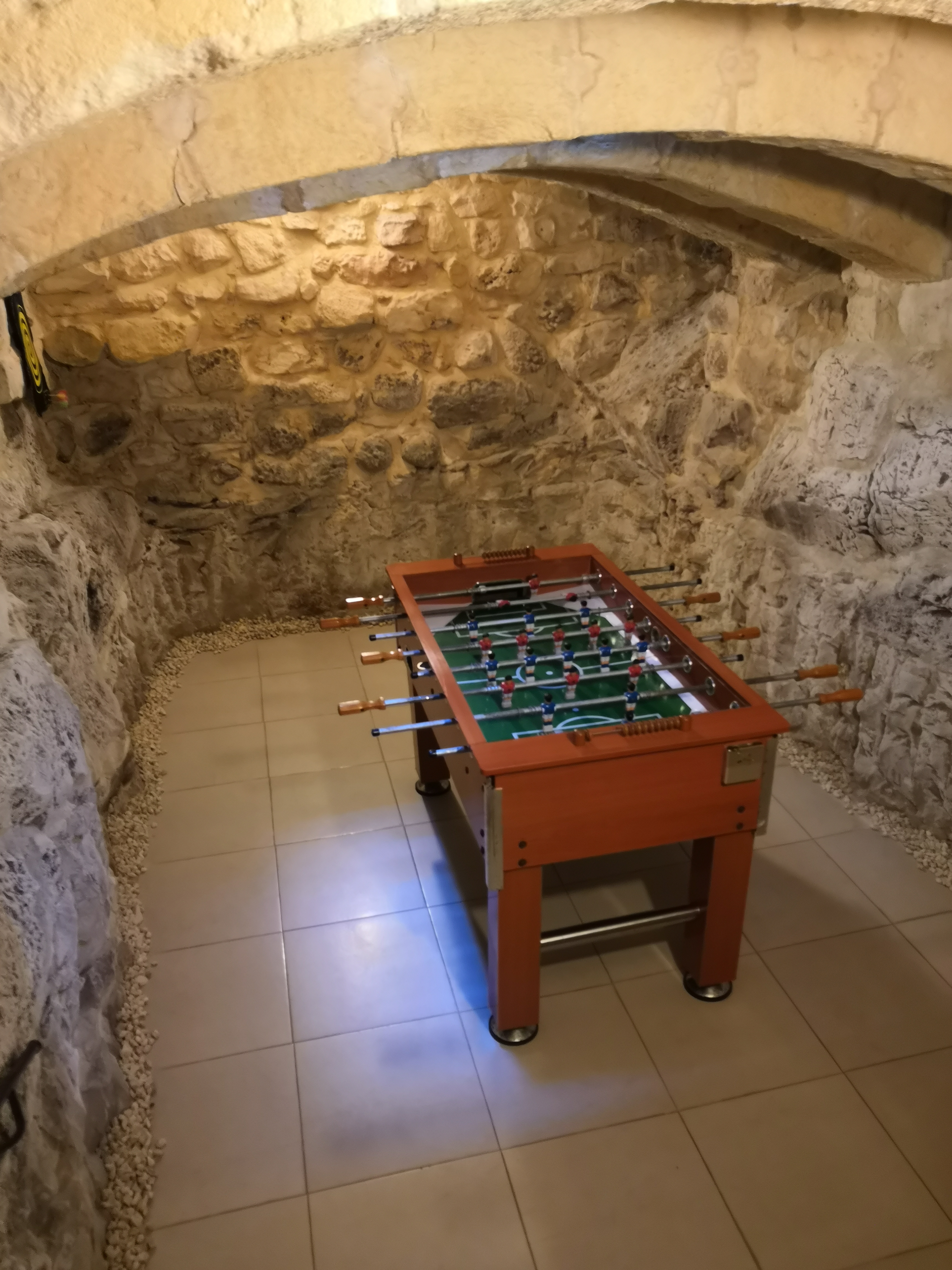




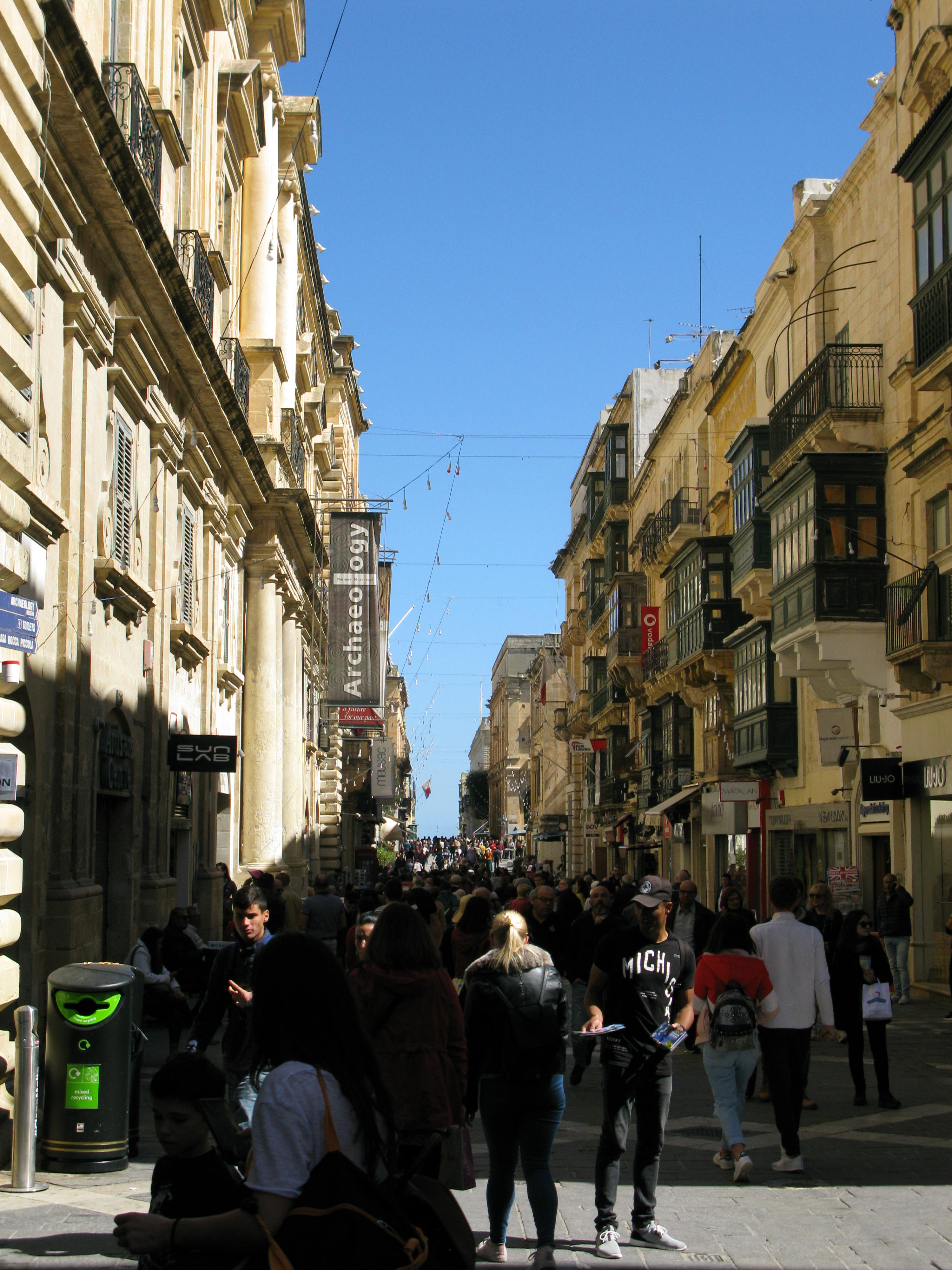

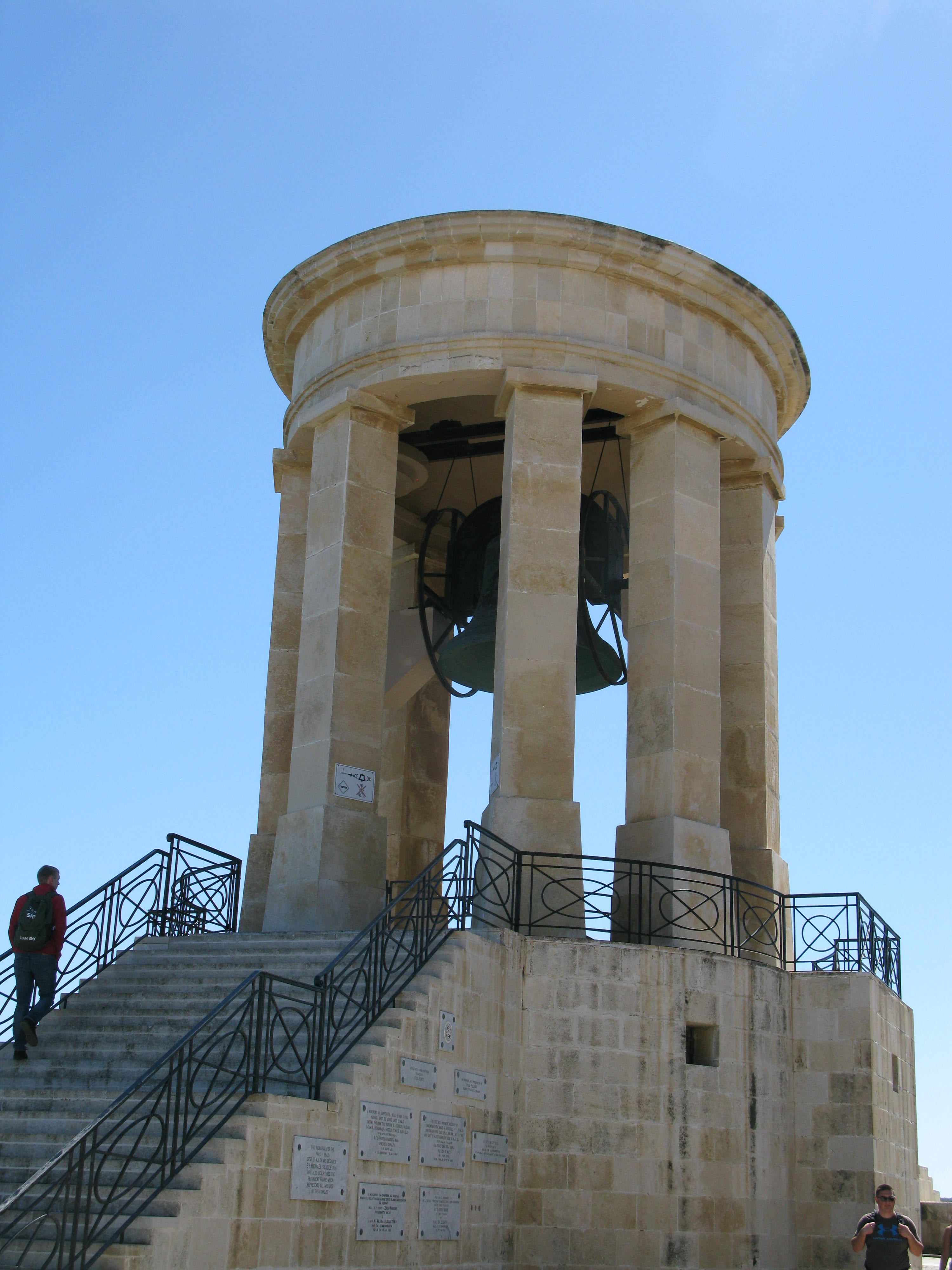


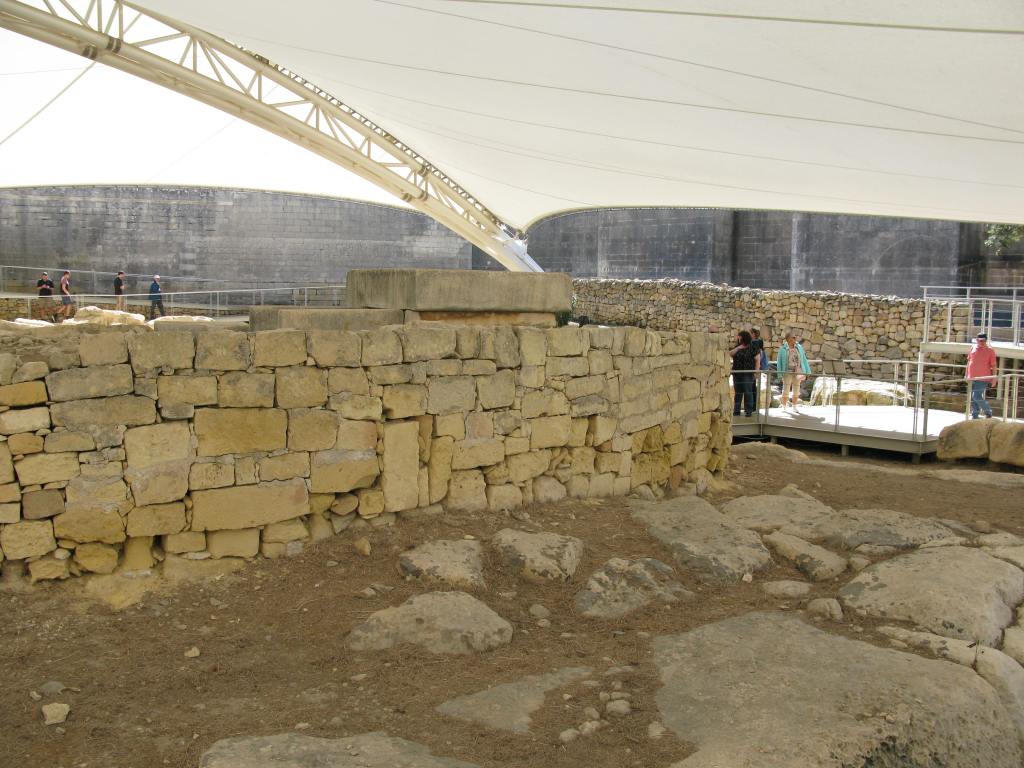

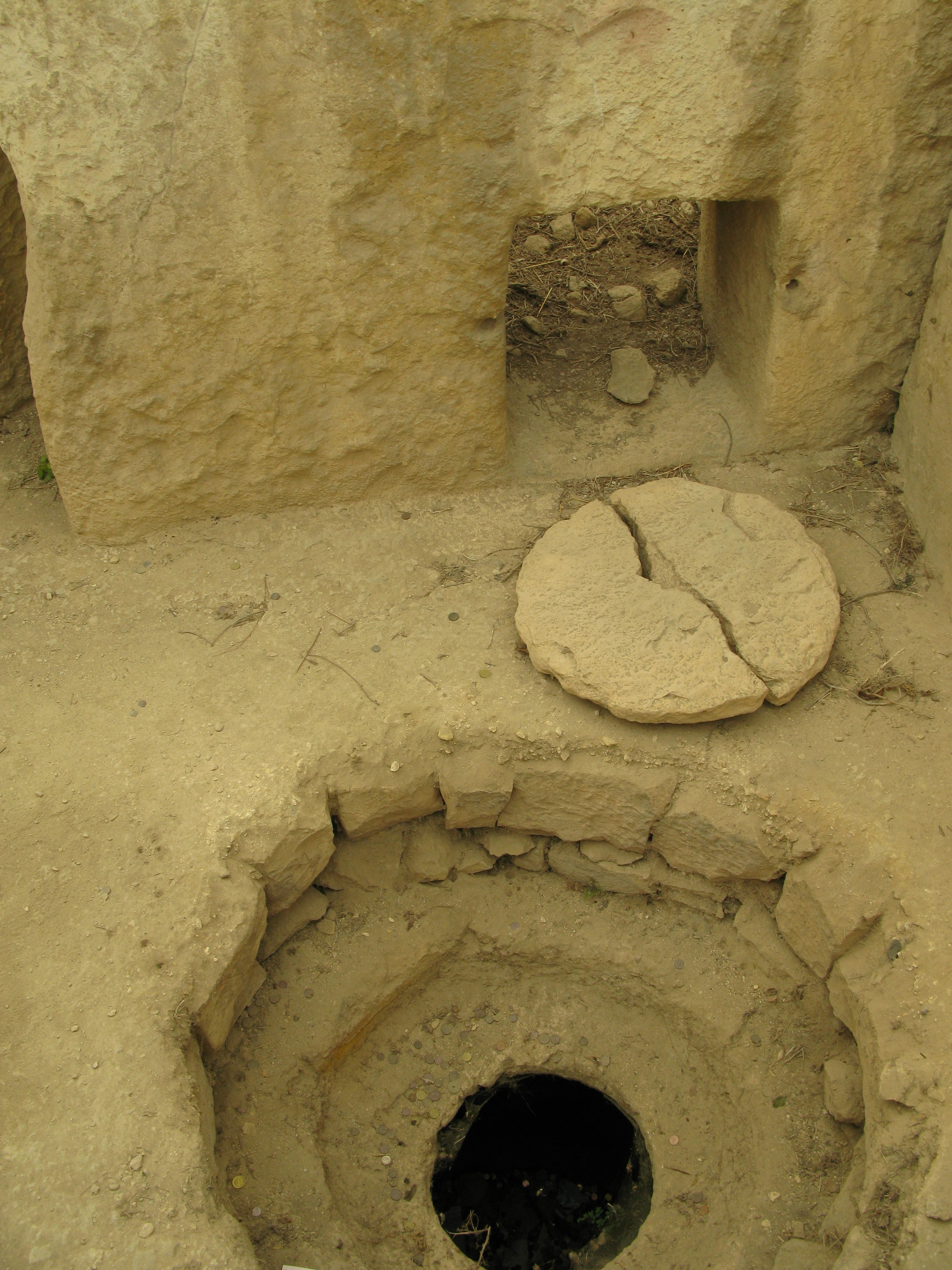



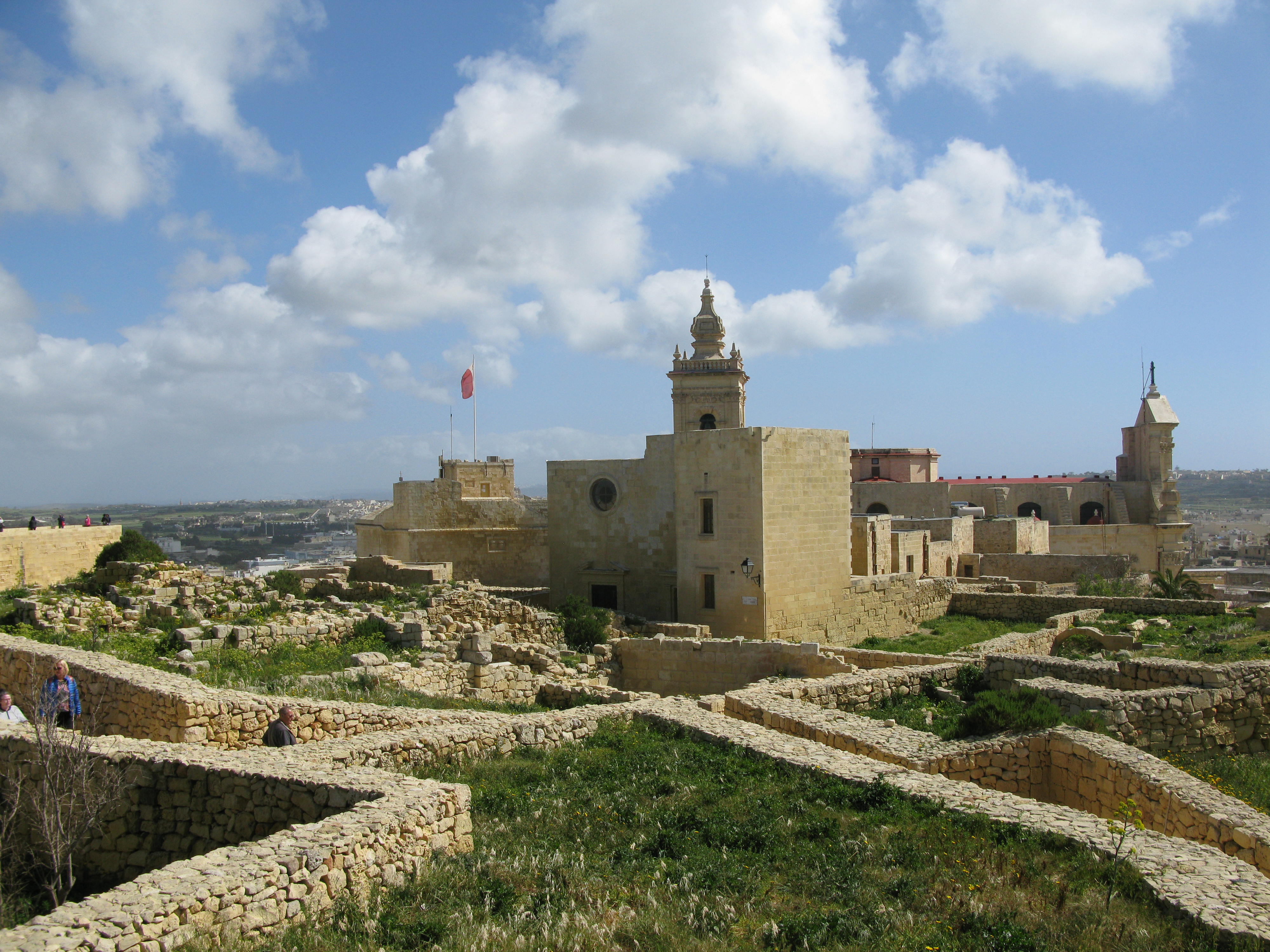


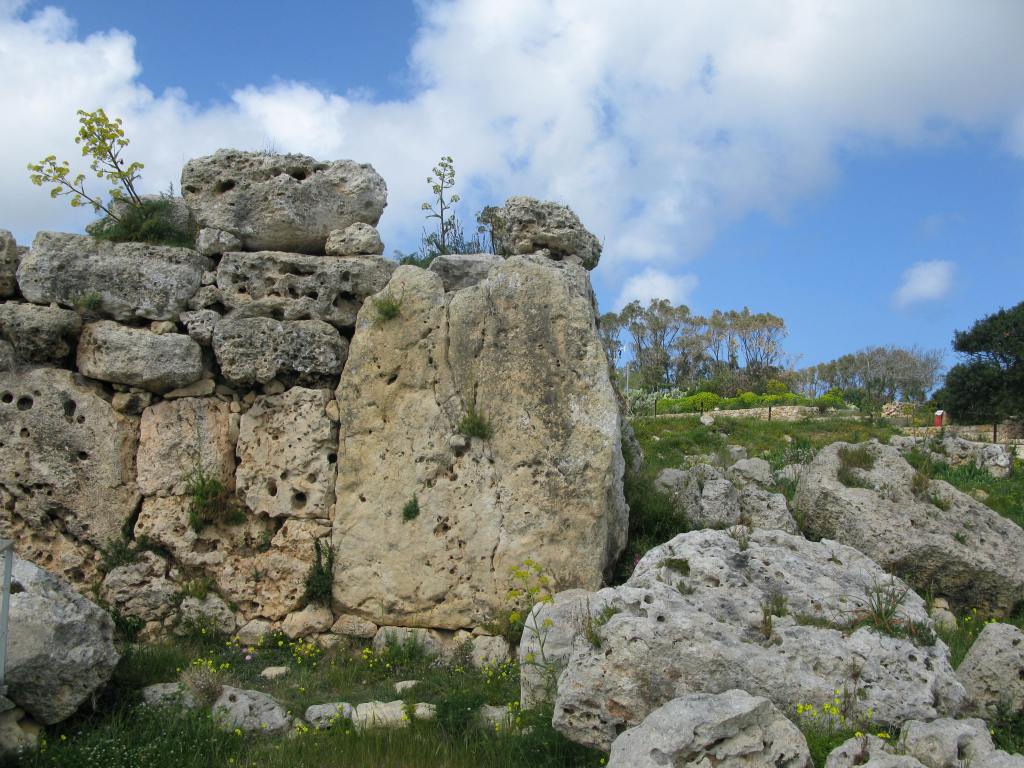


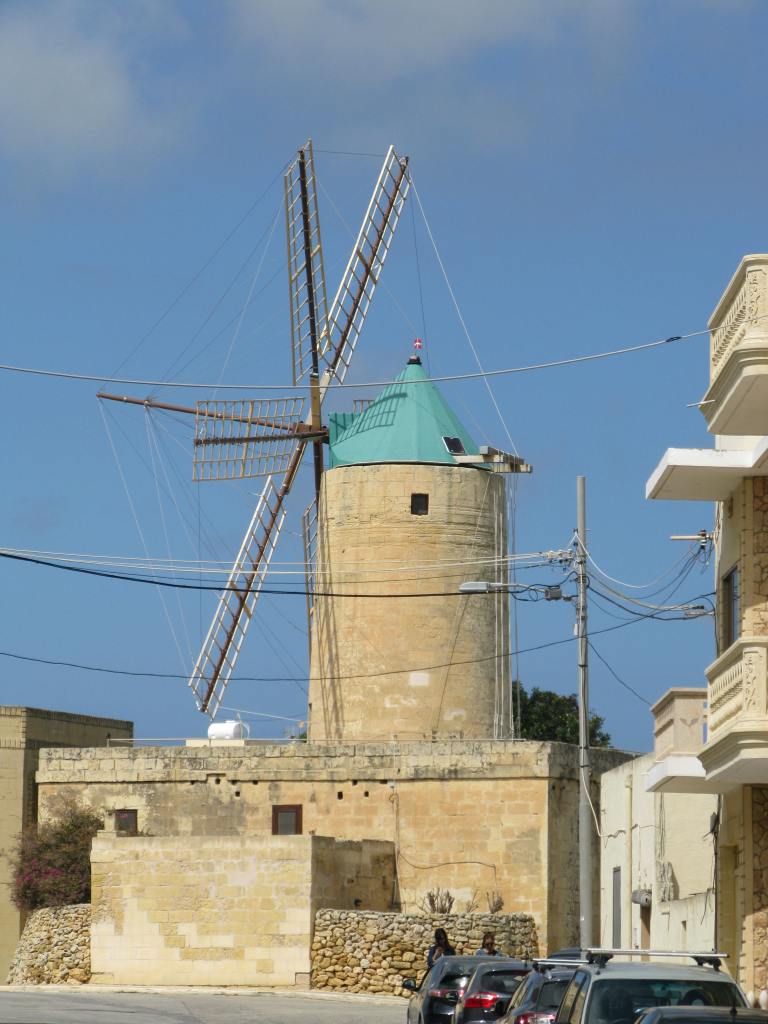

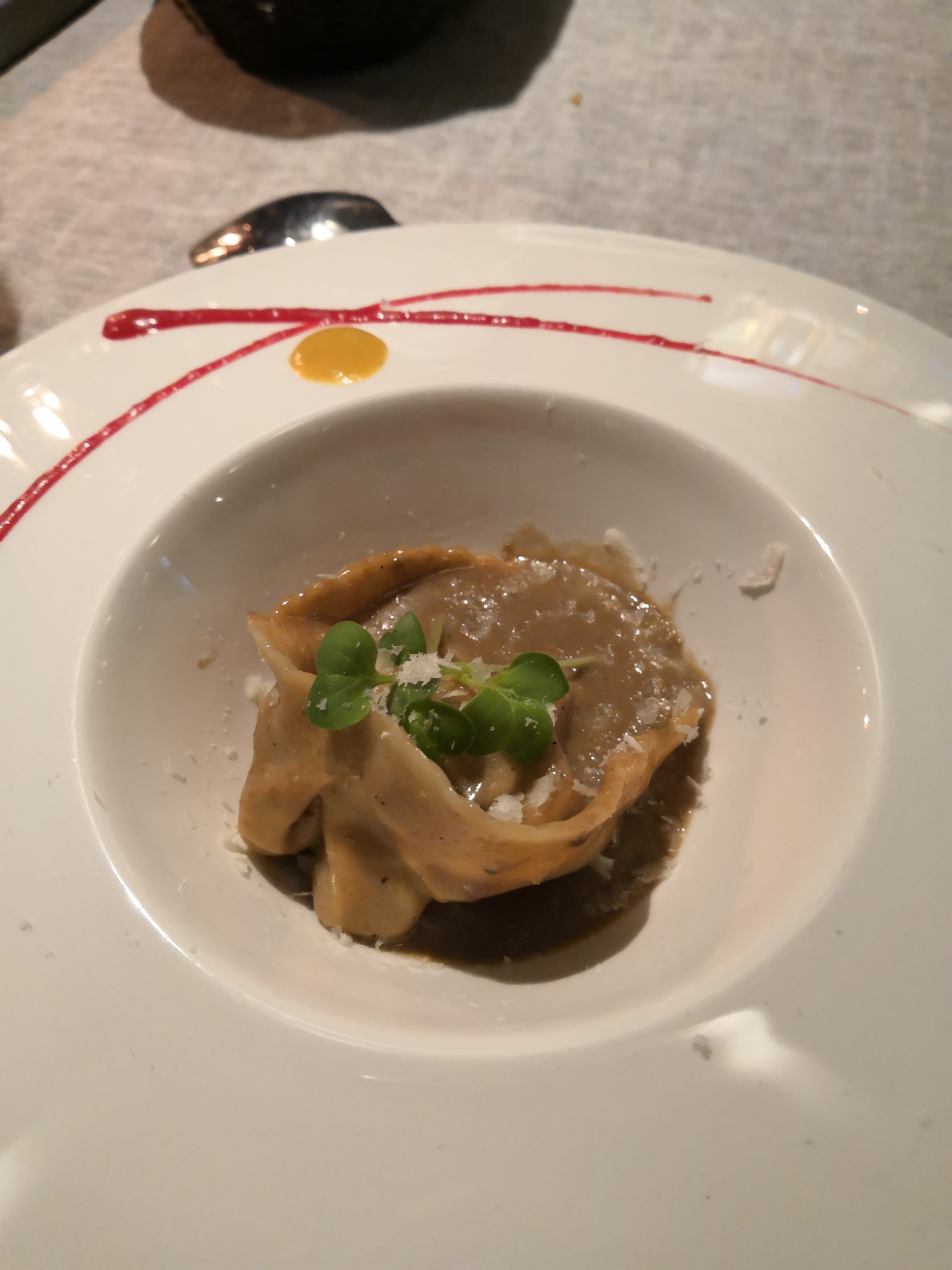


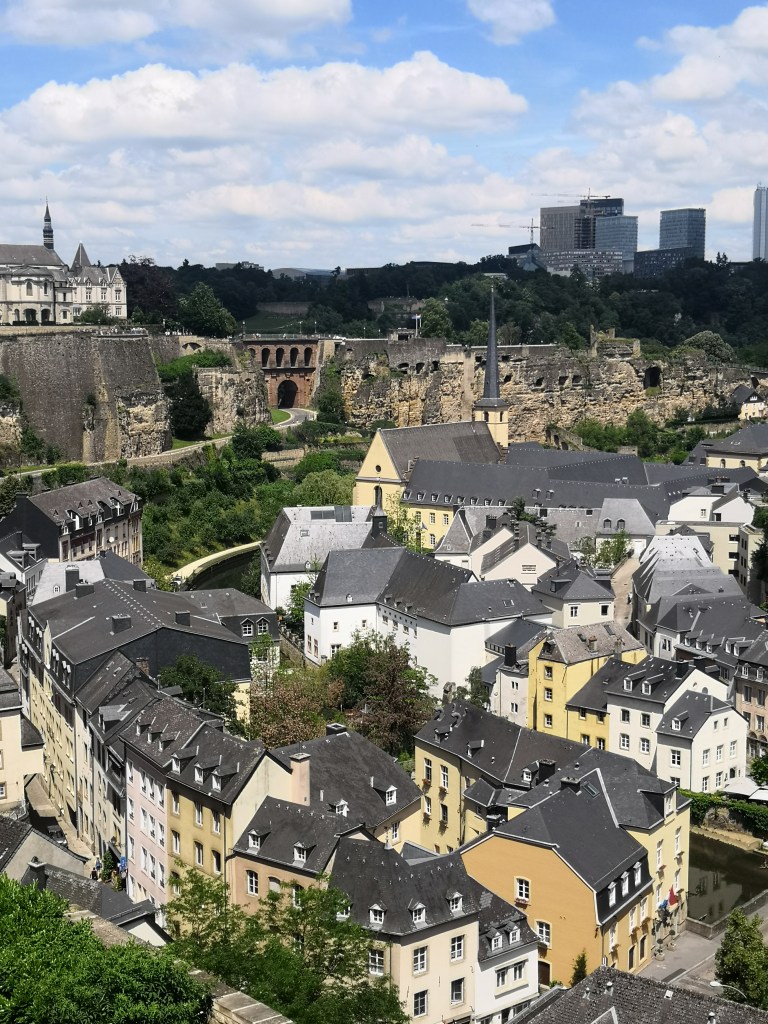

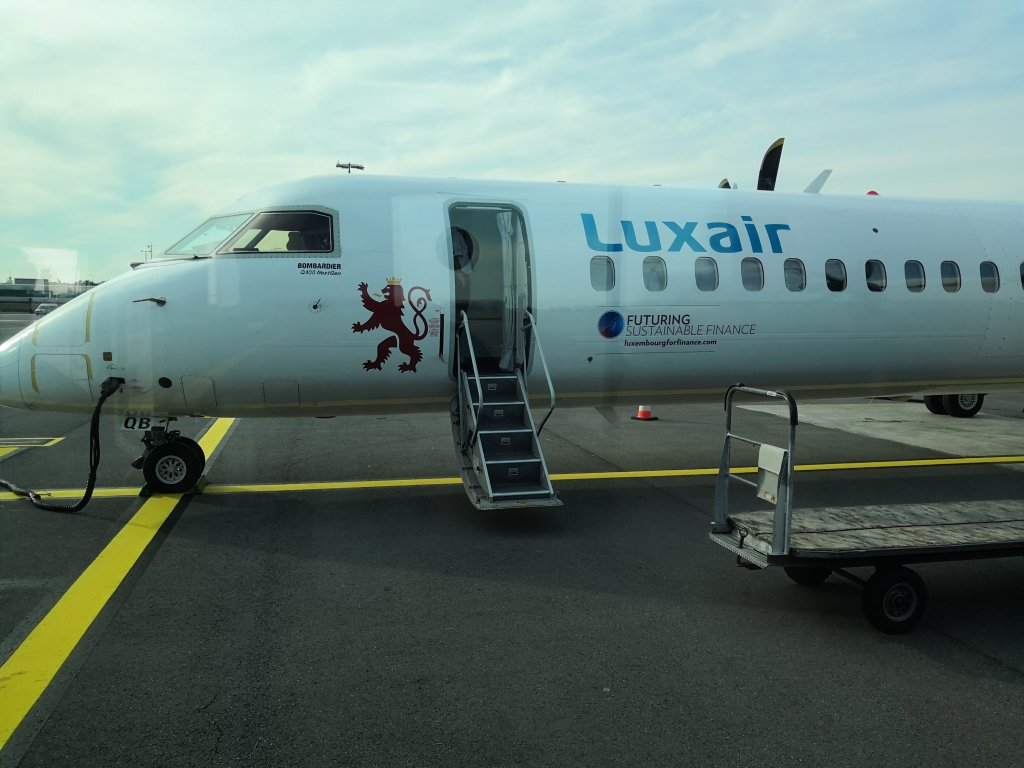








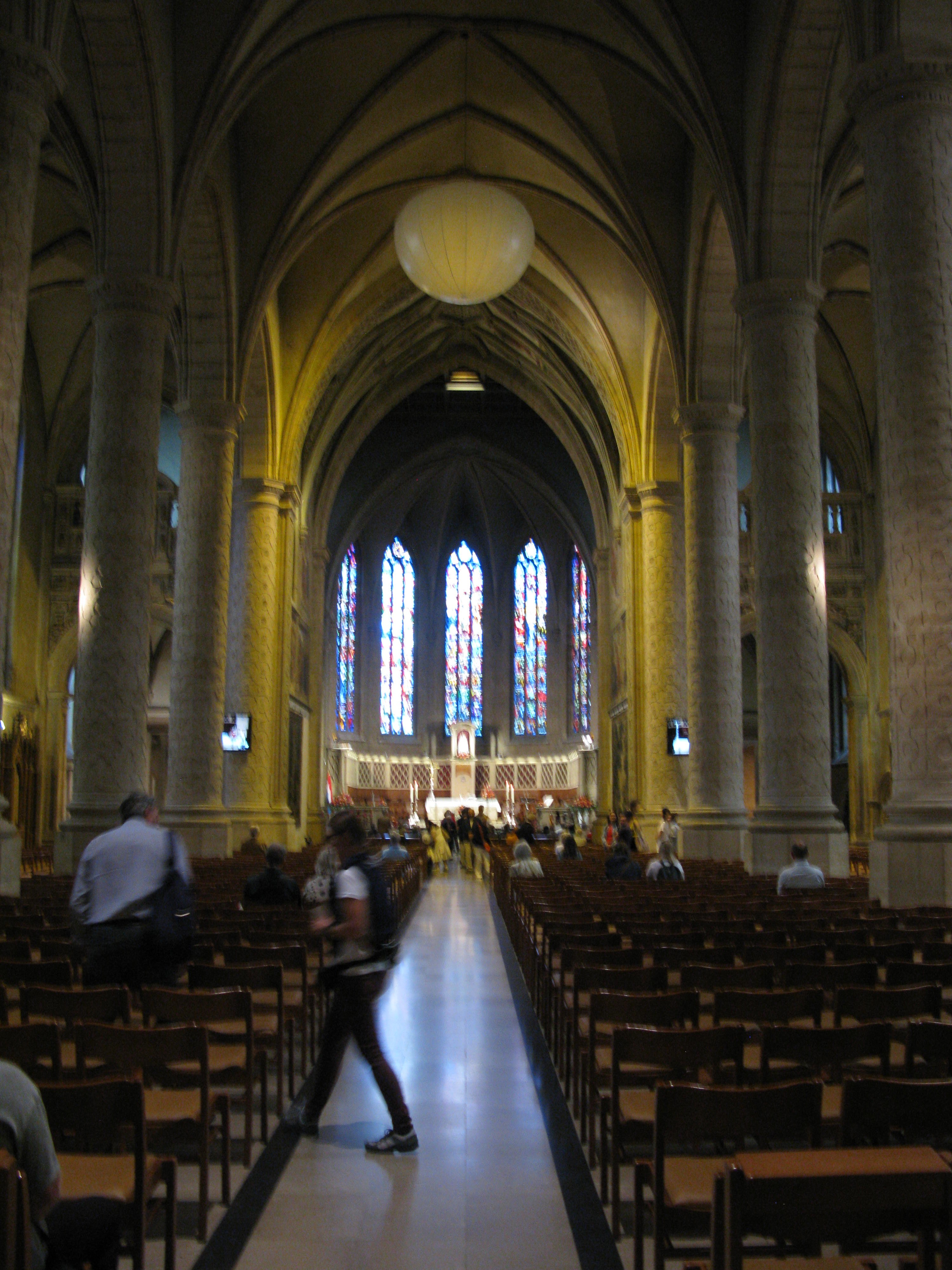


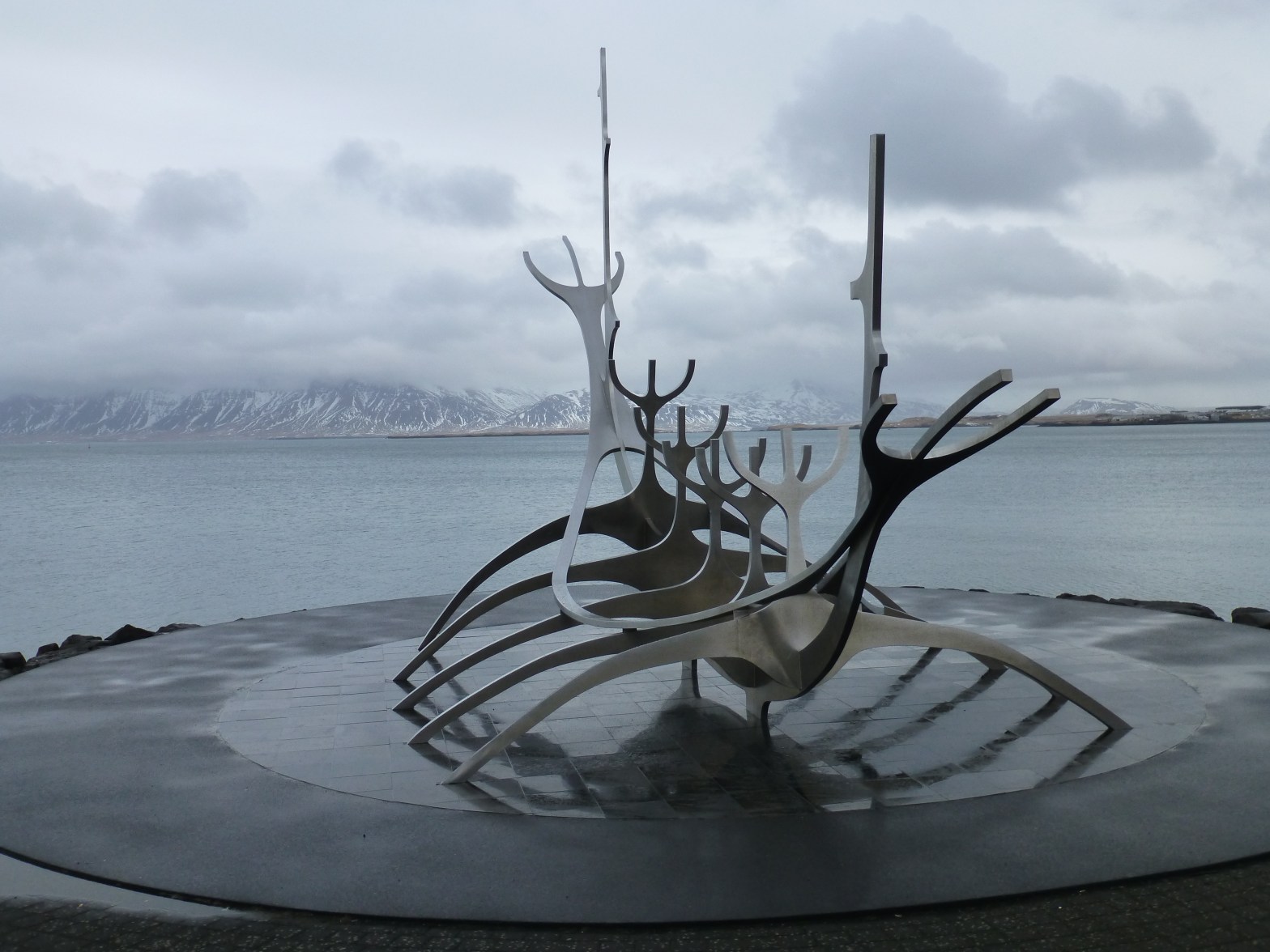
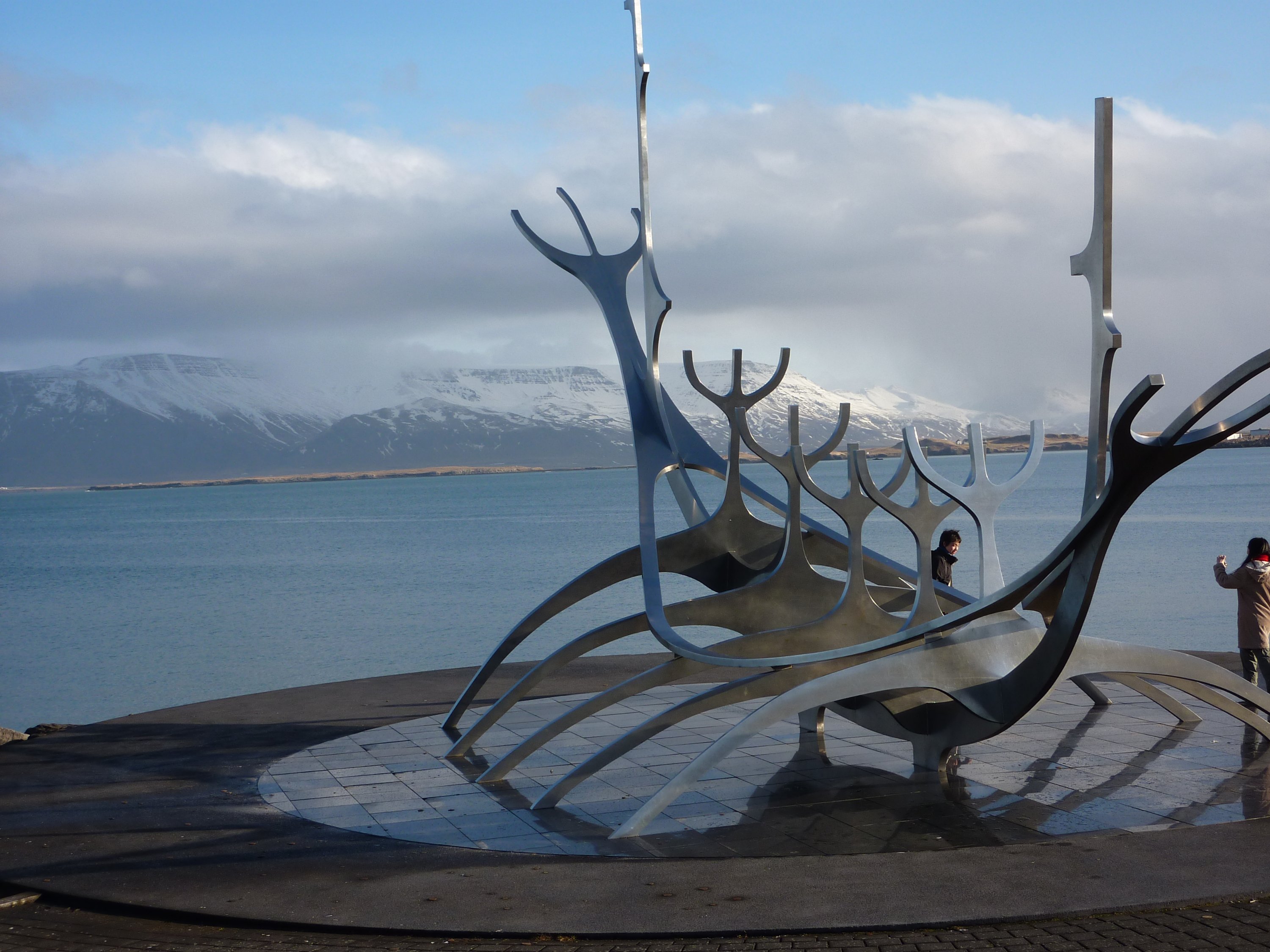
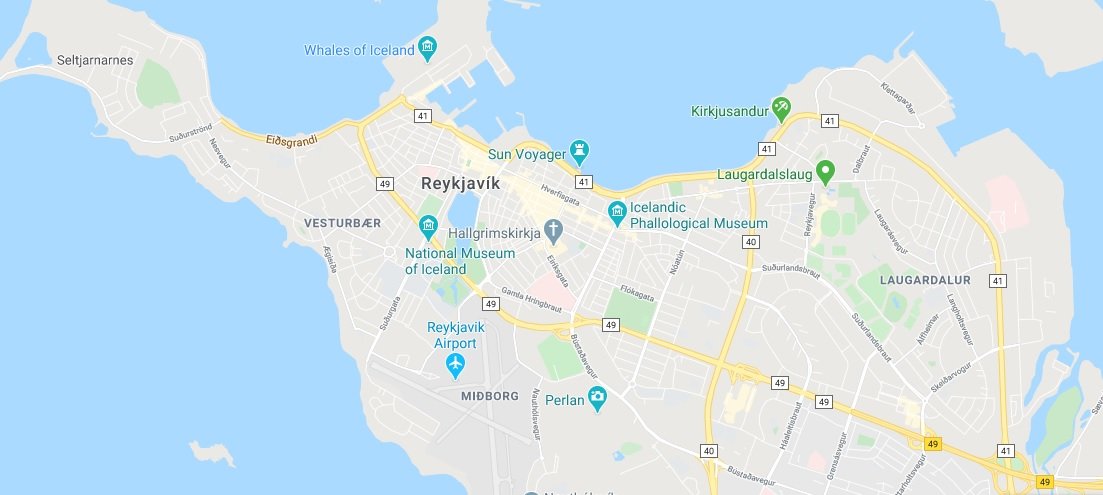


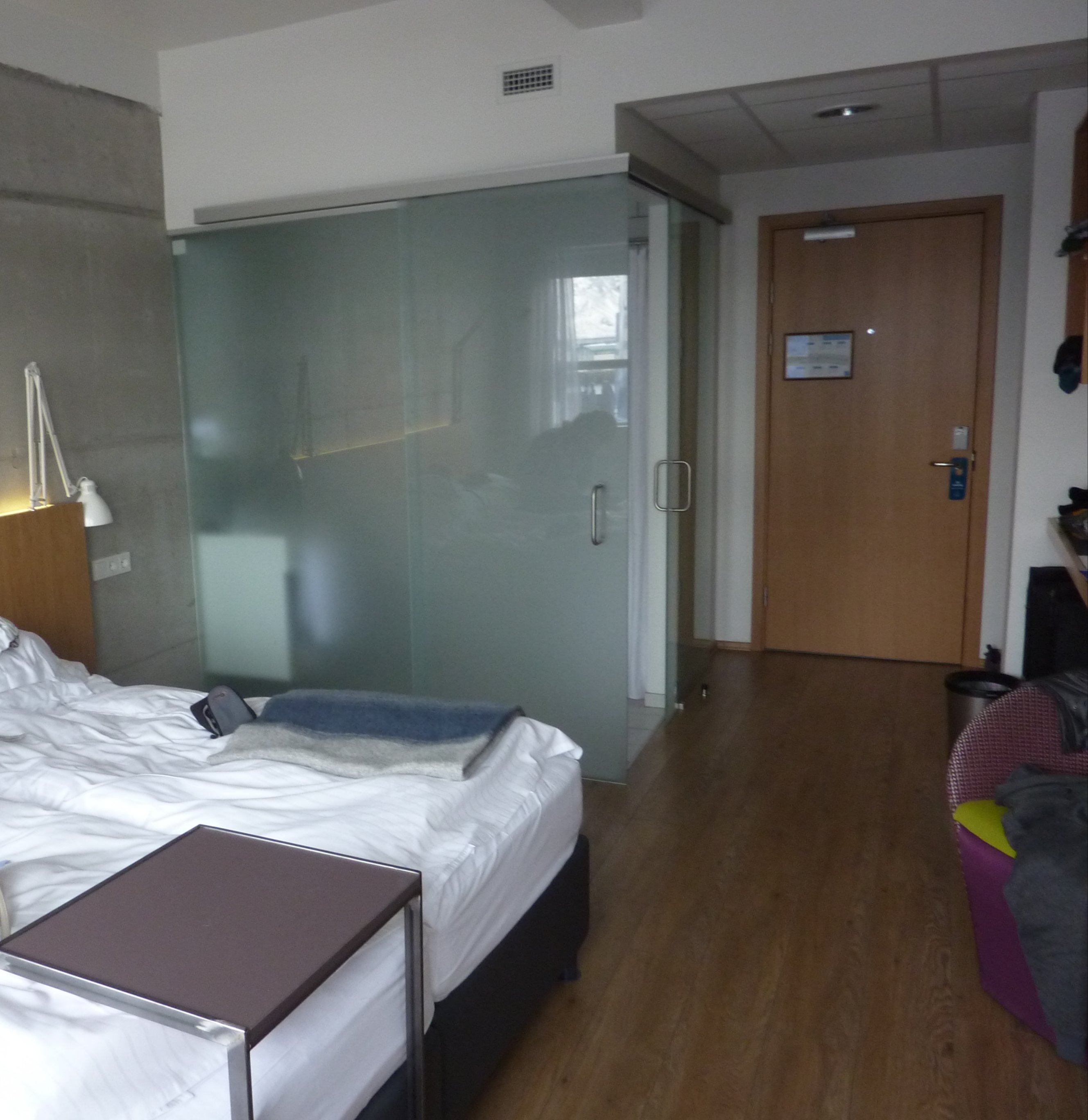






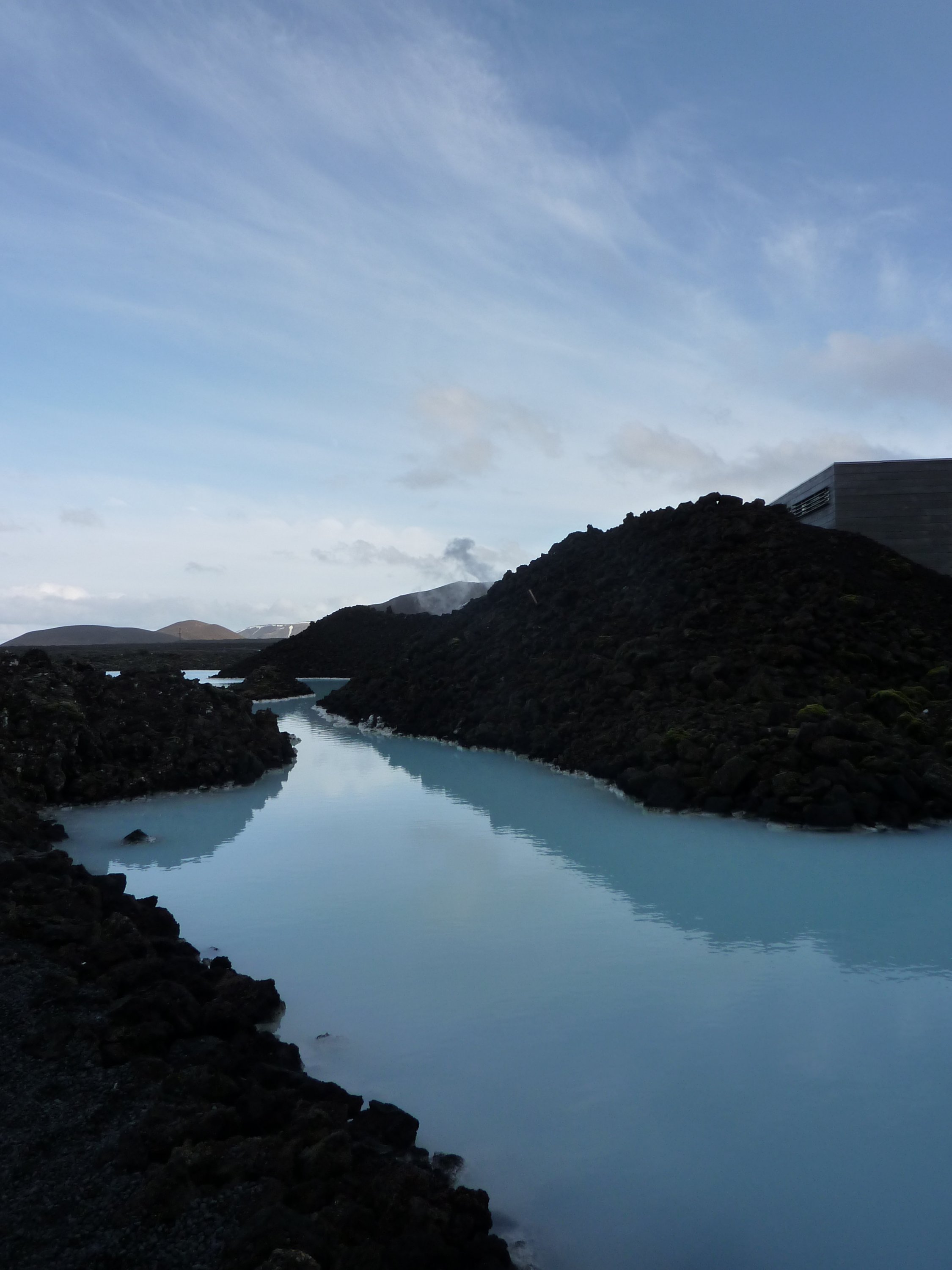

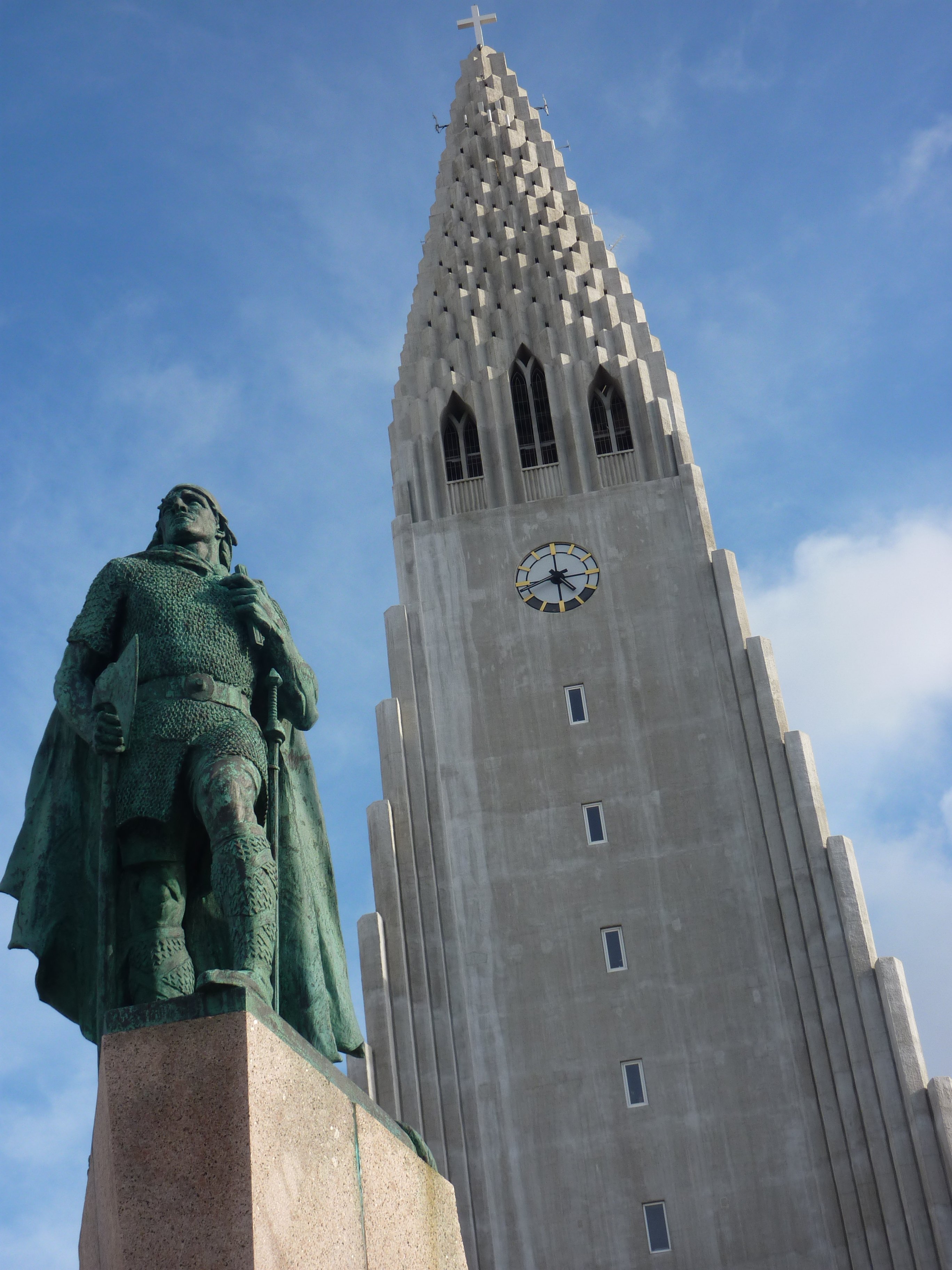
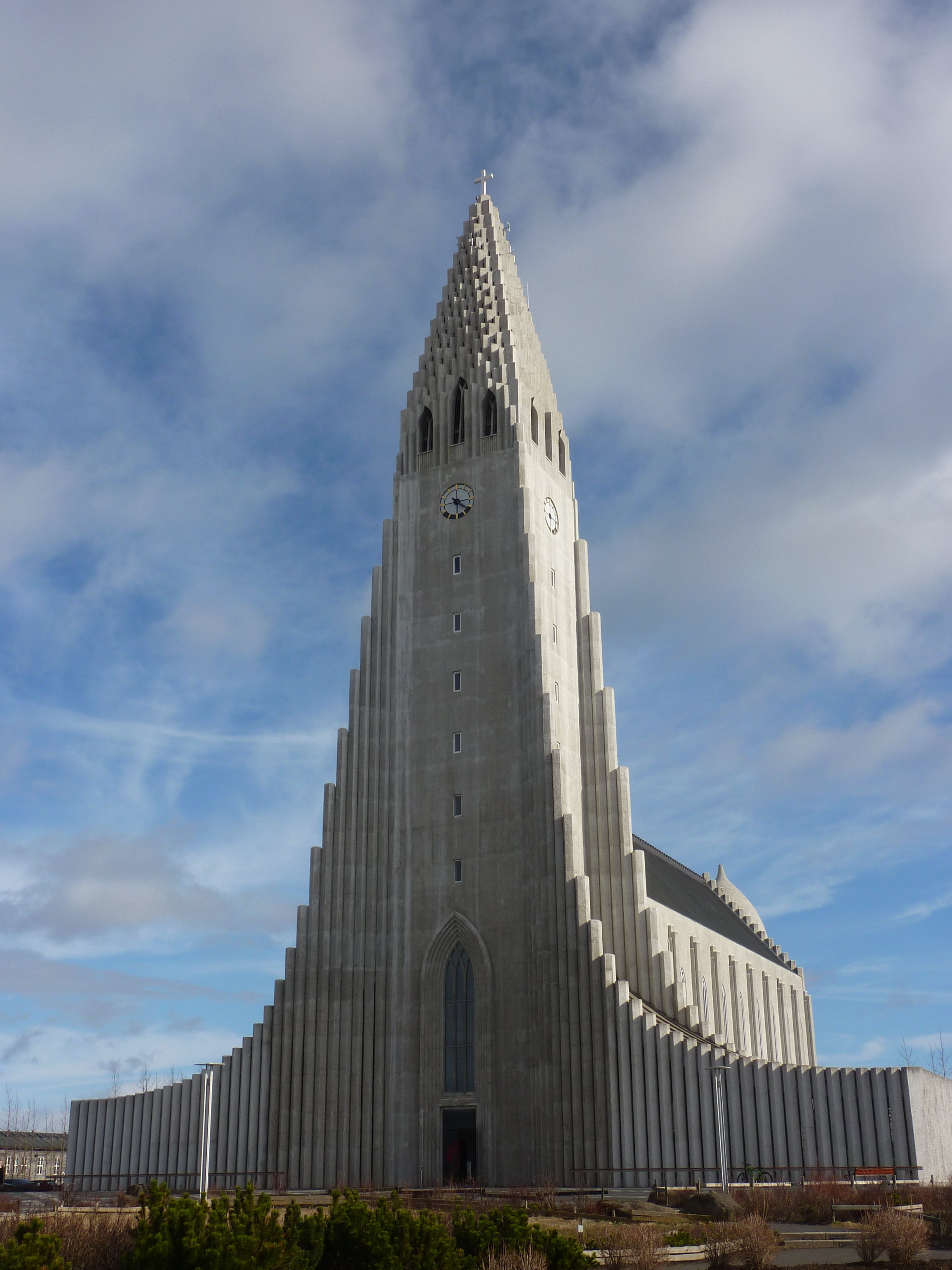

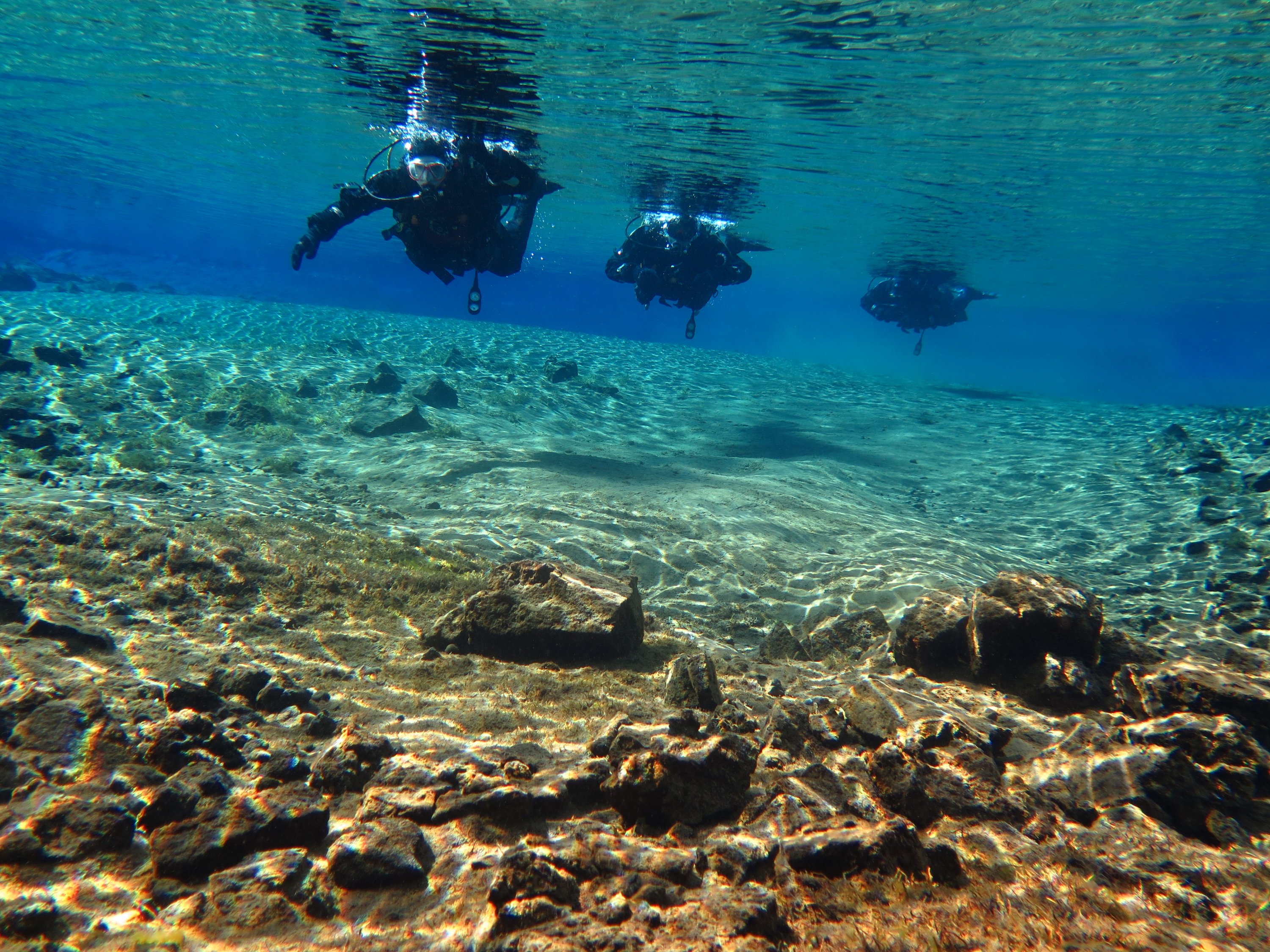




 World Complete