


Faroe Islands
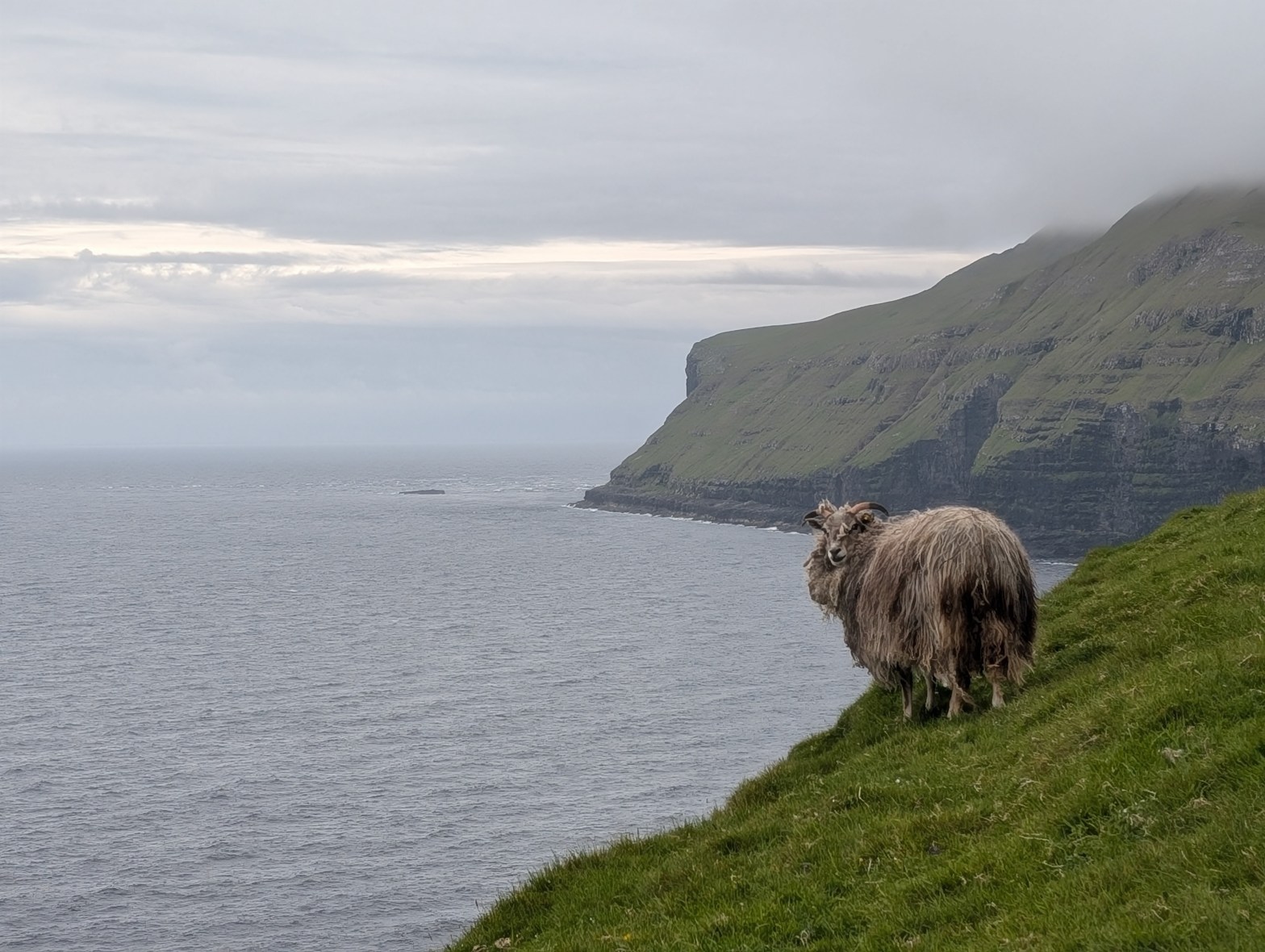
The Faroe Islands, a remote North Atlantic archipelago, have long fascinated me with their rugged landscapes, dramatic cliffs, and the ever-changing weather that sweeps across the 18 islands.
Nestled between Scotland, Iceland, and Norway, this self-governing territory of Denmark has a rich history shaped by Viking settlers, fishermen, and the elements themselves.
Its capital, Tórshavn, is one of the smallest in the world, yet it has played a crucial role in the islands’ story for centuries. Named after Thor, the Norse god of thunder, Tórshavn has been a trading hub since the Viking Age, and today, it’s a charming blend of old-world traditions and modern Nordic life.
This trip was particularly special for me, as it marked my first adventure as a solo traveller – something I’d always wanted to try.
Exploring the Faroe Islands alone felt like the perfect challenge, a mix of freedom and self-discovery set against some of the most breathtaking natural scenery.
So what should first-time visitors to the Faroe Islands consider before departing to this rugged, wild and unpredictable destination.
The first and most important thing to prepare for, some may argue, is the weather. Even in June, the Faroe Islands don’t offer the kind of summer warmth you might expect elsewhere in Europe.
Average highs reach around 11°C (52°F), while lows can drop to a chilly 7°C (45°F). Rain is frequent, and the sky changes mood by the minute – one moment drenched in mist, the next bathed in golden sunlight. Waterproof gear and warm layers are essential for any visitor.

This ever-changing climate has earned the Faroe Islands the nickname “The Land of Maybe”, a phrase that perfectly captures the unpredictability of life here. The weather can shift dramatically within minutes – what starts as a clear, sunny morning can quickly become a misty, windswept afternoon, only for the skies to clear again just as suddenly.
Locals have learned to embrace this uncertainty, often giving plans a flexible “maybe” rather than a definite yes or no, knowing that nature ultimately decides what’s possible. For visitors, this means packing for all conditions, expecting the unexpected, and learning to appreciate the beauty of the moment – whether it’s watching the fog roll over a mountain ridge or catching a fleeting glimpse of the sun glistening on the sea.
Another practical consideration is currency. The official currency is the Danish Krone (DKK), with an exchange rate of approximately 9 DKK to £1 GBP at the time of writing. Credit and debit cards are widely accepted, but it’s always handy to have a small amount of cash, especially when visiting remote villages or taking the ferry to smaller islands.
Also, tipping in the Faroe Islands isn’t a common practice, as service charges are typically included in restaurant bills, and wages for hospitality staff are generally fair. Locals don’t expect tips, but rounding up the bill or leaving small change as a token of appreciation for exceptional service is always welcomed.
In cafes and bars, tipping is rare, though a small gratuity won’t be refused. Hotel staff and taxi drivers also don’t anticipate tips, but rounding up the fare or leaving a few extra krone for helpful service is a kind gesture.
For UK travellers, adjusting to life in the Faroes is refreshingly easy. There’s no time difference between the UK and the Faroe Islands, so there’s no jet lag to contend with.
However, if you’re bringing electronic devices, you’ll need to pack a power plug adapter.
On the Faroe Islands, power plugs and sockets (outlets) of type F and type K are used. The standard voltage is 230 V at a frequency of 50 Hz. Yes, you need a power plug travel adapter for sockets type F and K on the Faroe Islands.
While the dramatic landscapes might make the islands feel remote, communication is rarely an issue. The national language is Faroese, a North Germanic language that shares grammatical similarities with Icelandic and Old Norse but has a pronunciation closer to Norwegian.
Danish is also an official language, and thanks to the islands’ connection to the UK and tourism growth, English is widely understood.
All that being said, learning a few local phrases is always appreciated. “Hello” in Faroese is Hallo, and “goodbye” is Farvæl. In Danish, you’d say Hej for hello and Farvel for goodbye. If you want to be polite, “please” in Faroese is Vinarliga, and “thank you” is Takk. In Danish, you’d say Vær så venlig for please and Tak for thank you.
One final to consider is how to keep remain in communication with the rest of the world during your stay. Staying connected can be tricky, as roaming charges can be expensive, and local SIM cards aren’t always convenient for short-term visitors. That’s why I highly recommend buying an eSIM before you go, ensuring seamless communication and internet access throughout your trip.
Services like Airalo make it incredibly easy – you just download their app, purchase a data plan for the Faroe Islands, and activate the eSIM on your phone before departure. Once you land, your phone will automatically connect to a local network, saving you the hassle of hunting for wi-fi or dealing with SIM swaps. This way, you can navigate remote roads, check the weather, and share your stunning photos without a hitch!
With these essentials in mind, I was ready to embark on my journey – one that would push me beyond my comfort zone, introduce me to new ways of travelling, and immerse me in the breath-taking beauty of the Faroe Islands.
Getting there
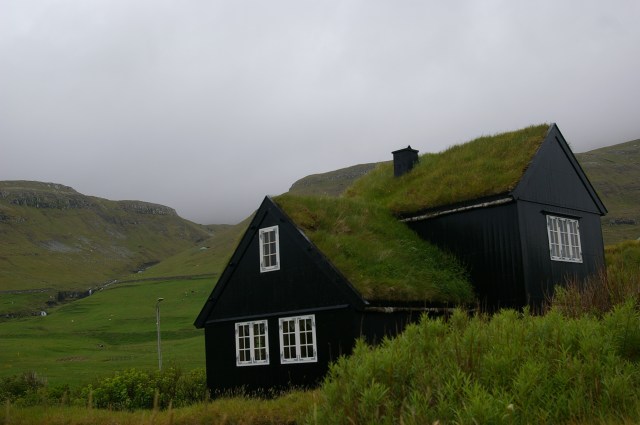
The Faroe Islands had long been on my travel wish list – that cluster of remote, weather-swept islands in the North Atlantic where dramatic cliffs plunge into the sea, tiny turf-roofed houses cling to hillsides, and sheep outnumber people.
Add to that, a visit to this wonderfully windy group of islands gave me the opportunity to add another sticker to my European Langford Water Bottle!
It’s the kind of destination that promises solitude, raw nature, and a sense of stepping far off the beaten track. But before I could experience any of that, I had to figure out how to actually get there! Because, as it turns out, reaching the Faroe Islands from the UK isn’t quite as simple as hopping on a direct flight.
While cruise ships occasionally call in at the Faroes, particularly during the summer months, I knew I wanted to spend proper time exploring the islands at my own pace. For that, flying is definitely the best option. However, there are very few direct flights from the UK – and most are seasonal, with limited availability.
My journey began very early in the morning at London Stansted, boarding a Ryanair flight to Copenhagen. This leg took around 1 hour and 45 minutes and, in true Ryanair fashion, was very much a no-frills experience.
The budget airline is famous for its strict baggage policies, bare-bones service and speedy boarding process. That said, my flight was on time, the check-in was straightforward, and at that point I was just excited to be on my way. For a short hop like this, Ryanair does the trick – just don’t expect luxury.
After a brief stopover in Copenhagen – one of Europe’s most efficient and pleasant airports (albeit lacking in phyical seating) – I boarded my second flight, this time with Atlantic Airways, the national airline of the Faroe Islands.
This leg took approximately 1 hours and 55 minutes. From the moment I stepped onto the plane, it felt like the tone of the trip had shifted. Atlantic Airways had a much more relaxed, welcoming vibe, with friendly cabin crew and a calm, efficient boarding process.
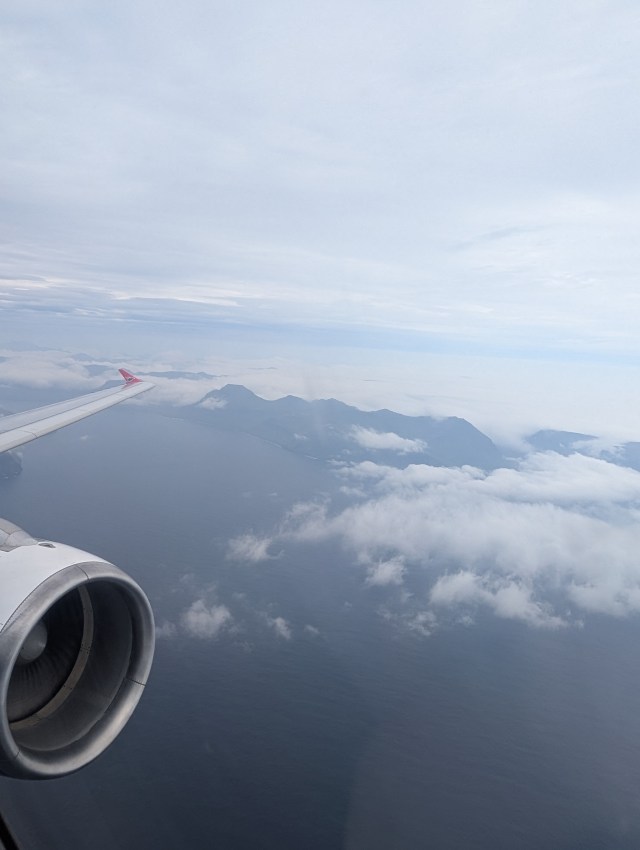
And then there were the views. Green cliffs, tiny villages, and glimmering sea in every direction – it was honestly one of the most memorable landings I’ve ever experienced.
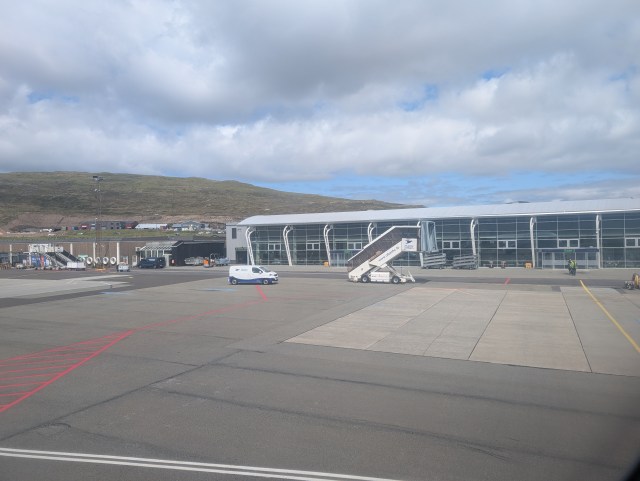
We touched down at Vágar International Airport, the Faroes’ one and only commercial airport. It’s small – you won’t find dozens of gates or a shopping mall here – but it’s perfectly equipped for the number of flights it handles each day.
Around 400,000 passengers pass through Vágar every year, and the airport has a laid-back, unhurried charm that matches the rhythm of island life. Situated just 1.9km (about 1.2 miles) east of the village of Sørvágur on the island of Vágar, and about 46km (29 miles) west of the capital, Tórshavn, it’s well positioned for easy onward travel across the islands.
My return journey took a different route, offering a new perspective on travel to and from this incredible archipelago. I flew from Vágar to Edinburgh with Atlantic Airways – a short and smooth flight of about 1 hour and 25 minutes.
It’s amazing how quickly you can go from windswept cliffs and winding fjords back to the urban bustle of a UK airport. After a long wait in Edinburgh Airport (definitely bring snacks and a book), I boarded a final Ryanair flight back to London Stansted. This last leg took just 1 hour and 15 minutes.
In total, my flights for the trip – four in all – came to £439.48. For a solo adventure to such a remote destination, I thought it was a fair price. With a bit of flexibility, you might be able to shave some money off by shopping around or tweaking your travel dates, but it’s worth budgeting a little more for the convenience of well-timed connections.

Where to stay
When I was planning my trip to the Faroe Islands, the next question that followed how I was going to get there was where I was going to stay.
While the islands are scattered across dramatic fjords and cliffs, most visitors base themselves in Tórshavn, the capital and by far the largest “city” in the Faroes. I say “city” because, with a population of just over 20,000, it’s more of a charming coastal town than a buzzing metropolis – but it’s the beating heart of the islands nonetheless.
Tórshavn is located on the southeast coast of Streymoy, the largest of the Faroe Islands. It’s a natural hub for travellers, with a good range of shops and restaurants.
For most people visiting the islands – especially if, like me, it’s your first time – staying in or around Tórshavn makes perfect sense. From here, you can easily venture out to other islands in your car while still enjoying a cosy base to return to at the end of the day.
There are several central hotels in Tórshavn, including well-rated options like Hotel Hafnia, Hotel Brandan, and the Hilton Garden Inn. But I decided to go for something a little more personal and homely, booking this lovely AirBnB just outside the centre.
Located on Jóannesar Paturssonar Gøta, the apartment is set in a quiet residential area, around a 10-minute walk to the centre of Tórshavn. It’s a peaceful, well-kept neighbourhood – close enough to reach everything on foot, but far enough to feel like you’re living more like a local than a tourist.
One of the biggest perks was the easy parking available at the rear of the property, which made it super convenient for me to explore the rest of the islands by rental car without worrying about where to leave it overnight.
The apartment itself was clean, and well-equipped. It’s a one-bedroom space with a comfortable set of single beds, a functional bathroom with a good shower, a cosy living area, and a small but practical kitchen – perfect for preparing breakfast or a simple dinner after a long day of hiking or road-tripping, while the wi-fi was fast and reliable (useful for planning the next excursion).
I paid a total of £572.76 for four nights, which worked out to £143.19 per night. Given the location, amenities and overall comfort, I felt it was good value for money – especially compared to hotel prices during peak travel season in the Faroes.
One thing to be aware of if you’re travelling in June or the summer months is the near-constant daylight. The sun barely sets at this time of year, and even in the early hours of the morning, there’s often a soft glow outside – a version of the midnight sun.
I’ll admit, it threw me off a little at first. I found myself wide awake at 11pm thinking it was still early evening! It’s something you quickly get used to (the blackout blinds help), but it’s definitely worth knowing ahead of time if, like me, your body clock is a little sensitive to light.


Getting around
Getting around the Faroe Islands is part of what makes travelling there such a unique experience. With rugged terrain, dramatic coastlines and small, scattered communities spread across 18 islands, having the freedom to explore at your own pace is a real advantage. Without a doubt, the best way to do that is by hiring a car.
At Vágar International Airport, just a short walk outside the main terminal, you’ll find a small building that houses several car hire companies. It’s easy to navigate and well signposted, with friendly staff and a range of vehicles available depending on your needs.
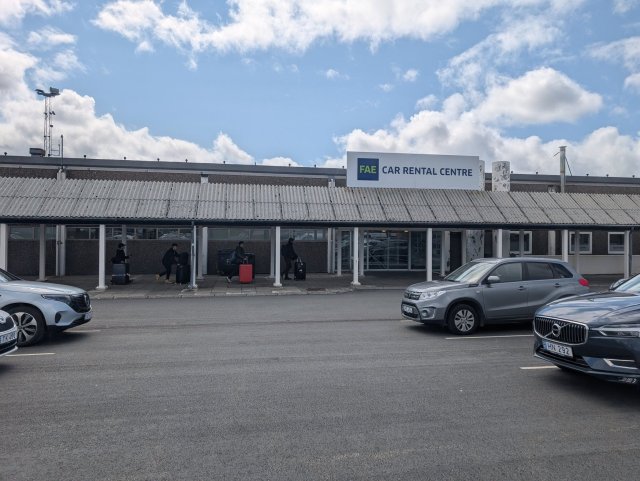
For my trip, I booked through RentYourCar.fo, a local provider with good reviews and clear options. I initially reserved a mini manual car, but on arrival I was given an automatic – which turned out to be completely fine for the driving conditions.
As part of my booking, I opted for a package that included premium insurance, portable wi-fi internet (super handy for navigation and staying online on the go), and a Sub-Sea Tunnel Pass, which covered tolls for two of the four undersea tunnels – Vágatunnilin and Norðoyatunnilin.
I hired the car for three days, and the full package came to 5,107 Danish Krone, which worked out at around £586. Not the cheapest rental I’ve ever had, but well worth it for the peace of mind and freedom to explore.
A car will take you across the main connected islands with ease, thanks to a network of bridges, tunnels and causeways. However, some of the more remote islands (which I didn’t visit this time) can only be reached by boat or ferry, so if you’re planning to go further afield, it’s worth factoring that in.
In the Faroe Islands, you drive on the right-hand side of the road, which is important to remember if you’re coming from the UK. Fortunately, the roads are generally very quiet, even in Tórshavn, and the driving experience is a calm one overall.
Speed limits are fairly clearly marked and easy to follow. However, the rule of thumb is that it’s 50 km/h (31 mph) in built-up areas, and 80 km/h (50 mph) on main roads and in tunnels. In some spots, the limit drops to 60 km/h (37 mph), so it’s worth keeping an eye on the signs as you go.
Most roads are well maintained, even in more remote areas, but they can become windy and narrow, especially when climbing through mountain passes or hugging the coastline.
Passing oncoming vehicles can require a little caution and cooperation, particularly on single-lane roads with passing places.
The only real hazard to watch for is the sheep – and there are plenty of them. They roam freely and sometimes decide the middle of the road is the perfect place for a rest, so a bit of patience and a gentle brake foot go a long way.
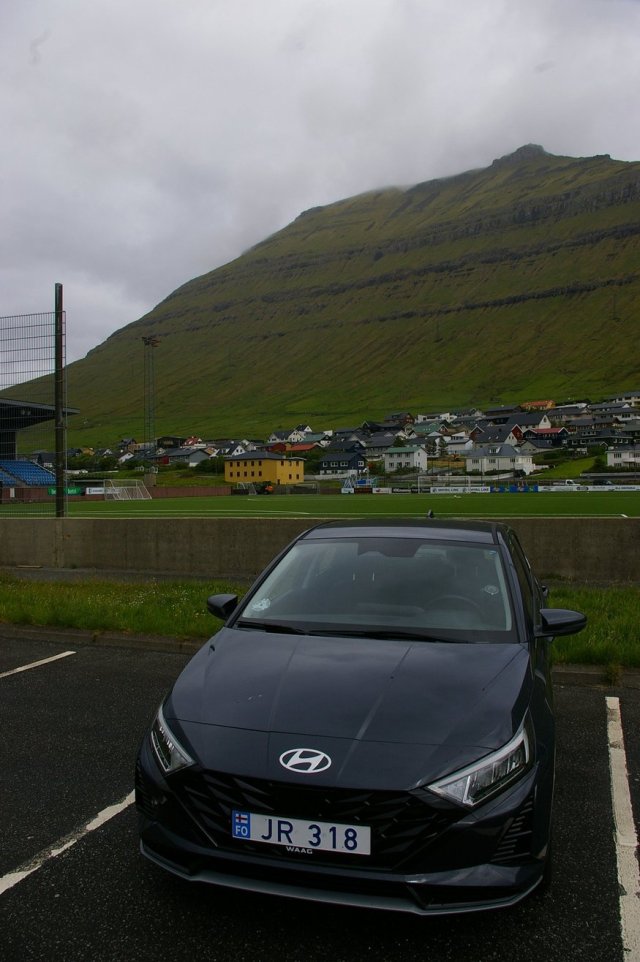
Parking on the Faroe Islands is generally straightforward and stress-free, especially when compared to busier European destinations. In most towns and villages, including Tórshavn, you’ll find free public parking spaces available, though some areas in the centre may require a parking disc (usually provided with your hire car) to show your arrival time, as time restrictions can apply.
Outside of the capital, parking is even easier, with many viewpoints, hiking spots, and attractions offering ample space to leave your vehicle. During my trip, I never struggled to find a spot, and having free and convenient parking at my Airbnb made exploring by car all the more enjoyable.
One of the engineering marvels of the Faroe Islands is the series of Sub-Sea Tunnels that connect various islands beneath the ocean floor. These are vital links in the road network and can save you a huge amount of time and effort compared to relying on ferries.

There are four main Sub-Sea Tunnels in the Faroe Islands. The Vágatunnilin connects Vágar – where the airport is located – to Streymoy, the island that’s home to the capital, Tórshavn. A round trip through this tunnel costs 100 Danish Krone, which is about £11.50. The Norðoyatunnilin links the islands of Eysturoy and Borðoy and is priced similarly, also costing 100 DKK for a round trip.
The Eysturoyartunnilin is a particularly impressive feat of engineering, connecting Streymoy and Eysturoy via a tunnel that features the world’s only undersea roundabout – a slightly surreal and futuristic experience when you first drive through it. The toll here depends on which part of the route you use: a journey from Streymoy to Eysturoy (including Tórshavn) costs 175 DKK one way or 350 DKK for a return, while the shorter Saltnes to Strendur route is 125 DKK for a round trip (about £14).
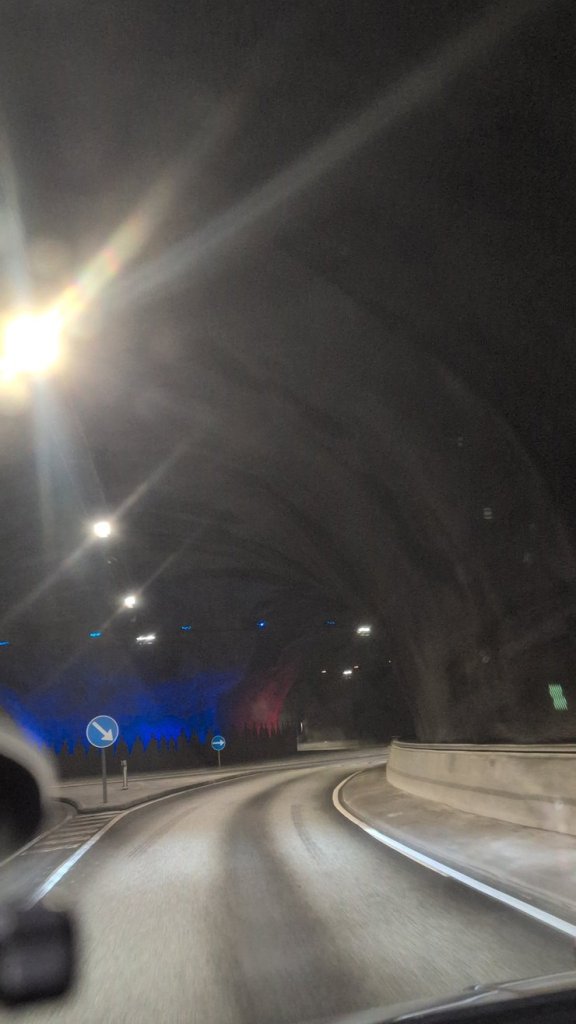
Lastly, the Sandoyartunnilin – the newest addition to the network – connects Streymoy to the island of Sandoy. A return journey through this tunnel will set you back 350 DKK, roughly £40.
These tolls can add up, so if you’re planning to use multiple tunnels, it’s worth seeing whether your car hire company offers a tunnel pass or a prepayment option as part of the rental – as mine did.
All in all, having a car made exploring the Faroe Islands not just easier, but one of the highlights of the trip.


Top sites
Tórshavn
This part of the blog takes a look at some of the great places I visited during my time in the Faroe Islands. To make things easier to follow, I’ve broken it up by the main islands I travelled around during my stay. But before we get into those, the capital city itself definitely deserves its own section.
Tórshavn is home to just over 20,000 people, making it not only the capital but also the largest and busiest place in the country. It sits on the southeast coast of Streymoy and acts as the administrative and cultural heart of the islands.
While it’s small by most standards, it’s where most visitors – including myself – choose to stay, thanks to its convenience, comfort and laid-back charm.
It’s a great place to return to each evening, and a perfect starting point for discovering everything else the Faroe Islands have to offer.

One of the first stops for most people – and indeed one of the most picturesque and historic corners of Tórshavn – is Tinganes, a narrow peninsula that juts out into the harbour and feels like stepping back in time.
This is one of the oldest parts of the city – and one of the oldest parliamentary meeting places in the world, with a history dating back over a thousand years.
Wandering around Tinganes is a real highlight. The area is full of turf-roofed wooden buildings, painted in deep reds and blacks, that line narrow cobbled lanes and lean into each other like something from a storybook.
These days, the buildings are home to parts of the Faroese government, but you’re free to stroll through the area at your own pace. It’s incredibly quiet, peaceful and atmospheric, with little to break the silence beyond the occasional seabird or flapping flag.
It’s not a big area—you can walk around Tinganes in fifteen minutes if you’re not stopping—but it’s well worth taking your time to soak it all in.


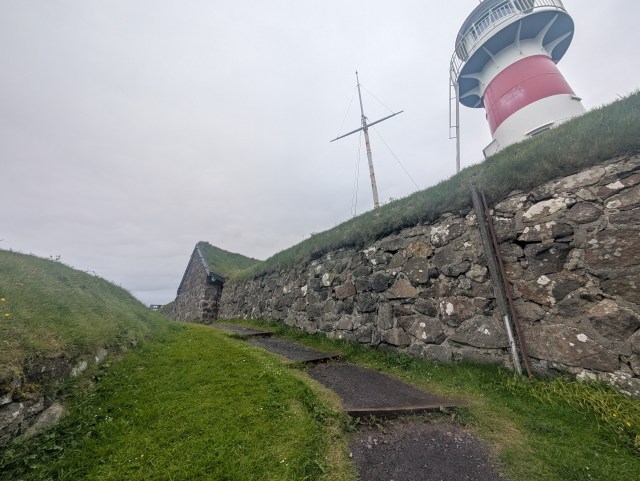
The next stop is the nearby fortress of Skansin which is perched on a small hill just a short walk from the harbour in Tórshavn, and it’s one of the most striking landmarks in the city.
Built in the 16th century to defend against pirate attacks, the fort has been rebuilt and expanded over the years, and even served as a British military base during the Second World War.
Today, Skansin is a peaceful spot that’s open to the public, free of charge. It offers brilliant views across the harbour and out to sea, as well as back over the city itself. The walk up is easy and only takes a few minutes from the town centre, making it a perfect quick stop when exploring the capital.
On the grounds you’ll find remnants of the old defensive walls, a few rusting cannons, and a striking white lighthouse that still operates today.
While there isn’t a museum or much in the way of signage, the site has a quiet charm and a sense of history that’s easy to appreciate.
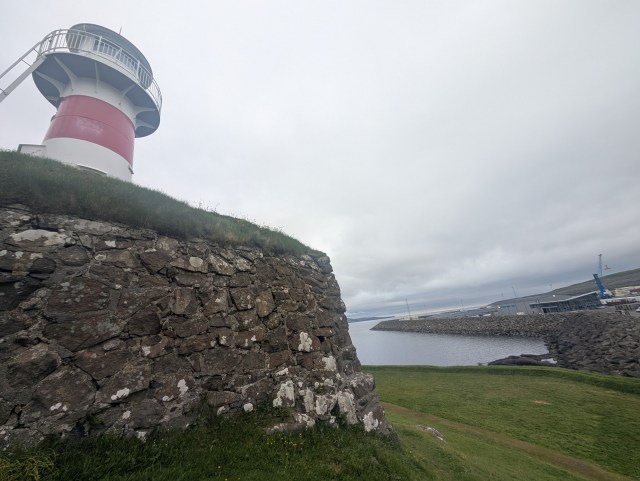
The next stop is Tjóðsavnið (Faroe Islands National Museum), which sits on Brekkutún 6 in the Hoyvík suburb of Tórshavn – just a short drive or pleasant walk from the city centre.
It’s a small but thoughtfully curated museum made up of three distinct parts: the main Permanent Exhibition, the Open-Air Museum at Hoyvíksgarður, and the historic whaling station at Við Áir (the latter is only open on summer weekends and located a short distance outside the city).
The Permanent Exhibition offers a fascinating overview of the islands’ natural and cultural history – from ancient geological formations and native wildlife to Viking artefacts and medieval wooden pews rescued from the Kirkjubøur church. It’s not overly large, but it’s well presented and brought to life with helpful displays and an audio guide that ties together the Faroese story with warmth and detail.
Just down the hill from the main museum building is Hoyvíksgarður, a reconstructed early 20th-century farmstead designed to show what rural Faroese life was like in generations past.
While I did visit both the Permanent Exhibition and the open-air site, I skipped the whaling station entirely and, truth be told, I wasn’t that fussed by the open-air museum. It was quaint enough, but perhaps best appreciated if you’ve not already seen much of the real Faroese countryside.
Entry to the museum costs 80 Danish Krone for adults (around £9.20), or 50 Danish Krone for students and seniors (about £5.75). The ticket is valid for a week and includes entry to all three parts of the museum, should you wish to visit them across different days.
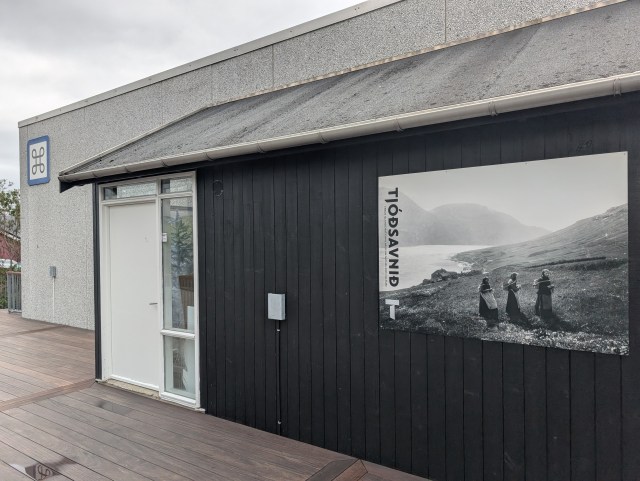

For those seeking a little touch of luxury should check themselves in for a Faroese massage experience.
Nestled beneath the striking turf-roofed Ress Spa at Hotel Føroyar, is one of the most luxurious wellness experiences you can enjoy in the Faroe Islands.
Set high in the hills just above Tórshavn, it offers sweeping views of the city below and the surrounding wild landscape – views that alone are worth the trip. It feels a world away from the wind and sea spray, a peaceful and beautifully designed retreat where everything slows down the moment you step inside.
I decided to treat myself to a one-hour full-body massage as a bit of a post-hike indulgence and, at 950 Danish Krone (around £111), it was definitely a splurge – but one I don’t regret.
The massage was expertly delivered, tailored to my preferences, and incredibly relaxing. The treatment rooms are serene and warmly lit, with calming music and just the right amount of Faroese minimalist charm. It was a full hour of pure bliss and the perfect way to recover from a few days of brisk sea air and exploring mountain roads.
Ress Spa offers a full menu of treatments, from facials and body scrubs to hot stone therapies and spa rituals, and also has thermal experiences such as saunas, plunge pools, and a relaxation area. I didn’t book any of these extras but, had I had the time, they did sound extremley inviting.
What I did enjoy, however, was the stylish spa lounge before and after my treatment. It’s a quiet, cocoon-like space with soft lighting, ceiling-suspended chairs, herbal teas, fruit-infused water, and a selection of healthy snacks – ideal for easing into or out of a treatment.
There’s a real sense of calm here, which makes it feel like time briefly stops. If you’re looking for a restorative moment during your trip, Ress Spa is a wonderful place to slow down and soak up a different side of the Faroe Islands.

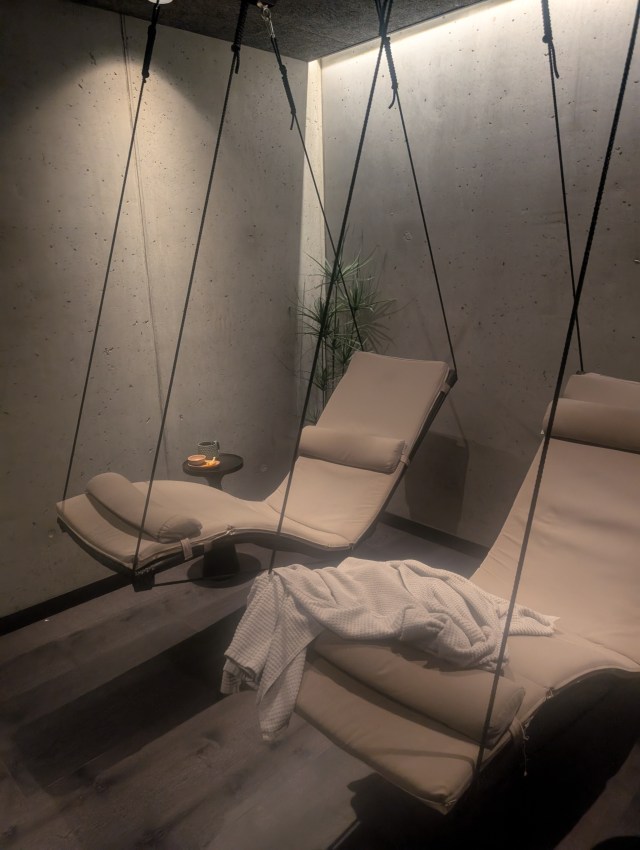
Streymoy
One of the unforgettable experiences on the Faroe Islands is a puffin watching boat trip, and for this I highly recommend booking with Puffin.fo. You can easily reserve your place online before you go, with tickets costing 398 Danish Krone (about £45).
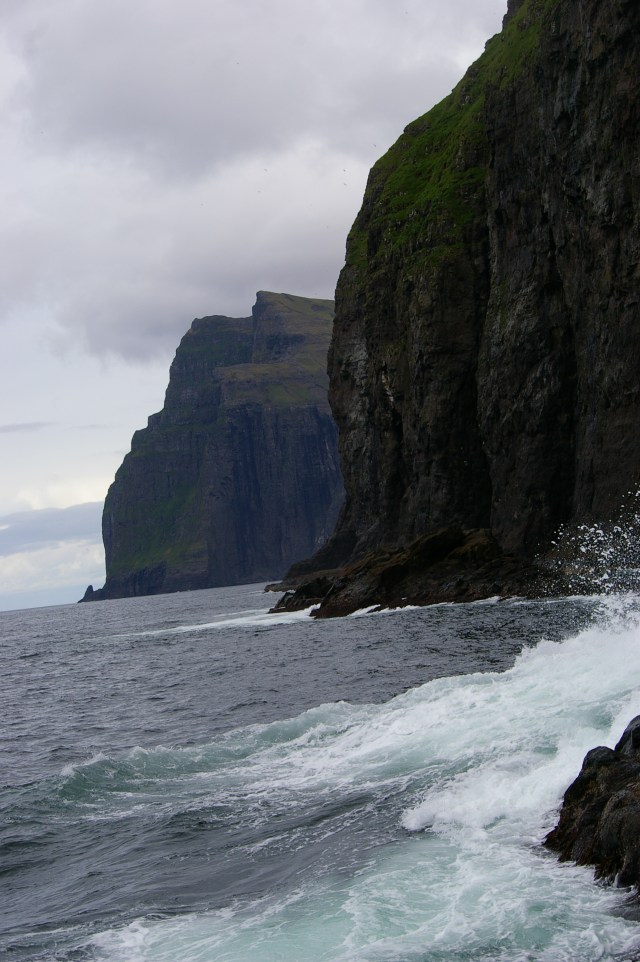
The boats depart from Vestmanna harbour, a charming small port town on the west coast of Streymoy. From there, the tour lasts around two hours, cruising along the dramatic cliffs and rugged coastline that the Faroe Islands are famous for.
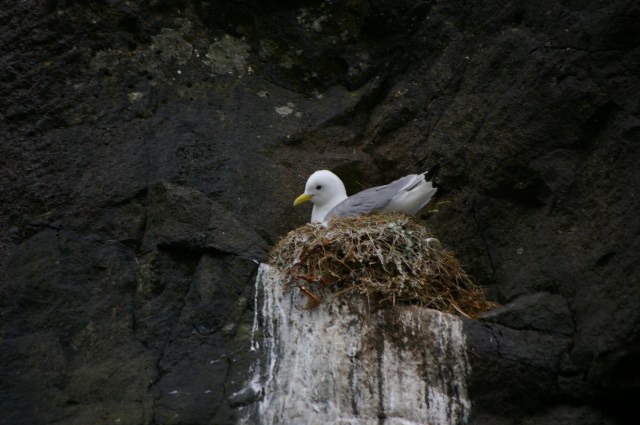
During the trip, you’ll get up close to nesting puffins — those iconic, colourful seabirds — as well as other birdlife that populate the cliffs.
The boat also takes you past spectacular sea caves and towering rock formations, offering breathtaking views from the water. It’s a fantastic way to see the islands from a different perspective, combining wildlife spotting with some stunning natural scenery.
The guide and the ship’s captain are knowledgeable and passionate, sharing interesting facts about the puffins and the local environment as you sail.
Whether you’re a keen bird watcher or simply someone who appreciates raw natural beauty, the boat trip offers a unique and memorable experience.

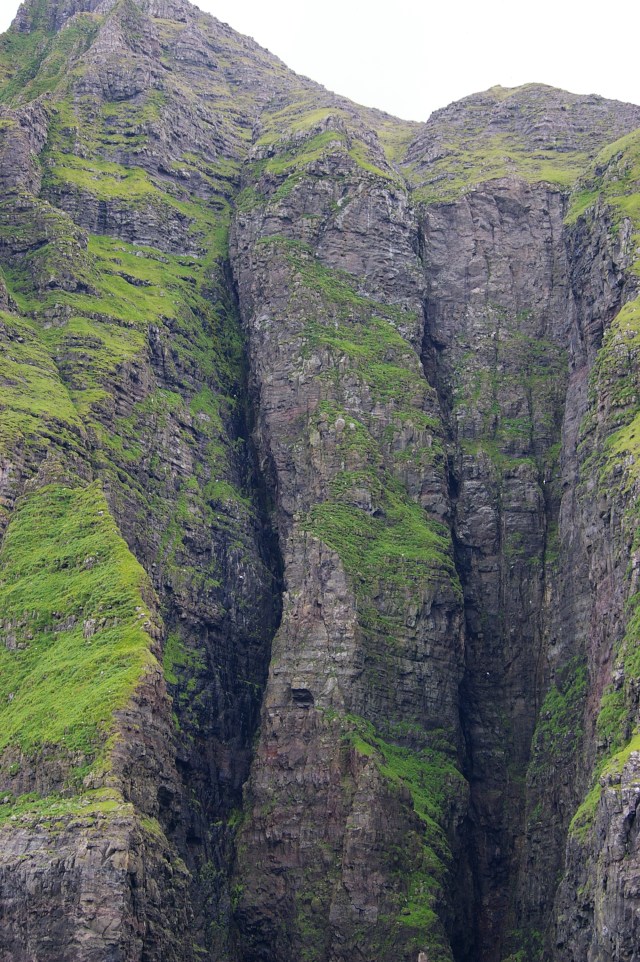
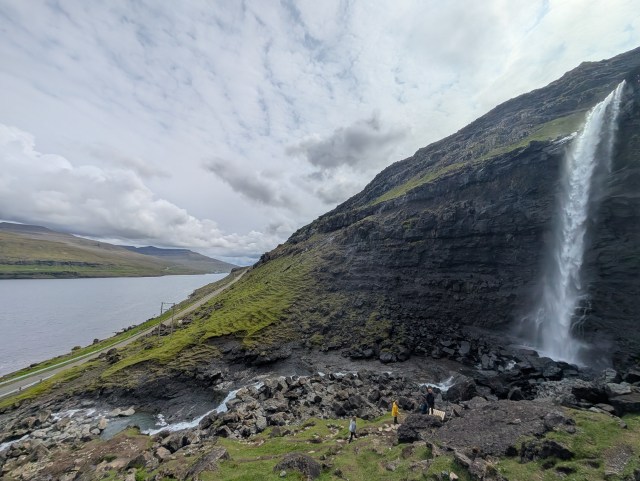
Fossá is the largest waterfall in the Faroe Islands – plunging approximately 140 metres (around 460 feet) down the cliffs – and is truly a sight to behold.
Located near the village of Haldarsvík on Streymoy, this impressive cascade tumbles dramatically down the cliffs into the fjord below.
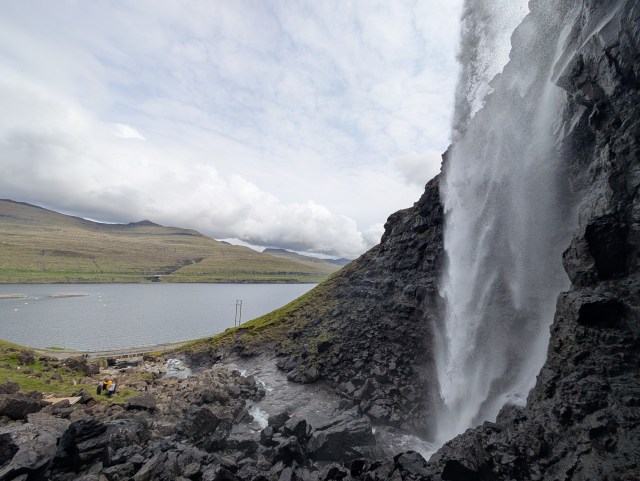
One of the best things about Fossá (apart from it being free to visit) is that you can actually climb up the rocks beside the waterfall to get really close to the rushing water. I took this opportunity myself and found it exhilarating — the roar of the water and the incredible power of nature right in front of you is an unforgettable experience.
From this vantage point, you also get stunning views back out across the nearby water and surrounding rugged landscape, making it a fantastic spot for photos or just soaking in the wild Faroese beauty. Just be cautious on the rocks as they can be slippery, especially after rain.


Not far from the village of Kvívík, you’ll find the Kvívík Viewpoint — a fantastic spot to take in some truly breathtaking panoramic views of the surrounding fjords and mountains.
It’s a relatively easy drive from Tórshavn, making it a convenient stop if you’re exploring the western part of Streymoy.
The viewpoint sits perched above the village itself, offering sweeping vistas across the lush green valleys, rugged coastline, and the small settlements scattered below.
There’s a simple gravel car park near the viewpoint (which is free to use), so it’s easy to pull up, take some photos, and enjoy the fresh sea air without a long trek. It’s an ideal spot to pause and appreciate the raw natural beauty that the Faroes are famous for.
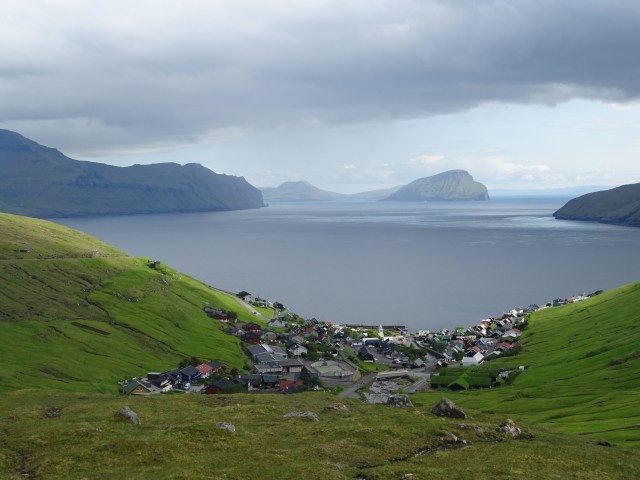
Heading north on Streymoy, Tjørnuvík is a charming and picturesque village. It’s the northernmost village on Streymoy’s coast and one of the Faroe Islands’ oldest settlements.
Getting there involves a scenic drive from Tórshavn, usually via the Eysturoyartunnilin tunnel to Streymoy and then along the coastal roads – a journey that reveals some of the islands’ stunning natural landscapes along the way.
The approach to Tjørnuvík involves a memorable stop at what feels like the world’s longest set of traffic lights. The narrow road down the mountainside is only wide enough for one car at a time with no passing points, so if you arrive at the wrong moment, you might face a lengthy wait. Thankfully, the wait time is clearly shown on a visible countdown timer on the traffic lights, helping to manage expectations as you wait your turn.
Tjørnuvík is famous for its dramatic setting, nestled between steep, towering mountains and a black sand beach facing the open Atlantic. The contrast between the rugged cliffs and the tranquil sea is striking, making it a favourite spot for photographers and nature lovers. The village itself is small, with a handful of traditional grass-roofed houses and a quiet, peaceful atmosphere that’s a welcome escape from busier towns.
One of the highlights here is the view of the iconic sea stacks, Risin and Kellingin, which legend says are trolls turned to stone by the sunlight. The village also has a quaint café where you can enjoy a coffee or light snack while soaking in the spectacular views.


Vágar
If you’re looking for a stunning first or last stop on your Faroe Islands itinerary, Trøllkonufingur – which translates to “Witch’s Finger” – is an ideal choice. It’s located on the island of Vágar, not far from the airport, and makes for a brilliant short excursion either just after you land or just before you leave.
The location is easy to reach by car, taking around 10 minutes from Vágar Airport. You’ll find a small layby near the village of Sandavágur, where a marked path leads you up towards the viewpoint.
The walk itself is fairly easy and takes about 15 to 20 minutes each way, depending on the weather and your pace. It’s not a strenuous climb, but the trail can be uneven and exposed in places, so sturdy footwear is a good idea. That said, I did it in trainers!
The reward at the top is a sweeping view across the ocean and a dramatic sight of Trøllkonufingur rising like a crooked finger out of the cliffs below. According to local legend, the formation is said to be the finger of a witch who tried to cast a spell on the islands, only to be turned to stone – just one of many myths that add to the Faroes’ atmospheric appeal.
I’d recommend visiting when the sky is clear (or at least dry), as the viewpoint really comes alive in good visibility. There’s no cost to visit, no facilities, and very few people – just a peaceful moment in nature, right at the edge of the North Atlantic.

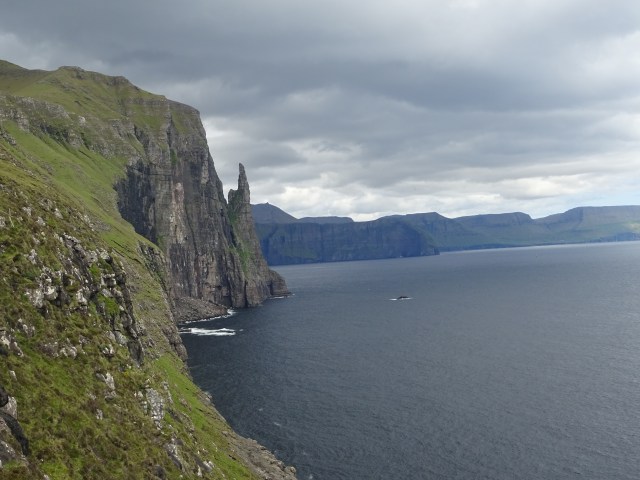
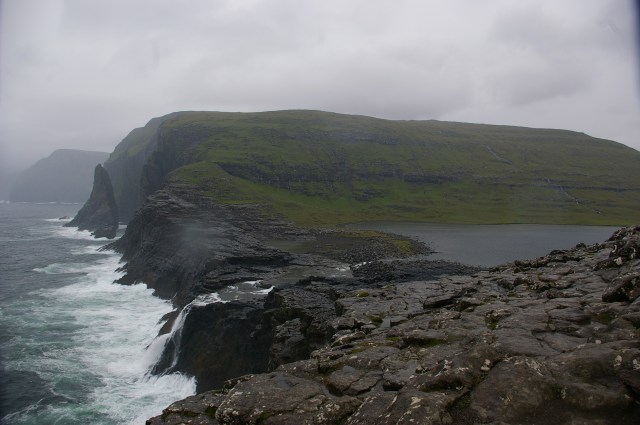
Sørvágsvatn– often referred to as the Lake Above the Ocean – is one of the Faroe Islands’ most iconic natural sights.
Located on the island of Vágar, just a short drive from the airport, it’s a popular spot for visitors hoping to see the famous optical illusion where the lake appears to hover hundreds of metres above the sea.
The walk to reach the main viewpoint, which also includes the impressive Bøsdalafossur waterfall cascading directly into the Atlantic Ocean, is a paid hike that starts near the village of Miðvágur. Entry costs 200 Danish Krone (around £23.50) and the roundtrip takes about two hours.
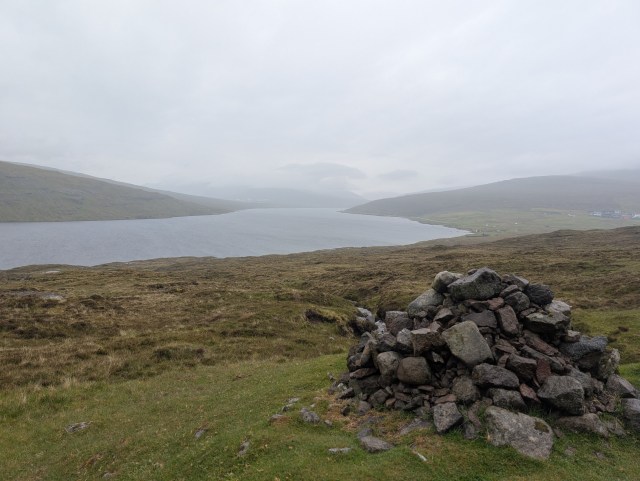
I decided to make this my final stop before flying home – a last adventure before heading to the nearby airport. In theory, this seemed like a great plan. In reality, however, it was somewhat derailed by a sudden change in the weather. It rained for the entirety of my visit and, regrettably, I hadn’t dressed for the occasion – a light rain jacket, jeans, and trainers with next to no grip turned out to be a poor choice.
For the first part of the trail, the conditions were manageable – the path was mostly flat, though my feet got increasingly wet from little streams that criss-cross the hillside.
But things took a turn as I neared the end. The incline became steeper, the rocks slick, and the lack of a clear trail made things genuinely perilous. You’re completely exposed to the elements out here, and the strong wind near the cliff edges made standing close to the edge a nerve-wracking experience.
Unfortunately, visibility was poor so the panoramic views of the lake and waterfall weren’t at their best – although still atmospheric in their own misty, windswept way.
The return leg wasn’t much easier – I lost track of the path and had to scramble over several large boulders before finding my way back. Still, despite finishing the hike completely soaked and slightly bruised, I was glad I’d made the effort. On a clear day, this would be a highlight of any Faroe Islands trip – just make sure you come prepared.

Sandoy
Heading south via the Sandoyartunnilin to Sandoy, you’ll find the peaceful village of Húsavík nestled on the island’s northern coast.
The Sandoyartunnilin is the newest of the Faroes’ sub-sea tunnels, connecting the larger island of Streymoy with Sandoy, and the drive through it feels like a journey into somewhere more remote and untouched. Once you emerge on the other side, things immediately feel quieter – slower – and Húsavík is a perfect example of that calm.
The village is small and still, with colourful houses scattered along a hillside overlooking the sea. It has a quiet beauty, surrounded by farmland and ocean views, and offers a lovely contrast to the busier streets of Tórshavn. There’s not much in the way of shops or cafés – in fact, it felt like I had the place to myself – but that’s part of its charm.
There’s a small church and some other classic Faroese buildings to admire, and while it won’t demand hours of your time, it’s a lovely stop if you’re exploring Sandoy or simply want to soak up some unspoilt scenery.

Continuing your journey through Sandoy, heading southeast from Húsavík, you’ll eventually reach Dalur – a tiny village at the end of the road; quite literally.
The drive there is dramatic and steep at times, winding past rolling hills and cliffs before suddenly dropping into a lush green valley that feels entirely hidden from the rest of the island.
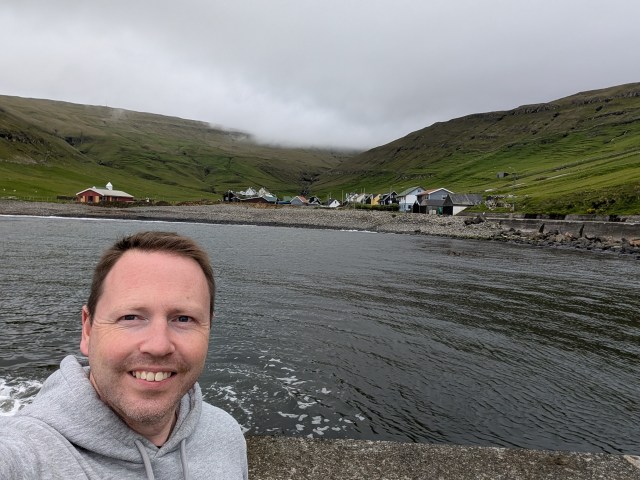
Dalur, which means “valley” in Faroese, is perfectly named. It’s surrounded by towering slopes on three sides, with the fourth opening out onto the North Atlantic. The village itself is made up of just a few houses, a simple church, and a small stream running through the grass. It’s one of the most remote-feeling places I visited during my stay – quiet, isolated, and utterly peaceful.
I wandered down to the shoreline out as far as I could along the harbour where black-sand meets jagged rocks. It feels like the end of the world in the best possible way – simple, beautiful, and memorably remote.
Eysturoy
To reach the island of Eysturoy, you’ll need to travel through the Eysturoyartunnilin; the tunnel that connects Streymoy, the island with the capital, Tórshavn with the western edge of Eysturoy (making use of the aforementioned Sub-Sea roundabout.
The tunnel is just under 12km long and takes you deep beneath the fjord, emerging on the other side with access to a wide range of towns and villages, including the likes of Runavík, Fuglafjørður and, of course, the picturesque village of Eiði further north.
Surrounded by mountains and perched on a peninsula that juts out into the Atlantic, Eiði is small and quiet, with a population of just a few hundred people – but its setting is spectacular.
The drive in is worth the visit alone, with twisting roads that reveal panoramic views of the famous sea stacks Risin og Kellingin in the distance. Although you can’t walk directly to them from Eiði, you do get an excellent vantage point on a clear day – just pull over by the football pitch and admire the view from there.
During my visit, I took a gentle walk through the village, watched the waves crash against the rocks below, and simply enjoyed the peace.

Bordoy and Viðoy
From Eysturoy, reaching the Viðareiði – the northernmost settlement in the Faroe Islands – is a scenic and memorable drive that takes you through yet another of the country’s incredible sub-sea tunnels.
To get there, you’ll need to head north-east towards Leirvík, from where you’ll drive through the Norðoyatunnilin. This tunnel connects Eysturoy to the island of Borðoy and brings you out near the town of Klaksvík, the second-largest town in the Faroes.
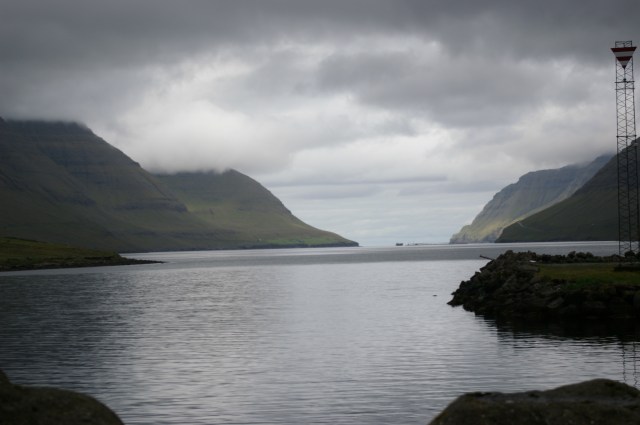
From Klaksvík, the journey continues northwards, across winding mountain roads. As you cross a short causeway onto the island of Viðoy, you’ll follow the single road all the way to its end – where you’ll find the peaceful village of Viðareiði nestled between towering mountains and the North Atlantic.
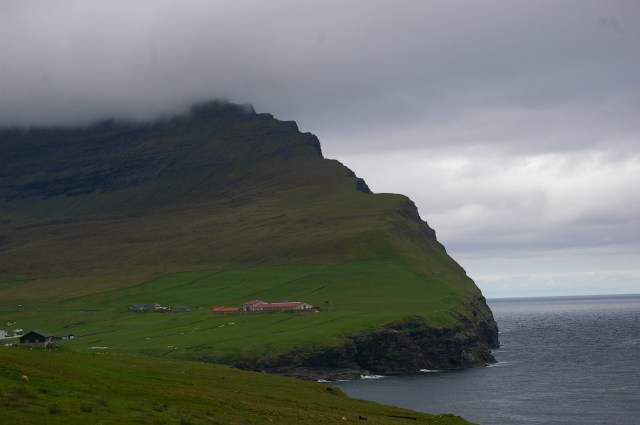
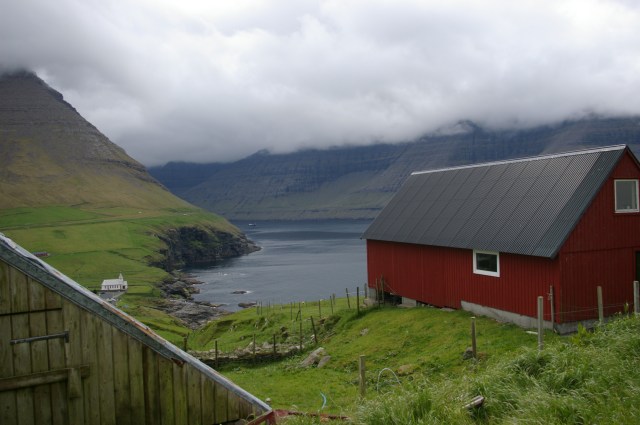
Viðareiði itself is small and quiet, but striking in its isolation. It’s surrounded by dramatic cliffs, with the mountain of Villingadalsfjall rising steeply behind it. The church in the village – beautifully situated right by the water – is well worth a look, and on a clear day you can see over to the islands of Fugloy and Svínoy from the shoreline.
For more adventurous travellers, there’s an opportunity to hike to the summit of Villingardalsfjall, the mountain that towers above the village. This trek typically takes around three to four hours round trip, covers roughly 4.5 km (2.8 miles) and ascends some 840 m in elevation – something I sadly didn’t have time to do on this visit. However, be aware that access to the trail requires paying a 200 Danish Krone fee (about £22) in cash at a box by the trailhead.
For those like me though who want to get a glimpse of the top of the mountain, the nearby Viðareiði Viewpoint just before you reach the village offers a spectacular panorama across the neighbouring islands and open sea. The viewpoint provides a perfect place to stop and take in the sheer scale of the Faroese landscape.
Faroe Islands football grounds roadtrip
This part of my Faroe Islands adventure was a little different. Rather than chasing waterfalls or puffins, I set out to see another of the islands’ major passions – football. Scattered across these dramatic landscapes are some of the most scenic football grounds in the world, each home to a team that played in the Faroe Islands Premier League in the 2024 season.
While I didn’t complete the route in one continuous journey – and the map I’m sharing shows it as one complete loop for reference – I did manage to visit every single Premier League ground (from the previous season) across my trip, including the Tórsvøllur national stadium in Tórshavn.
Each visit offered a unique glimpse into how deeply embedded the sport is within Faroese culture, even in the smallest and most remote of communities.
It’s worth noting that my list includes the stadiums for Skála ÍF and ÍF Fuglafjørður – both of whom were relegated at the end of the 2024 season. Unfortunately, I wasn’t able to make it to either of the two promoted teams for 2025 – Tvøroyrar Bóltfelag and FC Suðuroy – as both are based on the southern island of Suðuroy, which can only be reached by ferry. That will have to wait for another visit.
Nevertheless, what follows is a whistle-stop tour of Faroese football, told through winding roads, seaside stadiums, and some of the most visually striking sporting venues you’re ever likely to see. Whether you’re a groundhopper, football fan, or just curious about what the beautiful game looks like in one of Europe’s most remote outposts – this journey is for you.

Tucked away on the island of Vágar in the village of Sørvágur – just a short drive from the airport – á Dungasandi – home of 07 Vestur – one of the westernmost clubs in the Faroe Islands Premier League.
Formed in 2007 from the merger of FS Vágar and SÍF Sandavágur, the club represents the western part of the island and plays its home matches at the compact but neatly maintained á Dungasandi stadium.
The setting is instantly dramatic, with the pitch nestled beside steep cliffs and sweeping views out towards the North Atlantic.
The stadium itself is small but neat, with a couple of stands and a clubhouse on one side, and open views on the other. There’s something quite special about watching football here – the wind whipping in off the sea, the odd seagull swooping past, and a crowd that’s as passionate as it is intimate.
Standing pitch-side offered a good sense of the atmosphere – a quiet intensity in an otherwise remote landscape.
It’s also one of the easiest grounds to visit if you’re flying into the Faroe Islands. From Vágar Airport, you can be parked outside in around 10 minutes – making it an ideal first or last stop on a football-themed tour.
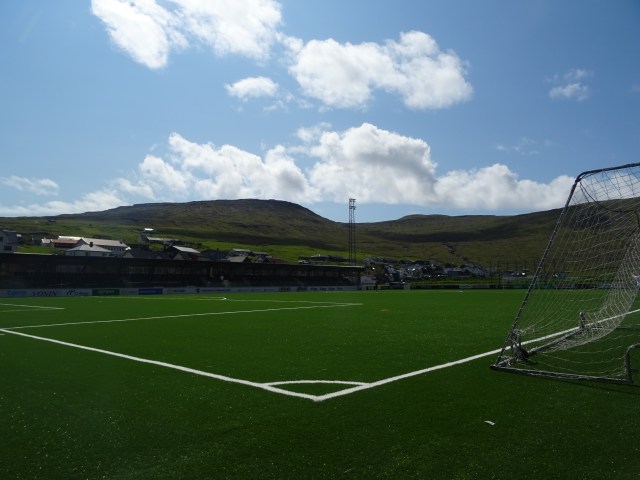

Leaving the west coast behind after visiting á Dungasandi – the strikingly located home of 07 Vestur – the drive to Tórshavn takes you east across Vágar, through the Vágatunnilin and onto the island of Streymoy. The journey is under an hour, but like much of the Faroe Islands, it’s packed with scenic drama: dramatic sea views, green mountainsides and the occasional sheep slowing you down along the winding roads.
As you reach the capital, it’s just a short drive up into the centre of town to find Gundadalur, home to two of the Faroe Islands’ biggest clubs: B36 Tórshavn and HB (Havnar Bóltfelag). HB, founded in 1904, is the oldest and most decorated club in the Faroes, while B36, established in 1936, has also enjoyed domestic success, particularly in more recent decades.
Rather than two separate stadiums, Gundadalur is a shared football complex with two main pitches and a scattering of club buildings and training areas nestled between them.
B36 and HB both compete in the top flight and, while fierce rivals on the pitch, they coexist in this shared space in an arrangement that’s surprisingly harmonious.
On matchdays, each side of Gundadalur takes on its own character – but even on quieter days, there’s something charming about strolling through the complex, surrounded by local houses and backed by the green hills that rise behind the city.


Leaving Gundadalur behind, it’s just a couple of minutes’ walk across the football complex to Tórsvøllur , the modern home of the Faroe Islands National Football Team.
Nestled at the edge of Tórshavn, near the national swimming pool and sports complex, this compact but impressive stadium feels like a proper international ground – just on a much more intimate scale.
Unlike the other stops on my tour, this was the only ground where I actually saw a match. By sheer good fortune, my visit coincided with a 2026 FIFA World Cup qualification fixture, and I was lucky enough to join the local fans in watching the Faroe Islands beat Gibraltar 2–1 under the floodlights. The atmosphere was brilliant – passionate but friendly, and very much a community affair.
One of the more amusing quirks of the evening came from the home support behind the goal, who seemed to be working their way through a nostalgic playlist of late 1990s and early 2000s pop hits. With real enthusiasm, they belted out the likes of Backstreet’s Back by the Backstreet Boys – all while the game was in full flow. It gave the match a slightly surreal but thoroughly enjoyable edge.
Tórsvøllur itself is smart and well-kept, with a synthetic pitch with three sides of stands housing the fans. You can walk around part of the perimeter for other views, and the setting – like most stadiums in the Faroes – features dramatic hills in the background. There’s a small shop and refreshments area too where I grabbed a hot dog and a couple of bottles of beer, and it’s also only a short walk back into the centre of Tórshavn.
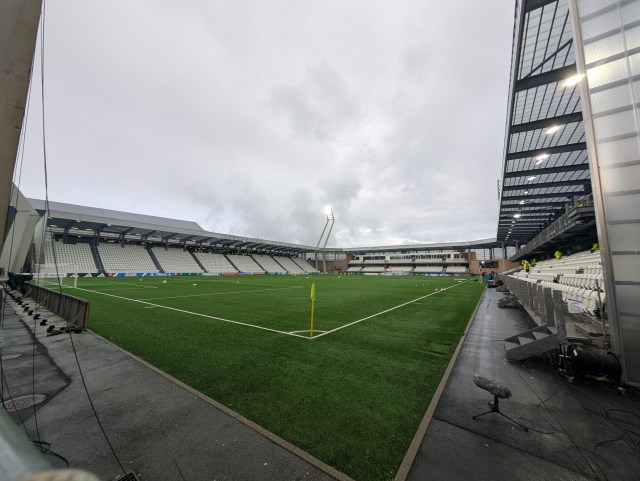
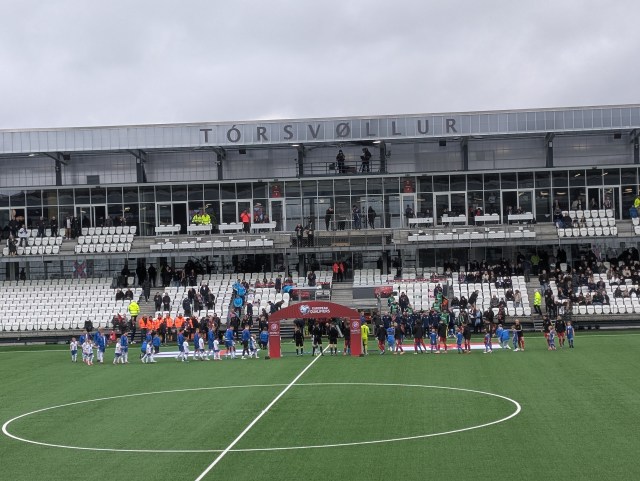
Leaving the capital behind, you can head east across the Eysturoyartunnilin – the impressive undersea tunnel complete with a glowing roundabout beneath the Atlantic – and make your way to Toftir, home of B68 Toftir.
Founded in 1962, B68 has enjoyed spells in the Premier League and even claimed league titles in the 1980s, forging a strong local identity and loyal fanbase.
The journey to the stadium takes around 40 minutes from Tórshavn and offers sweeping views of fjords and mountains as you climb up and over the spine of the island.
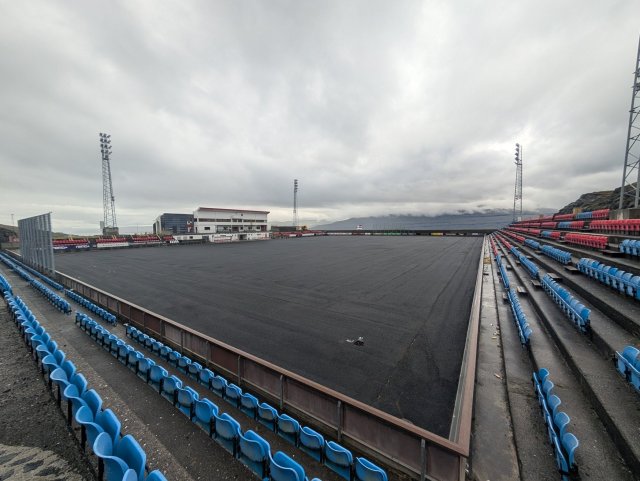
B68’s home ground, Svangaskarð, sits high above the village, and its elevated position means it offers some of the most dramatic views of any football pitch I’ve ever visited. The stadium has hosted the Faroe Islands national team in the past and was once the main ground for international matches before Tórsvøllur was built.
Unfortunately, during my visit the pitch was fully covered, so there was no grass in sight – just protective sheeting stretched across the surface. It was hard to tell whether it was due to maintenance, reseeding, or simply shielding it from the unpredictable weather, but it meant the ground felt a little less alive than it might have.
That said, the location itself is undeniably striking – perched on a plateau above the fjord, with the ocean visible in the distance and steep cliffs rising around it.
Even without a match on, it’s easy to imagine the kind of atmosphere a game here could generate on a windy afternoon (fun fact a unique rule allows a second player to hold the ball during set-pieces to counteract the strong winds prevalent in the islands; the only place in the world this rule is in place) with the local fans cheering from the stands.
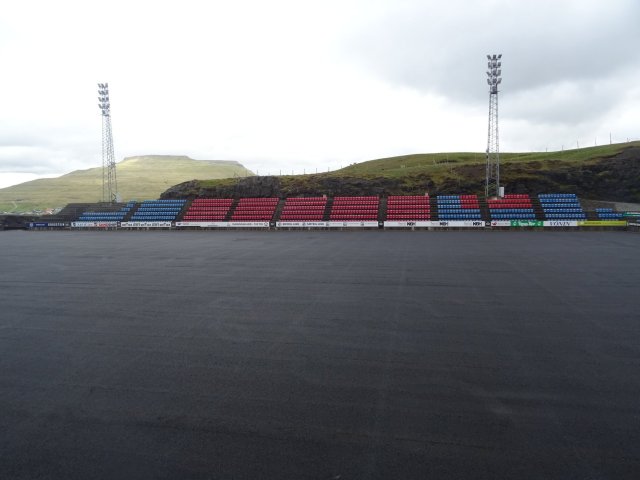
From Toftir, it’s a short and scenic drive to Runavík, where you’ll find Við Løkin, the home of NSÍ Runavík.
Founded in 1957, NSÍ has grown into a respected Faroe Islands Premier League side, regularly competing at the top level and nurturing local talent, all while maintaining close community ties.
The journey to the ground takes just 10 to 15 minutes along the coastline of Eysturoy, with views across the fjord and rolling green hills that make the Faroe Islands such a pleasure to explore by car.
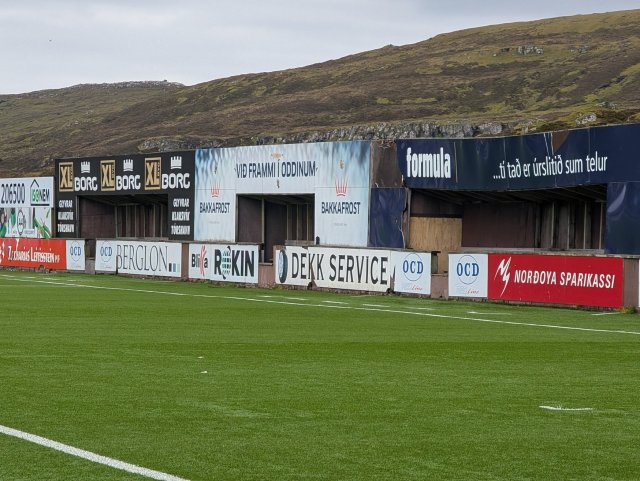
The ground itself is tucked in beside the water, with a picturesque setting that’s typical of Faroese football. While relatively modest in size, Við Løkin has a strong sense of character – a close-knit local ground where you can imagine the stands filling quickly on match days as the community turns out to support their team.
One of the charming quirks of Við Løkin is the rather makeshift appearance of the dugouts. Constructed with what looks like simple plywood and timber, they sit awkwardly beside the pitch like an afterthought – but add to the no-frills, grassroots charm of the place. It’s a reminder that while the football here is competitive, the infrastructure often reflects the island’s scale and simplicity.
You don’t need to spend long here to appreciate the peaceful surroundings and how the stadium blends into the rugged beauty of the landscape. The ground is easy to access, just off the main road through town, and parking is straightforward.

From Við Løkin, you can carry on towards Sarpugerði, the home ground of Víkingur Gøta. This ground stands out for its openness and accessibility — unlike some stadiums where the pitch feels distant, here you can easily stroll right onto the grass.
During my visit, I spotted a few footballs casually left near the side-lines and couldn’t resist taking a few pot shots at goal myself. It was a surprisingly fun and laid-back way to connect with the local football culture, something that’s a hallmark of Faroese football grounds.
Víkingur Gøta is a club with an interesting history despite being quite young. Formed in 2008 by the merger of two clubs, Gøtu Ítróttarfelag and Leirvík ÍF, it quickly established itself as a major force in Faroese football. Since then, Víkingur Gøta has regularly challenged for top honours in the Premier League, winning several league titles (including the 2024 league) and cup competitions.
The club is well supported locally and prides itself on developing talent and maintaining strong ties to its community. Visiting Sarpugerði offers a real sense of that club identity — a place where football feels very much grounded in local pride and passion.
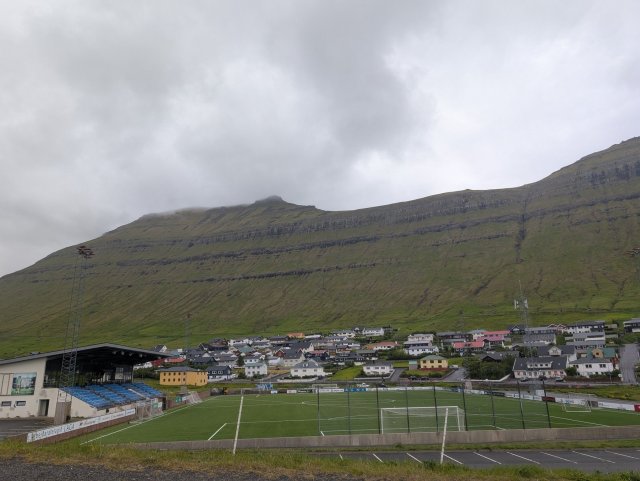

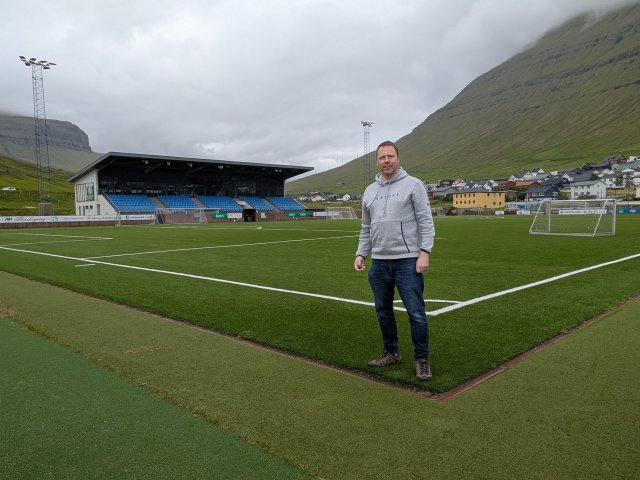

From Sarpugerði, your road trip takes you northeast to Við Djúpumýrar, the home of KÍ Klaksvík — the second-largest town in the Faroes and a true footballing hotbed.
This stadium is the northern-most football stadium I was visiting and it has a charming, traditional feel about it but with well-maintained facilities. During my visit, I was able to step straight onto the grass and even have a seat in the dugouts — which are practical and sturdy, giving you a real sense of what it’s like to be part of the action on match day.
KÍ Klaksvík is steeped in history and success, being one of the oldest and most decorated clubs in Faroese football.
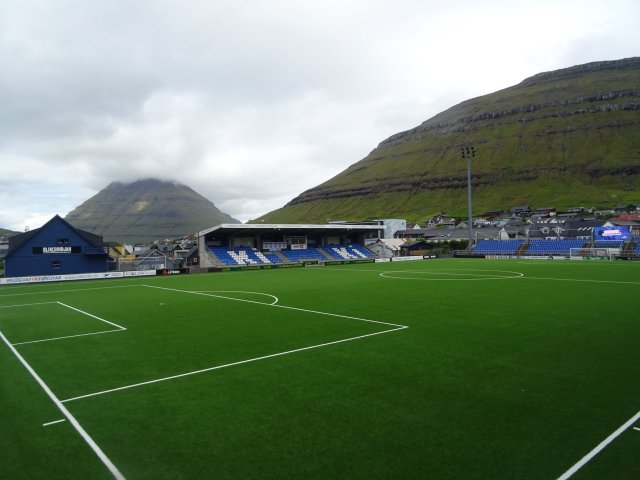


From Við Djúpumýrar, your roadtrip takes you south to Í Fløtugerði, the home stadium of ÍF Fuglafjørður.
Nestled in the town of Fuglafjørður on Eysturoy island, this ground might be one of the smaller and less flashy venues compared to some of the others you’ve visited, but it carries a deep sense of local pride and history and from the top of the hill is one of the most pictureesque in the country.
Despite being one of the two clubs relegated from the Faroe Islands Premier League at the end of the 2024 season I still decided to stop by and see what it had to offer.
The stadium itself offers a very intimate experience. The ground is modest, and the facilities straightforward, but the closeness of the pitch to the spectators makes for a real connection between players and fans. You can almost feel the community’s passion radiating from every corner of the ground. It’s clear that football here is as much about bringing people together as it is about the sport itself.
Fuglafjørður is a relatively small town, and the club serves as a focal point for local identity and pride. Visiting Í Fløtugerði gives you a genuine insight into grassroots Faroese football — the kind of place where generations of families have cheered on their local heroes, rain or shine (mostly rain I would guess). This close-knit support is a stark but beautiful contrast to the more commercialised football experiences found elsewhere in the world.

Leaving Í Fløtugerði behind, the road leads you to Í Hólmanum, the new home of EB/Streymur, located in the charming village of Eiði on the island of Eysturoy.
Í Hólmanum sits nestled against a dramatic natural backdrop, with sweeping views of the surrounding mountains and sea, giving it a uniquely scenic atmosphere. The pitch itself is well maintained and the stadium offers a comfortable space for spectators, with some covered seating and good amenities. It’s easy to see that EB/Streymur take pride in their home ground and the experience they offer to both fans and visiting teams.
The club itself is an interesting one, formed from the merger of two local teams in 1993 — Eiðis Bóltfelag and Streymur. This union has helped solidify their position in the Faroese football scene, and the new stadium is a symbol of their progress and unity. EB/Streymur have often been competitive in the Premier League, and their modern facilities match that level of ambition.
The stadium’s accessibility means you can easily wander around the pitch and it feels like a club deeply connected to its community but also looking ahead, balancing tradition with modernity.


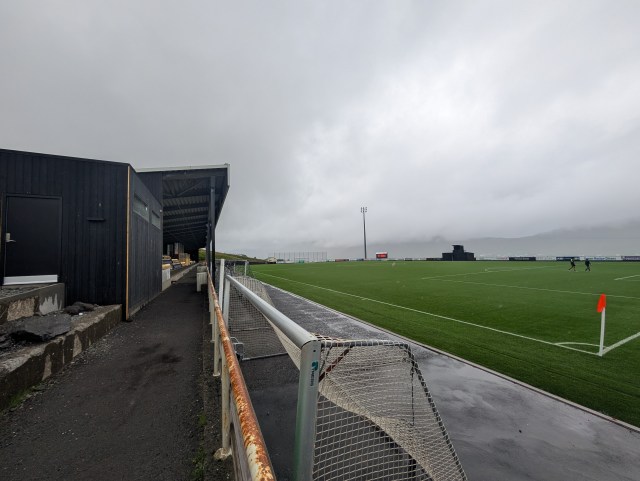
From Í Hólmanum, your journey continues north along Eysturoy’s winding roads to Undir Mýruhjalla – the home of Skála ÍF. Located in the quiet village of Skála, this stadium marks the final stop on the tour of the 2024 Faroe Islands Premier League grounds – and the second home of a team that was relegated at the end of the season, alongside ÍF.
Undir Mýruhjalla is a modest but endearing ground. With a small main stand and a well-kept pitch. There are few frills here – no big screens, no elaborate facilities – but it’s this simplicity that makes it feel so authentic. You’re not just watching football here – you’re standing right in the heart of a small, passionate community.
The stadium sits in a beautiful location, framed by green hills and with views stretching out across Skálafjørður. It’s the kind of place that feels peaceful, yet still retains a quiet intensity.
Stopping here feels like closing a loop – from the national stadium in Tórshavn to this intimate local ground on Eysturoy. It’s a perfect reminder of how deeply embedded football is across even the smallest and most remote corners of the Faroe Islands.
Where to avoid
One of the great things about the Faroe Islands is how safe and welcoming they are. As a solo traveller, I never once felt uneasy or out of place, even when wandering remote villages or empty roads late into the bright evenings.
That said, while almost every corner of the islands has a rugged charm, there are a few places that, although pleasant enough, probably don’t warrant going out of your way to visit—especially if your time is limited.
One such place is The Nordic House in Tórshavn. This striking modern building, with its sloping grass roof and Scandi architecture, is a cultural centre that hosts exhibitions, performances and other events celebrating Nordic culture.
On paper, it sounds like a must-see — but unless there’s something actually happening there, which there wasn’t during my visit, there’s very little to do. With a lack of exhibitions the atmosphere was more like a quiet library than a buzzing hub of culture.
The on-site café, while pleasant and clean, didn’t do much to liven things up either.
The breakfast offering was modest — think boiled eggs and a coffee — hardly worth the walk unless you’re staying nearby and desperate for something simple to start the day.
It might be worth checking the events calendar in advance, but if there’s nothing on, I’d suggest prioritising your time elsewhere.


The next one is Svartafoss Waterfall, also known as the “Black Waterfall,” which sits just a couple of kilometres north of central Tórshavn in the Hoydalsá valley.
It sounds appealing — a peaceful waterfall not far from the capital — but in reality, it didn’t quite live up to expectations during my visit.
The area itself is calm and pleasant enough for a short walk, with a small path leading to the waterfall and a few sheepfolds dotted about, but it felt more like a casual city park than one of the Faroe Islands’ striking natural landmarks.
If you happen to be nearby or are keen for a gentle stroll, it’s a fine spot to pass through, but I wouldn’t go out of your way to visit.

The final one for my list I came across during my trip to Vestmanna where I then spent around 30 minutes inside the The Saga Museum at the Vestmanna Tourist Centre.
The Saga Museum offers a glimpse into Faroese history and features 17 lifelike wax figures set in intricately recreated scenes — from the arrival of the first Norse settlers and tales of Irish monks right up to more recent centuries — and includes an audio guide in English to help you understand the context.
It sounds interesting when you first arrive yet, in reality, you may find it feels a little staged and confined. The dioramas, while impressive in detail, present events like Viking conflicts and dramatic punishments in almost cinematic fashion, which can feel campy and over‑the‑top rather than evocative.
It was enjoyable enough, but not one I felt compelled to linger at. I’d suggest only doing this if you’ve already got it as part of a paired ticket with the boat tour from Vestmanna (the combined ticket does offer a small discount).
On it’s own entry costs 80 Danish Krone (around £9) , and while the gift shop and on‑site restaurant are handy if you’re already at the centre, I wouldn’t recommend making a special trip just to visit the museum. If you’re stopping for the boat tour – and have time to kill – then by all means pop in. Otherwise, there are far more memorable experiences awaiting you elsewhere on the islands.


Great places to eat
Tórshavn has a number of good places to eat covering most budgets. During my trip I ate in the city three times, once a quick burger, another time a mid-range café and finally a fine-dining establishment. Each was delightful in it’s own way and provides an enjoyable experience.
The first of these I’ll cover is the burger joint.
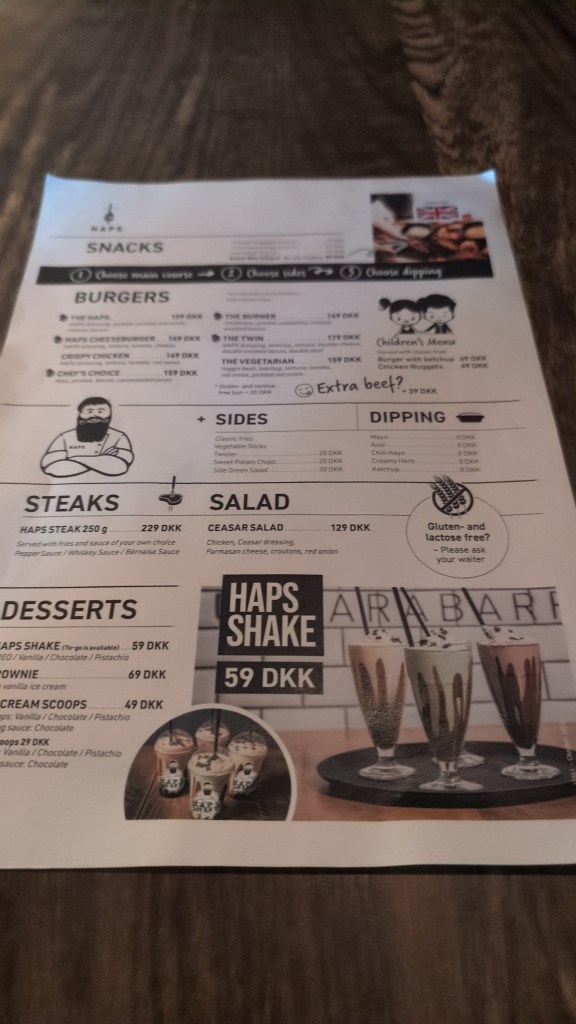
Tucked away above the harbour on Tinghúsvegur 8 in Tórshavn, Haps Burgarar & Steaks is a stylish yet cosy burger bar that’s become a local favourite. You’ll find it perched in the same building as the cinema — just head up to the top floor (no lift), and you’ll step into a warm, inviting space that feels more like a friendly neighbourhood hangout than a tourist spot.
To reach Haps, simply stroll from the centre of Tórshavn along the harbour front and head up a few flights of stairs — it’s part of the joy of discovering small-town gems like this.
On my visit, I treated myself to the Twin Burger, served with deliciously crisp sweet potato fries and a large beer. To cap it all off, I enjoyed a pistachio milkshake. My bill came to around 400 Danish Krone, which is about £45, a fair price for such a satisfying and hearty meal.
The burger was excellent — juicy patties with fresh buns and crisp salad. The fries weren’t just a side — they were a real highlight, perfectly golden and seasoned. The pistachio milkshake was smooth and nutty, a lovely twist to finish on. The staff were friendly and attentive, contributing to the relaxed, upbeat vibe of the place.
So, if you’re looking for a casual meal in Tórshavn, Haps is well worth seeking out.
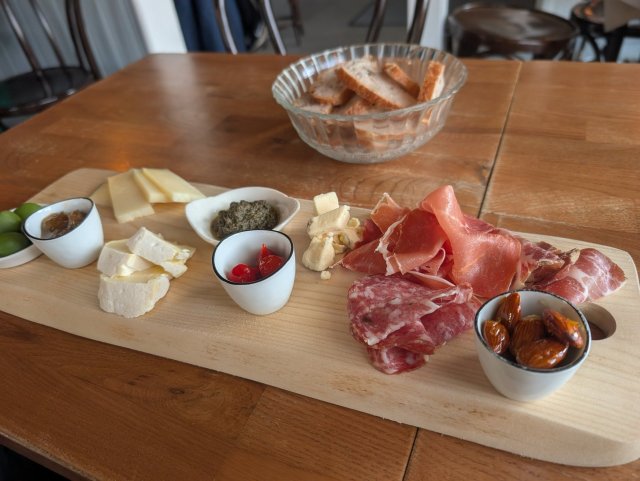
Tucked away at Vaglið 4, just by the old parliament square in Tórshavn, Paname Café offers a wonderfully cosy, Paris‑inspired atmosphere nestled inside a historic turf‑roofed building.
To reach it, simply stroll through the charming pedestrian lanes of the old town—alongside quaint wooden houses and little shops — and you’ll find Paname in a lively spot that’s impossible to miss.
When I arrived, they were unfortunately already running a reduced menu, having sold most of their dishes earlier in the day. That didn’t matter too much, as I was still able to enjoy a large meat and cheese platter, beautifully curated with local and French-inspired flavours.
A local IPA accompanied the platter so well that I couldn’t resist ordering a second one — it was crisp, refreshing, and perfectly matched the creamy cheeses and cured meats.
Despite the limited menu, the meal was genuinely satisfying and very good value, though I can’t recall the exact cost. What I do remember is that the staff were friendly, helpful, and spoke great English, which made the experience all the more enjoyable.
To see me off, I ordered a small coffee to go, which was perfect for sipping on my walk back to the Airbnb.

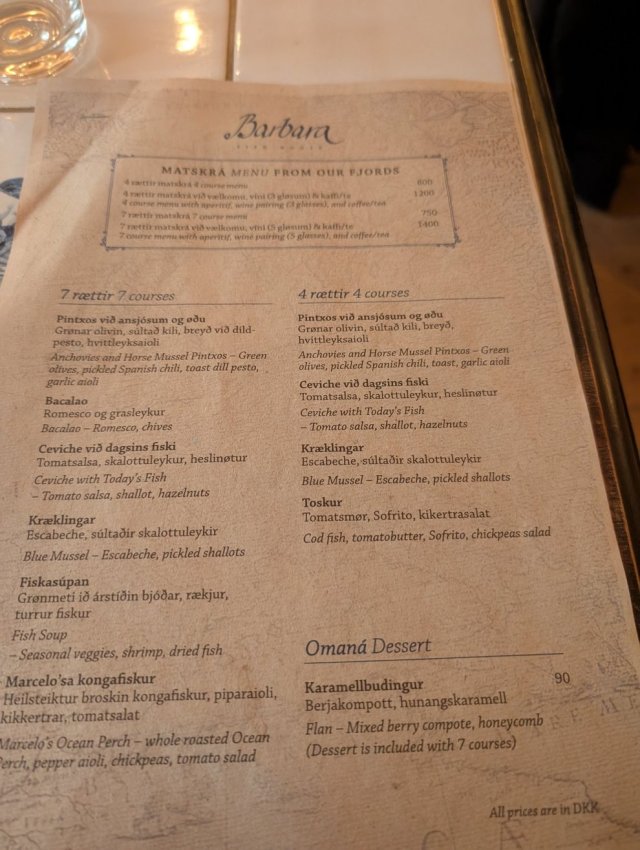
Tucked away in the old part of Tórshavn, within the charming little harbour enclave of Gongin, is the Barbara Fish House – a wonderfully atmospheric seafood restaurant that was one of the culinary highlights of my trip to the Faroe Islands.
Built into one of the traditional turf-roofed houses that give the capital so much of its character, Barbara offers a warm, cosy and intimate setting that feels a bit like stepping into a Faroese fisherman’s cottage – albeit one with exceptionally good food and wine.
The menu focuses heavily on the fresh catch from the surrounding North Atlantic waters, and there are plenty of options to choose from à la carte. But if you’re after a real treat, they offer a four- and seven-course tasting menu, both of which can be paired with wine.
I went all in with the seven-course option and wine pairing – and it was absolutely worth it. Each course was a beautifully presented snapshot of Faroese seafood, prepared with great care and flair.
From the delicate Spanish chili, toast dill pesto, garlic aioli starter to the rich and flavourful muscle and fish courses, everything tasted incredibly fresh and expertly seasoned. The wines, too, were paired with real thought – nothing too bold or overpowering, just excellent choices that brought out the best in each dish.
The staff were fantastic: friendly, professional and keen to explain each dish and wine as it arrived. Their English was flawless, and they struck that perfect balance between being attentive and giving you space to enjoy your meal. It’s a relaxed, unhurried experience – just the way a long dinner should be.
All in, the seven-course menu with wine pairing came to 1,500 Danish Krone (around £172), which I rounded up to 1,700 Krone with a tip (roughly £200). It’s certainly a splurge, but for a special evening of excellent food in a beautifully unique setting, Barbara Fish House absolutely delivers.



Useful links
Tjóðsavnið (Faroe Islands National Museum)
á Dungasandi (home of 07 Vestur)
Gundadalur (home of both B36 Tórshavn and Havnar Bóltfelag)
Tórsvøllur (home of the Faroe Islands National Football Team)
Svangaskarð (home of B68 Toftir)
Við Løkin (home of NSÍ Runavík)
Sarpugerði (home of Víkingur Gøta)
Við Djúpumýrar (home of KÍ Klaksvík)
Í Fløtugerði (home of ÍF)
Í Hólmanum (home of EB/Streymur)
Undir Mýruhjalla (home of Skála ÍF)
The Saga Museum at the Vestmanna Tourist Centre
Remember you can follow World Complete on Twitter, Instagram, Pintrest, Tumblr and Facebook send your comments and pictures from your travels using #WorldComplete and #Travel.
 World Complete
What a comprehensive post on the Faroe Islands. I’d love to visit one day, it really does look so rugged and beautiful! I’m also glad you got to do your first solo travel trip; I try and do one a year and really enjoy it 🙂
LikeLiked by 1 person
Hi. Thanks for reading and taking the time to comment. Wasn’t sure if I’d enjoy solo travel before I went but really did like the freedom it offered. Where’s your next trip to? Do you have a partner and, if so, how do you sell it to them about going off on your own? 😁
LikeLike
Very extensive guide to the Faroe Islands! It looks like you covered a lot more of the islands than my partner and I, as we only had a few days to see only a handful of islands. We didn’t get to really go out and get food in Tórshavn, as our tours would leave early and return later in the day, so we cooked in our accommodation. Weather was on our side when we went, and I’m glad you had a similarly beautiful experience!
LikeLiked by 1 person
Thanks Rebecca for the kind comments. The weather was definitely on our side during June. Was a great trip and would go back in a heartbeat.
LikeLiked by 1 person