


Tirana
For decades, Albania was shrouded in mystery, its borders sealed off from the world. Today, it stands as a testament to resilience and transformation and is finally inviting travellers to uncover its hidden gems.
At the heart of the country is its vibrant capital city, Tirana; a city that is forcing it’s way into the modern world with skyscrapers bursting out all over its growing landscape from the scars left from its communist past.
However, it’s been far from an easy ride for Albania and its citizens to even get to this point.
The country has journeyed from its ancient Illyrian origins to a pivotal role in the Ottoman Empire, and through a tumultuous 20th century under a communist regime that earned it the rather endearing moniker “The North Korea of Europe.”
Tirana, the capital city of Albania, has a rich history that dates back to its founding in 1614 by Sulejman Pasha, an Ottoman general. Originally a small town, Tirana grew steadily over the centuries due to its strategic location at the crossroads of major trade routes.
Albania declared its independence from the Ottoman Empire in 1912, but it wasn’t until 1920 that Tirana was proclaimed the country’s capital. This marked the beginning of a new era for the city, which underwent significant development and modernisation efforts. Italian architects and planners played a crucial role in shaping Tirana’s urban landscape during the interwar period, leaving a lasting imprint on its architecture.
Yet, the most transformative period in Tirana’s history came after World War II, when the communist regime led by Enver Hoxha took power in Albania. Hoxha, a staunch Stalinist, ruled the country with an iron fist from 1944 until his death in 1985. His regime brought about profound changes to both the city and the nation.
Under Hoxha’s leadership, Albania was isolated from much of the world. The communist government implemented radical policies, including the nationalisation of industry and agriculture, the eradication of private property, and the suppression of religious practices. Tirana, as the political and administrative centre of the country, became the focal point of these changes.
Hoxha’s regime was marked by extreme measures of control and surveillance. The infamous Sigurimi, the secret police, kept a tight grip on the population, ensuring that any dissent was quickly and harshly dealt with. Bunkers were built across the country, including in Tirana, as part of Hoxha’s paranoid preparations for an anticipated invasion that never came. These bunkers remain a stark symbol of the era’s repressive atmosphere.
The regime’s isolationist policies also had a significant impact on Tirana’s cultural life. Western influences were strictly censored, and the arts were used as tools of propaganda. Despite this, the city fostered a unique cultural scene, with state-sponsored theatres, operas, and artistic institutions that promoted socialist realism.
The fall of communism in the early 1990s brought about a new chapter for Tirana. The transition to a market economy and democratic governance was tumultuous, but it also opened the city to the world. Since then, Tirana has undergone rapid transformation, characterised by vibrant urban development, a booming real estate market, and a lively cultural revival.
This next bit may sound strange but, this trip marked a special milestone for my family, as it was the first time my wife (Holly) and I took our son Jacob on a plane. The anticipation and anxiety that accompany flying with a one-year-old were intense, yet Jacob handled it with grace far beyond his years.
While we fretted over every possible scenario, he peacefully slept through take-off and found endless amusement in the airplane window blinds as well as watching a host of downloaded children’s TV shows on a tablet we fixed to the back of one of the chairs in front of us!
As destinations go to take a one-year-old for his first airplane flight, Albania was perhaps a slightly risky choice, but overall, the risks were mitigated by good planning (solely down to Holly’s management of Jacob) and our son’s blossoming enthusiasm for travel (and indeed everything put in front of him).

So what should a first time visitor know before embarking on an Albanian adventure?
The first thing to consider is the weather.
If, like us, you’re planning a trip during May, you can expect mild and pleasant weather. Daytime temperatures in Tirana typically range from 18°C to 24°C (64°F to 75°F), making it an ideal time to explore the city without the scorching heat of summer or the chill of winter. Evenings can be cooler, so packing a light jacket is advisable. During our visit, there were regular forecasts of rain and thunderstorms, and while we did have some, we found that most of the time the skies were clear, and the sun was out.
The second thing to consider is the currency.
In Albania the local currency is the Albanian Lek (ALL), with approximately 120 Lek to the British Pound (GBP) at the time of writing.
It’s important to note that cash remains the preferred method of payment in Albania, and credit cards are not widely accepted, especially outside major establishments.
You’ll also need to obtain Lek upon arrival in Albania, as it’s not available for exchange in the UK. Cash points and Bureau de Change services are available at the airport and in the city.
When withdrawing money from cash machines, keep in mind that some machines might charge a fee for international cards. It’s wise to withdraw larger amounts to minimise these fees. Additionally, having smaller bills is useful for daily transactions, as larger denominations can be difficult to break in smaller shops and cafes.
Carrying a few Euros as a backup is also a good idea, as they are sometimes accepted, though typically at a less favourable exchange rate than just paying in the local currency.
The next thing to consider is that Albania operates on Central European Time (CET), which is one hour ahead of the UK. This means you’ll lose an hour when you fly out but gain it back upon your return.
It’s a minor adjustment, but one worth noting when planning your travel itinerary.

The next thing to consider is the power points.
For Albania, there are two associated plug types, types C and F. Plug type C is the plug which has two round pins, and plug type F is the plug which has two round pins with two earth clips on the side. Albania operates on a 230V supply voltage and 50Hz. If you’re traveling from the UK, you’ll need a plug adapter to use your devices. It’s also a good idea to bring a power strip if you have multiple devices to charge, as hotel rooms may have limited outlets.
Finally, you’ll also need to consider the language.
While exploring Tirana, we found that English is fairly common, especially among the younger population and in tourist areas. However, not everyone speaks English, so it’s helpful to know a few basic phrases in Albanian.
If like Holly and I, foreign languages don’t come naturally to you – especially those you rarely (if ever) come into contact with – then it’s still handy to have a few key words and phrases in your back pocket to help smooth over any difficulties.
Even with our limited grasp of the language, we managed to navigate the city with relative ease.
That said, knowing simple words like hello (përshëndetje), goodbye (mirupafshim), please (ju lutem) and thank you (faleminderit) in the local language can go a long way to help international relations. In addition, words and phrases like yes (po), no (jo), excuse me (më falni) and how much does it cost (sa kushton) can also help.
Overall, Tirana is a city of contrasts, where the remnants of its communist past coexist with modern architecture alongside and a dynamic, youthful energy that is craving international attention.
Its history is a testament to the resilience and adaptability of its people, who have navigated through centuries of change to build a vibrant and hopeful future that is just coming onto the tourist trail.
Getting there
When planning a trip from the UK to Tirana, you have several airport options to choose from, each with its own advantages. London Heathrow is the largest airport in the UK and offers numerous flight options and amenities.
London Luton and London Stansted are both excellent alternatives, especially for budget-conscious London-based travellers as they act as hubs for low-cost airlines.
Manchester is a great option for those based in the north of England, offering a variety of flights to Tirana, while Edinburgh is ideal for travellers from Scotland.
When it comes to airlines, you have a choice between British Airways, Ryanair, and Wizz Air for direct flights from the UK. Each airline offers different services, from full-service flights with British Airways to more budget-friendly options with Ryanair and Wizz Air.
Holly, Jacob, and I opted to fly from London Heathrow on British Airways with our flight departing at 8:15am in the morning. The total cost for our tickets was £597.57, with Jacob flying for free as he was under two years old at the time.
It’s important to note that the actual full price was much higher than what we paid in cash as we also utilised Avios points to cover an additional £500 of the fare. This fare included checked luggage for all of us, hand luggage, and a pushchair, making our journey more convenient.
Once onboard the aircraft – having navigated Jacob through the airport much to his excitement following an early morning wake-up – the flight from London to Tirana took between two-and-a-half to three hours. The plane was fairly comfortable and onboard, we had the option to purchase food and drinks to tide us over for the journey.
As this was Jacob’s first time on a plane, both Holly and I were anxious about how he would handle the experience. Jacob, undramatically, slept through the take-off, which was a huge relief to us. Once airborne he soon woke-up but was quietly content watching children’s TV shows on a tablet while sitting on our knees allowing us to enjoy a smooth and pleasant flight.
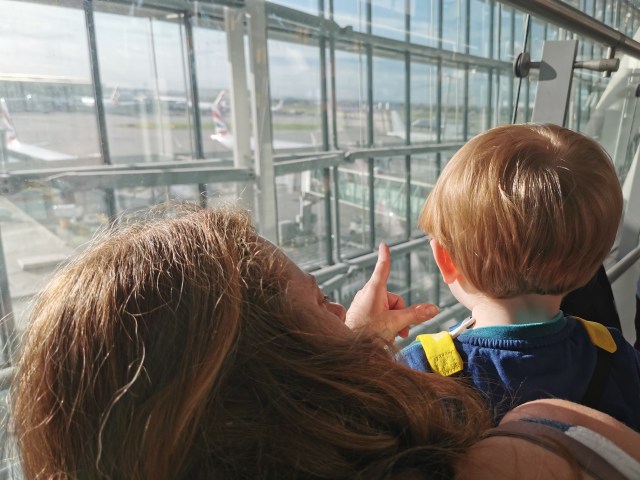


Touching down at Tirana International Airport in 2024, we joined the growing number of passengers traveling through this increasingly popular airport. In 2023, the airport saw 7.2 million passengers, marking its busiest year in history. Built between 1955 and 1957, the airport is modestly sized but offers a warm welcome to travellers.
Stepping off the plane, we were greeted by stunning views of the surrounding mountains. The terminal building was just a short walk away, and we quickly made our way through the efficient and modern passport control. The baggage carousels were easy to navigate, and our luggage arrived promptly.
After collecting our luggage we made use of one of the various cashpoints to get some Albanian money to use – although these do take a small fee from your card when withdrawing the foreign currency. It is possible to avoid the cash points and use the bureau du change here, but to do so you must bring the currency you wish to exchange in cash as they don’t accept card transactions.
With cash in our pockets and suitcases at our sides, we headed out to explore Albania.


Where to stay
Tirana offers a wide range of accommodation options to suit various budgets and preferences. Many of the options available are very reasonably priced, making it an attractive destination for travellers looking for value without compromising on comfort without breaking the bank.
When planning our trip to Tirana, Holly and I decided to book an AirBnB near Skanderbeg Square. The location was perfect, right in the heart of the city, and we managed to secure it for a total of £219.73 for four nights, which comes to £54.93 per night. This seemed like a great deal for a city centre stay.
However, our arrival in Tirana was not as smooth as we had hoped. Just two hours before our scheduled check-in, while we were already in Albania at the airport, we received a message from our hosts informing us that our booking had been double-booked. It meant that we could no longer stay at our original booking (despite having booked it many months beforehand) and, instead, had to be moved to a different AirBnB apartment in the same general area.
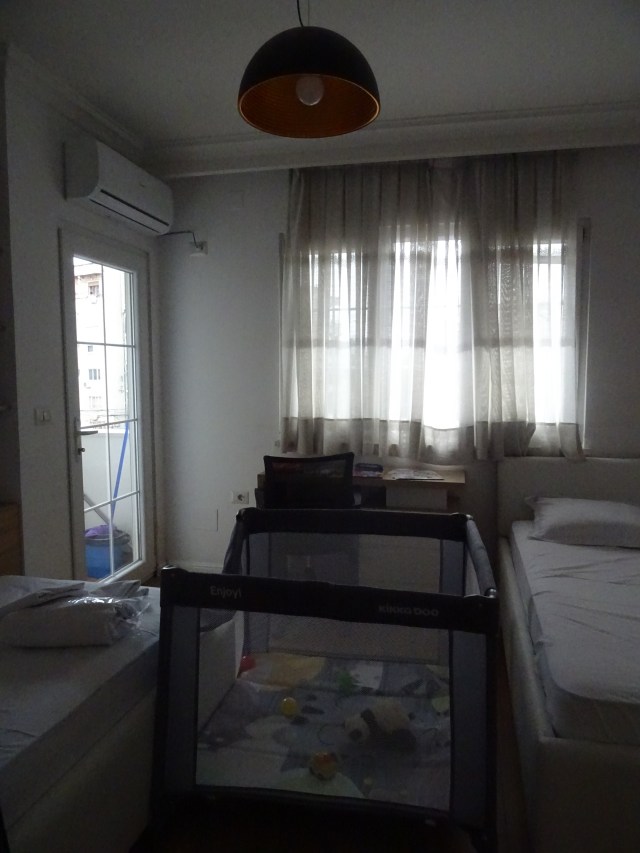
The new accommodation was comfortable enough, but it came with a few unexpected challenges. The room intended for our young son, Jacob, lacked curtains or blackout blinds, which had been advertised.
After some back and forth with the hosts, they did come out on the first evening to install blinds and replace the broken cot they had initially provided. It wasn’t the ideal start, but at least these issues were eventually resolved.
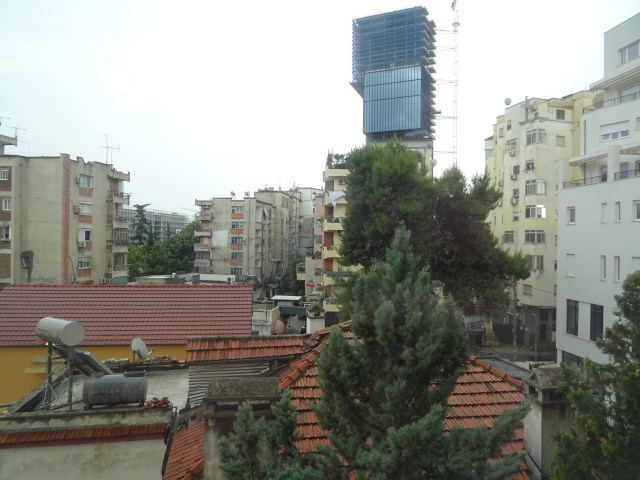

Another significant issue we encountered was with the onsite parking.
The parking facility was actually located about a kilometre away from the apartment, in an underground car park. To access it, we had to drive our car into a very narrow lift operated by security guards who spoke very little English.
The process of parking and retrieving our car was slow and cumbersome, with cars often backed-up along the narrow roadway waiting for one of the two lifts. The situation worsened when, on one occasion, the lift broke down with all of us inside our car.
After much waiting around – at one point in the pitch-black – we were told to carefully climb out of the lift between floors, carrying Jacob to safety while avoiding the open multistorey gap below.
I had to leave my car keys with the security guards as they manually winched the lift down to retrieve the car. After this nerve-wracking experience, I decided not to use this parking facility again despite it being free of charge as part of the room booking.
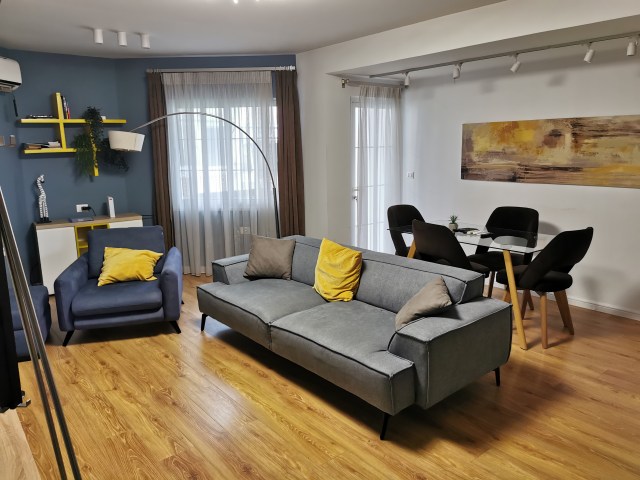
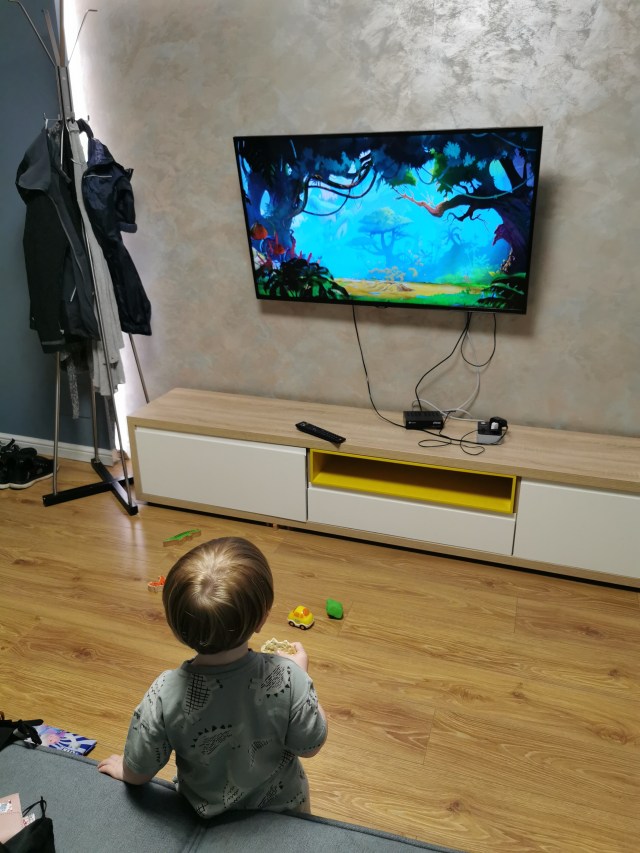
Despite these setbacks, the apartment itself had some positive aspects. The living room featured a large television, which was great for entertaining Jacob before bedtime. Additionally, the apartment was conveniently located near various restaurants and cafes, making it easy to find places to eat and drink.
While our stay in Tirana had its share of challenges, it also had its moments of comfort and convenience. Given the number of other accommodation options available in the city, I would recommend shopping around and reading reviews carefully before making a booking. Tirana has much to offer, and with a bit of research, you can find the perfect place to stay that meets all your needs.

Getting around
The first and most obvious way to get around inside the city is on foot.
Many of the city’s main attractions are conveniently close to each other, making it ideal for a leisurely stroll. From Skanderbeg Square to the Pyramid of Tirana you can explore a lot by walking as we did during our stay in the city.
However, if you’re looking to venture beyond Tirana and see more of Albania, hiring a car is advisable.
One of the main reasons for this is that – at the time of writing – there are no train networks running in Albania; and any railway lines that you may see that remain are long since abandoned.
Fortunately, car hire rentals are plentiful and affordable, with many vendors located at and around the airport. For our trip, we chose to book through easyCar, a middleman service, which connected us with Carwiz.
However, when Holly, Jacob, and I went to pick up our car, we had to walk past almost every other car hire place, leave the airport premises, and walk a few minutes down the road to collect our hire. While not the most convenient, it’s worth noting that there are closer options available at the airport itself.
Carwiz themselves were fine. There is not much in terms of customer service and they are pretty eager to get you on your way fairly quickly from their forecourt. With limited English, interactions were not easy and extremely short and to the point.
Our booking cost £92.74 for a four-day hire, including taxes and insurance, which we paid online in advance. Additionally, we booked a toddler seat and Wi-Fi access, which had to be paid for on arrival, costing a total of €60, which I paid in cash. Be advised though, to check that the Wi-Fi box they give you works before you leave as the first one we were given didn’t.
A handy tip: the Wi-Fi access needed to be plugged into the car for power. We found that bringing a portable power pack and keeping it charged overnight allowed us to carry the small Wi-Fi box with us, providing internet access wherever we went at no additional cost. The was a great help when it came to navigating the streets on foot as we would otherwise have struggled to find where we wanted to go.
For British drivers, it’s essential to bring your driving licence, an International Driving Permit (1968) which can be purchased from the Post Office in the UK for around £5, your passport, a credit card with your full name on it, and the car hire voucher.
Forgetting any of these documents could mean you won’t be able to take the car. When picking up your car, photograph it from every angle and note any existing damage, as well as the fuel level and mileage. While we didn’t encounter any issues, it’s better to be safe than sorry.


Let’s be honest here, driving in Albania is an adventure!
Albanians drive on the right-hand side of the road, which takes some getting used to for British drivers. Everyone in the vehicle must wear a seat belt, and mobile phones can only be used with a hands-free set.
Horns are used freely and liberally. Albanians seem to use them in equal measure for showing frustration at a slow getaway from traffic lights just as much as to a friendly hello to a friend walking past them.
Also, be prepared for cars to pull over at random points, including double parking other vehicles and even on roundabouts. This can take some getting use to, but is something that seems to be widely accepted.
Furthermore, lane discipline is more of a (rather ignored) guideline than a rule, with cars often pulling in and out of lanes right in front of you, while overtaking on blind-bends is commonplace.
Driving in Tirana itself can be challenging, with slow-moving and chaotic traffic. However, once you leave the city, the roads open up and driving becomes more comfortable. One thing to note is that when I was driving I noticed very few signs up to show what the speed limits on the roads were. For the most part I had to use common sense and basically either match what was happening around me or drive slightly slower than the faster vehicles to give me a fighting chance of staying on the right side of the law.
With that in mind, we noticed that police patrols are plentiful both inside and outside the city. Be aware that they are often seen sitting in their patrol cars at the side of the road pulling people over intermittently. Fortunately this didn’t happen to us, and drivers coming in the opposite direction to you, who had just passed a patrol are very good at letting you know there is one coming up by flashing their lights at you.
In terms of parking, I found it to be readily available outside of the city and in all of our trips was able to find street parking for free. Inside the city, we had access to the aforementioned underground car park as part of our AirBnB booking, but if you want an easier experience, I’d suggest parking at the car park at the centrally Skanderbeg Square Car Park which costs you around 800 Lek for 24 hours (about £6.50). That way you can get in and out of the car park and the city with greater ease and not be required to use a rather temperamental car lift.
While this may all sound quite off-putting, I found myself getting used to the Albanian way of driving pretty quickly and with a bit of confidence you can navigate yourself around the country fairly easily.
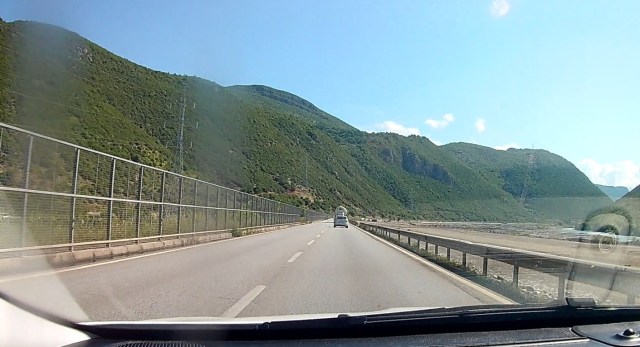
Overall, the road conditions are generally good, although you should watch out for occasional potholes. Driving into the mountains offers spectacular views and a memorable experience, although our journey was slightly marred by Jacob’s car sickness on the long, winding roads, leading to some unexpected – and rather unwelcome – clean-up duty!


Top sites
As I’ve mentioned in other blogs, one of the best ways, I think, to dive into a new city is to take a free walking tour early in your trip.
Not only is this a fantastic way to explore the city, but it also allows you to uncover hidden gems that you might otherwise miss. Before heading to Albania, I did some research and found one that I would highly recommend; the Essential Tirana tour from Visit Albania, which can be easily booked using the Freetour.com app.
The Essential Tirana tour is a two to three-hour guided tour around the city. Given that Tirana is still relatively under the radar in terms of tourism, you’ll often find yourself in small, intimate groups. For instance, when Holly, Jacob, and I took the tour, it was just the three of us and our knowledgeable guide, making for a personalised and engaging experience.
Tours need to be booked in advance, with starting times at 11am and 3pm and meeting in the heart of the city at Skanderbeg Square; making it a convenient starting location for exploring the city’s main attractions.
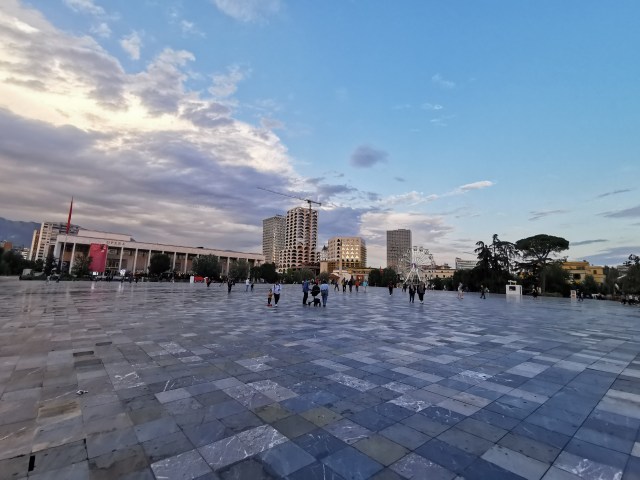
During the tour you’ll take in a number of key sites, the first of which is Skanderbeg Square itself.
Named after Albania’s national hero, Gjergj Kastrioti Skanderbeg, the square is a vast open space surrounded by important buildings and cultural landmarks.
The highlight of the square is the impressive Statue of Skanderbeg, which stands proudly on one of its sides. The statue commemorates Skanderbeg, who led the Albanian resistance against the Ottoman Empire in the 15th century. The square is often bustling with locals and visitors, and it’s a great place to soak in the lively atmosphere of the city.
Also located in Skanderbeg Square – to the northwest – is the National History Museum which is the largest museum in Albania. It offers a comprehensive overview of the country’s history from ancient times to the present day.
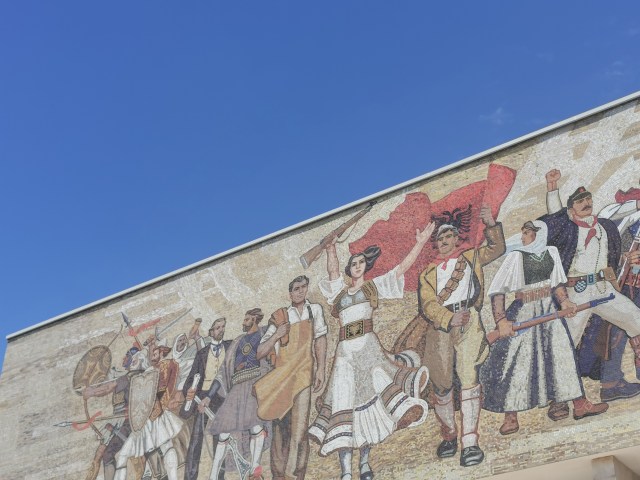
The museum’s exhibits include archaeological findings, medieval artifacts, and displays on the communist era, providing deep insights into Albania’s past. The facade of the museum features a large mosaic called “The Albanians,” which depicts key figures from Albanian history and is a striking piece of art in itself. It also provides the perfect visual contrast between the Albania under communist rule with the ever-increasing number of skyscrapers flying-up around the square.
The final location that you’ll see in Skanderbeg Square before moving on is the Opera & Ballet Theatre, a key cultural institution in Tirana. Its grand architecture and cultural significance make it a must-see for art enthusiasts.



As you move out from the square, you come across the Et’hem Bej Mosque. This 18th-century mosque is one of the oldest and most beautiful in Tirana. Despite the religious repression during the communist era, the mosque survived and today stands as a testament to the city’s rich Islamic heritage. Its intricate frescoes and serene atmosphere make it a fascinating stop on the tour. The mosque’s interior is adorned with beautifully detailed paintings of trees, waterfalls, and bridges, creating a peaceful and reflective space.
You are also able to enter this mosque which we did free of charge (although donations are always welcome). It’s worth noting that if you do enter, women will be asked to cover up if they are wearing shorts or have bare shoulders.
A short walk from the mosque, is the Resurrection of Christ Orthodox Cathedral and shows the other main side of the belief system Albania. This modern cathedral, completed in 2012, is one of the largest in the Balkans. Its striking design features a large dome and elegant bell towers, and the interior is equally impressive with vibrant frescoes and icons including a mosaic made of shells depicting Mother Teresa.
One of the more unusual landmarks in Tirana is the Pyramid of Tirana. Originally built as a museum dedicated to Enver Hoxha, the former communist leader of Albania, the pyramid now stands as a curious and somewhat controversial structure.
Although it had fallen into disrepair, it remained an intriguing piece of the city’s history. The Pyramid of Tirana has now been retrofitted with stairs on its outside (as well as lifts on the inside) which allow visitors to climb to its roof top for a panoramic view of the city. Best of all, this is total free of charge!


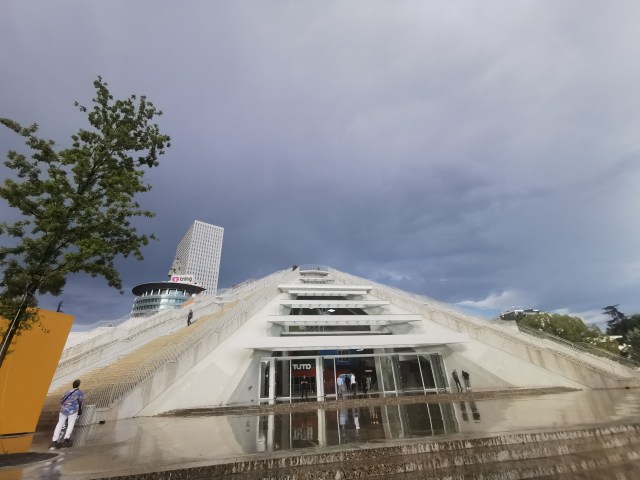

Moving on you get to Tirana Castle – also known as the Fortress of Justinian – which is an ancient Byzantine fortress in the heart of the city.
While much of it lies in ruins, sections of the walls still stand, offering a glimpse into Tirana’s medieval past. The area around the castle is now a lively spot with cafes, shops, and restaurants (more on this later on). The cobblestone streets and historical ambiance make it a charming place to explore, and you can imagine what life might have been like during the castle’s heyday.
For a peek into Albania’s recent history, a visit to Enver Hoxha’s former residence is a must. The house, located in the Blloku district, was once part of a restricted area reserved for the communist elite.
Today, Blloku is a trendy neighbourhood known for its vibrant nightlife and chic cafes, but the residence remains a poignant reminder of the city’s past. The contrast between the area’s past and present is striking, and exploring Blloku offers a unique perspective on how Tirana has transformed over the years. At the time of writing, the residence is closed so you have to make do with viewing it from the streets.
One of the final stops of the tour is the Air Albania Stadium, the country’s largest sports venue. The stadium, which hosts national and international football matches, is a modern architectural feat and a source of national pride for Albanians. The stadium’s design is sleek and contemporary as was the venue of the 2022 UEFA Europa Conference League final between Italian side Roma and Dutch outfit Feyenoord.
The tour guide will take you back to where you started and at this point you can make a personal judgement as to how much it was worth. As an estimate we gave our guide 2,000 Lek (around £17) although the amount each person gives is up to them and there is no pressure to give more than you feel comfortable doing.


Away from the walking tour another city site I’d suggest visiting is Bunk’Art 2 which offers visitors a fascinating journey through the country’s tumultuous past.
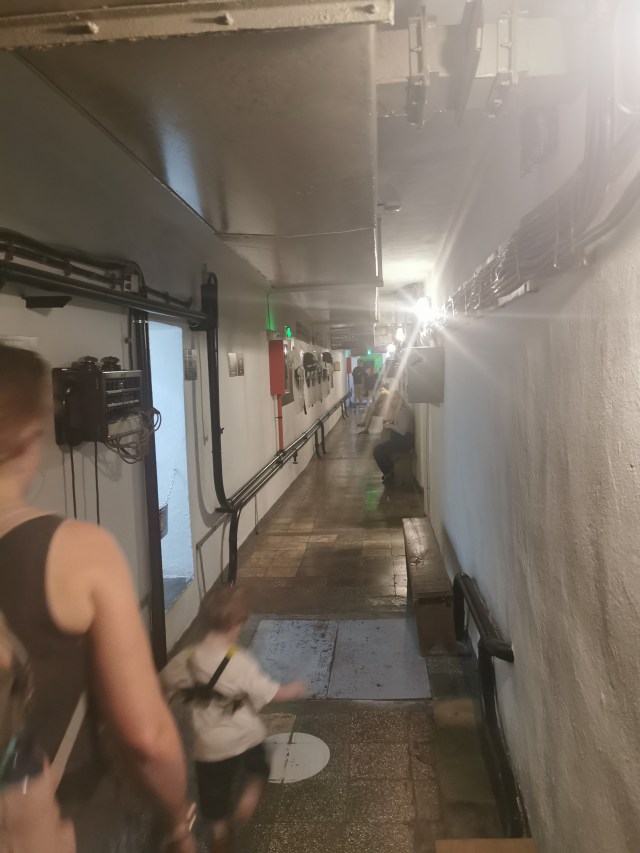
This museum is housed in a converted Cold War bunker providing an immersive experience into Albania’s communist era, revealing the depths of its secretive and often oppressive history.
Bunk’Art 2 is the second instalment of the Bunk’Art museum series, following the original Bunk’Art which is located on the outskirts of Tirana. This unique museum is dedicated to the history of Albania’s Ministry of Internal Affairs and the infamous Sigurimi, the secret police during the communist regime led by Enver Hoxha. The museum’s setting within a vast underground bunker built to protect the communist elite from potential nuclear attacks enhances the authenticity of the experience.
Conveniently located Bunk’Art 2 can be found just off Skanderbeg Square. Its entrance is through a typical surface level appearance bunker which hides the network of corridors it has below.
To go inside, you descend the stairwell to the ticket area where the entrance fee stands at approximately 500 Lek (around £4.20 per person – although Jacob being only one at the time entered for free).
Upon entering Bunk’Art 2, visitors are greeted with a labyrinth of rooms and corridors, each meticulously curated to depict various aspects of life under the communist regime.
The museum showcases a wide array of documents, photographs, and personal items that tell the story of the Sigurimi and their surveillance operations. These exhibits provide a chilling glimpse into the extent of state control and the everyday reality for Albanian citizens during the communist era.
Several rooms within the bunker have been reconstructed to resemble the original offices and interrogation rooms used by the secret police. These authentic recreations offer a sobering insight into the methods employed by the regime to maintain power and control.
Bunk’Art 2 utilises multimedia displays, including videos and audio recordings, to bring the history to life. These installations provide personal stories and testimonies from those who lived through the period, adding a human dimension to the historical narrative.
In addition to historical exhibits, the museum also features contemporary art installations that reflect on Albania’s past and present. These works offer a creative interpretation of the country’s journey from repression to freedom.
While perhaps Jacob was far too young to appreciate where he was, he did enjoy roaming the corridors while Holly and I chased after him to ensure he wasn’t getting anywhere he shouldn’t. After getting as much out of the museum as we could (with a one-year old in tow) we ascended the exit stairwell and made our way back to the city’s streets.


One of the best things I think you can do in Albania is in fact leave the city centre and check out some of the beautiful surround towns and villages that make up this blossoming country.
One such place that should be high on the list that is nestled in the heart of Albania, is the city of Berat which captures the essence of the country’s rich history and stunning natural landscapes.
Known as the “City of a Thousand Windows,” Berat offers a picturesque escape that combines cultural heritage with breathtaking scenery.
The drive to Berat is an adventure in itself, filled with scenic views of Albania’s beautiful mountains. For the most part the drive is simple (so long as you use a sat-nav) and if you’re coming from Tirana – as we were – the capital city, the drive takes about two hours.
The two-hour journey winds through the lush, green landscapes of central Albania, offering panoramic views that are perfect for photo opportunities. The road is (mostly) well-maintained, making for a comfortable drive that allows you to soak in the natural beauty along the way, although watch out for the occasional hazardous pot-hole!
Sadly, while the drive was comfortable, the winding roads did have an effect on Jacob who was very car sick; causing us to have to make a rather quick emergency stop to sort him out.
However, once you arrive in Berat, you’ll find convenient parking opportunities along the main road. The best part? All parking is free of charge. This makes it easy for visitors to park their vehicles and start exploring the town without worrying about parking fees.
After parking, we took a leisurely walk down the main road past an array of local shops towards the newer part of town. This area is bustling with souvenir shops and restaurants, provides an excellent spot to enjoy lunch. The local eateries offer a variety of traditional Albanian dishes, as well as international cuisine, ensuring there’s something for everyone.
One of the highlights of the lower part of Berat is the Gorica Bridge, a historical stone bridge that spans the Osum River. This Ottoman-era bridge connects the two parts of Berat, Mangalem and Gorica, and is an architectural marvel. Walking across the bridge, you’ll be treated to stunning views of the river and the surrounding hills. The Gorica Bridge is not just a functional crossing but also a symbol of the town’s enduring history and unity.
Visible from all around lower section of Berat, stands the majestic Berat Castle at the top of the hill; undoubtably the key attraction of any visit to this city.
Its ancient walls, rich history, and stunning panoramic views make it a must-visit destination for anyone traveling to this enchanting Albanian city. However, as Holly, Jacob, and I found out the hard way, getting to the top can be quite a challenge – especially with a one-year-old in tow!
Our journey to Berat Castle began with a burst of enthusiasm that soon met the reality of the midday sun. We decided to walk up the hill, taking on the uneven paths that wound their way upwards. What seemed like a scenic and invigorating hike quickly turned into a test of our endurance and patience.
With the sun beating down relentlessly, and a one-year-old who needed constant attention and hydration, our pace slowed to a crawl – somewhat ironically matched visually when we past a lone tortoise in the middle of the path half way up!
Pushing on, each step up felt like a small victory against the sweltering heat and the rough terrain. We took frequent breaks, sipped water, but it was clear that this wasn’t the smartest move we had ever made.
After what felt like an eternity, we finally reached the top of the hill, sweaty and exhausted. It was then that we discovered something that made us all groan in unison: you can drive a car up to the castle and park right there! The sight of several cars comfortably nestled in the shade, was a bittersweet revelation. We could have saved ourselves the strenuous hike and simply driven up!
Determined not to repeat our mistake, we opted for a much easier way down. At the end of our visit, we jumped into a taxi, sparing ourselves the slow and treacherous climb back down the hill. The ride was quick and smooth, a stark contrast to our arduous ascent, and we couldn’t help but laugh at our earlier decision to walk.
Despite the challenges we faced getting there, the experience at Berat Castle was nothing short of magical. The ruins of the castle – which are free to enter – offered stunning views of Berat and the surrounding landscapes. From the top, you could see the Osum River winding through the city, the red-tiled roofs of the houses, and the lush green hills beyond.
Exploring the castle grounds, we stumbled upon a delightful selection of shops and cafes nestled within the ancient walls. These charming establishments offered everything from souvenirs to refreshing beverages and ice creams, providing a perfect respite after our tiring journey. We enjoyed a leisurely stroll, bought a couple of small mementos, and sipped on cold drinks while soaking in the historical ambiance; all the time with Jacob doing his level best to make all locals fawn over his little happy face.


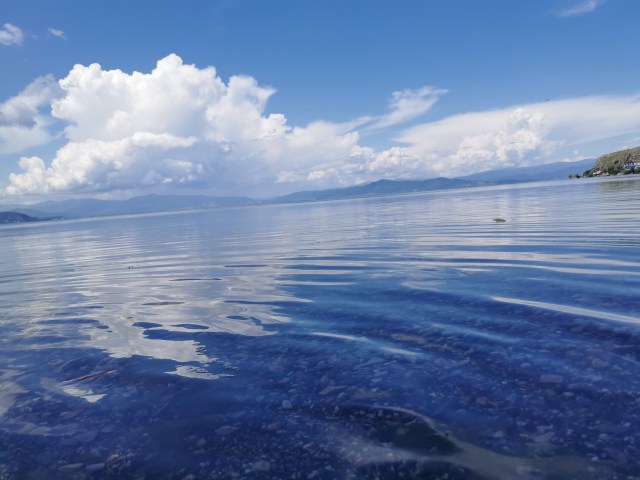
Another suggested day trip from Tirana is to the shores of the breathtaking Lake Ohrid, and to the small village of Lin.
This village is just a short drive from the North Macedonian border and provides a perfect blend of serene lake views and captivating cultural sites.
Driving to Lin Village from Tirana, takes approximately two-and-a-half to three hours, depending on traffic. The journey is scenic, winding through picturesque landscapes and charming small towns (which made Jacob car sick again). Upon arrival in Lin, we found parking conveniently available in the village itself, making it easy to start our day out right away.
Once parked, we decided to relax and enjoy a meal at one of the lakeside hotels. The dining spots here offer not only plentiful servings of food but also an opportunity to soak in the tranquil views of Lake Ohrid. The shimmering waters and surrounding mountains create a perfect backdrop for a leisurely lunch, setting the tone for the rest the visit.
After a satisfying meal, it was time to delve into the village. Lin is a quaint place, characterised by its charming stone houses and narrow cobbled streets. A must-see attraction is the Mosaic of the Ancient Basilica of Lin, located atop a hill overlooking the village.
After a short – but challenging – hike up the hill we found the gates to this historical site. Here, we were greeted by a local caretaker who let us in free of charge and provided an insightful explanation of the mosaics and their significance.
The mosaics, dating back to the 4th century, are remarkably well-preserved and depict intricate designs and patterns, offering a glimpse into the artistic heritage of the region.
After our visit to the basilica, we (eventually) continued on by walking further up the hill. This path led us to a bunker at the edge of the clifftop, offering spectacular panoramic views of Lake Ohrid and the surrounding landscape. The vantage point from the bunker is unparalleled, providing a sweeping vista that is well worth the extra effort.
Be mindful not to rely solely on Google Maps for directions to the bunker. The app tends to direct visitors back to the lower section of Lin, and led us initially to the foot of the cliff face that houses the bunker, which is inaccessible from there, meaning we had to reclimb the hill. Instead, if we’d continue walking up the hill beyond the basilica in the first place we’d have found the highest point of the village where the bunker is positioned.


Where to avoid
While Tirana is a generally safe and welcoming city, as with any urban area, there are a few things to be mindful of during your visit.
Crime and violence are concerns in any major city, and Tirana is no exception. However, it’s important to note that incidents targeting foreigners are rare. To ensure your safety, is best to stay vigilant – especially late at night and, if possible, avoid walking alone especially in poorly lit or unfamiliar areas.
Also, there are reports of pickpockets operating in the city and this can occur in crowded places like tourist spots and even at the airport. Keep your belongings secure, avoid displaying valuables, and stay aware of your surroundings.
All that said, during our visit, Holly, Jacob and I never felt in danger and the people were friendly on the most part and helpful. Exercising common sense in most instances will be sufficient.
You do get instances of beggars coming up to you on the street (and even at busy intersections on the roads while you’re driving, but quickly move on when you don’t give them any money.
As Tirana isn’t overflowing with traditional tourist sites, it’s easy to say there isn’t much to avoid. However, one installation that you can skip over fairly quickly is The Cloud.
Located near the Lana River on Bulevardi Deshmoret e Kombit, The Cloud is an art installation placed in front of the National Gallery of Arts and since 2016, it has served as a modern art space for cultural events in Tirana.
The Cloud is a three-dimensional structure made of fine steel bars, forming 800mm and 400mm rectangles. This semi-transparent, irregular canopy protects visitors from the elements while allowing them to remain part of the landscape. Stepped terraces provide seating areas, making the Pavilion a flexible, multi-purpose social space.
Despite its creative design and intended cultural significance, The Cloud could be perceived as little more than scaffolding. While we did visit it during our stay in the city I’d suggest it doesn’t warrant a special trip and can be adequately appreciated simply by walking past it on the way to another destination.


Great places to eat
For food lovers, Tirana’s culinary scene is as vibrant as the city is itself!
Bets of all, you can eat well in the city without worrying too much about the damage to your wallet. With just 1000 to 1500 Lek per person (about £8.50 to £12.60), you can feast on delectable dishes, often paired with a cold beer for a mere 200 Lek (about £1.50).
Tirana’s cuisine is a delightful blend of flavours inspired by its Mediterranean neighbours, Italy and Greece. The rich, creamy textures of Italian pasta, the fresh and zesty notes of Greek salads, all harmoniously coexisting with traditional Albanian fare which are often meat-intensive, showcasing the hearty and robust flavours that define the countries cuisine.
The first thing to say here is that no visit to Tirana is complete without indulging in Byrek, a quintessential Albanian treat.
This savoury pastry is a culinary masterpiece, featuring layers of flaky dough stuffed with various fillings such as cheese, spinach, pumpkin or minced meat. Each bite offers a delightful crunch followed by a burst of flavourful goodness, making Byrek a favourite among locals and tourists alike and a great way to start the day like a local.
For an unforgettable dining experience, head over to aforementioned Tirana Castle. This historic enclave is not only a cultural landmark but also a gastronomic hub, housing an array of restaurants that cater to every palate.
One gem nestled within its ancient walls that Holly, Jacob and I enjoyed one evening is Ceren Ismet Shehu. This charming eatery specialises in traditional Albanian and Eastern European cuisine, serving up dishes that are both hearty and plentiful. The service here is friendly and welcoming, ensuring you feel right at home as you savour each bite of your delicious meal.
So whether you’re sampling the rich, meaty stews or enjoying the crisp, layered perfection of Byrek, every meal is an adventure. The affordability of dining out means you can indulge in a variety of dishes without breaking the bank, making Tirana a haven for food and travel lovers.
Like the city – and indeed the country itself – the food scene in Tirana is just waiting to be explored by the increasing number of curious tourists entering this once closed-off corner of Europe.


Useful links
Freetour.com – Essential Tirana free walking tour
Resurrection of Christ Orthodox Cathedral
Enver Hoxha’s former residence
Mosaic of the Ancient Basilica of Lin
Remember you can follow World Complete on Twitter, Instagram, Pintrest, Tumblr and Facebook send your comments and pictures from your travels using #WorldComplete and #Travel.
 World Complete
As a history buff, I need to add Tirana into my bucket list. This city sounds so amazing from your post. Thank you for sharing.
LikeLiked by 1 person
Thanks so much for the comment and stopping by!
LikeLike
What a fantastic and incredibly detailed post Steve! You’ve really brought Tirana to life. I feel like I haven’t spent there enough time.
LikeLiked by 1 person
Thanks for your kind comments Anna, and glad you enjoyed the post 😁
LikeLiked by 1 person